Home Planet Fund: Was there a particular moment or event when you knew in your heart that this work — the work with UCRT — is what you felt called to do?
Paine Mako: Of course there was. My background shaped it. The way I got the chance to go to school was through my community supporting me, including an NGO focused on girls’ education. That meant everything. So when the opportunity came to intern with UCRT, I said to myself that there is no better way to give back to the community than to be part of a team doing this kind of work. Work that touches the core of what communities need to survive. That was my calling.
HPF: What are some of the things UCRT has accomplished that you are most proud of?
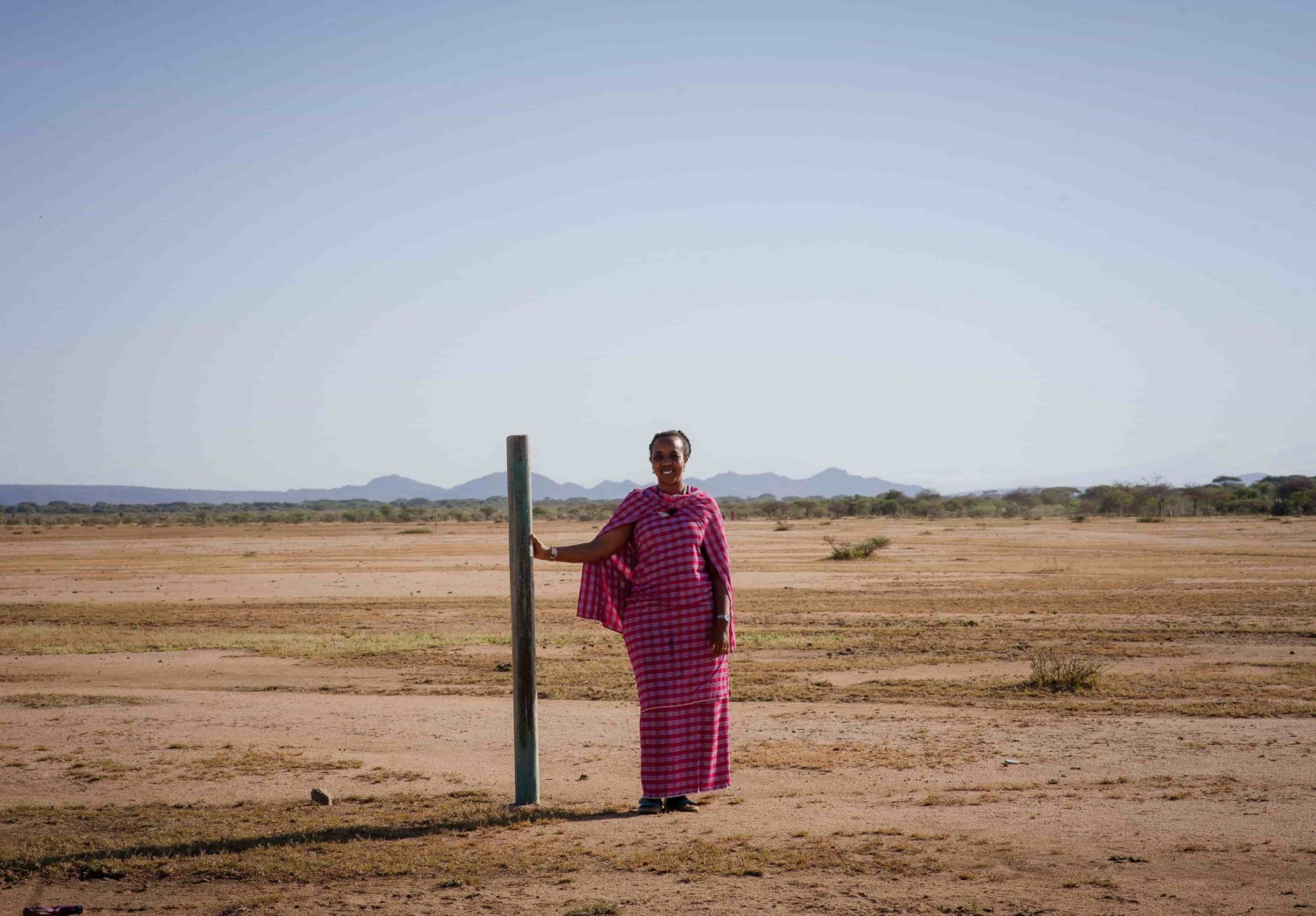
Paine Mako: As a team, we have achieved so much. The fact that over three million hectares of land is now under the control of Indigenous communities. That is a huge achievement. Communities have a say in what is done on their land. They have control over natural resources. They benefit from the resources within their landscape.
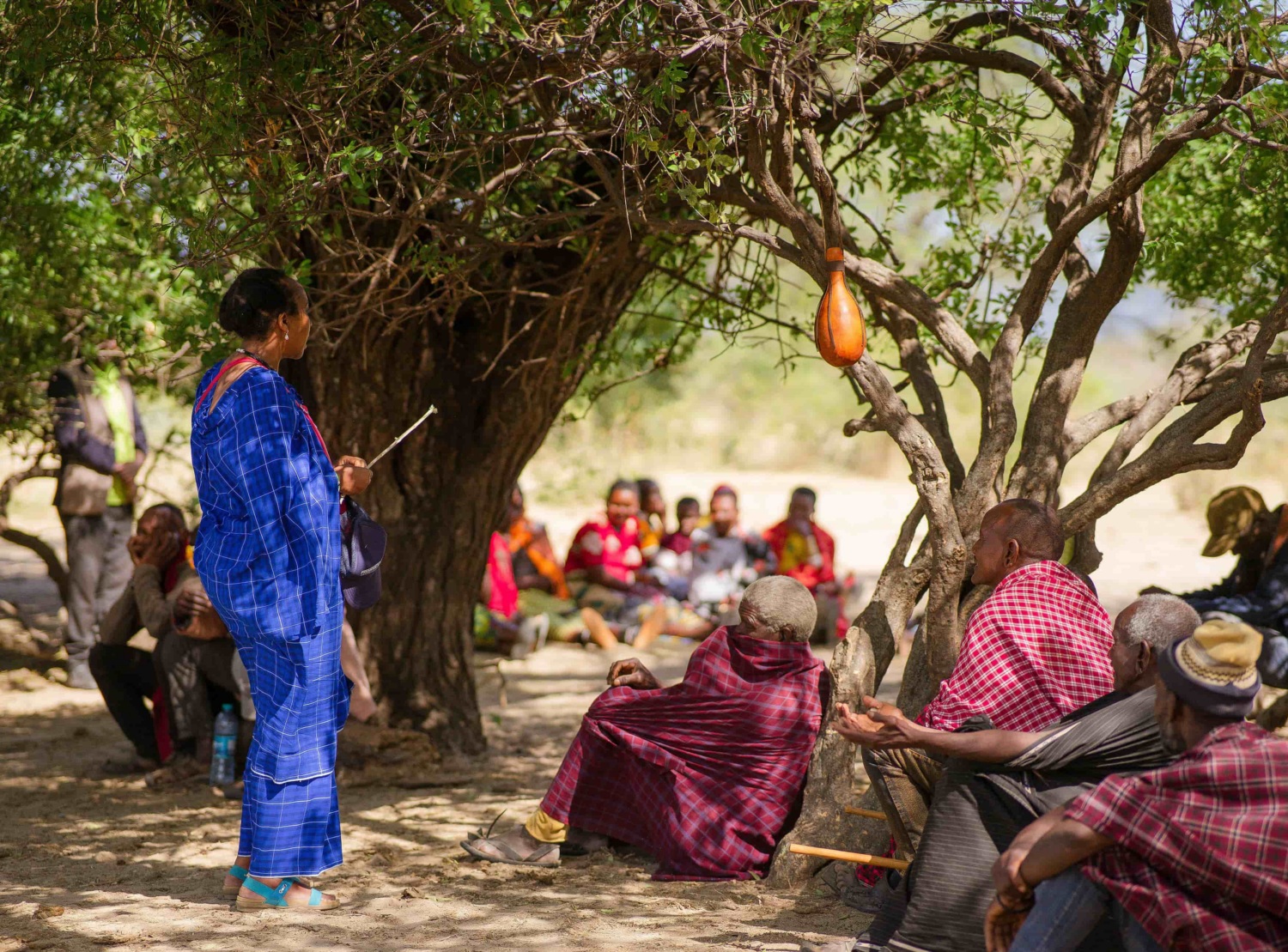
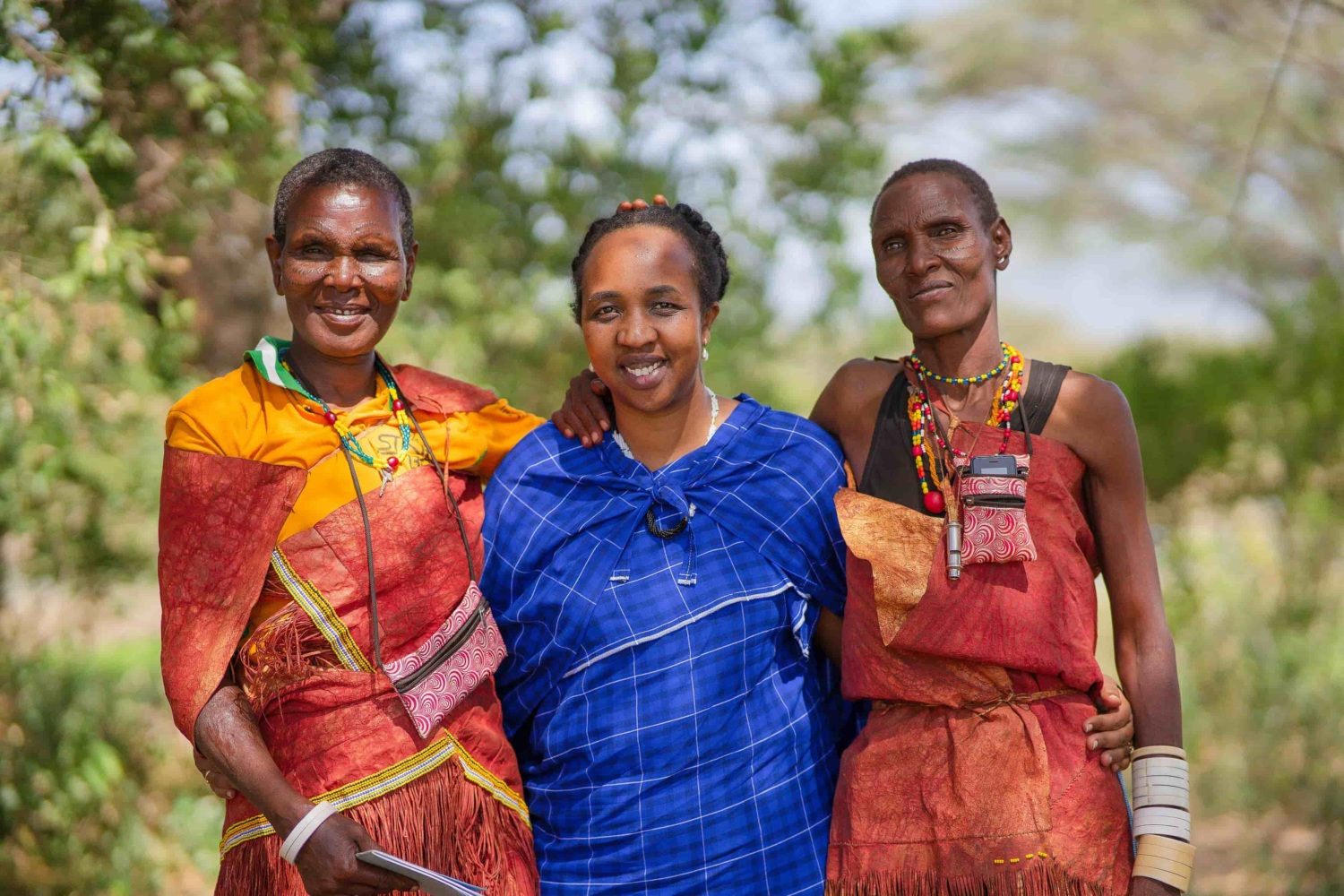
I am also proud of the platforms we have built for women’s voices. In families and in communities, we have created spaces where women have advanced to lead community micro-finance organizations and groups. This has earned women more recognition and more respect, and that change does not come easily in these settings. It takes sustained, patient work.
And even though it is still at a small scale, communities are beginning to benefit from economic opportunities like tourism. This is directly enhancing their ability to fund schools, dispensaries, and social enterprises. The more communities benefit materially from their land and natural resources, the more motivated and able they are to protect those resources. That connection is fundamental to UCRT’s model.
HPF: What have been the biggest challenges for UCRT?
Paine Mako: There are many, but a few stand out. When we began, resources were a constant challenge. There were so many villages, so many communities to reach, and you had to move at the pace your funding allowed. That slowed us down significantly in the early years.
The other major challenge has been managing the collision of different interests within the landscape. Communities have their interests. Government has its interests. Investors have their interests. When these clash, conflict emerges over resource use, resource access, and restrictions on use. In some of our landscapes, this has been the greatest barrier to achieving what we set out to do.
Inter-community conflict has also been serious in some areas. Including in places where it has led to killings over land and resources. And then there is the issue of women’s voices. It is still a challenge. It is taking a long time to gain acceptance that women are equal partners in land and natural resource management. We have made progress, but there is still a very long way to go before women are fully at the center of decision-making around land.
HPF: Can you explain the important role of pastoralism in addressing the climate and biodiversity crisis — particularly for a Western audience that may be learning about this for the first time?
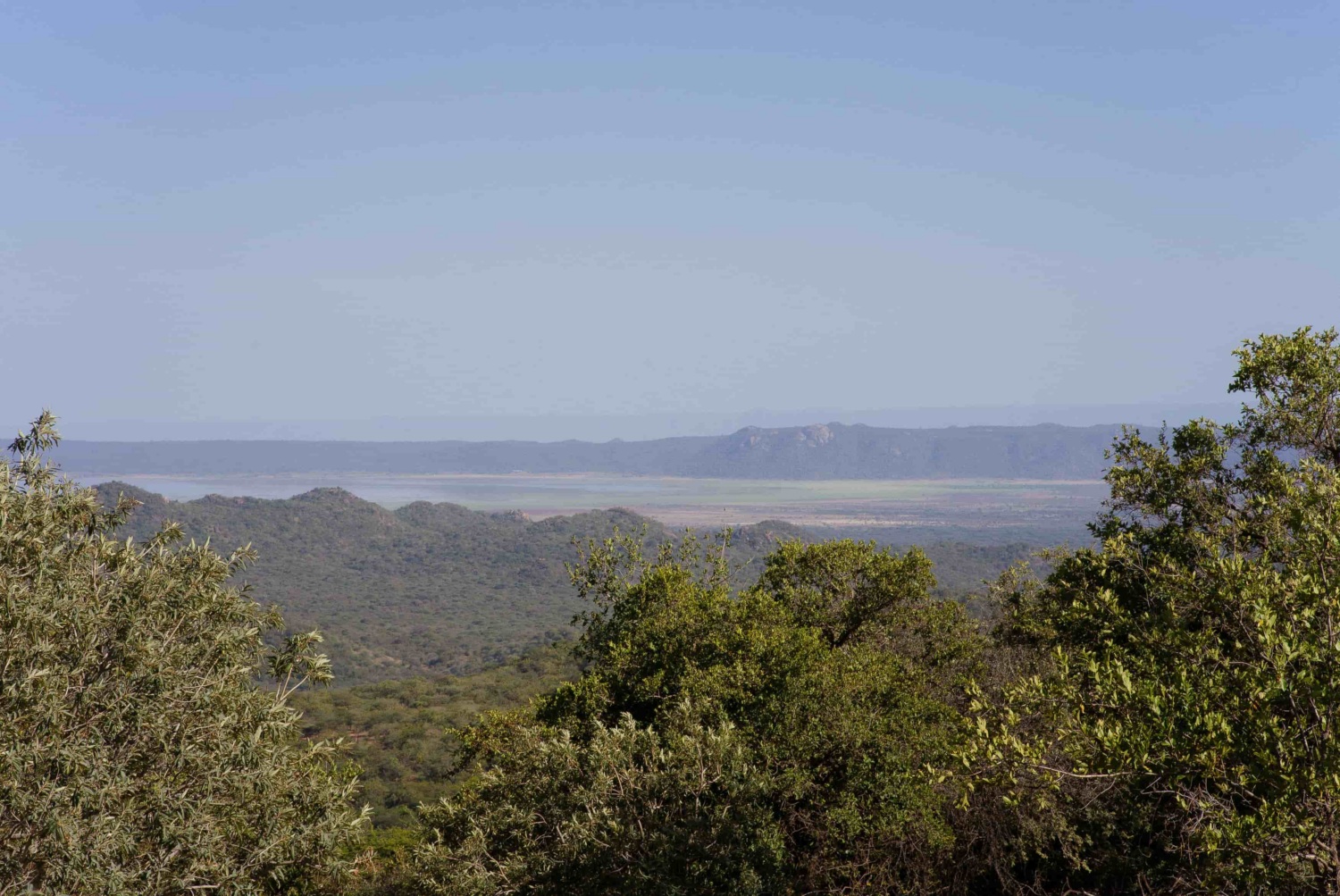
Paine Mako: Our communities have traditional practices that have been deeply effective in the regeneration of landscapes, rangelands, and forests for a very long time. These practices have simply not been recognized. Take mobility, for example. Mobility is purposeful. It is strategic. Our communities do not move randomly, as outsiders sometimes assume. They are highly organized in how they move from one place to another. They move to allow land to regenerate. They move to access resources…water, pasture, salt…that are not available in one location year-round. Then they come back when the land has rested and recovered.
This rotational approach to land use is a form of ecological management that takes the needs of the ecosystem into account alongside the needs of the community. Even in terms of grazing management, the way communities organize themselves and practice rotational grazing is in careful consideration of what the ecosystem requires. The principle is: take what you need, leave the rest for those coming behind you, for the ecosystem to recover, and for the benefit of tomorrow.
This is now being called nature-based solutions in international frameworks. But Maasai communities have been practicing it for centuries. Recognizing pastoralism as a climate adaptation strategy is not just a symbolic act. It is an evidence-based acknowledgment that communities who have lived on and managed these landscapes for generations have developed knowledge that formal science is only beginning to catch up with.
HPF: With increased financial support, what more could you see UCRT doing?
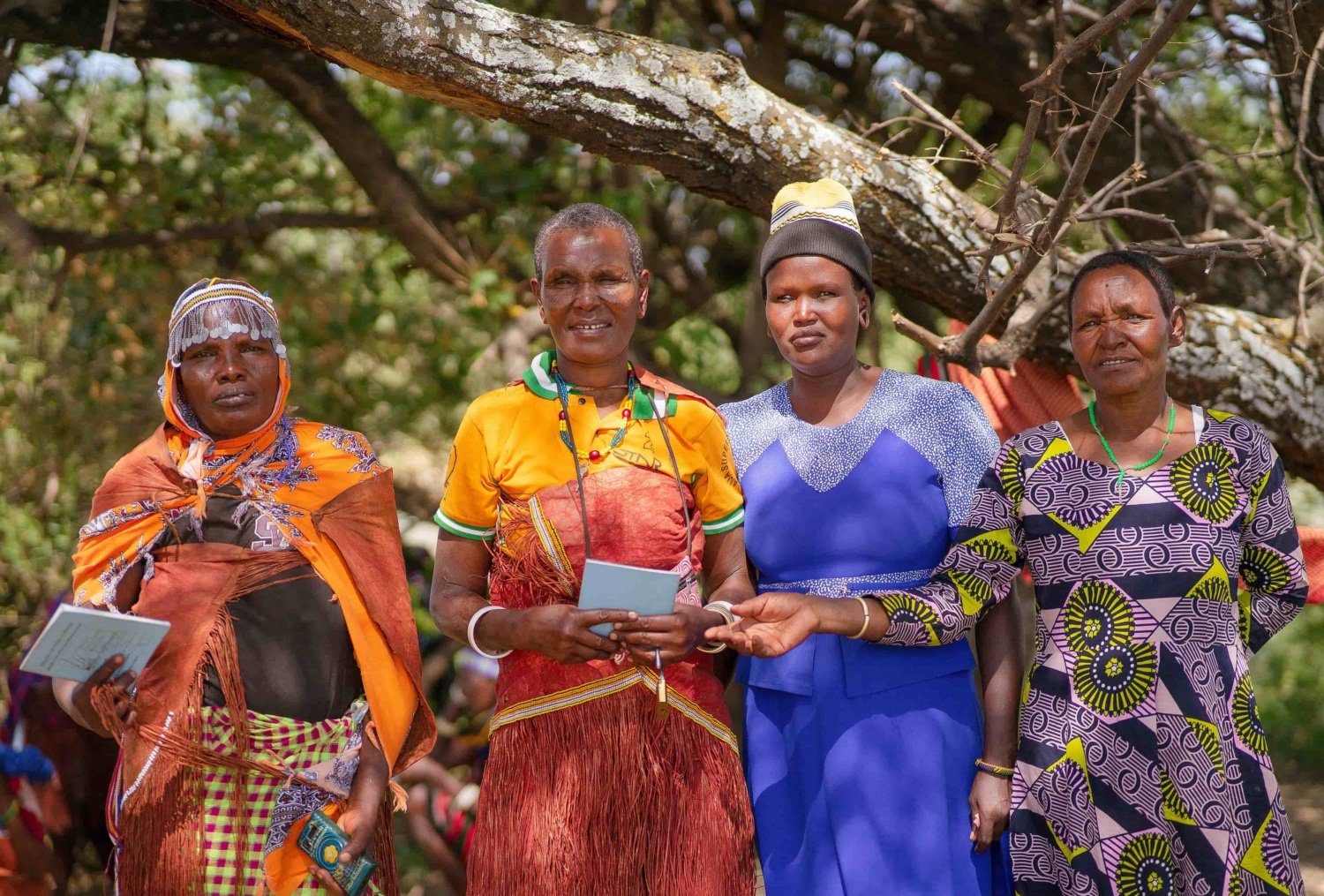
Paine Mako: There is so much more we can do. For the past twenty years, our work has focused in the northern part of Tanzania, where the majority of our communities live. But now we are expanding, targeting the central part of Tanzania and, in the future, the south, because Indigenous communities are not only in the north. In doing this, we are conscious of our internal capacity. We are not trying to stretch ourselves thin. Instead, we see our role as training and coaching other local organizations in the central and southern regions to adopt the UCRT model in their own context.
Our model works best when the people implementing it come from the communities they serve. That is not negotiable. So our expansion strategy is to build other organizations’ capacity. Not to install ourselves everywhere. And I believe our model has relevance beyond Tanzania, beyond Africa. In any context where Indigenous people own, control, and manage resources communally, the UCRT approach offers something real.
HPF: What is your hope for the future?
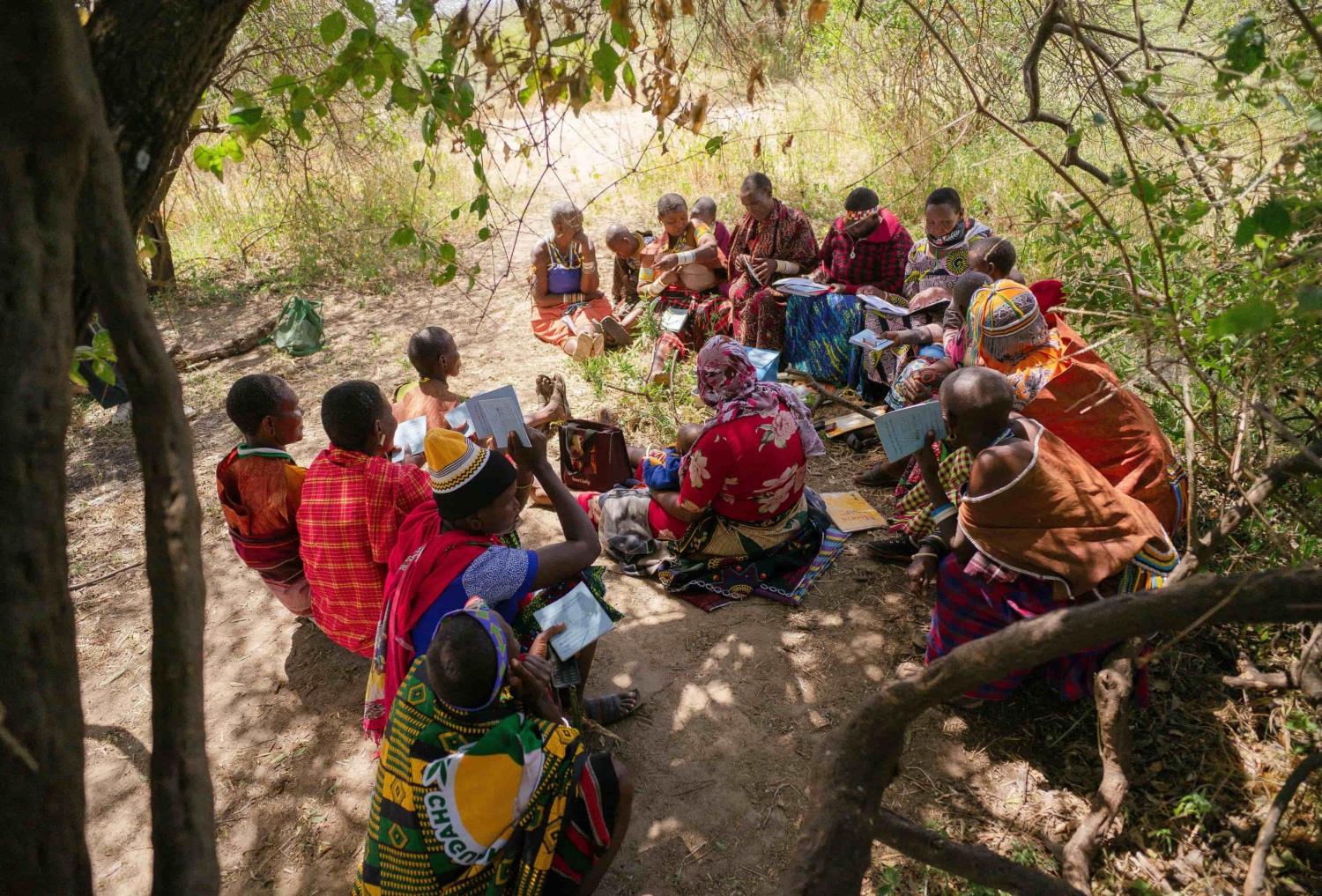
Paine Mako: We hope that all currently available land to Indigenous people is secured, titled, well governed, and well managed, and that ultimately communities are able to genuinely improve their livelihoods because they have full access to the resources within their own landscape.
And I want to add that partnership is crucial to everything we do. Diverse partnerships bring diverse expertise and a diverse resource base that enables us to reach different communities, expand our work, and build our own internal capacity to grow. We are very much looking forward to strengthening existing partnerships and creating new ones — to be able to reach our vision for ourselves, for our communities, and for the landscapes we are working to protect.