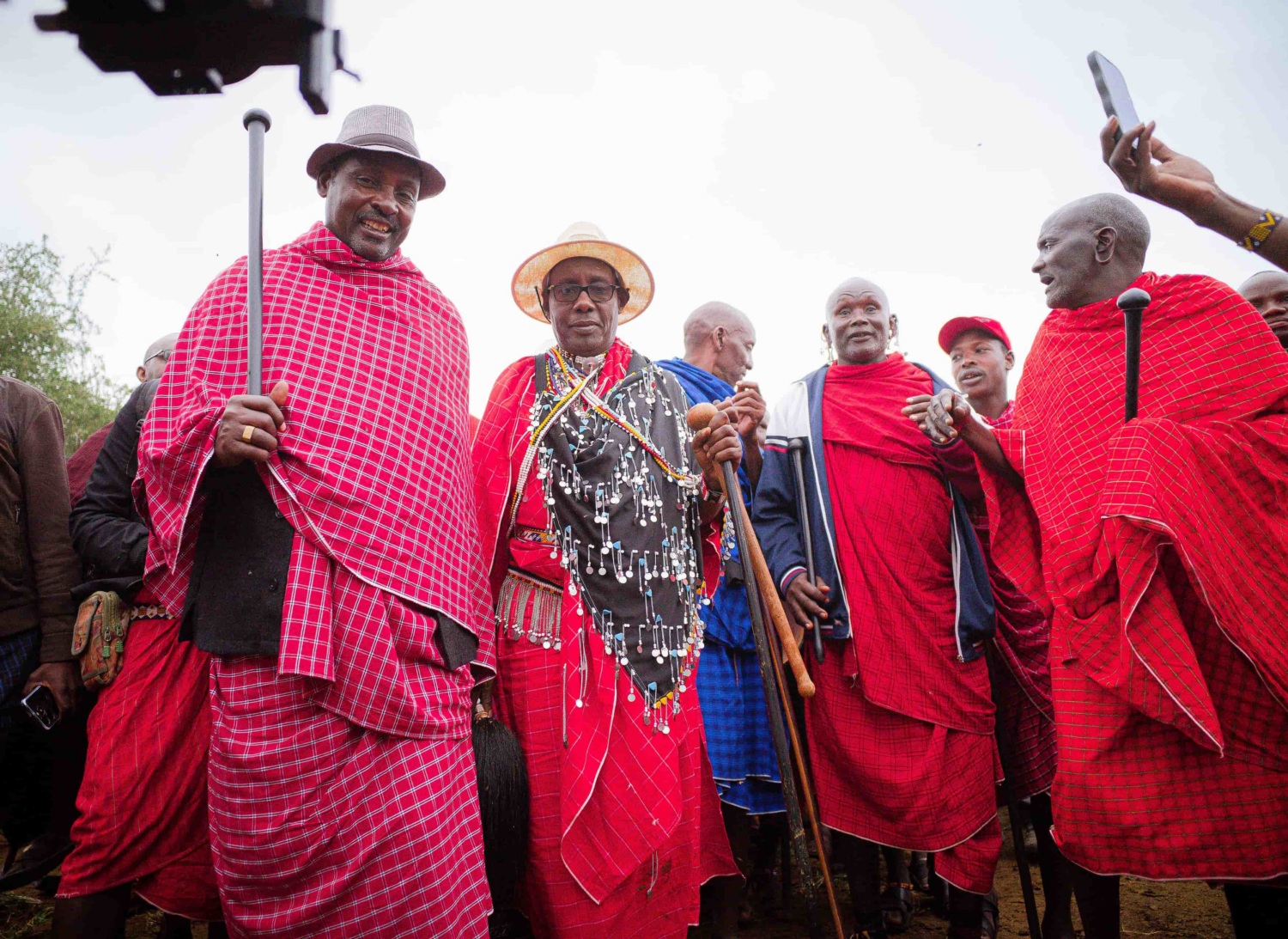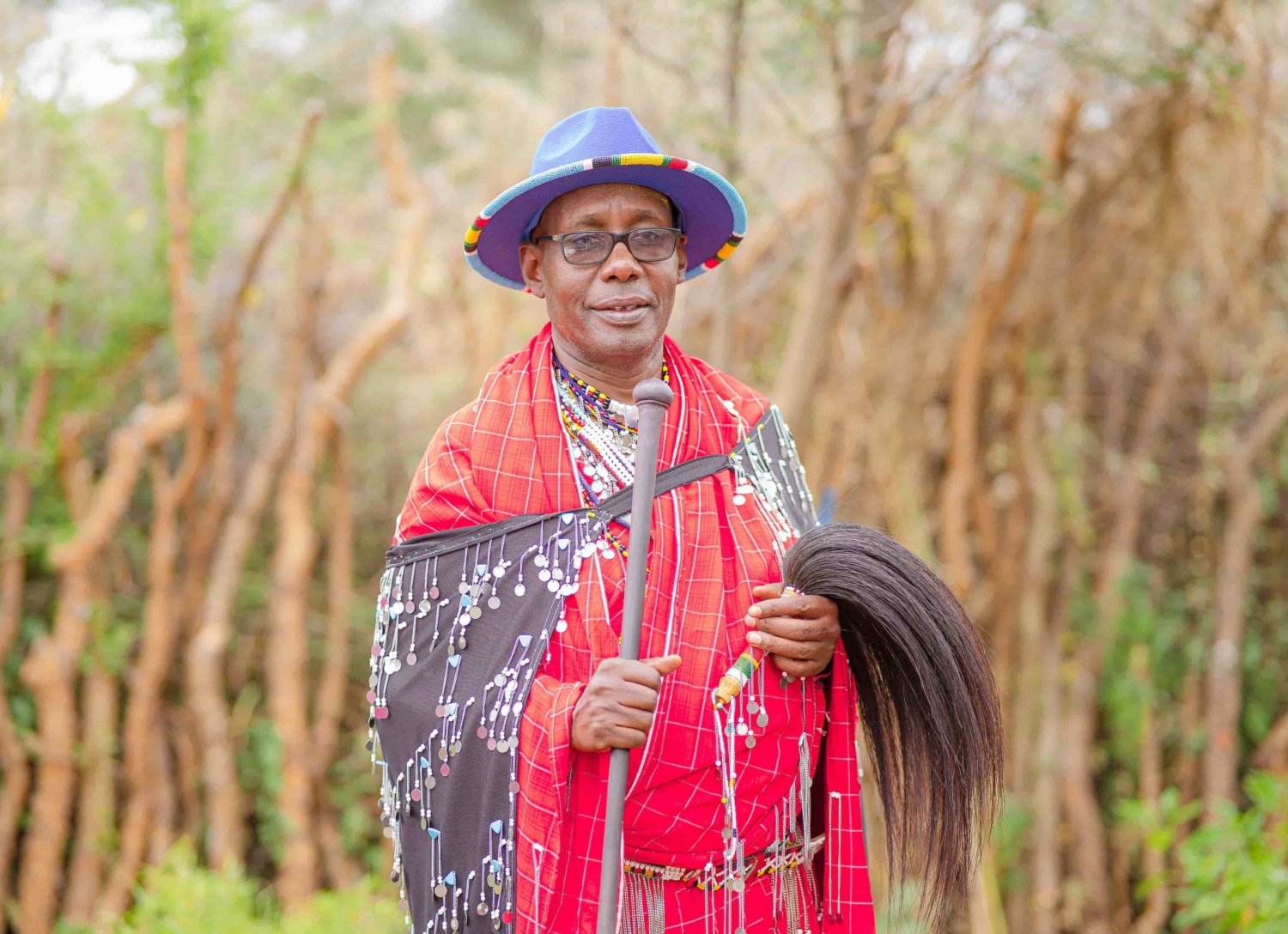
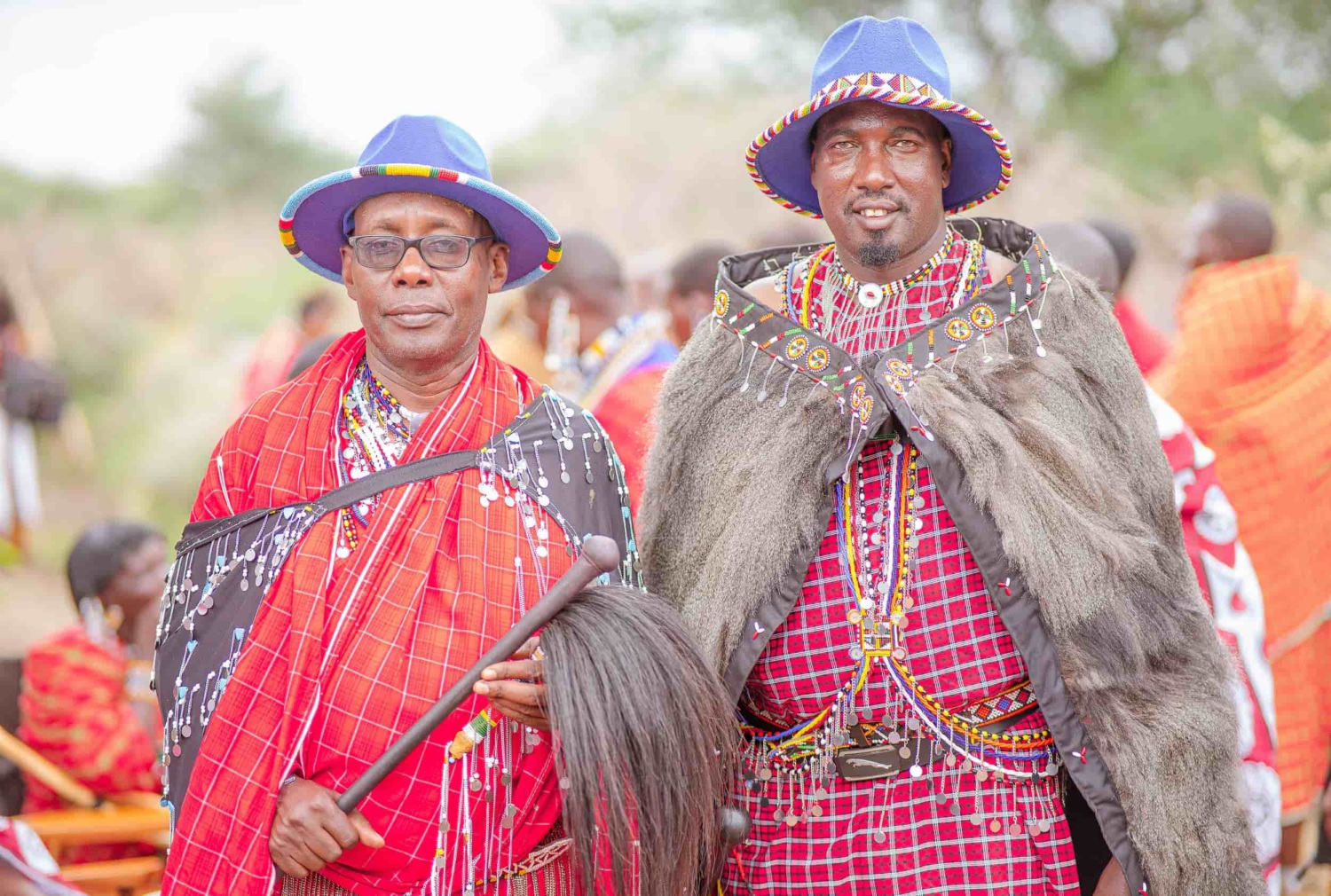
Home Planet Fund: Can you tell us about the ceremony and the position you are about to be blessed into — how and why were you chosen?
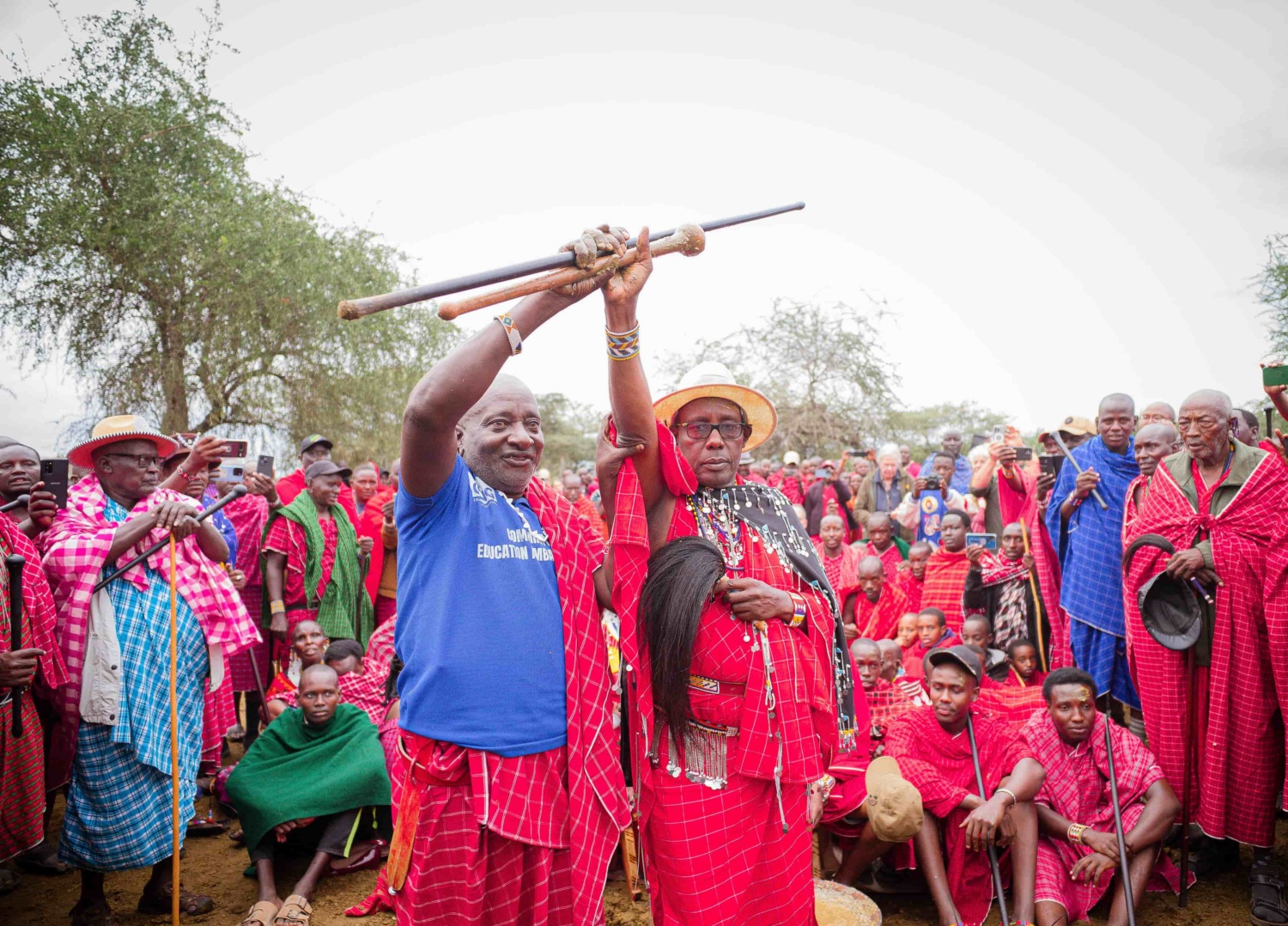
Makko Sinandei: The ceremony is to celebrate my blessing. It is my election by customary leaders and the community at large, because customary leaders represent the entire Maasai community. The position is to be a chief, but also the chairperson for the Maasai across East Africa. This is about solidarity within the Maasai. In terms of promoting our culture, the Maasai in Kenya and Tanzania are the same family, the same community…we share the same culture. Even during our rites of passage, we cross borders. Borders do not mean anything to us in terms of cultural practice and relationship.
The process for my election was conducted in a very sacred way. I was not informed beforehand, because if I had known, I might have found a way to avoid it. I know the position is very demanding given the nature of work I already carry. But when I was chosen, I saw how much demand there is and how many issues need to be addressed. My role will be to coordinate and to influence the important functions of the traditional system.
In Tanzania, we have political positions that fall within the government and party setting. But we also have a customary leadership system that falls within the community setting, and this is the one the community trusts most. The community understands what customary leaders do and can also shape the direction those leaders take. This makes it both more strategic and more trusted. Being in this position, I will first be learning from current leaders, while also working at a higher level by bridging the Maasai community across Tanzania and linking to Kenya, because we do not operate in isolation. Culture is life. Culture is our knowledge. Culture is our interaction and our livelihood. Being a leader of this kind brings social values, economic values, and ecological values into a single space.
HPF: How long will you be in this role?
Makko Sinandei: Being a leader is forever. But the specific position, whether as chairperson or coordinator, can change depending on how the community feels. My main concern is how to build systems that the next generation can take over. These are new structures. We have never before had a position like chairperson of the Maasai at the East Africa level or at the national level. These forms were created because of demand. The Maasai have been marginalized in decision-making, and we have been relying on politicians who must always align with the ruling party. If the ruling party does not favor pastoralists, even a political leader from our community will follow what the government says.
So we need a parallel leadership structure. A Maasai governance system that exists alongside the political system. My goal is to create a network between the Maasai people and government and policymakers, including at the global level. We speak to IUCN [International Union for Conservation of Nature], for example, we tell them that the money they give us goes toward solving problems that are sometimes caused by their own policies. If they change those policies at the source, then what they fund us to do becomes much easier to achieve. We should not just receive money, we need them to change those colonial conservation policies that separate Indigenous people from conservation.
We have been in a radical movement for many years. But we have realized that being radical does not give you a position to influence. It makes people see you as an enemy and block your access. Now we need to be flexible, diplomatic, to bring people to the table so they can sit and discuss. That is what this leadership role is about.
HPF: What happened at the ceremony itself?
Makko Sinandei: The blessing ceremony will start in the morning around six o’clock and will take around two hours. After the blessing, the rest of the ceremony will be the community sharing about culture. Elders will speak about the role of culture in Maasai life and how culture informs change. It is also a form of training for those attending: what does culture mean? Why did this event happen? It is not just a celebration, there are deeper issues to address. We want someone from the Maasai community to explain to all participants what culture truly means, what the challenges are, and how we go forward.