The Burden Carried
When pastoralists live in a village without water, the burden falls upon the women.
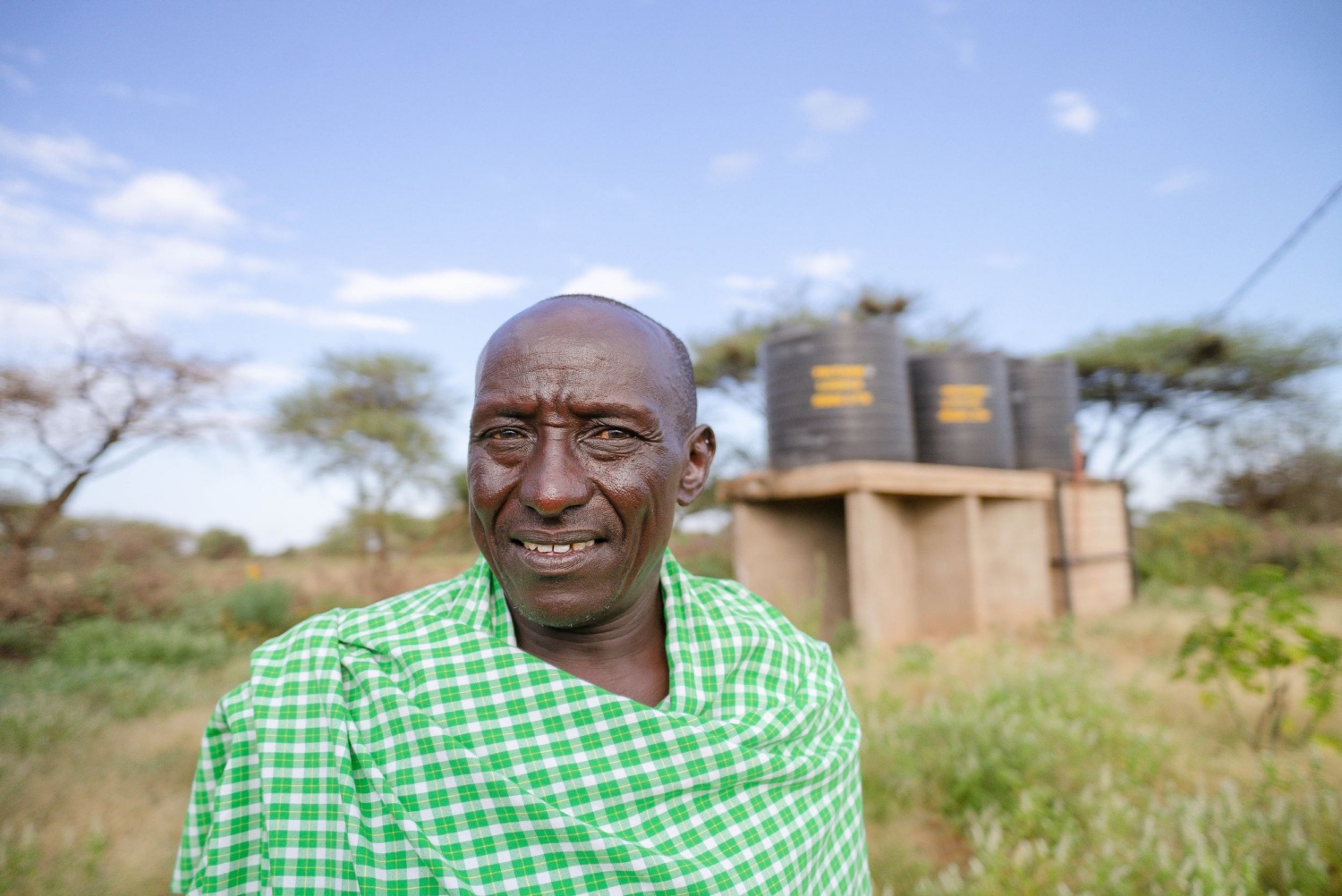
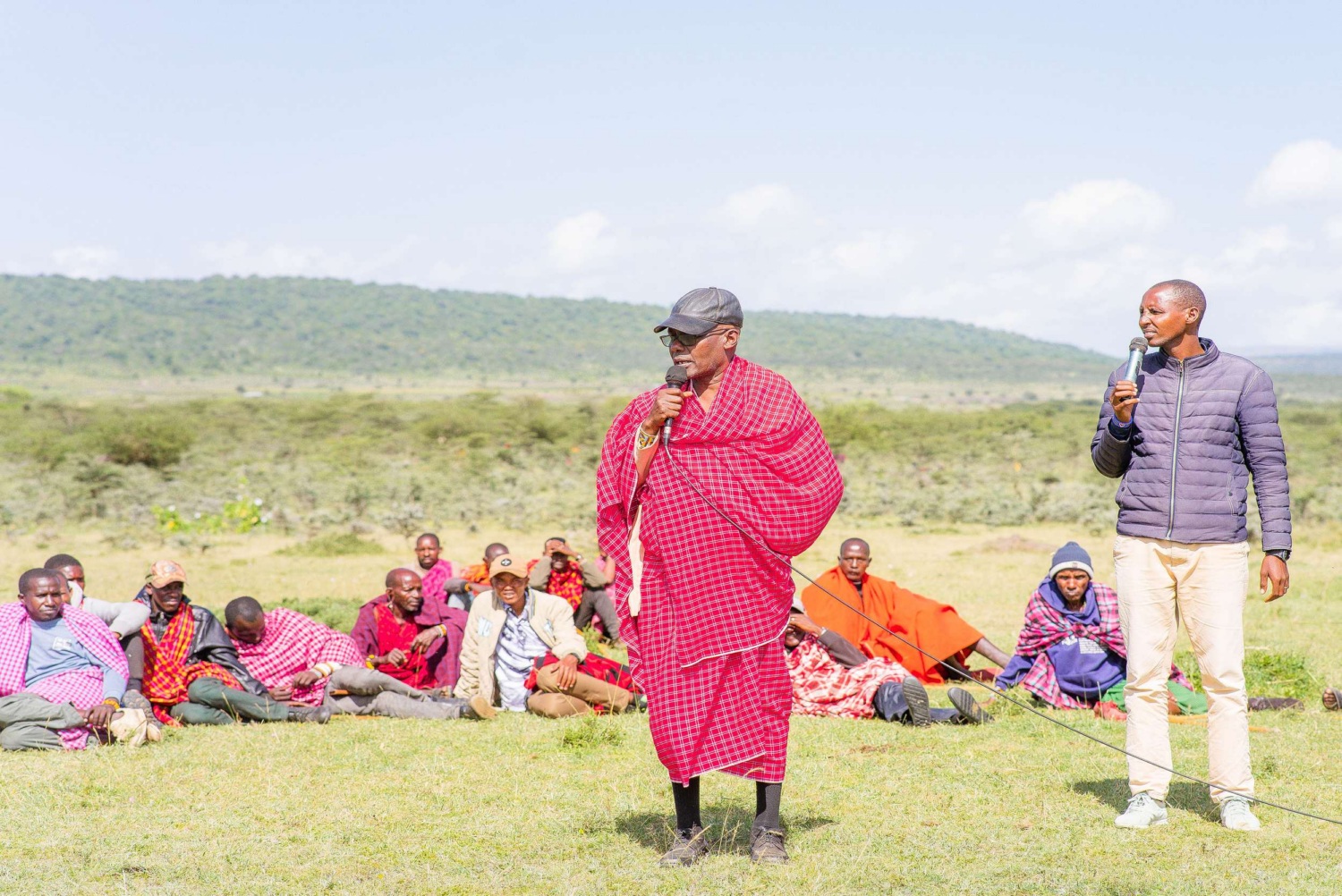
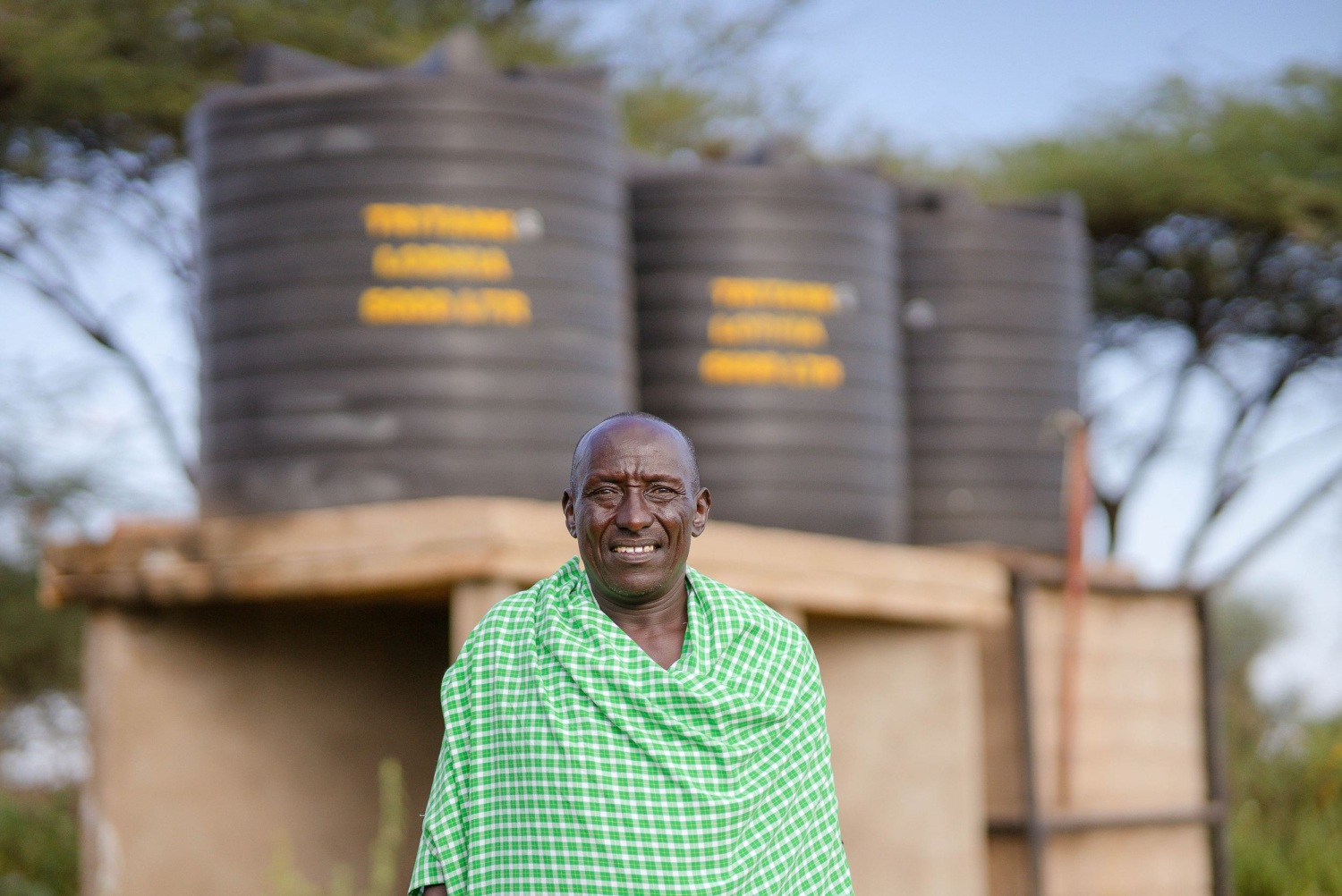
“They will walk three, four, sometimes six miles to a water source, often spending all night getting water just to return home in time to care for their children as they awaken for the day,” Rafael Manang’Oi, the Secretary of Water for the village, explains.
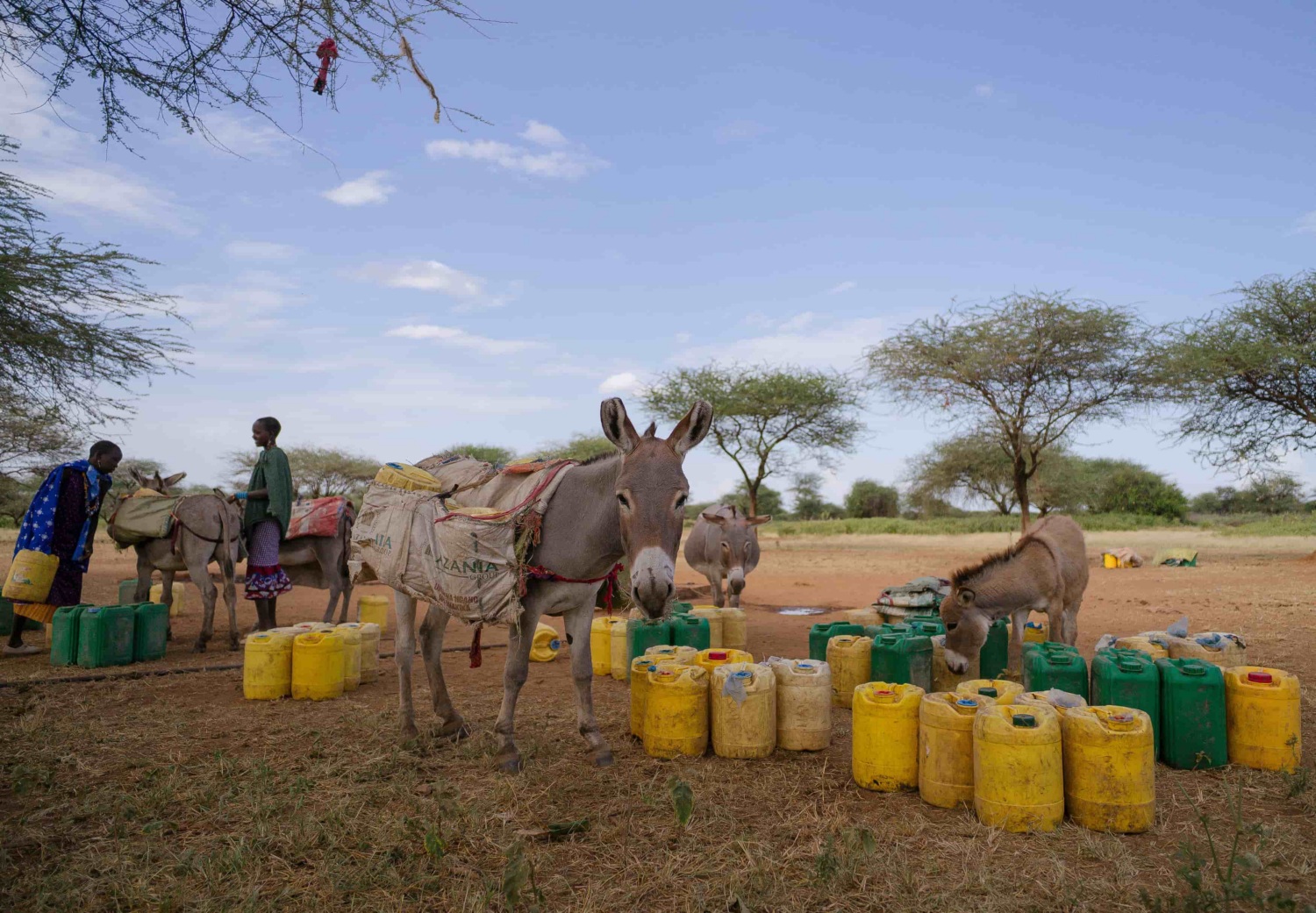
Women from Malambo were walking six miles.
Each way.
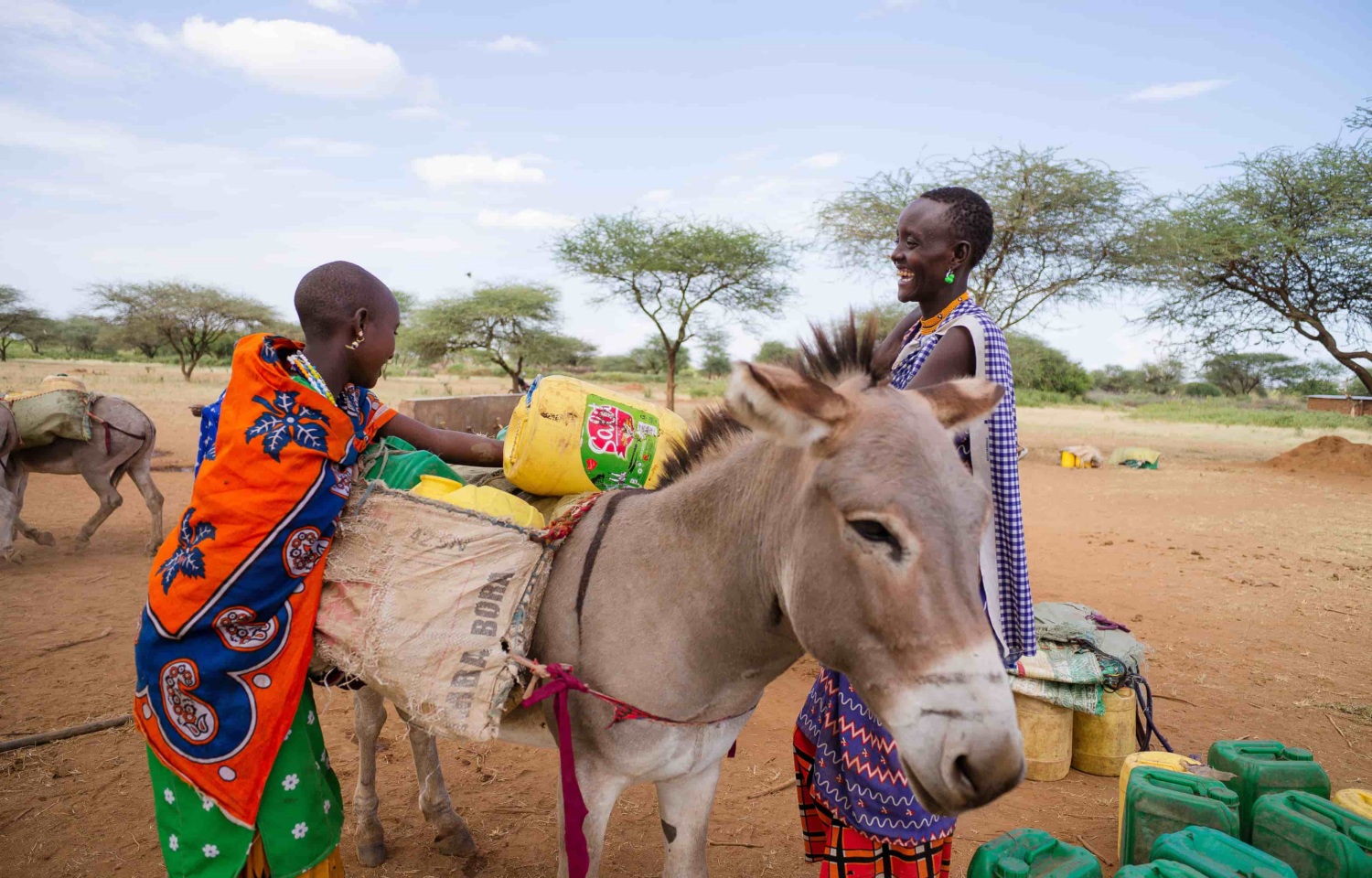
If they were lucky, they had a donkey to carry the cumbersome water barrels. The less fortunate had to carry the barrels themselves, which could weight up to 50 pounds, depending on the size.
Stories abound of what happens to women during these walks. Encounters with lions, elephants, and other wild animals are not uncommon, let alone the time away from their children, their community, and having time for their other responsibilities.
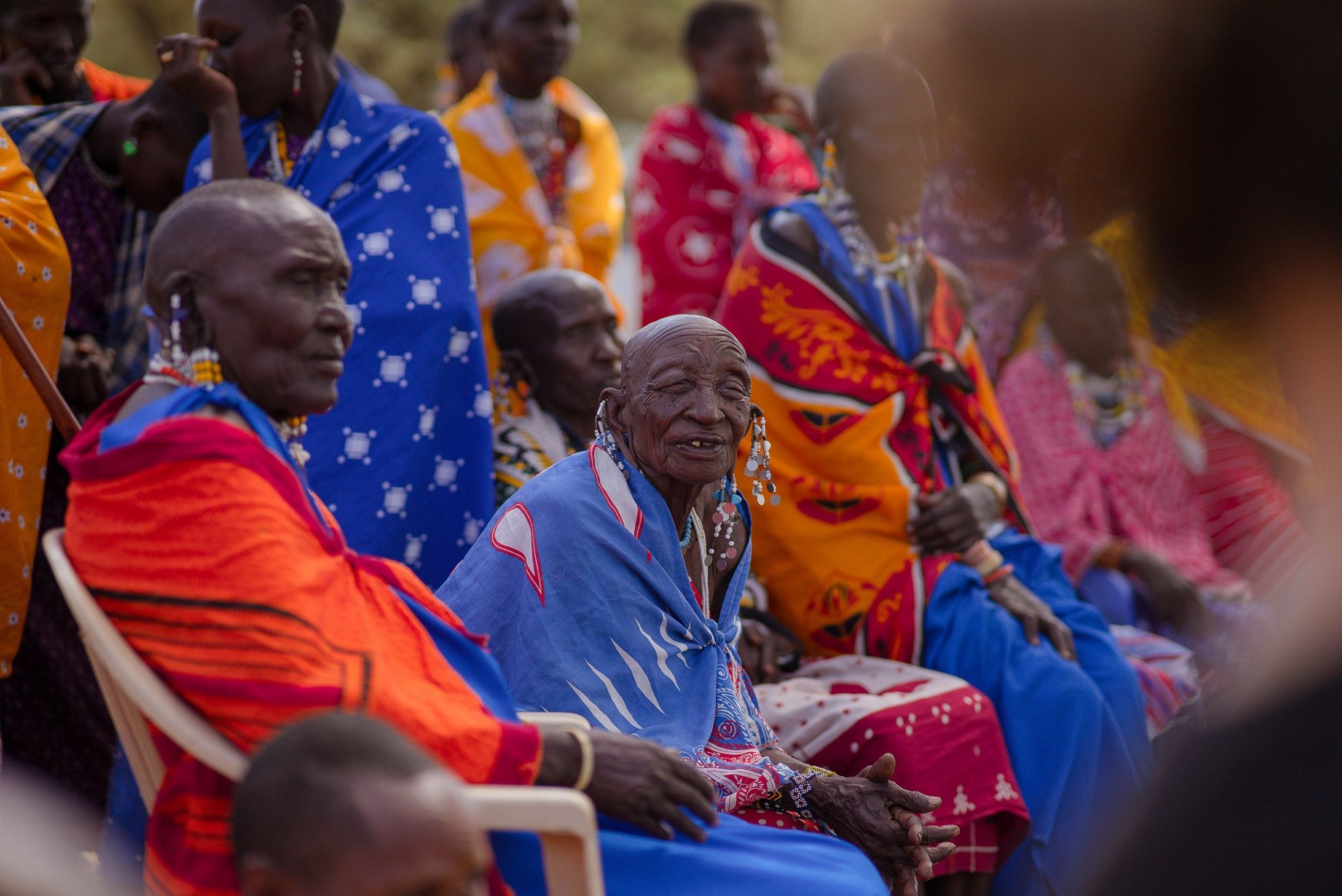
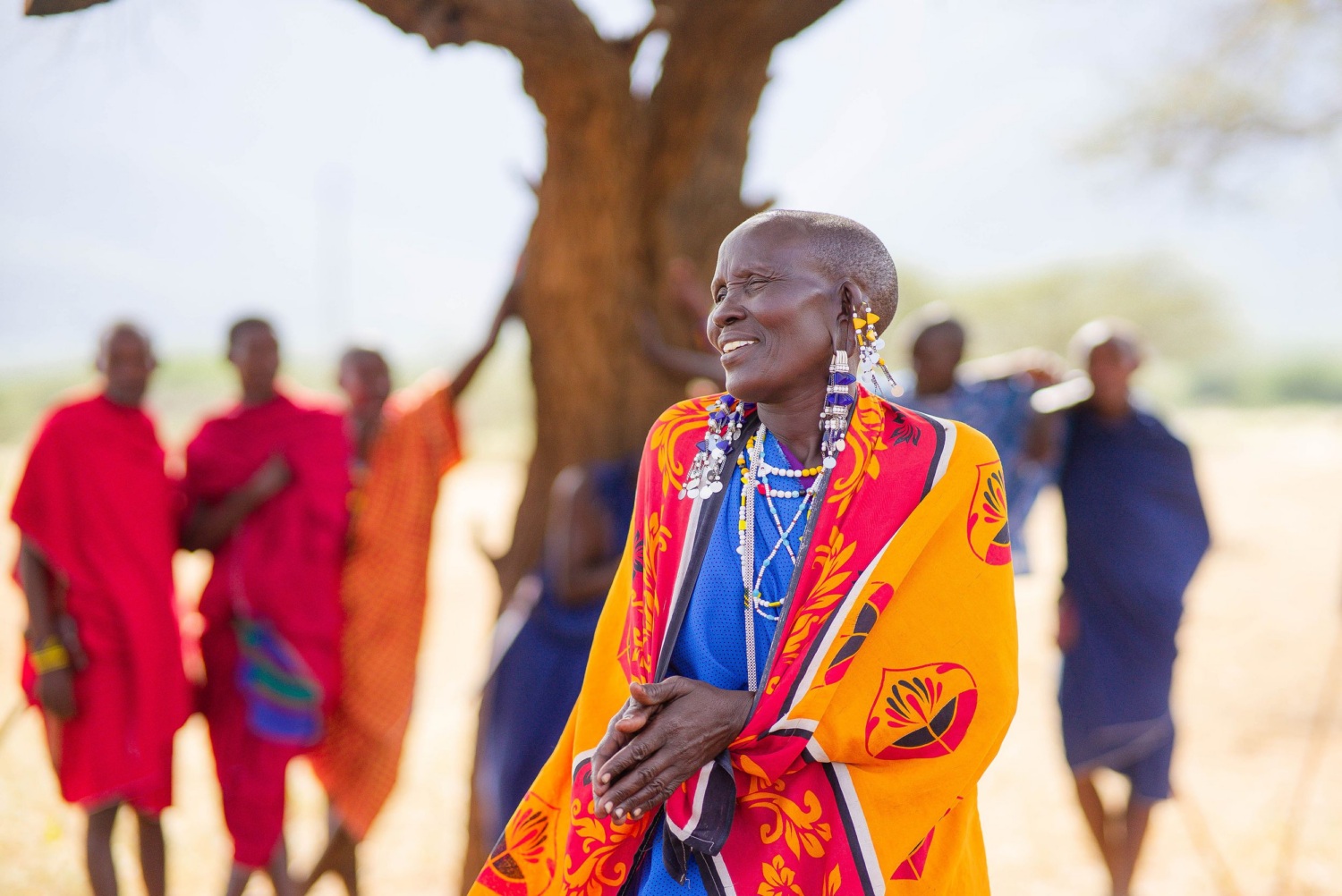
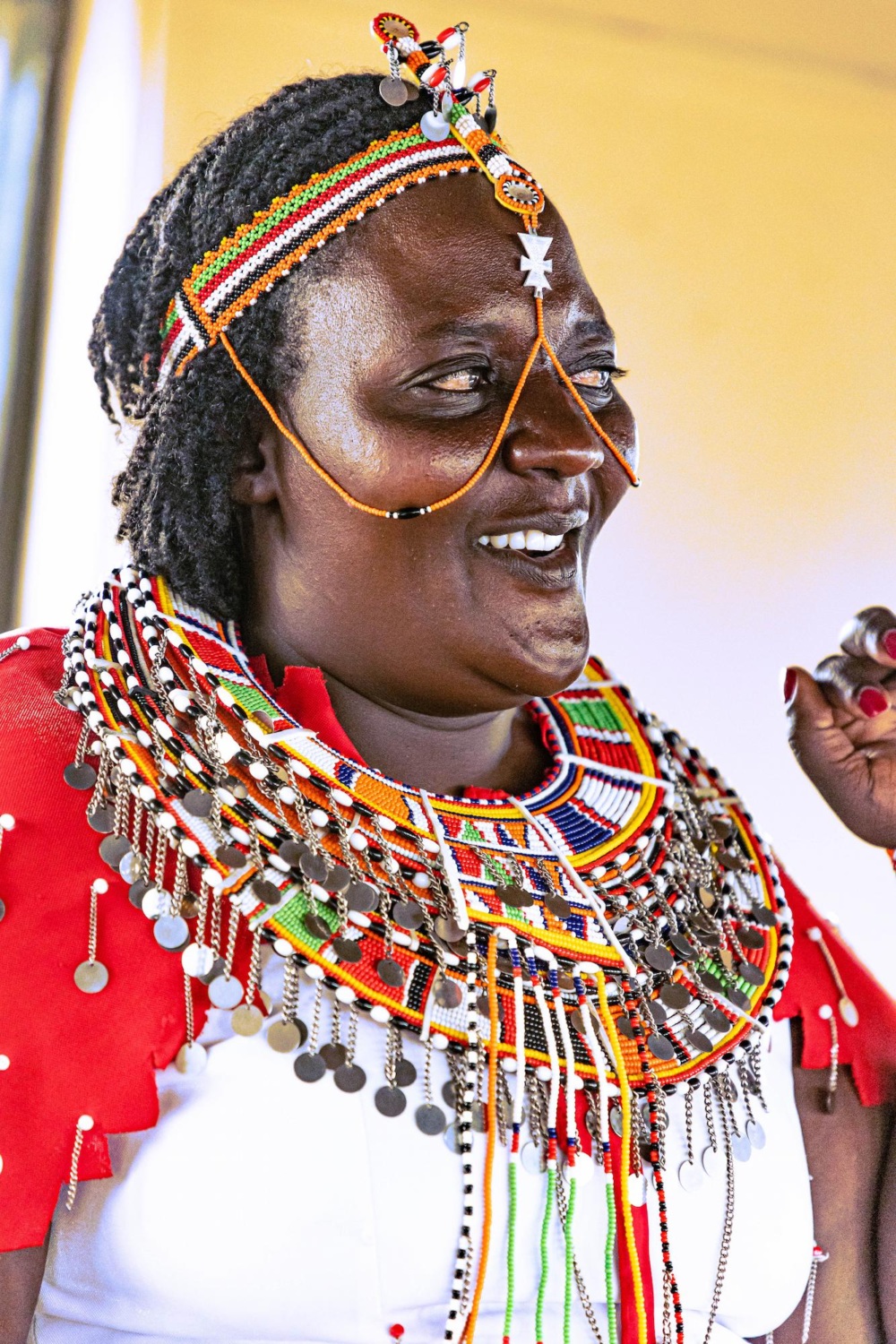
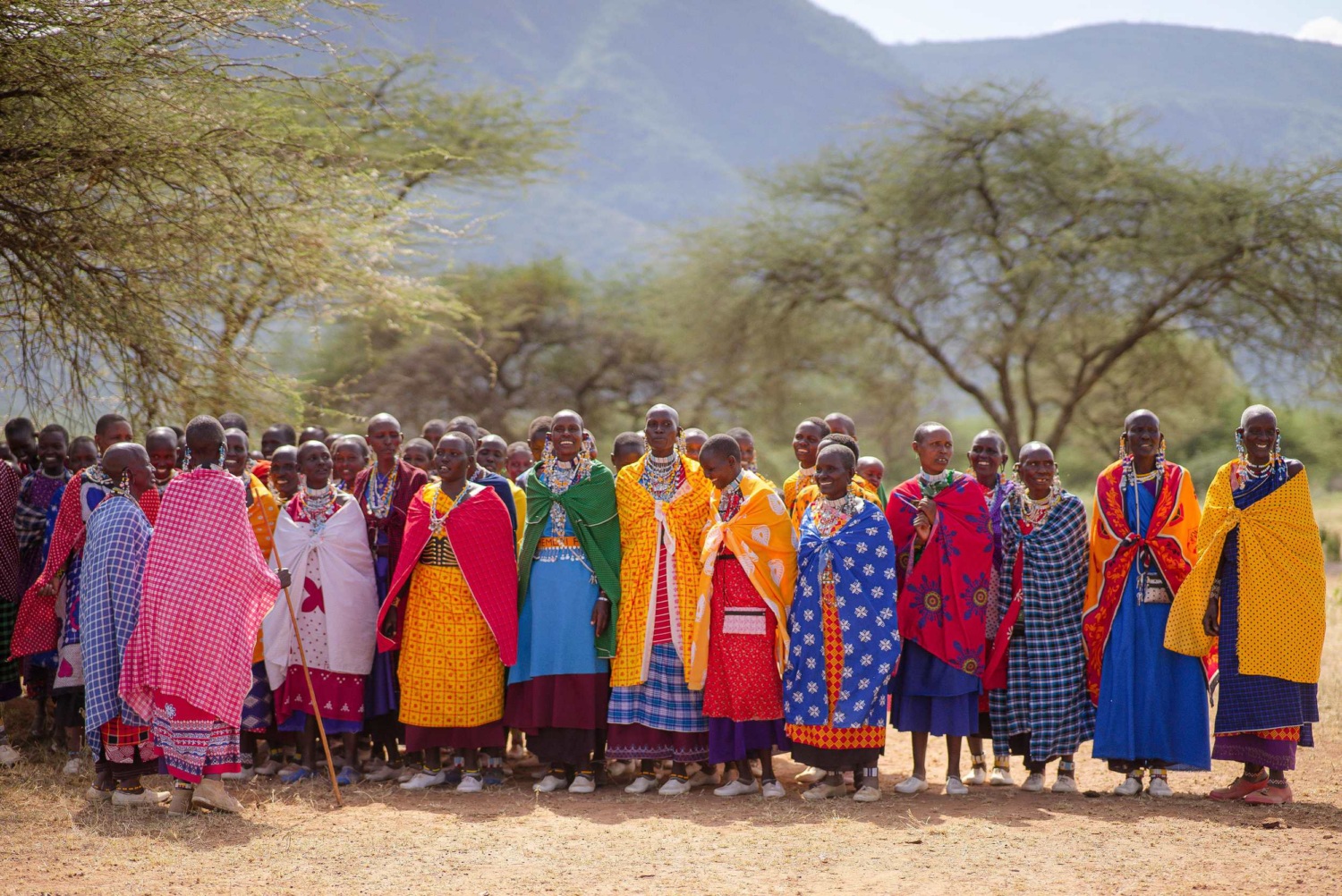
“But now, everyone has water, as much as they need, and the women are settled,” Rafael says with a large smile. “The women are now here, relaxed, dancing and singing, because they don’t have to fetch water.”
UCRT Brings the Solution
A borehole for water had been drilled long ago for this village, but it had ceased producing in 2022.
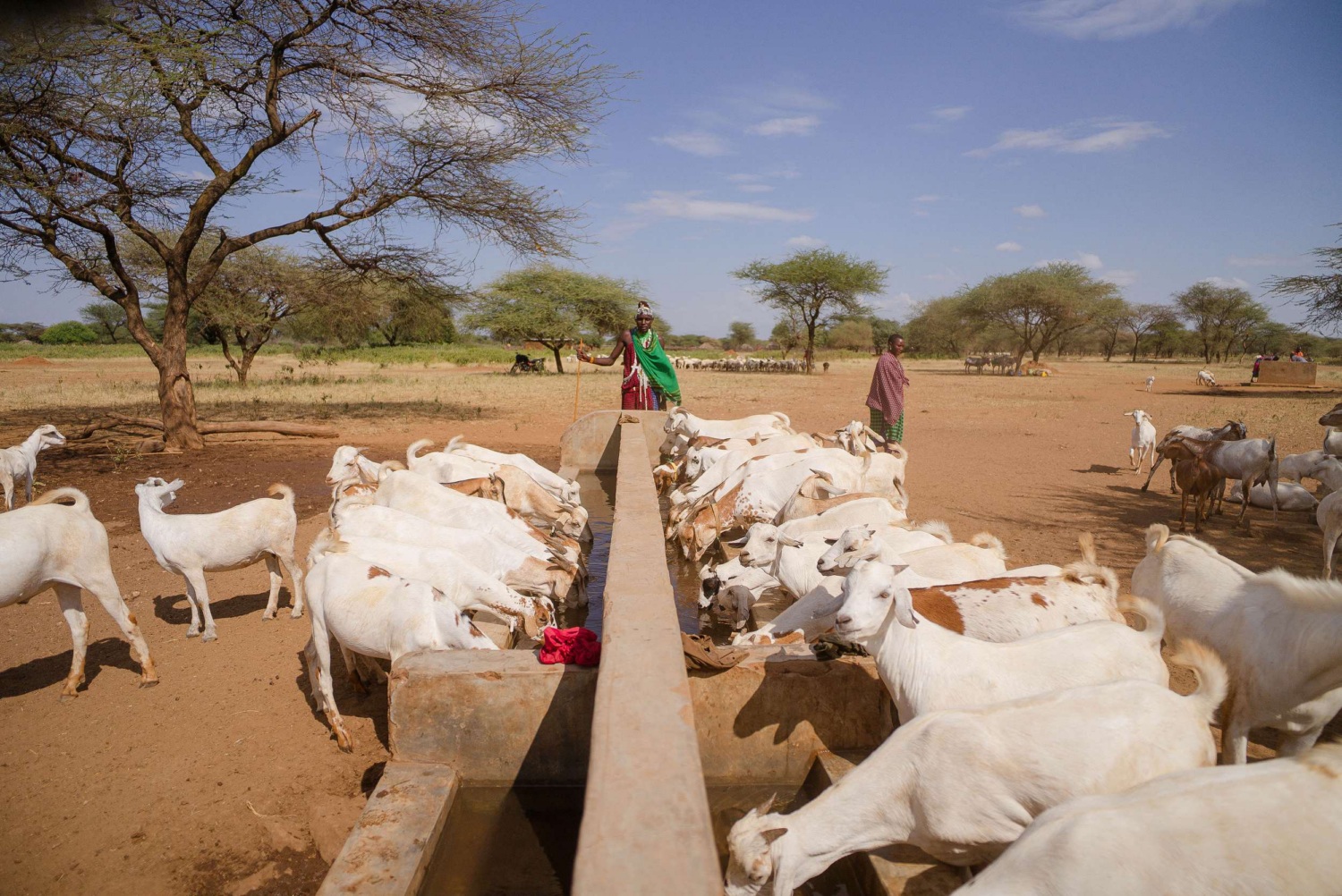
By 2023 the village suffered widespread livestock deaths, and this catastrophe continued into 2024.
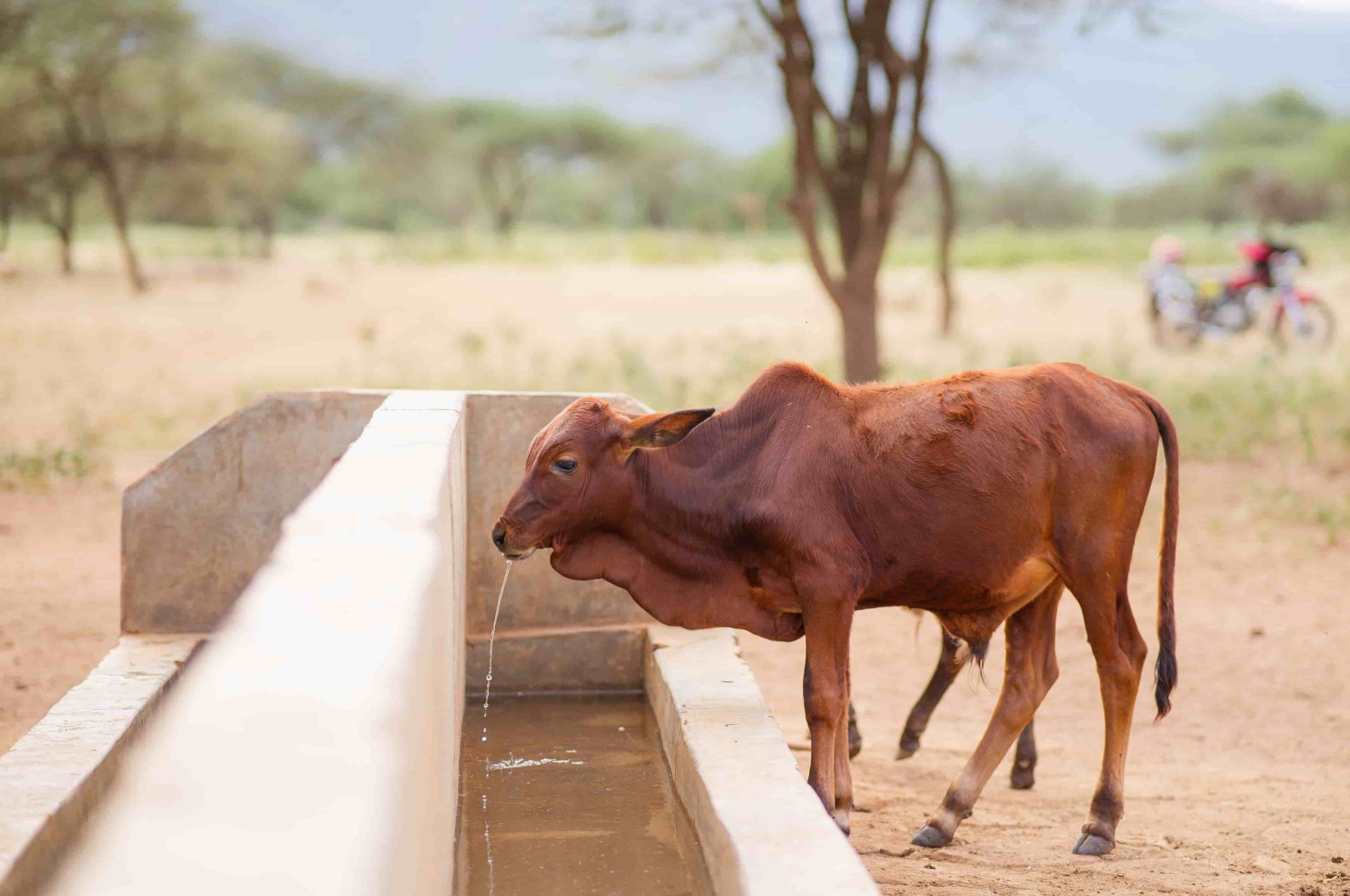
But that year, UCRT rehabilitated the bore hole, and increased the number of water tanks.
By the year 2025, the village was no longer losing any goats, sheep, or cattle.
Now, more water means larger herds of goat, cattle, and sheep, as well as local farming and healthier local rangelands.
These rangelands, when stewarded by pastoralists, sequester between 200-500 kilograms of carbon per hectare, every single year.
Ongoing Challenges
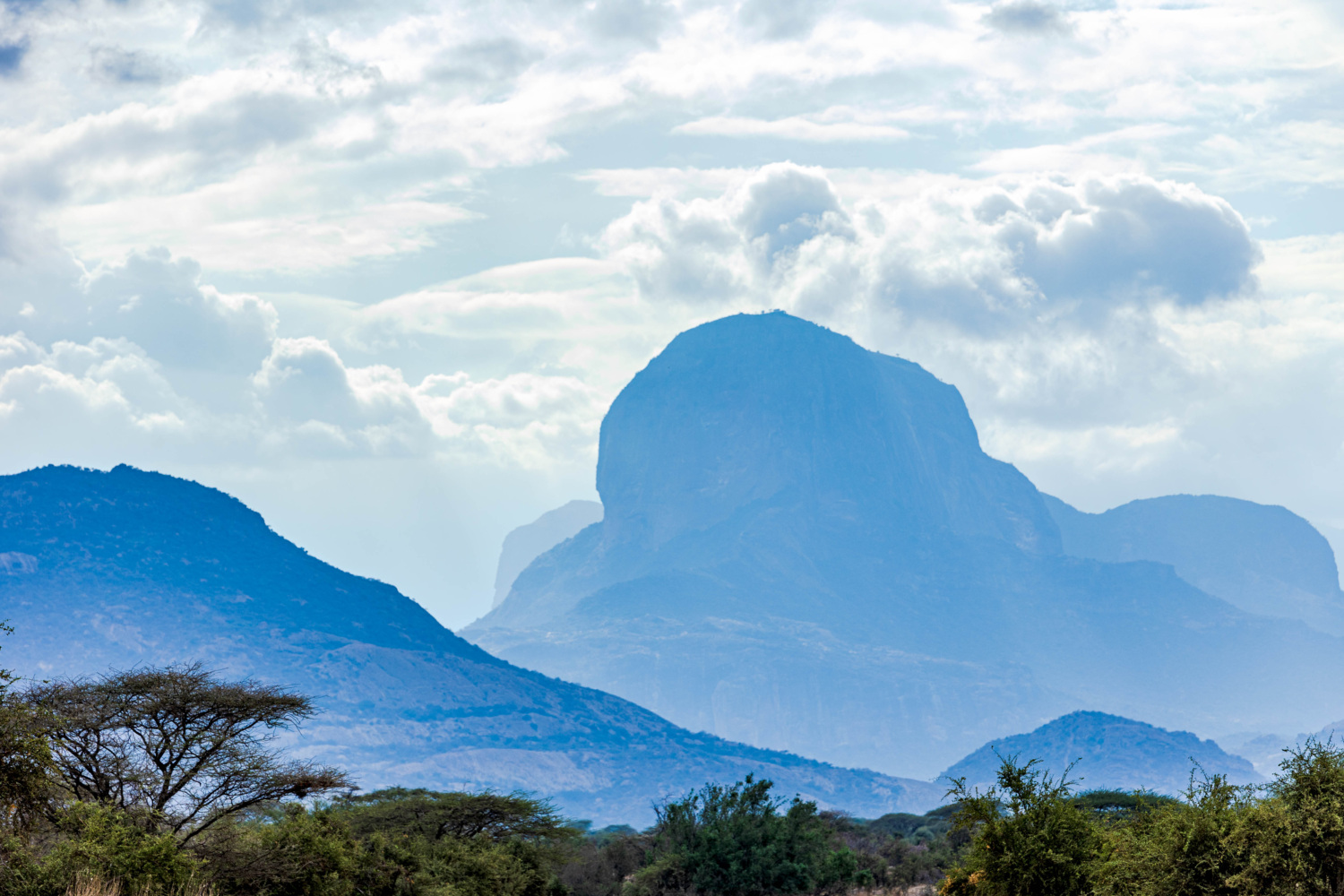
Given the arid nature of the landscape, and the ongoing need for more water projects, other problems persist.
Other nearby villages come to fill their water jugs, dramatically increasing demand and raising the concern of over-taxing the well at Malambo Village. Thus, it’s not just the 1,500 people of Malambo Village using the water, but an additional 3,000 from other nearby villages as well.
Another ever-present problem is elephants. The massive animals have learned that water tanks mean water. They can easily push over unprotected plastic tanks in order to quench their thirst. Thus, the only permanent solution to this is building a more expensive concrete water tank.
Intermittent electricity is another ongoing issue. With sporadic power, the tanks sometimes don’t keep pace with demand.
As with every pastoralist in Tanzania, their community grazing lands face ever-present threats of infringement from the government, private foreign investors, and other entities.
Success Stories
One woman in the village expressed joy at now being able to cook and feed her children anytime she wants, since water is always available.
Another shared plans of growing extra vegetables nearby, with the aim of selling them for income.
“This place used to be referred to as “the place you cannot settle,” another woman explained. “But now the name has changed from struggle to a place of settlement.”
Daniel, a young warrior, explained that he and other young men had to take the village livestock out early in the morning, or late at night, and having to skip meals to do so.
“We had to confront hyenas and lions to do this at the distant water source,” he added. “But now we can sleep, don’t have to go far, and don’t have these problems. This water project has literally saved the lives of warriors and others, as well as reduced conflict.”
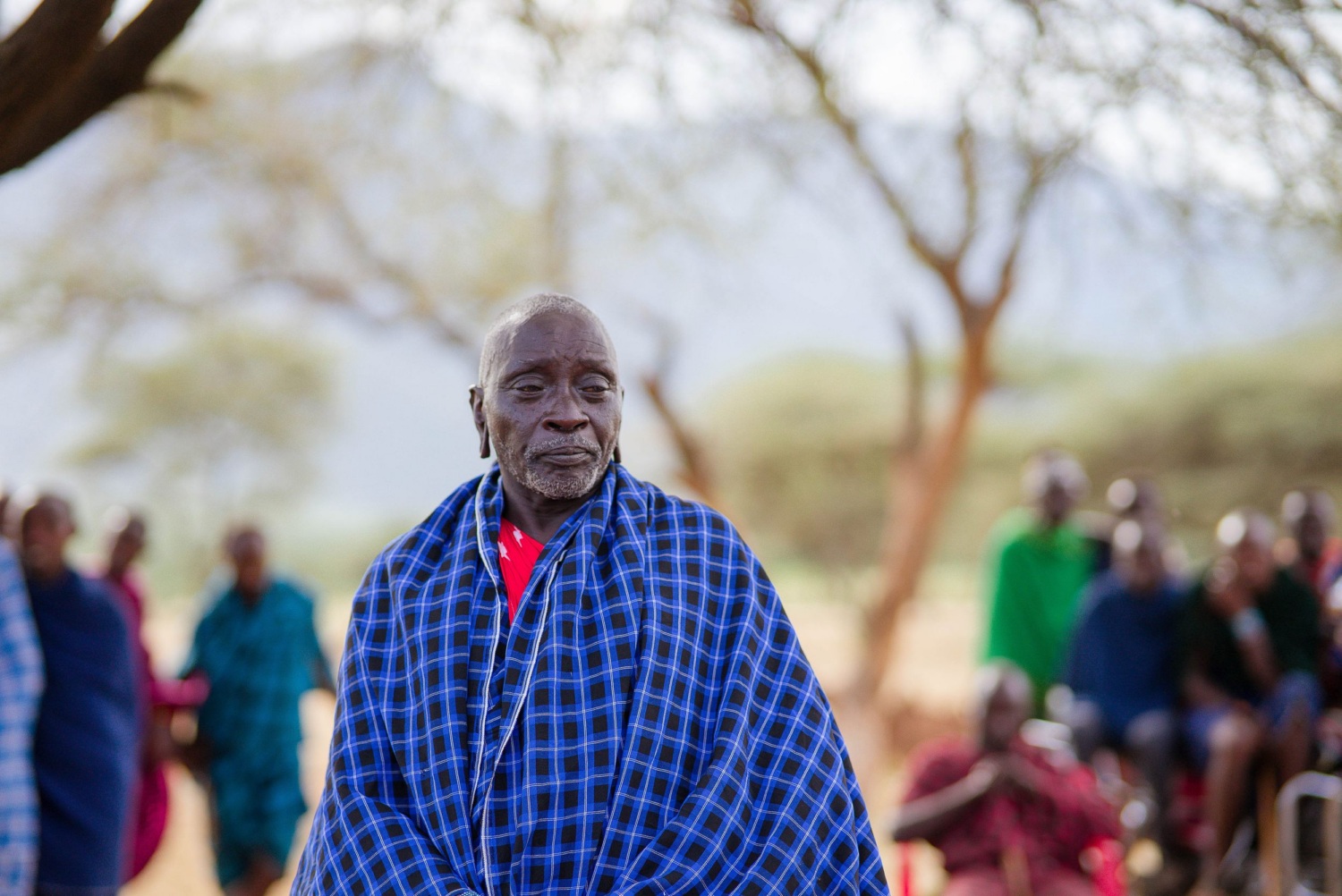
Ole Sukari, a village elder wearing a blue plaid shuka, supported all that was shared during the visit, and thanked Home Planet Fund for its help.
“Thank you, Home Planet Fund, for supporting UCRT to help us,” Rafael added, while holding his arms out towards his fellow villagers.
Given there are five billion hectares of rangeland globally, supporting water access for pastoralists where it is needed most has become a deeply impactful NbS in itself.