Reviving Local Seed Diversity
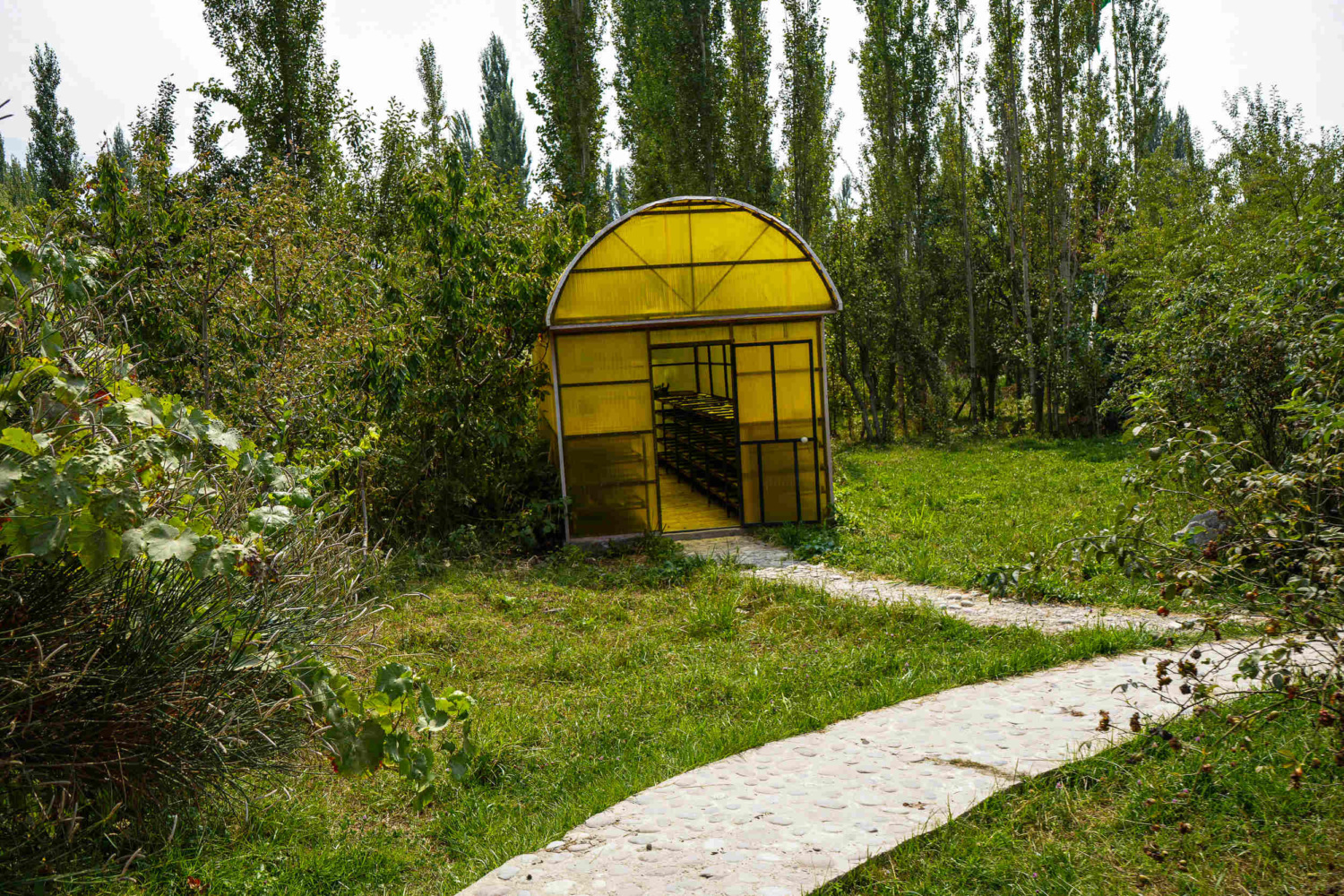
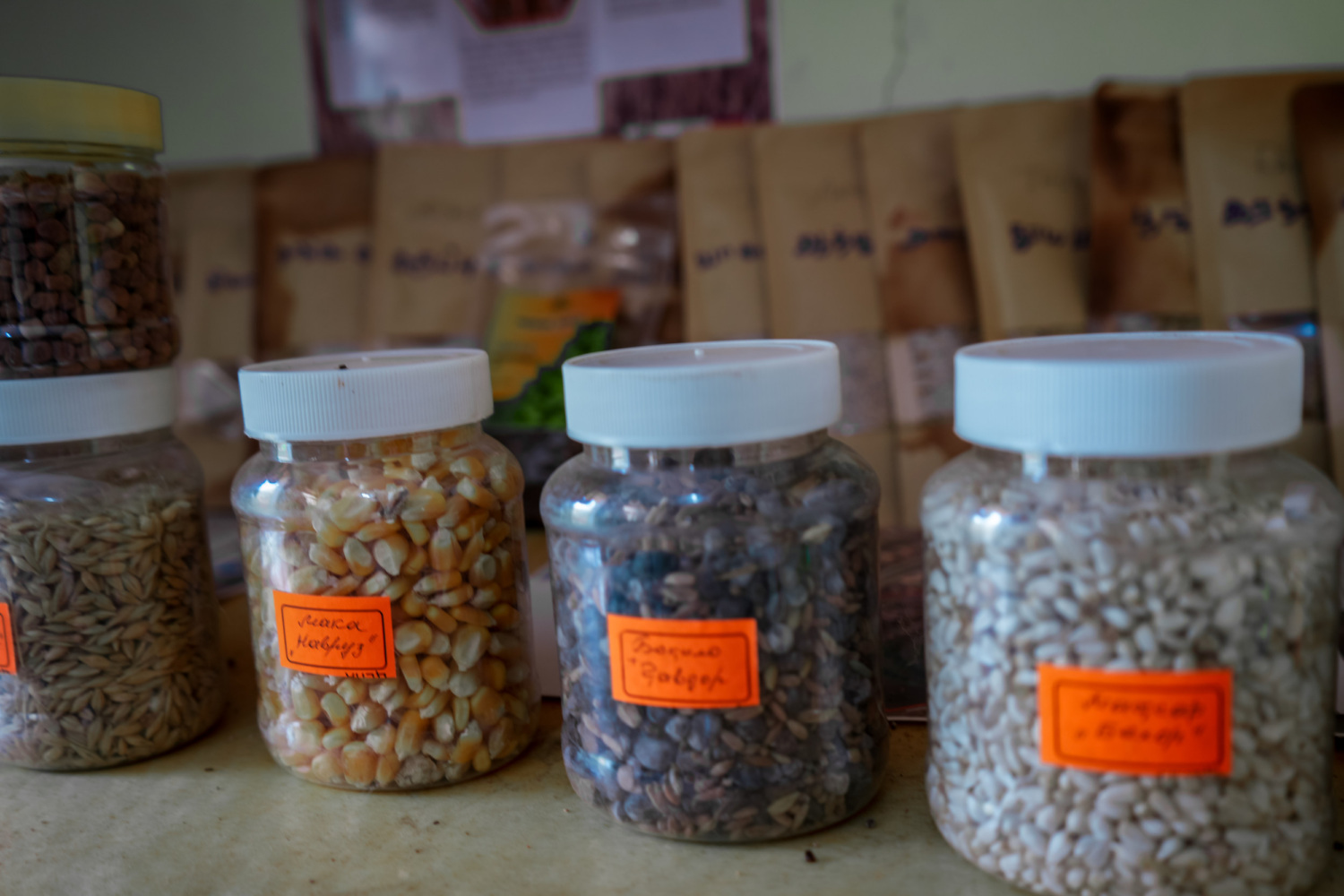
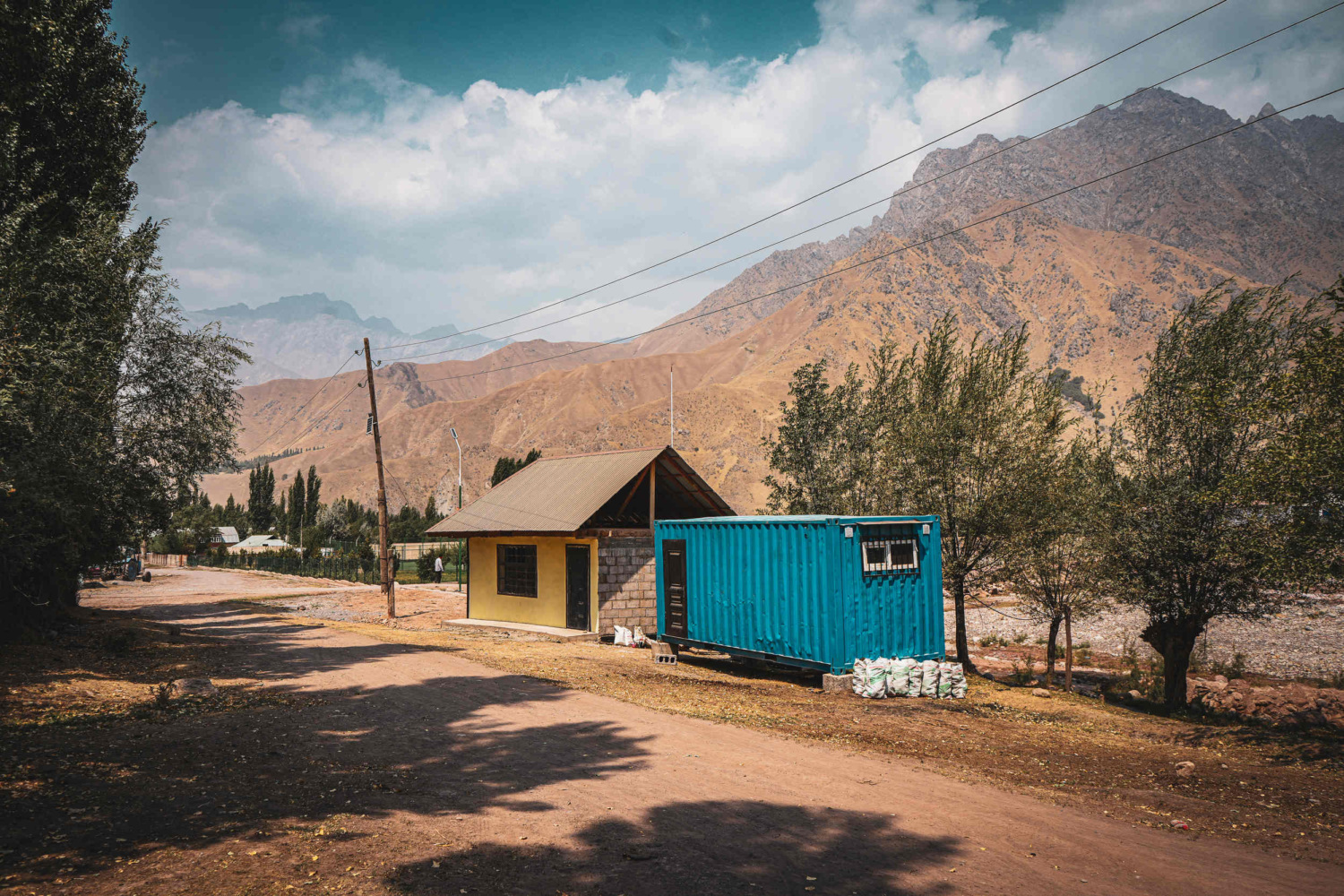
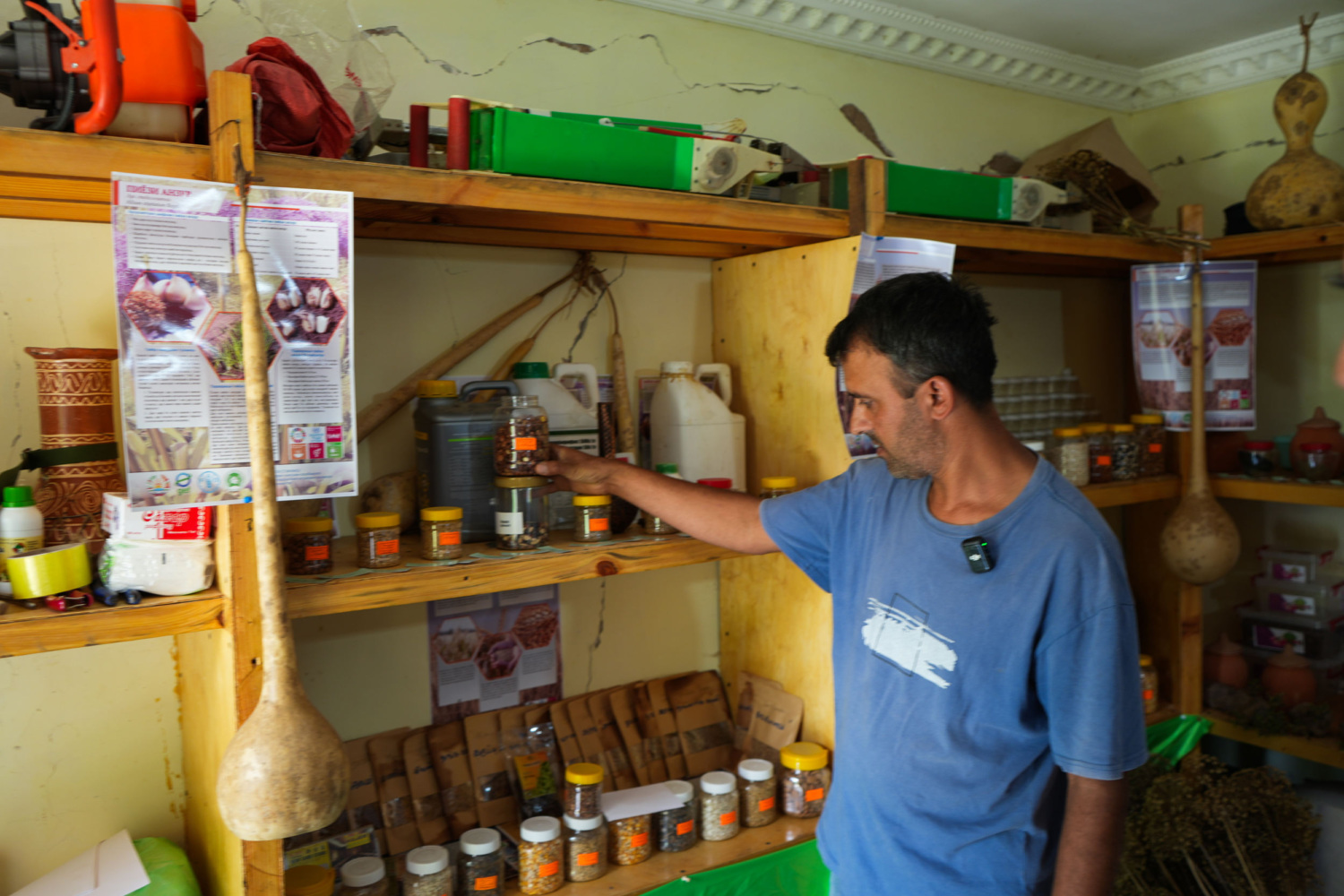
With the support of Home Planet Fund, a community seed bank has been established to protect and restore local crop varieties.
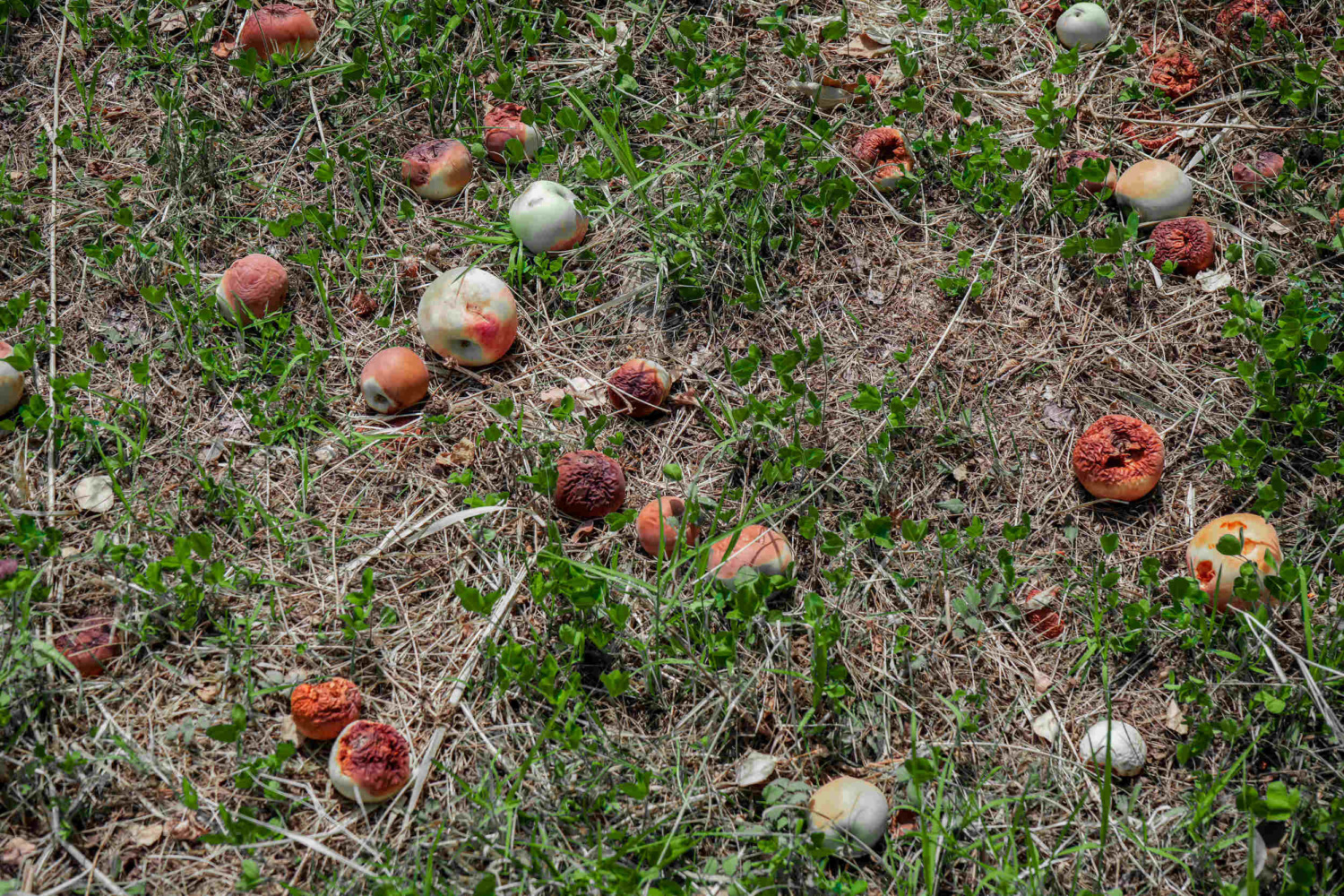
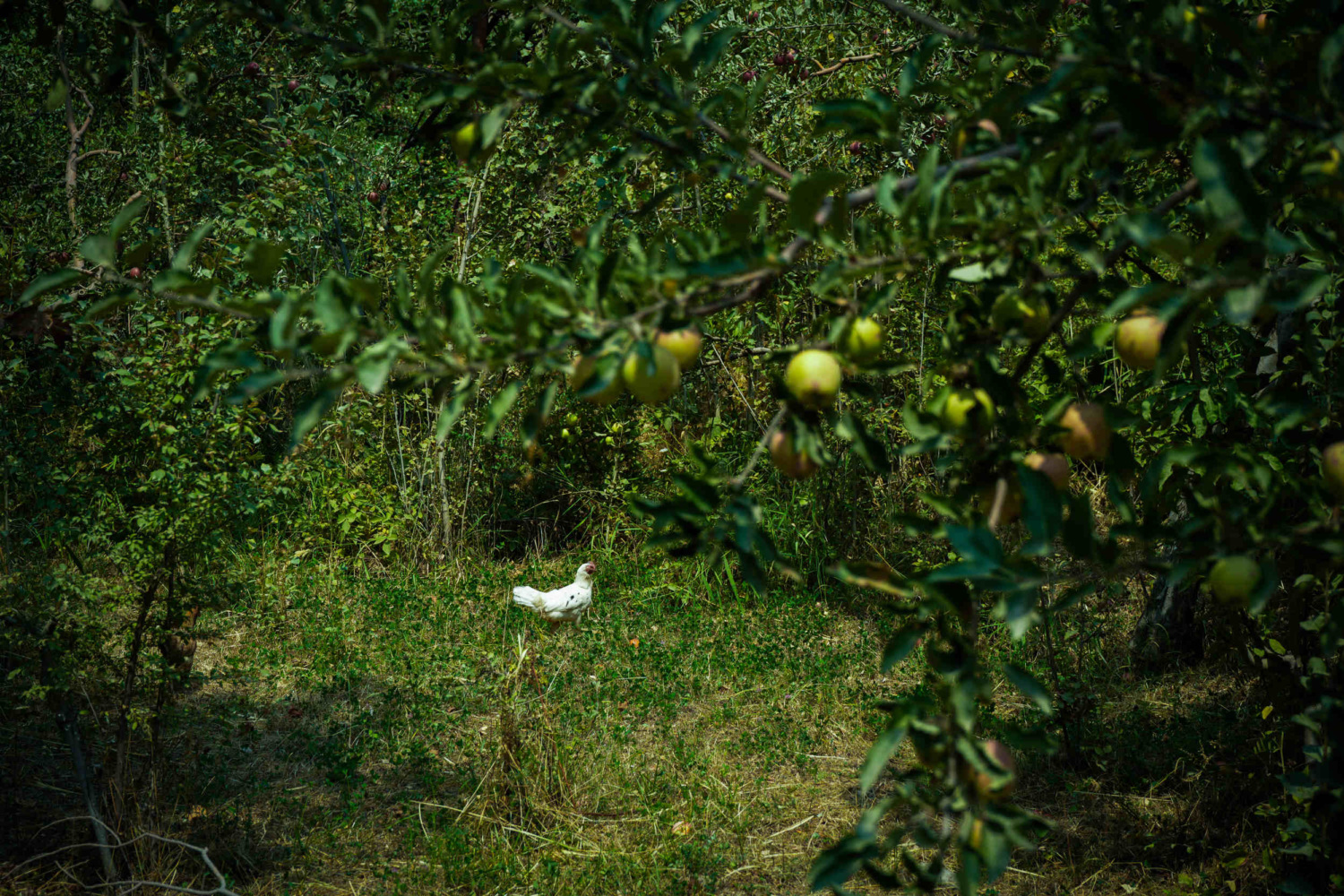
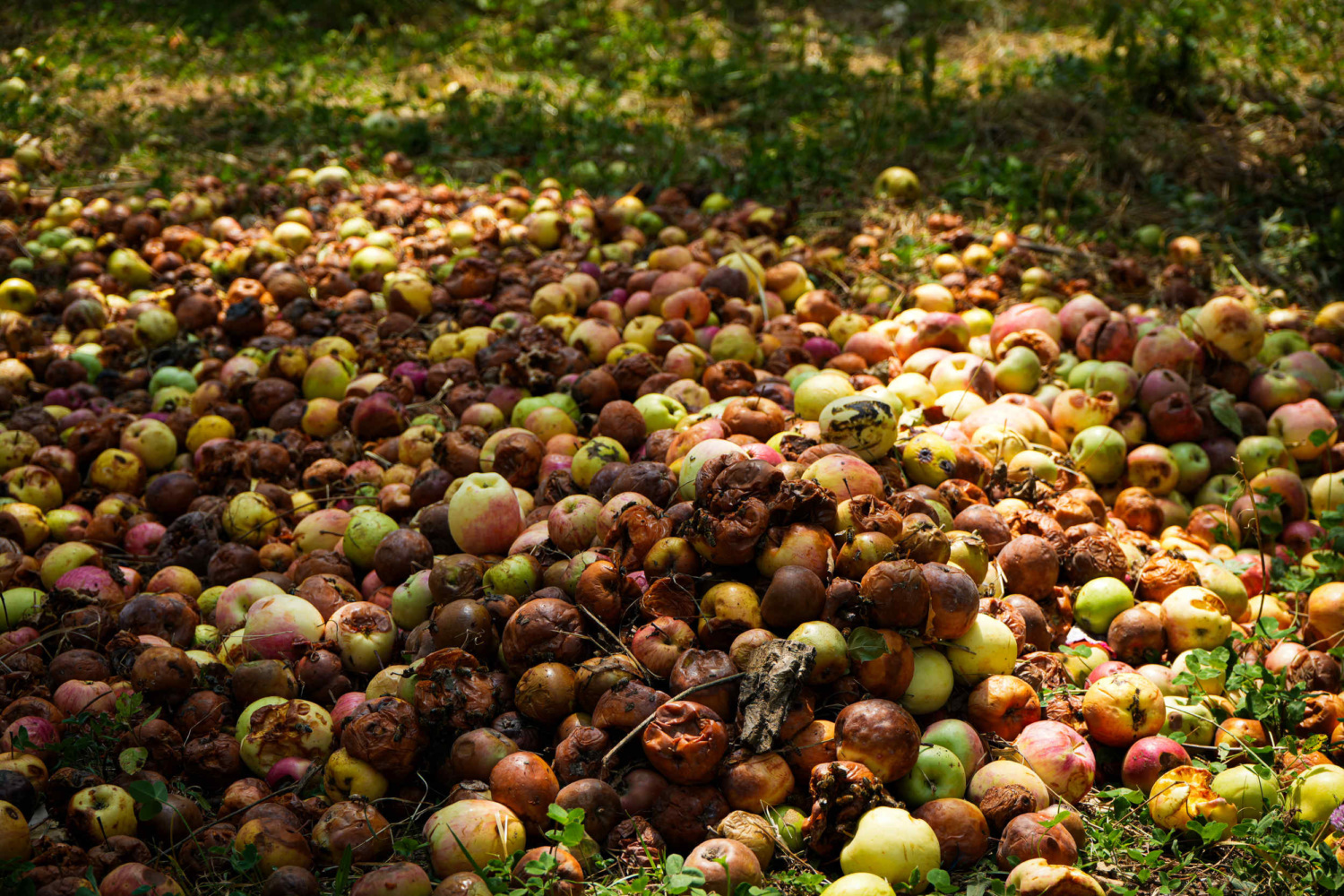
This seed bank focuses especially on traditional apple varieties, many of which were at risk of disappearing. Today, more than sixty local types of apples are being preserved, studied, and cultivated.
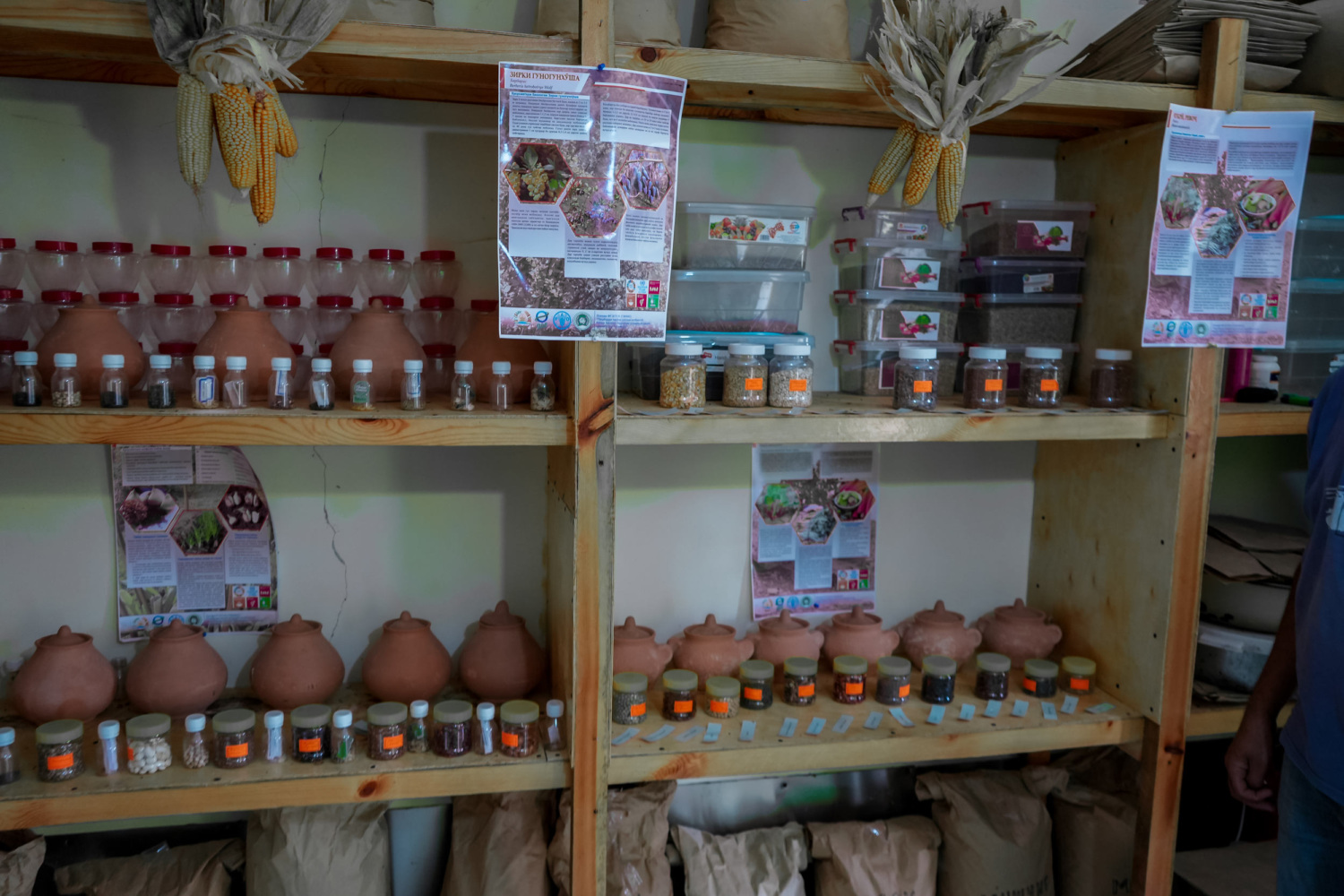
Each variety is carefully documented, including its growth stages, taste, resistance, and characteristics.
“These are local varieties that were disappearing,” our partner explains. “Now we are restoring them and keeping them here.”
The goal is not only preservation but also multiplication, ensuring that these seeds are shared with farmers and remain part of local agriculture.
Strengthening Farmers Through Resilient Seeds
One of the most important roles of the seed bank is to identify and distribute seeds that are resilient.
Farmers face increasing challenges from drought, pests, and plant diseases. By focusing on varieties that are naturally resistant, the seed bank helps improve crop reliability and yields.
“We want to keep seeds that are resistant to drought, disease, and insects,” our partner says.
Farmers receive seeds, grow them, and then return a portion to the seed bank. This allows the system to grow sustainably over time.
This cycle not only strengthens agricultural production but also builds a shared responsibility within the community.
Responding to a Changing Climate
The work of the seed bank is closely tied to environmental realities.
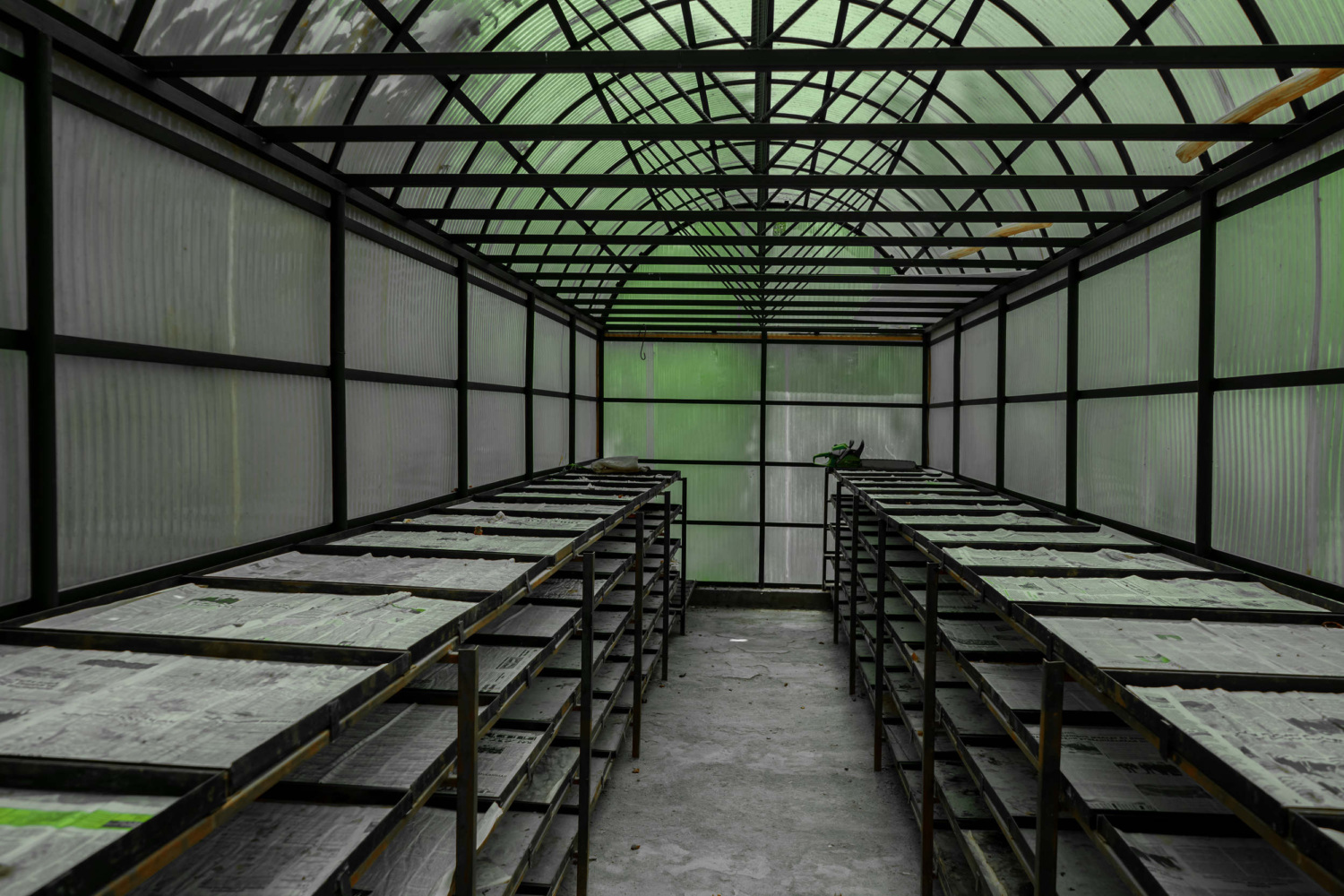
With less rainfall and increasing drought, traditional farming systems are under pressure. Resilient seed varieties help farmers adapt, maintaining productivity even in difficult conditions.
“Water has decreased, springs are drying,” our partner notes, highlighting the urgency of adaptation.
At the same time, preserving diverse crops supports biodiversity and strengthens ecosystems.
When crops can survive with less water and resist disease, they help stabilize both land and livelihoods.
A Vision for the Future
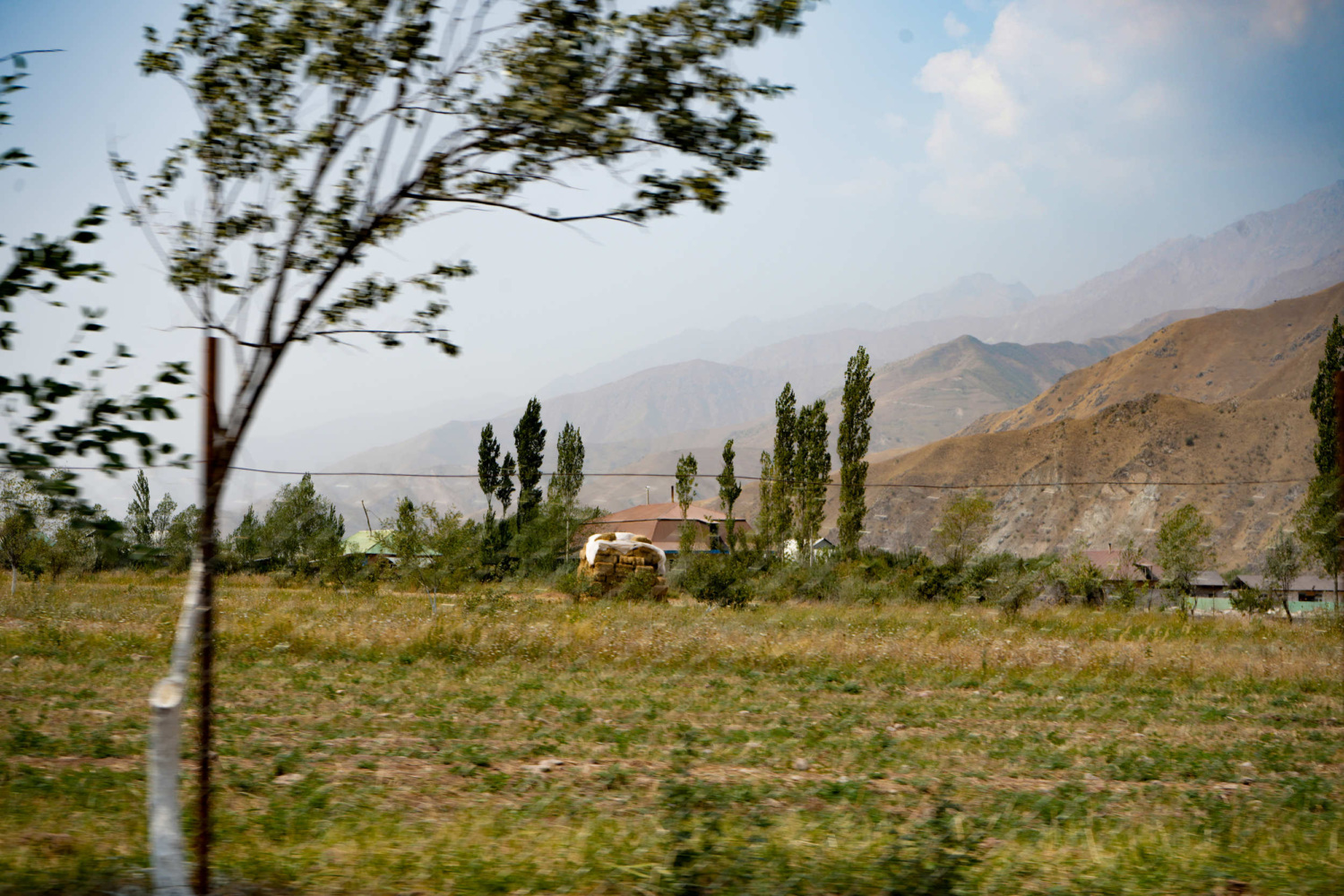
The seed bank is not seen as a finished project, but as a beginning.
The community hopes to expand its reach by creating similar systems in other villages, involving more farmers, and increasing access to resilient seeds.
“Our goal is to expand this so more people can benefit,” our partner explains.
There are still challenges, including the need for better storage materials and infrastructure to protect seeds from pests. But the foundation has been built.
A Relationship Rooted in Nature
For farmers in Gharm, agriculture is not only technical; it is deeply personal.
Our partner shares a lesson passed down from his father:
“If you want to become a true person, work with nature.”
This philosophy reflects a deep understanding: farmers and nature depend on each other. Without one, the other cannot survive.
“Nature without farmers, and farmers without nature…neither can exist alone,” a farmer says.
Supporting What Already Exists
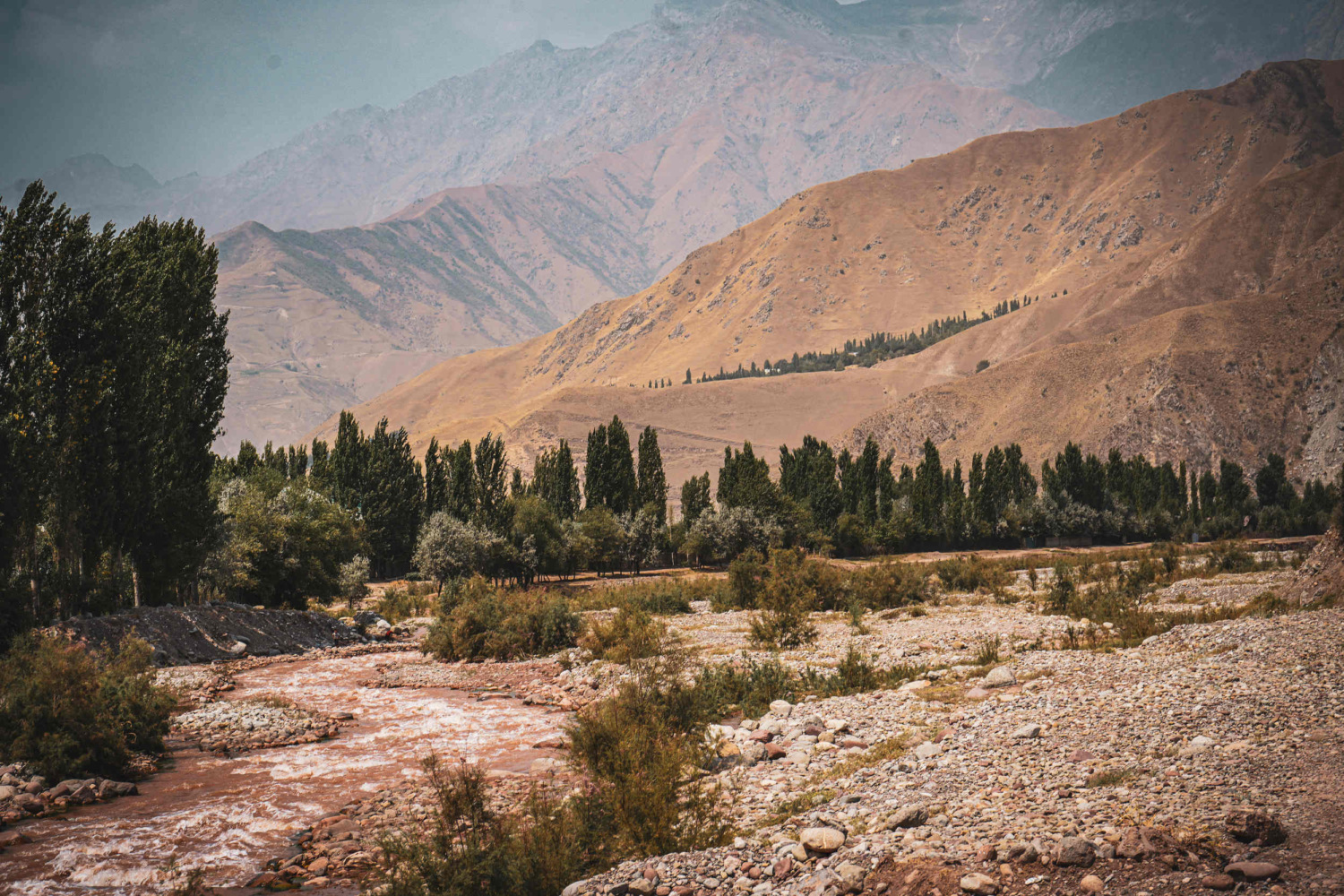
The experience in Gharm district shows the value of supporting local knowledge and systems.
With the support of Home Planet Fund, communities are not starting from nothing. They are strengthening what already exists: traditional seeds, local expertise, and a deep connection to the land.
Through this work, farmers are not only protecting their crops, they are preserving their heritage.
The community seed bank is also a nature-based solution, drawing on the diversity already present in the local landscape to help farmers adapt to changing environmental conditions. By preserving and multiplying traditional varieties that are better suited to local conditions, the project helps maintain agricultural biodiversity while giving farmers access to crops that may be more resilient to drought, pests, and disease. Rather than replacing local knowledge and natural systems, this approach strengthens what the community already has and helps carry it into the future.
And in doing so, they are building resilience for generations to come.
Note: For security reasons, people in this article are kept anonymous.