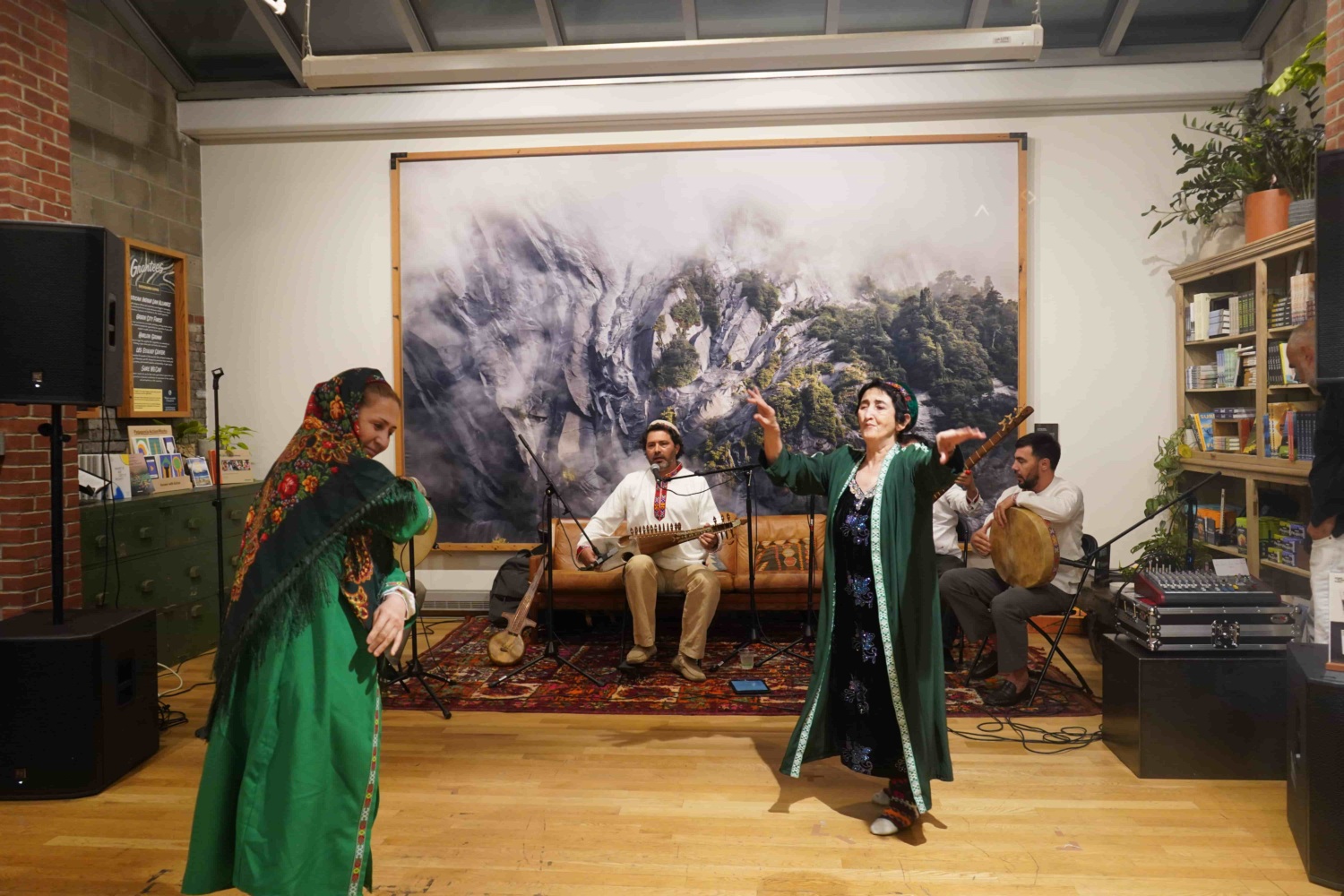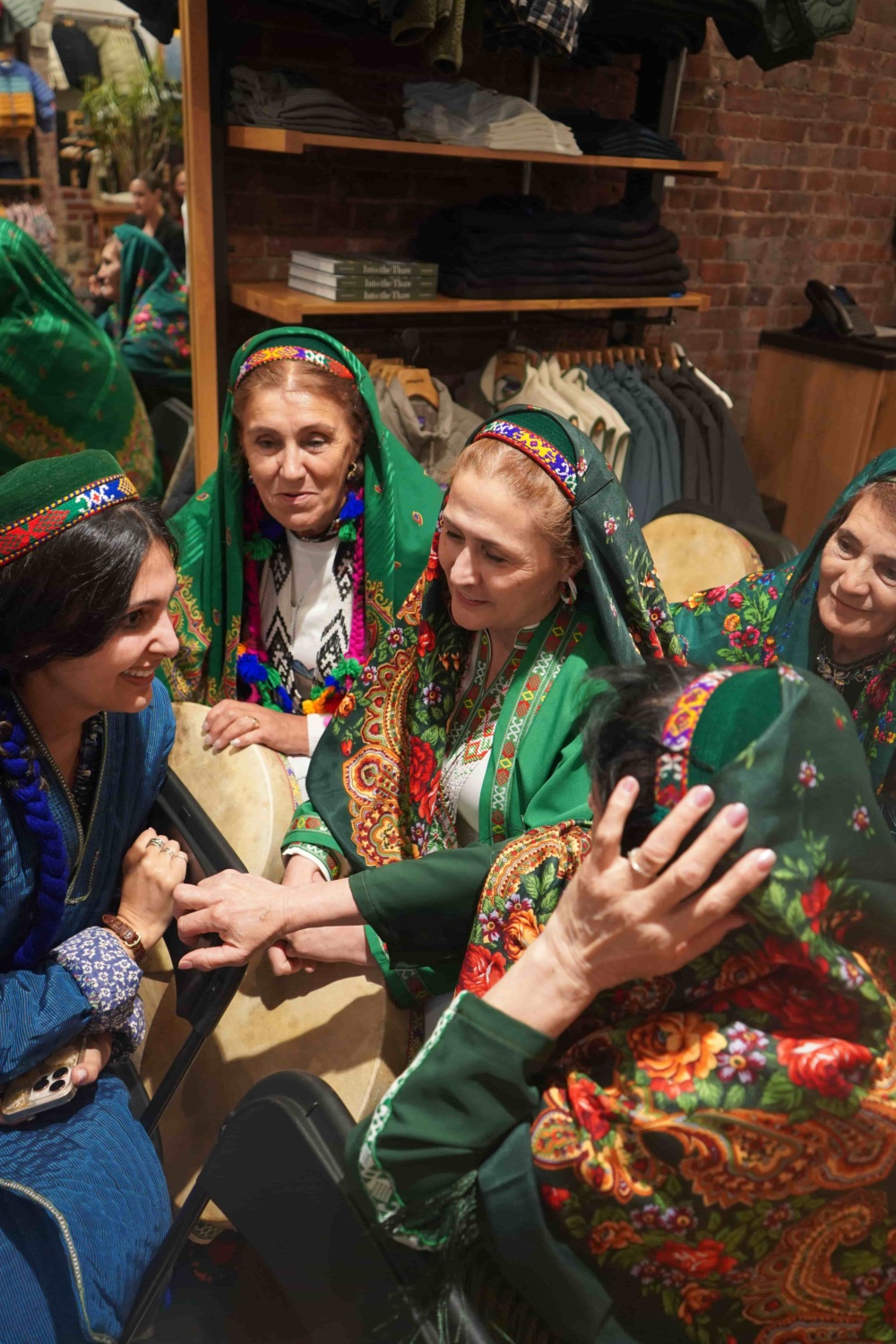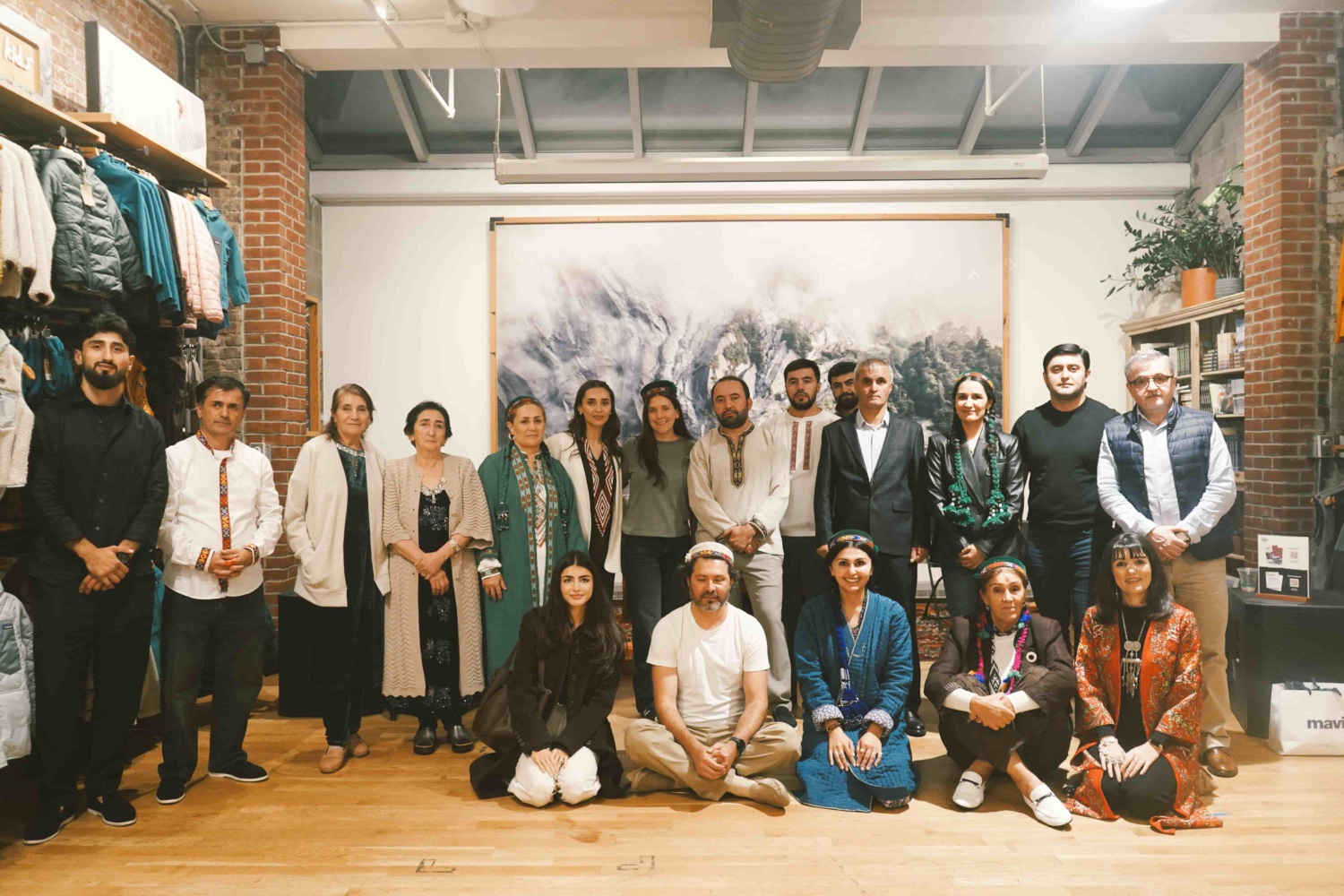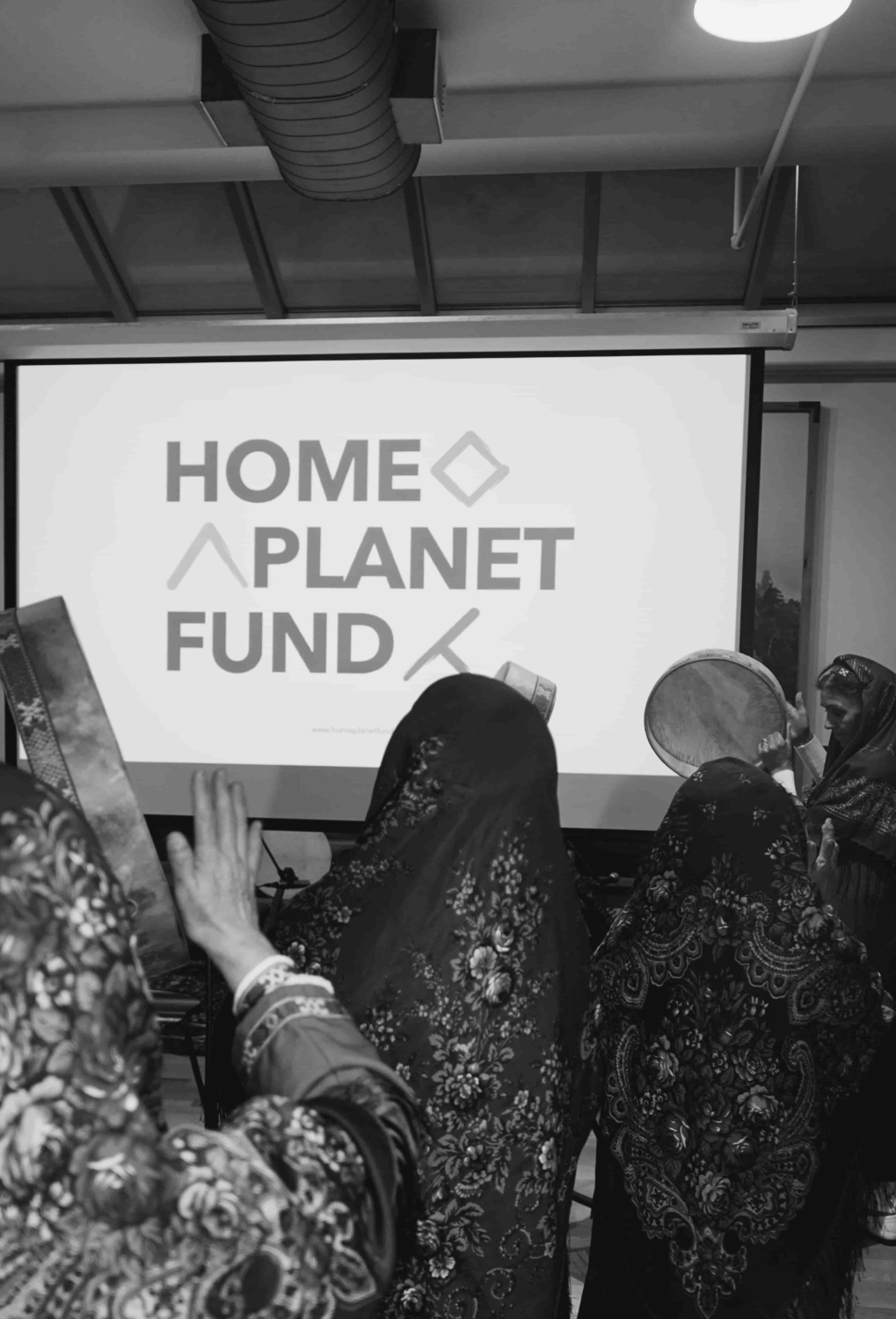
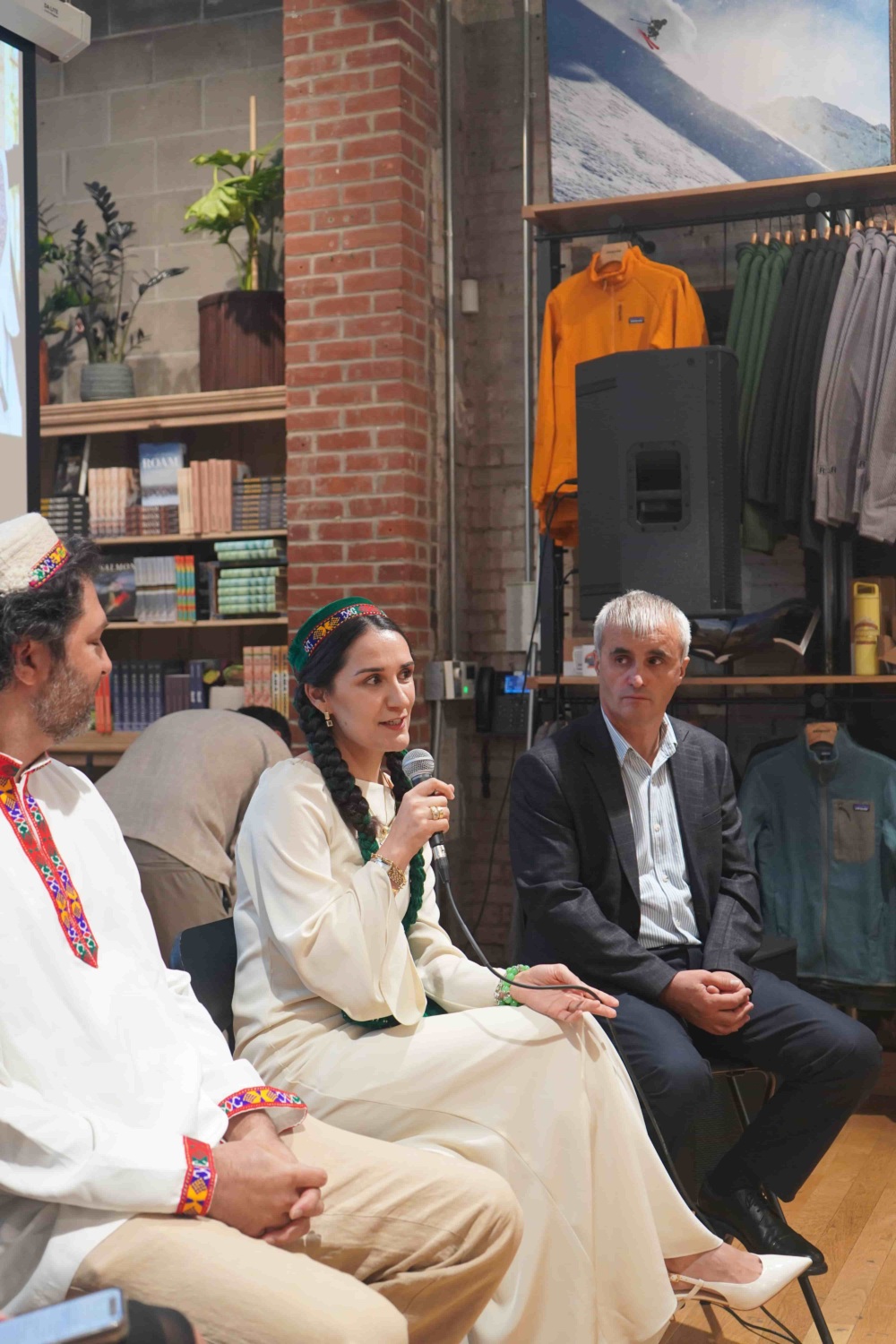
View the full welcome ceremony and panel discussion at Home Planet Fund's special event at the Patagonia store in SoHo, New York City.
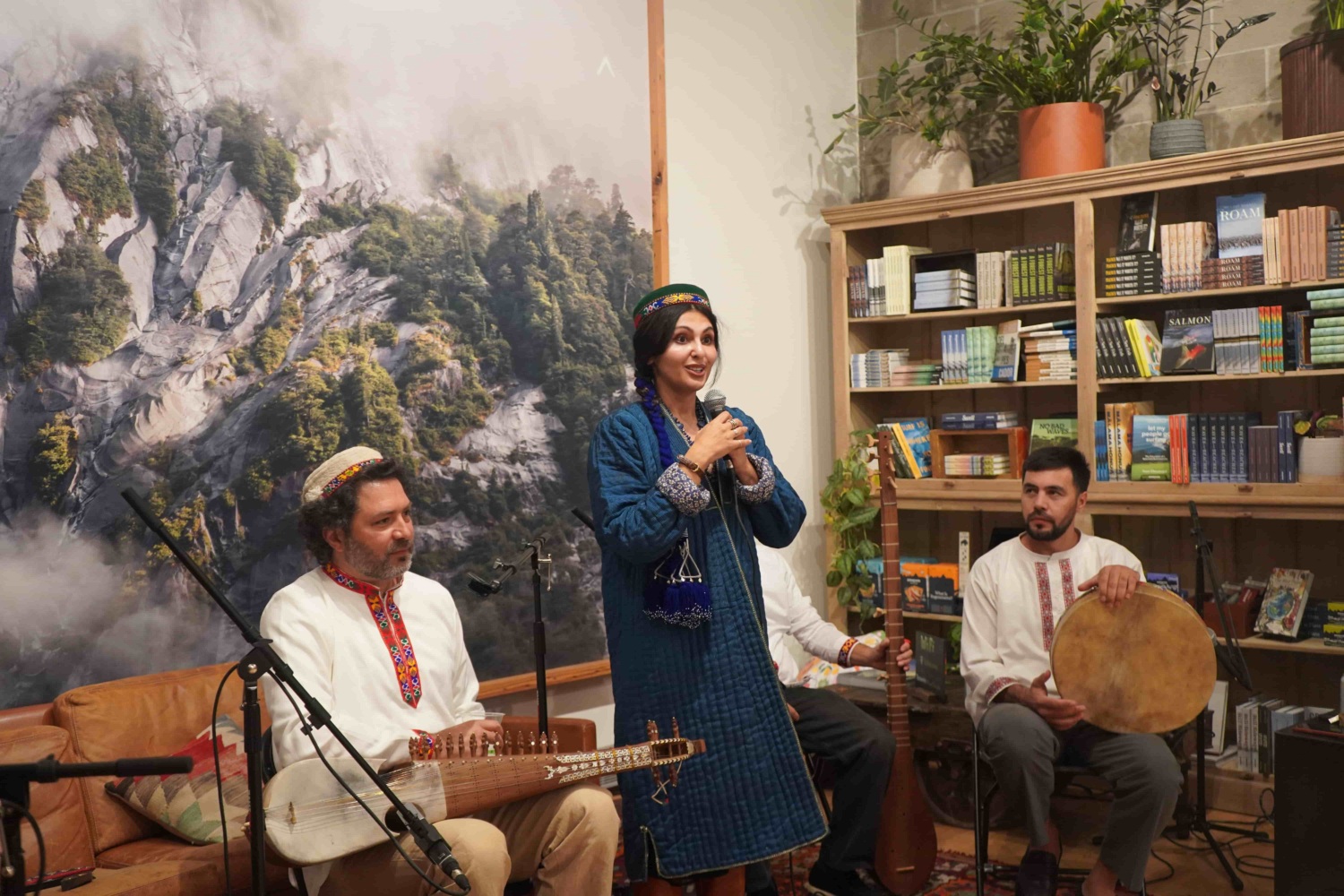
After Pamiri traditional drummers welcomed everyone to the event, Maruf Noyoft, a Badakhshani musician, vocalist and filmmaker offered a traditional water blessing.
Rano Abutrobova would offer a plant from home. She explained how it marks important moments in the Pamir Mountains through cleansing, blessing, and welcome. Then she invited the audience to pass it around, to touch it, see it, and smell a piece of the place she brought to share on this very special occasion.
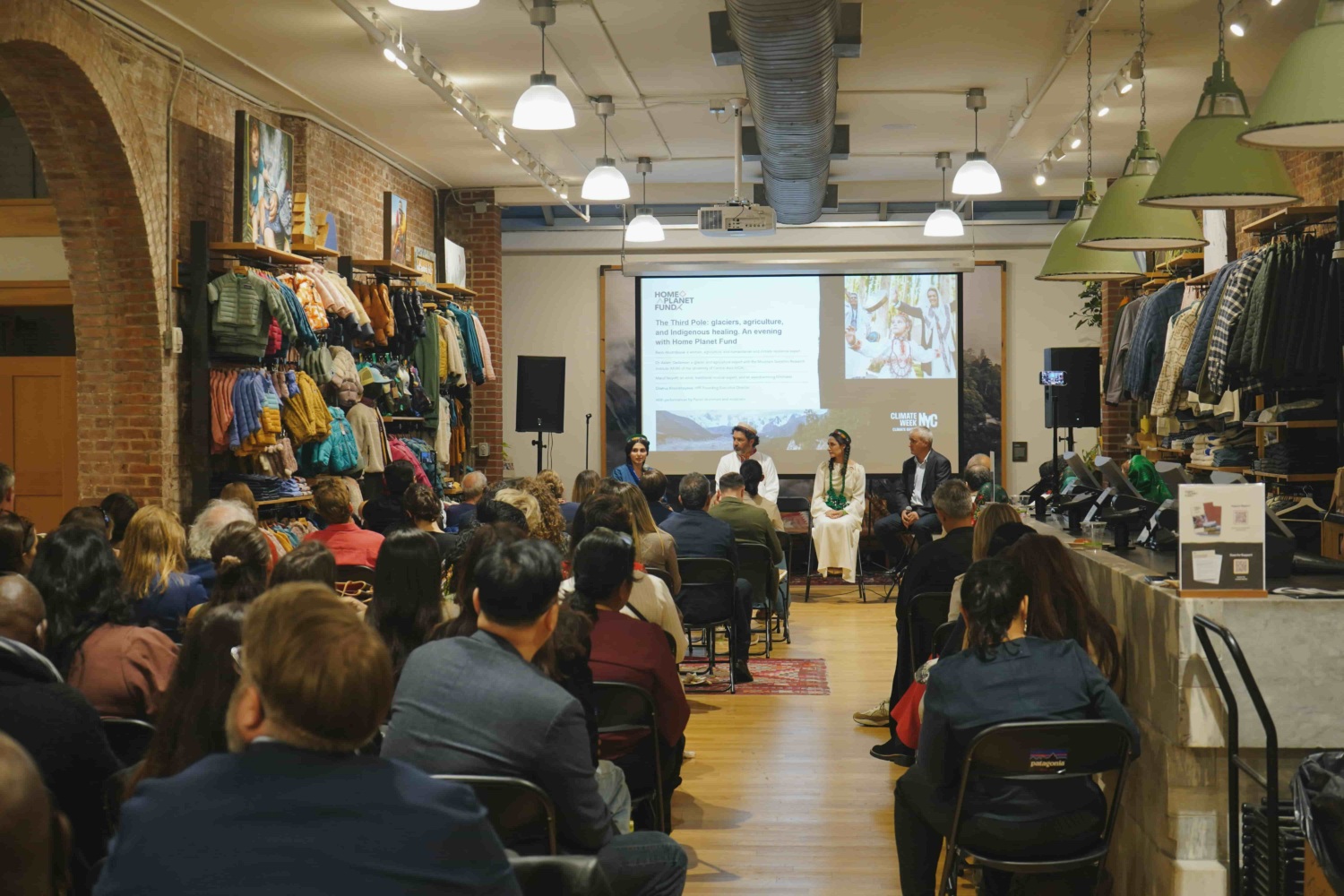
These traditional and heartfelt welcomes reflected the spirit of our gathering at Patagonia SoHo in New York on September 23, 2026. During Climate Week NYC, Home Planet Fund brought together people whose knowledge of the Pamirs comes through research, daily life, and generations of deep cultural practice.
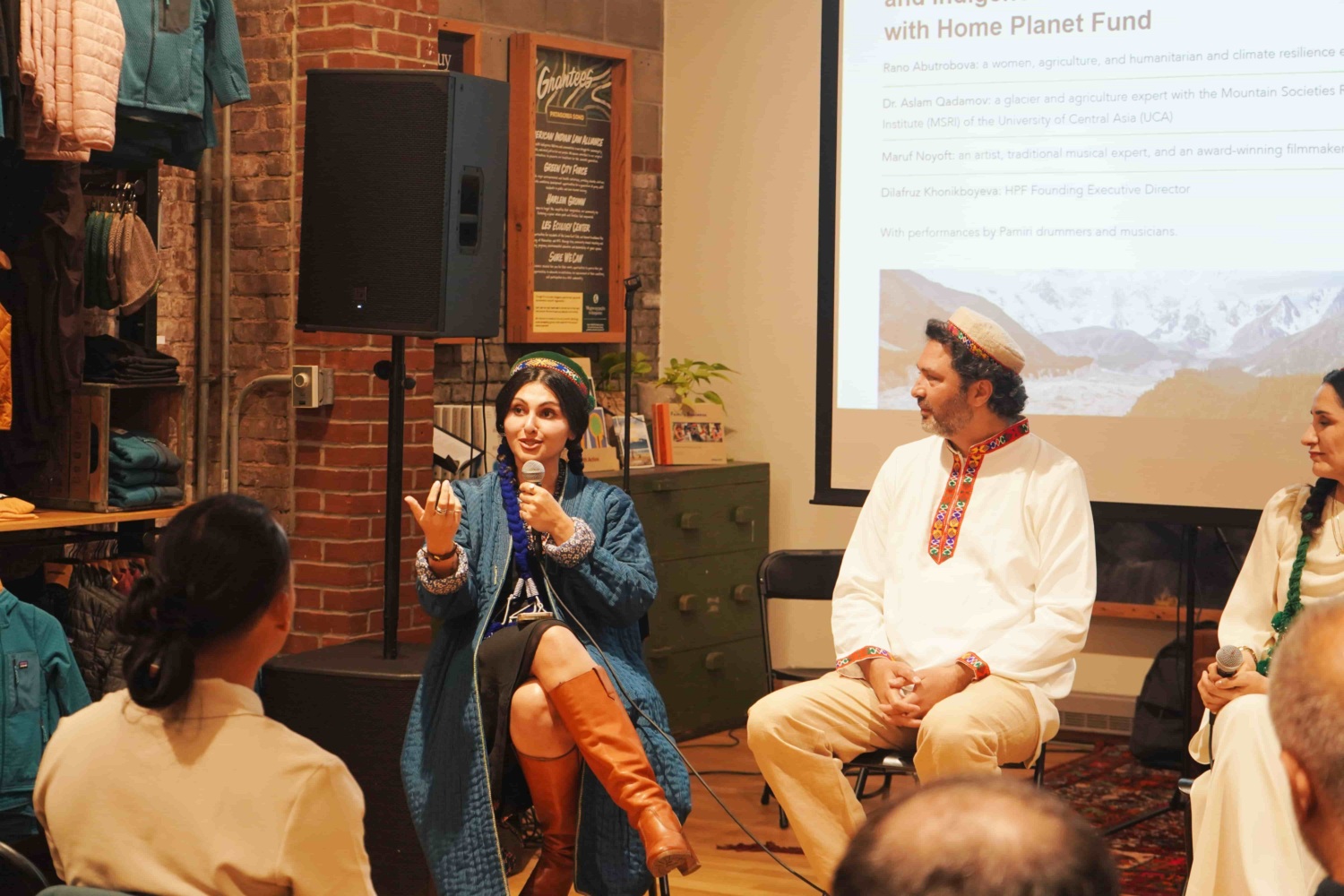
Our Founding Executive Director, Dilafruz Khonikboyeva, moderated the conversation. She was joined by Rano, a Pamiri projects and grants professional; Dr. Aslam Qadamov, a researcher at the University of Central Asia; and expert traditional musician Maruf Noyoft.
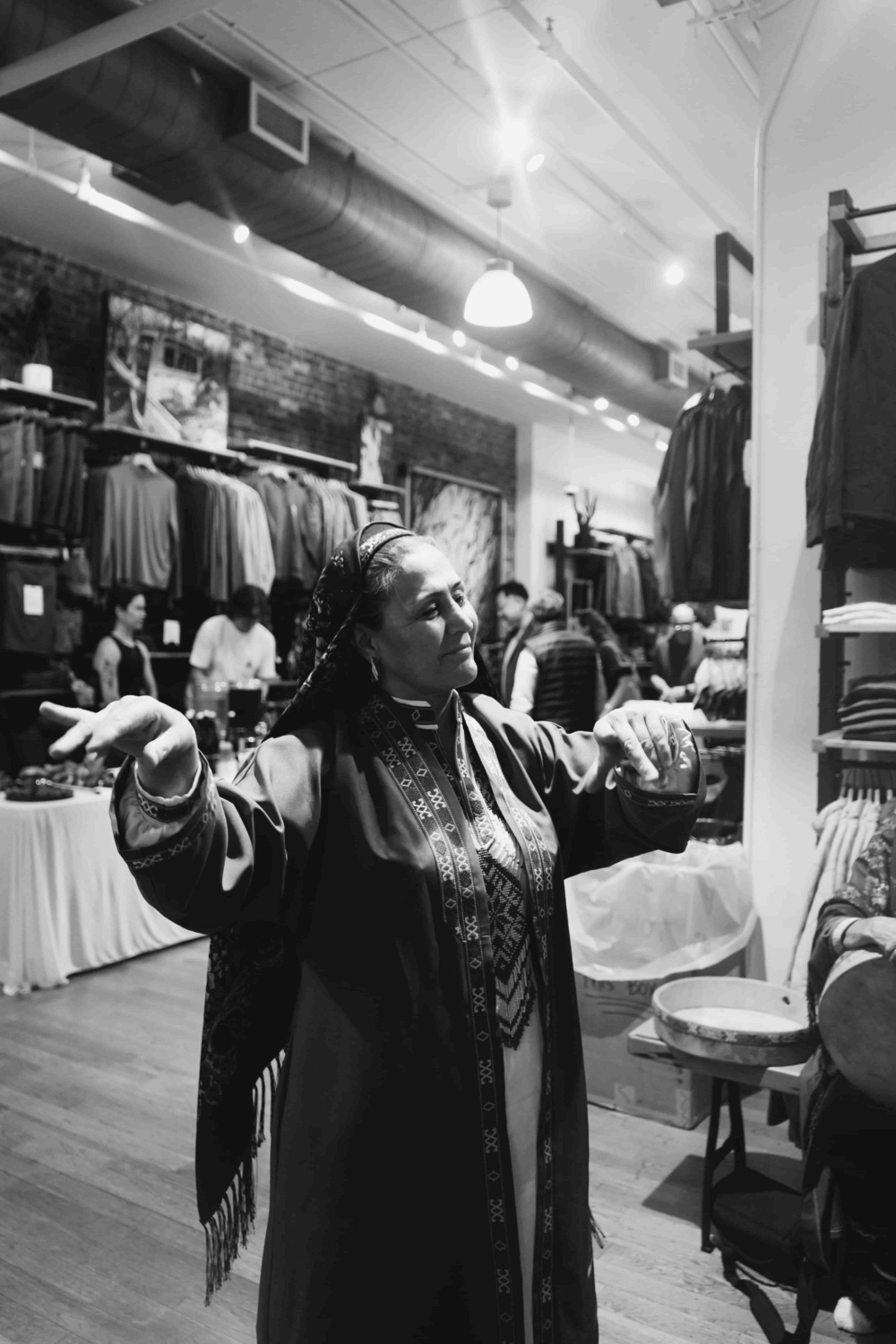
Dilafruz had wanted to share something of her homeland with people who might never have visited it. The welcome acknowledged women drummers from Pamir, and she encouraged guests to enjoy the food and dried fruit provided. Alongside the science, she wanted guests to encounter the people and culture of the region.
The conversation that followed kept returning to water. It moved from glaciers to fields, from a lost orchard to a grandfather’s advice, and from the needs of one household to the responsibilities shared across a watershed that impacts the entire globe.
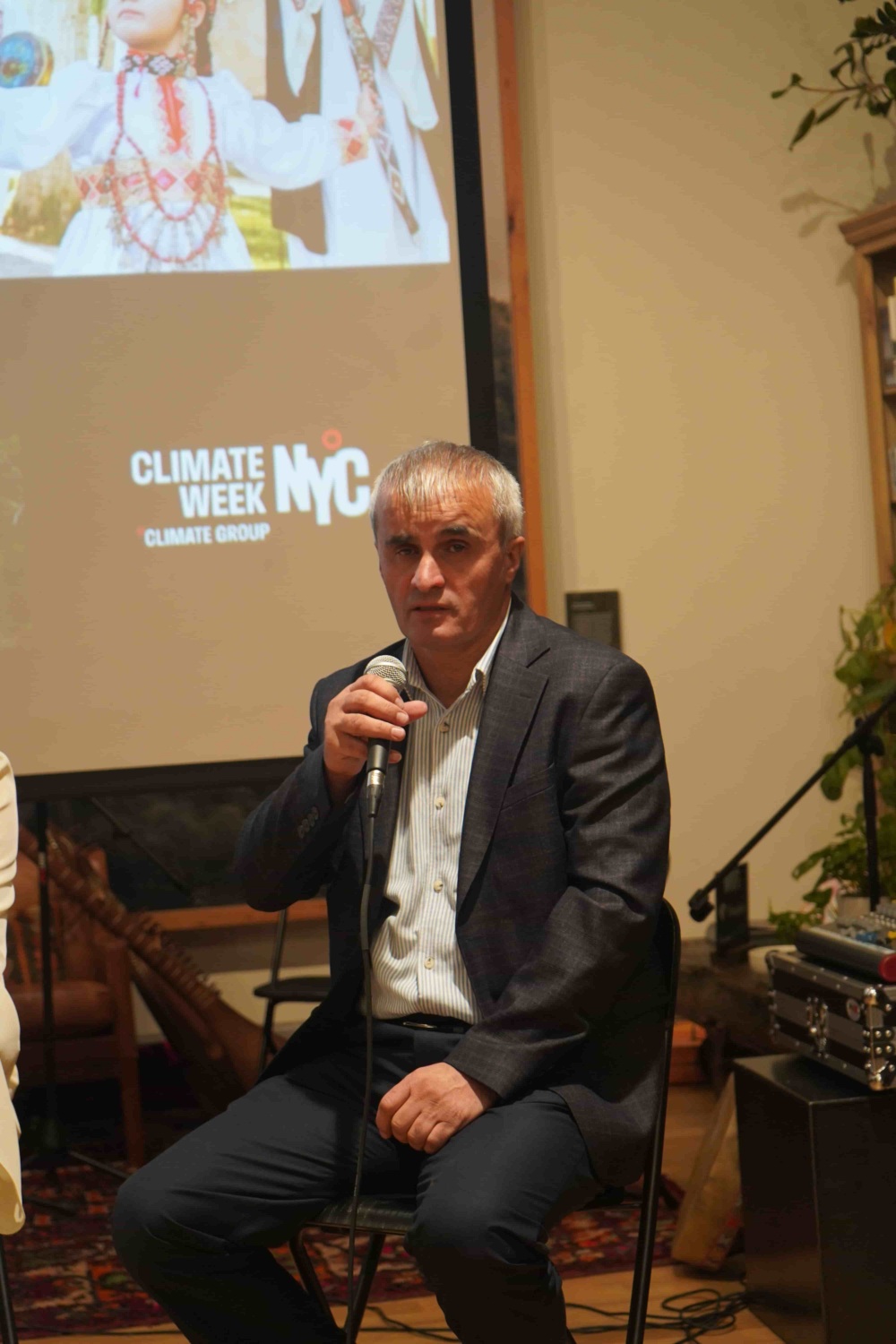
Indigenous people are living in the Third Pole, and the livelihood of these peoples, is directly depend on the water coming from the glaciers and snow. Unfortunately, during the last decades, because of the climate change, the situation has changed. And those glaciers that formed thousands years ago in this region, they are shrinking and retreating.Dr. Aslam Qadamov
What the glaciers mean for daily life
The Pamir Mountains form part of the high mountain region known as the Third Pole. Its glaciers, snow, and frozen ground are critically important sources of water. The discussion reached across mountain regions in Tajikistan, Afghanistan, Pakistan, India, and China, and the many communities whose lives are connected to these waters.
Dr. Qadamov, a Research Fellow at the Mountain Societies Research Institute of the University of Central Asia, and partner with Home Planet Fund, described changes he has studied in the Pamirs. Glaciers are retreating. Less snowfall is also putting water supplies under pressure. Melting ice does not necessarily mean that families have more water when they need it, and that two billion people across Asia rely on this region for their water.
For mountain communities, these changes affect drinking water, farming, and energy production. A change in the timing or amount of water can affect a planting season and the food a household can grow. Dilafruz also reminded the audience that these waters support ecosystems and communities far beyond the mountains. She drew attention to the region’s place in wider weather patterns and its rich plant and animal life.
A local pattern that needs careful study
Dr. Qadamov also explained the Karakoram anomaly. In that region, researchers have observed glaciers that have remained relatively stable while glaciers elsewhere have lost ice. He described summer temperatures and precipitation as important parts of the explanation.
He was careful about what this means for the Pamirs. Conditions differ across the region, and Pamir glaciers are still retreating. He also noted evidence that the Karakoram anomaly may be weakening. An unusual local pattern does not promise lasting protection from a changing climate.
The panel discussed questions about trees, land use, and local cooling. Dilafruz asked how traditional care of the land might relate to conditions around glaciers. Understanding that connection calls for further research.
Home Planet Fund’s partnership with Dr. Qadamov and the University of Central Asia provides a way to keep asking these questions. Research and the experience of people living in the mountains both have a place in understanding what is changing.
Indigenous Knowledge
Rano described Indigenous knowledge through the decisions people make each day. Families learn when snow is likely to melt, when to plant, and which crops can survive at different heights. They watch the land because their food and water depend on understanding it. In introducing Rano, Dilafruz also highlighted heritage wheat as part of the conversation about crops suited to mountain conditions.
Dr. Qadamov gave examples of this close observation. Farmers notice seasonal signs that help them adjust planting calendars and prepare for changes in water availability. He also described practical responses already taking place.
At higher elevations, where frost can damage crops even in summer, some farmers have turned to perennial grasses such as alfalfa and shifted toward livestock. In other places, communities facing limited water have moved toward growing fruit trees. These are local choices made in response to local conditions.
He also spoke about the limits of what communities can do with the resources available to them. Local efforts matter, and people need support as conditions become harder to predict.
For Rano, scientific research and lived observation offer different kinds of evidence. Research can show changes across a large area. People living in a place can explain what those changes mean for their fields, homes, and water schedules. Bringing that knowledge together can help people make better decisions.
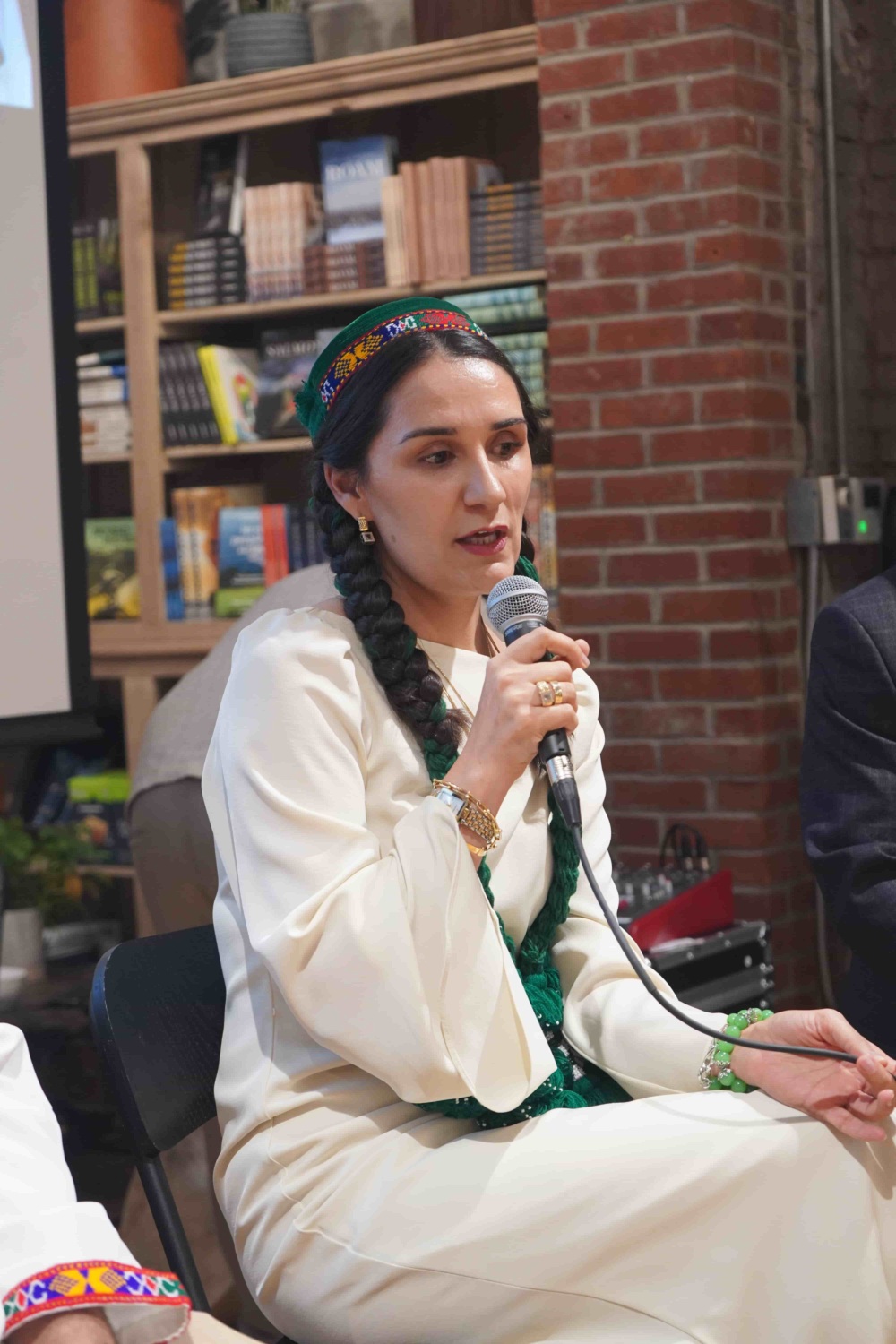
Indigenous and local communities have to contribute to climate conversations like this. So the idea is responsibility and the idea of reciprocity. I believe when we are talking about preservation of the glaciers in the Third Pole. Science cannot do it alone. Community cannot do it alone. And governments also cannot do it alone.Rano Abutrobova
The responsibility that comes with water
Water requires people to work together. Rano described the person responsible for directing water into a community and arranging irrigation times for neighboring households. A shared water supply depends on care, coordination, and trust.
Maruf offered another account of responsibility. He described an older marriage tradition in which a trusted person would bring water from a spring or from the place where a glacier melted. The person was chosen for honesty. Bringing the water meant taking responsibility for its source and purity.
Rano explained how seeing a river as part of family and community life changes the questions people ask. Alongside what water can provide, there is a responsibility to keep it clean and care for it. That responsibility connects one generation with the next.
Dilafruz extended the point downstream. People living near the source of water have a responsibility to others who receive it later. Care for a watershed reaches beyond the boundaries of a single village.
Women belong where decisions are made
Rano spoke about the knowledge women hold in Pamiri households and communities. It includes seeds, food, water, and the many decisions that connect a home with the surrounding land. Women also help carry that knowledge to the next generation.
Climate change can make this work harder. Rano asked the audience to recognize women as people who solve problems and make decisions, as well as people who face climate risks.
Her point was practical. Women should help shape agricultural policy, disaster planning, and environmental protection from the beginning. They need a place in designing solutions, rather than hearing about decisions after they have been made.
She also emphasized education and support for passing knowledge on. Supporting women’s knowledge helps keep it available within families and communities as circumstances change.
An orchard holds a family history
One of the stories Rano shared came from her work after a mudflow in Barsem, Tajikistan, in 2015. She remembered speaking with an older farmer who had lost his apple trees.
He was crying. In Rano’s account, his grief reached beyond the loss of income. The trees were part of his relationship with the land and with his family. They connected his own life with his children, grandchildren, and the generations that would follow.
The encounter stayed with her. Losing a tree, a piece of land, or a water source can also mean losing part of a person’s history and sense of belonging. Recovery needs to recognize that kind of loss.
Dilafruz added her own reflections on the bond between people and fruit trees. She described cultural traditions that connect care for trees with human life and future generations. Her point was that caring for the land is part of how people understand their place in the world.
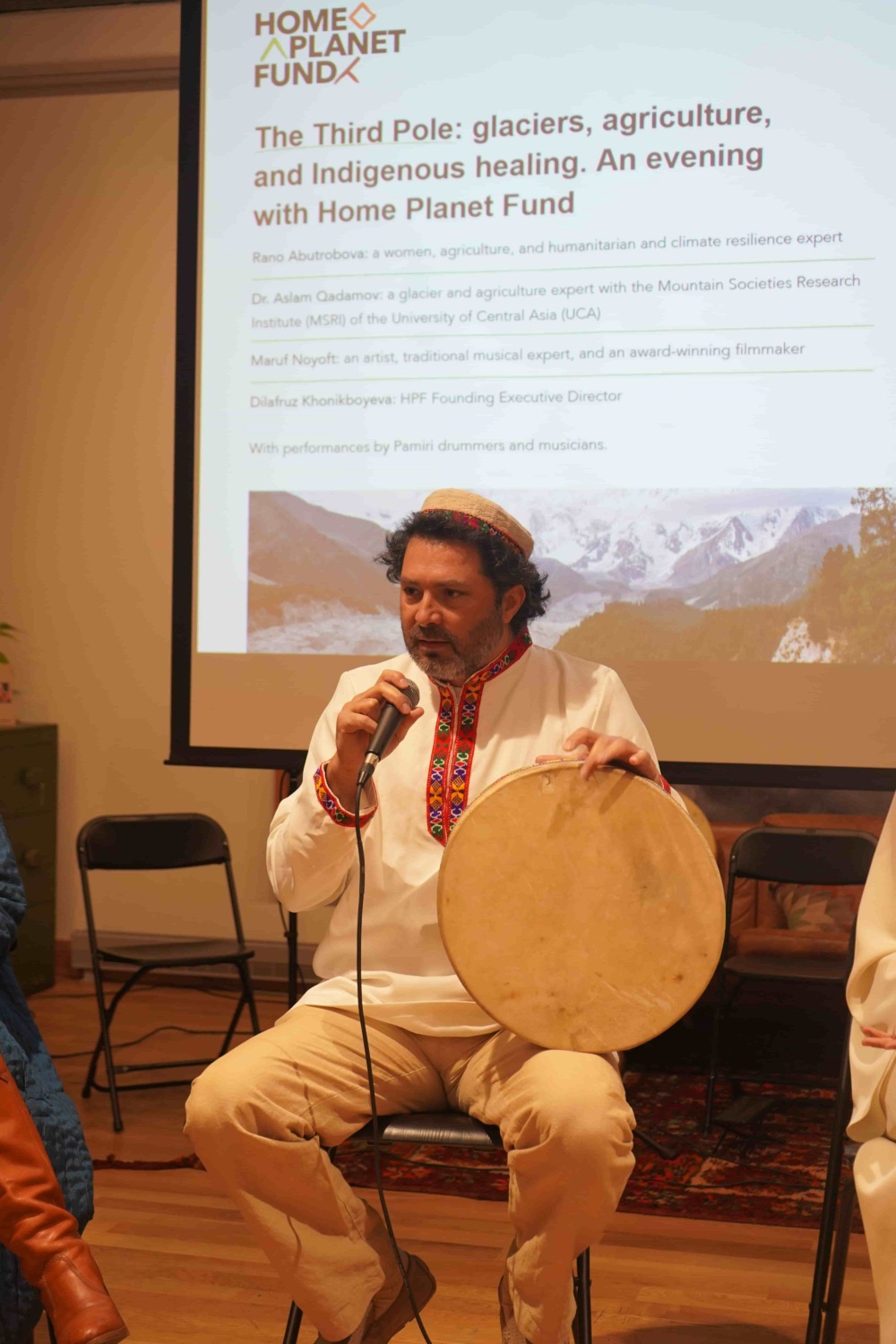
Water contains memory, and water can change its structure, not the chemical, but the physical structure. So it is a very, very powerful component in our spiritual life as well, because we believe in the Pamirs that water is the only substance that connects our physical world to our spiritual world.Maruf Noyoft
Lessons from a grandfather by the river
Maruf grew up in a city, but spent summers visiting his grandparents in the Pamirs. Their home was close to a river. He remembered his grandfather teaching him to keep the water clean and treat the area around it with respect.
His grandfather also taught him to care for animals, the Earth, and the resources people depend on. Maruf described these lessons as part of everyday spiritual life. They were learned through the way a family lived.
For Maruf, water and glaciers carry a spiritual connection with ancestors and a sense of responsibility toward the natural world. He spoke about music, poetry, and devotion as ways people express that relationship.
The marriage prayer he discussed brought water into the act of joining two lives. His explanation connected the source of that water with honesty, blessing, and care. Dilafruz, too, recalled childhood teachings that gave rivers a place in people’s spiritual lives. Maruf also brought a reference to Rumi into the discussion as he reflected on reciprocity, or the give and take within a relationship.
These accounts helped explain why a conversation about glaciers also needed room for culture. A river can supply a field and hold a family memory. Both can shape how people care for it.
Listening to people who know the land
Rano, Maruf, and Dilafruz each recalled the 2015 disaster in Barsem. Their accounts returned to the importance of listening to elders and understanding the land, including the places where building may bring danger.
Their memories pointed to a practical role for local knowledge in planning and preparedness. People who have lived with a river or a mountainside can hold observations that deserve to be heard. Those observations can inform decisions alongside research and technical advice.
Rano also emphasized shared responsibility. Communities, researchers, and governments each have work to do. Caring for glaciers and watersheds requires people to listen to one another and contribute what they know.
What this asks of philanthropy
Dilafruz connected the evening with the thinking behind Home Planet Fund. She spoke about Patagonia founder Yvon Chouinard’s challenge to do philanthropy differently and the support that helped Home Planet Fund begin its work.
She described an approach that starts with places and people receiving too little funding. Home Planet Fund looks for work already rooted in a community and suited to its ecology. The aim is to help people strengthen and expand that work without adding unnecessary barriers.
The Third Pole is one part of that wider commitment. Dilafruz also described Home Planet Fund’s work across East African grasslands and rangelands, South Pacific land and ocean ecosystems, and the Tongass Rainforest in Alaska.
Across these places, the conversation in SoHo offered a clear reason to listen closely to the people living with environmental change. Farmers are adjusting what they grow. Women are making decisions about food and water. Elders are passing on knowledge. Researchers are studying changes that communities already experience.
Supporting that work begins with understanding what people are doing and what they need to continue. The evening brought those voices into the same conversation. It gave the audience in New York a chance to hear how care for water is lived in the Pamirs, and why it matters far beyond the mountains.
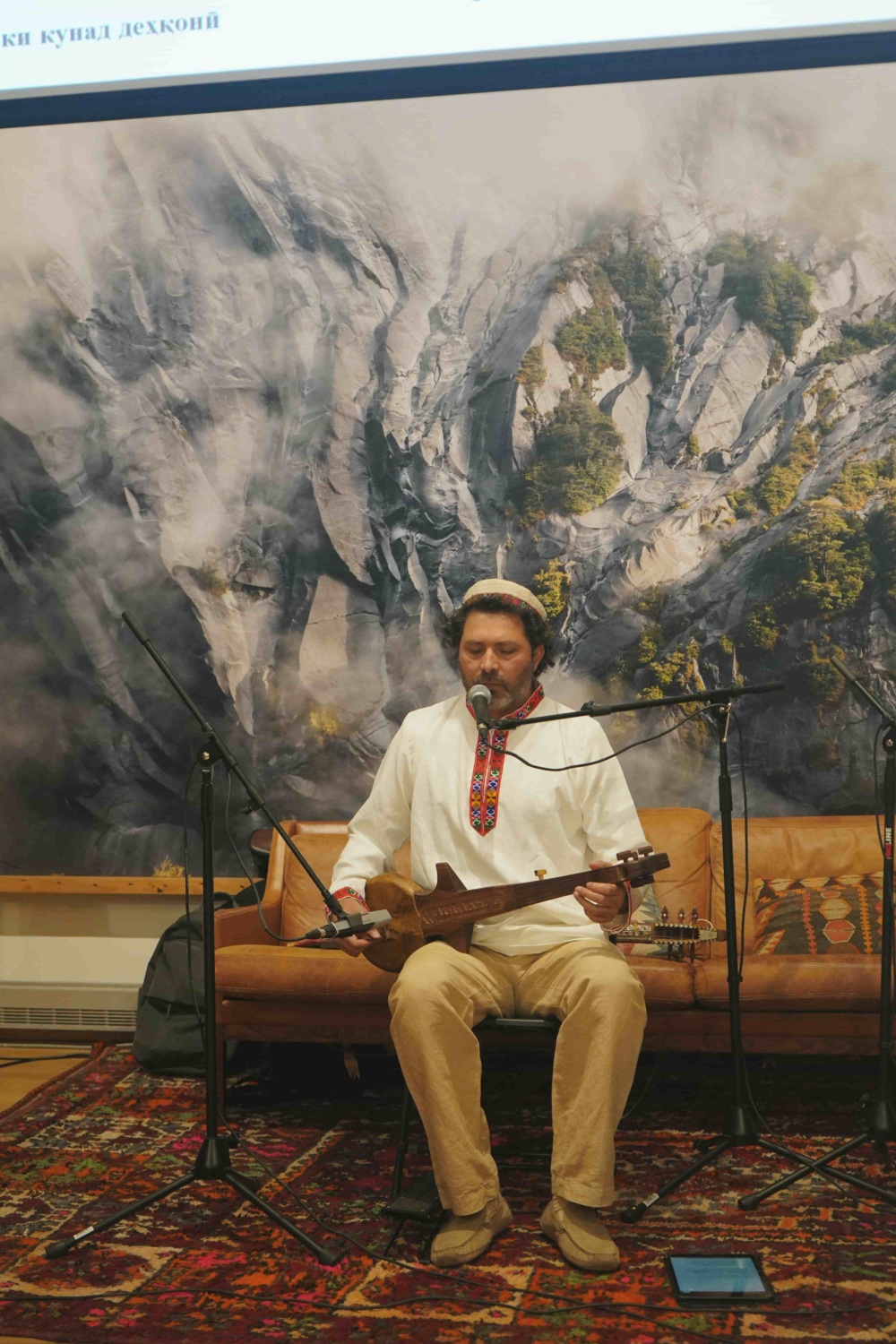
Watch and listen to the full musical performance at Home Planet Fund's Climate Week event at Patagonia's SoHo store.