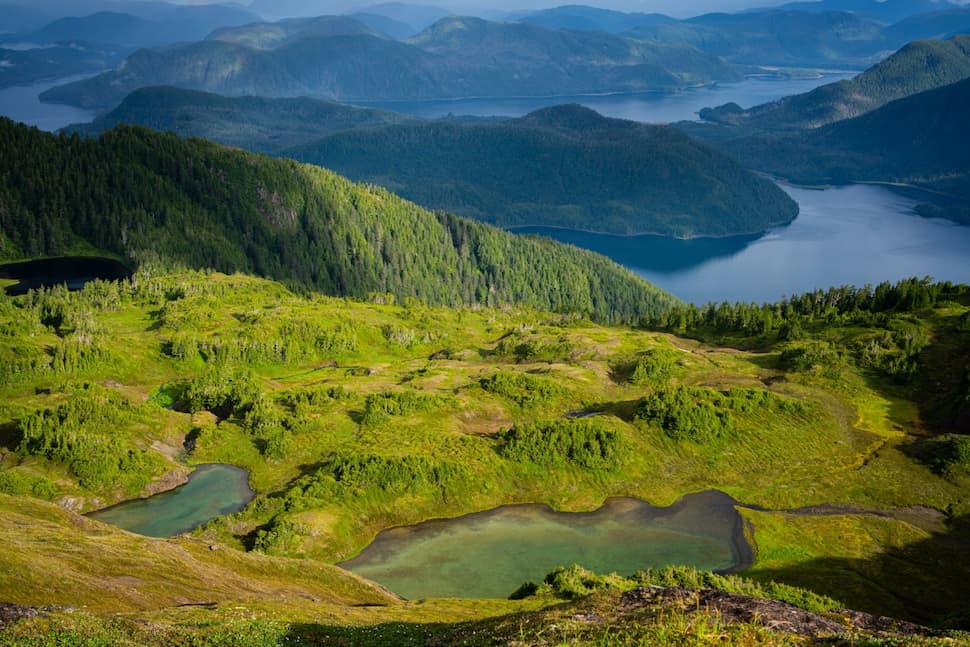
"Thank you, Home Planet Fund, for standing with Southeast Alaska communities in a year of uncertainty; your partnership helps keep decisions about this place in the hands of its best stewards."Spruce Root, Home Planet Fund's partner in Alaska
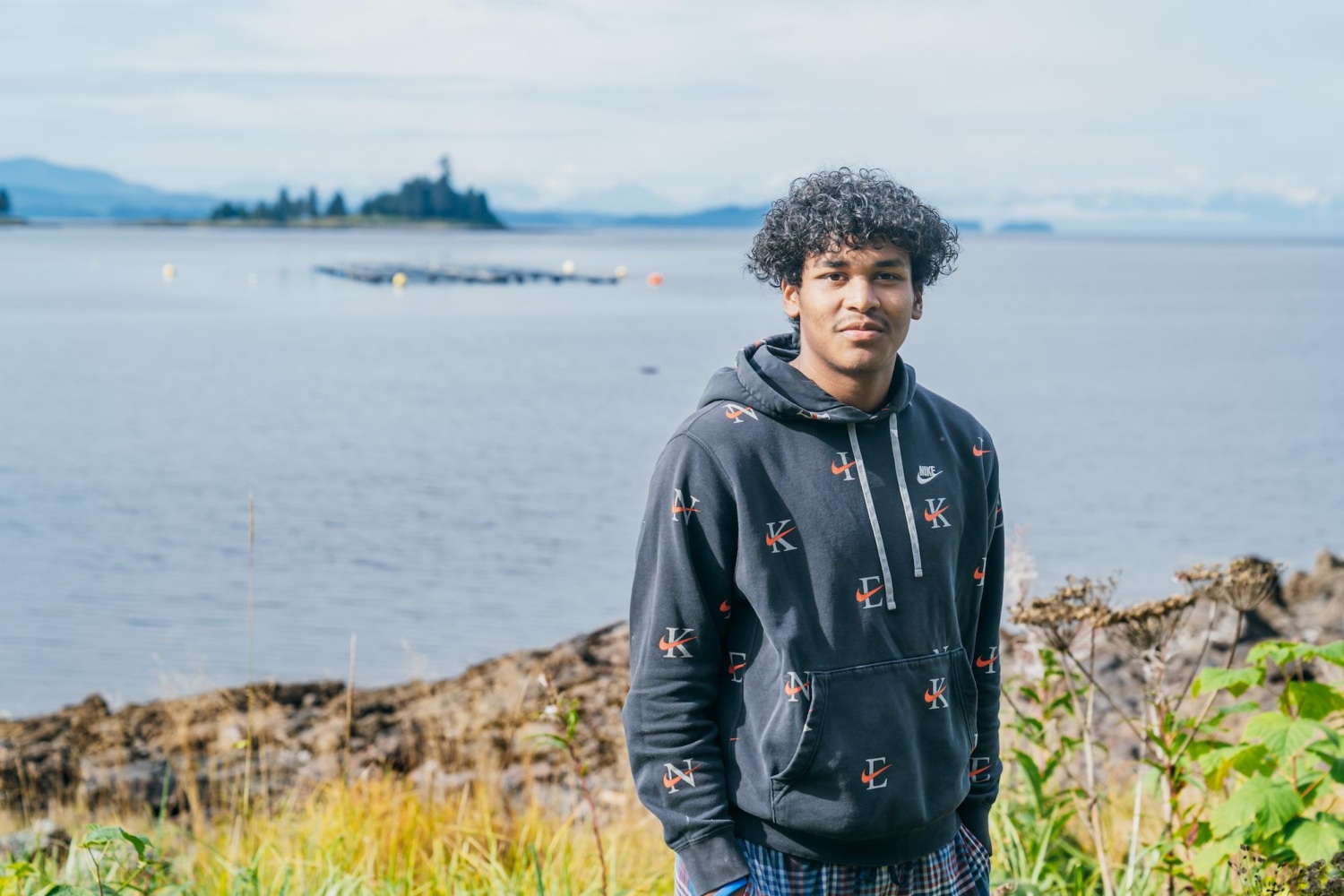
“Driven by community priorities and rooted in Indigenous knowledge, Alaska Youth Stewards employs the next generation of environmental and cultural leaders to care for our lands, waters, and communities.”
Alaska Youth Stewards
Alaska Youth Stewards (AYS), an Sustainable Southeast Partnership-supported Tlingit and Haida program, is where community-led stewardship and workforce development meet. Youth from rural and Indigenous communities are paid to care for the forests and streams of their home places, and they leave with the skills to keep doing it.
When federal cuts threatened to cancel community forest and AYS programs in eight communities, the SSP Steering Committee moved quickly to secure a $250,000 forgivable loan from the Seacoast Trust to keep crews in the field. At the time, that funding was projected to support about 70 seasonal jobs, more than 2,500 acres of young-growth forest stewardship, 37 miles of salmon stream monitoring, and 100 miles of road and culvert surveys. Nevertheless, the cuts were still felt.
Eloise Peabbles of AYS in Kake described what is at stake for these lands and waters: “We need to be hiring teenagers whose birthright it is to steward them.”
Continuing the Work
In 2026, AYS crews worked in Angoon, Hoonah, Kake, Prince of Wales Island, and, for the first time, Yakutat, employing youth ages 16 to 25 years of age. In June, the Kake crew hosted the regional All-Crew Training after the Organized Village of Kake (OVK) secured a Bureau of Indian Affairs Tribal Youth Initiative grant.
Twenty-two crew members and eight crew leads from all four communities spent the week:
- Planting three varieties of clams at the Kake shellfish garden with two visiting shellfish specialists, and learning the garden’s role in food security
- Training with the Forest Service and Southeast Alaska Watershed Coalition to remove four invasive plant species, so every crew now has someone who can manage each plant type at home
- Learning Kake’s cultural history and traditional stewardship practices from OVK leaders
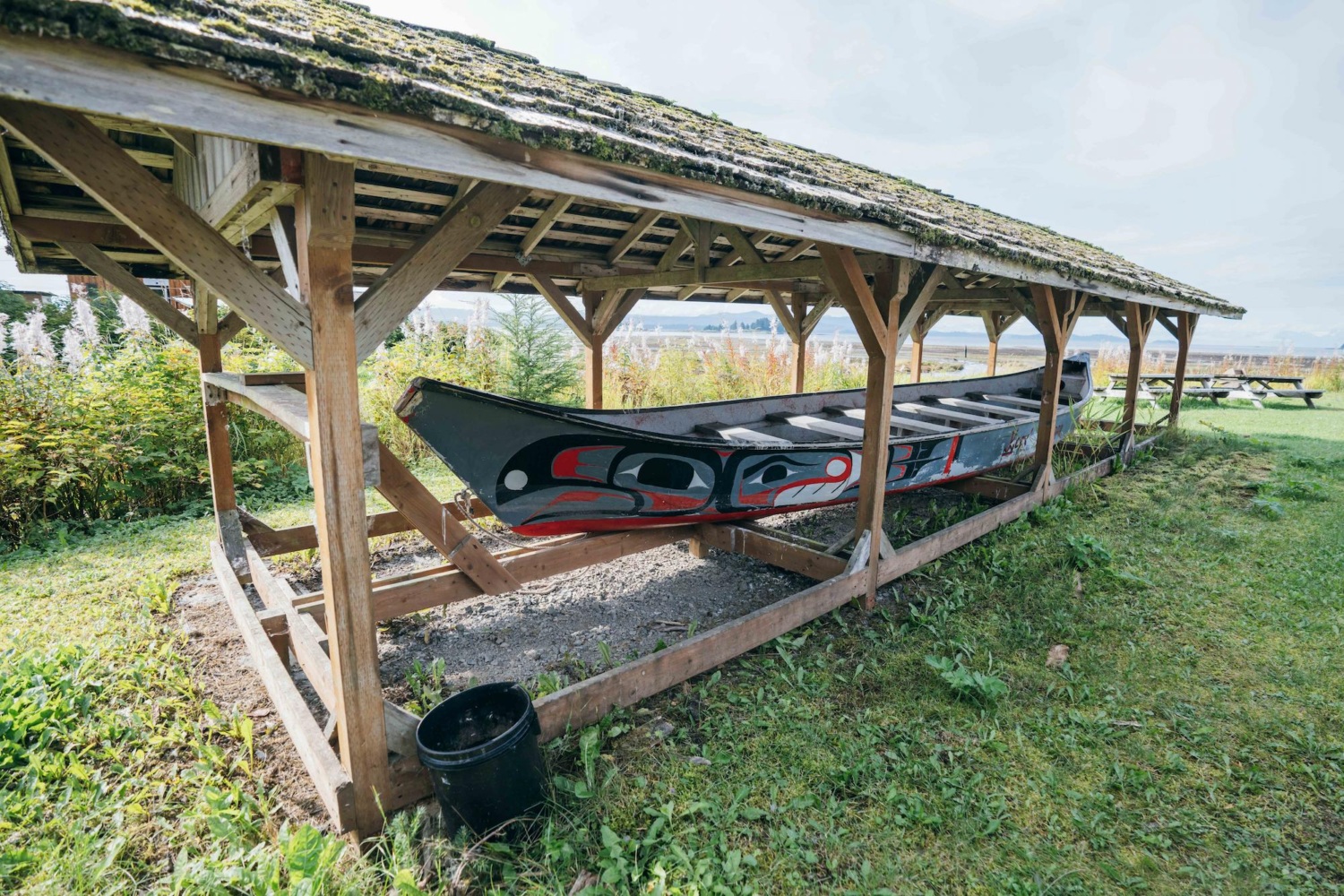
Back home, AYS crews worked on projects their communities choose. The Prince of Wales crew continued salmon stream restoration and sea green harvest. The Angoon and Kake crews maintained cemeteries. Kake’s 2026 priorities, including Irish Creek fish pass maintenance and black seaweed monitoring with OVK, were set by its crew coordinator at the end of the 2025 season. In Xunaa (Hoonah), the crew supports the Áa Kawduwahaa yé Greenhouse, which it helped open in 2025. The greenhouse now sells lettuce, spinach, bok choy, herbs, and tomatoes at weekly farmers’ markets and hosts community meals.
The network is also growing. The Yakutat Tlingit Tribe joined AYS this year, building on a 2024 pilot. Two AYS alumni represented the program at the national Bioneers Conference, and 2026 marked AYS’s fifth year sending youth to the Advancing Indigenous Science and Engineering Society National Conference, where youth crew members took the stage to present their work to a national audience.
However, two of AYS’s primary agreements were with the Forest Service, and its current federal awards are ending. the Tlingit & Haida tribe and its partners are seeking funding partners committed to AYS for the next five years.
The season wrapped up in late August after a full summer of work. Late-season highlights include:
Hoonah: Youth stewards worked on the Spasski Tributary stream restoration project on Huna Totem land with Hoonah Native Forest Partnership, fisheries, and Forest Service crews. The work makes the river healthier for salmon and lessens damage from high-water events.
Yakutat: In its first season, the crew helped the Forest Service, Southeast Alaska Watershed Coalition, and Yak-Tat Kwaan carry out restoration to improve watershed conditions along Bad Day Creek.
Across the region: Crews supported community culture camps, harvested traditional foods, restored graveyards, conducted crab molt surveys, built trails, and completed community beautification projects.
See the season in the 2026 AYS Story Map.
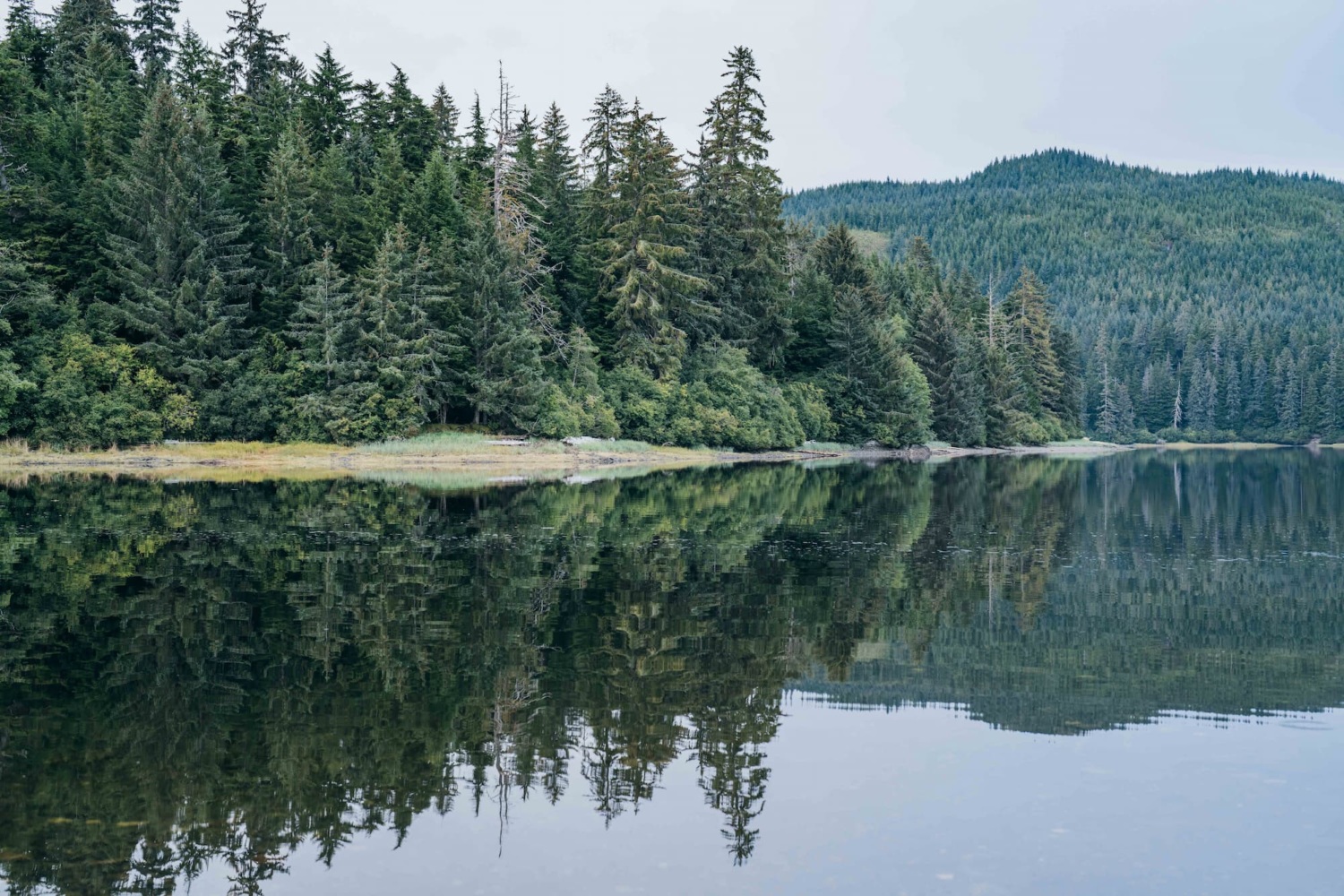
Holding the Partnership Together
The 2026 SSP Spring Retreat
From April 28 to 30, more than 130 people from more than 60 organizations across Southeast Alaska and beyond gathered in Sitka for the annual SSP Spring Retreat, including 61 attending for the first time. The retreat was shaped by words offered by Regional Healing Catalyst Hana’ackm Ggoadm ‘Tsoal / Naomi Leask: “Make your heart strong so that your thoughts will be right.”
Each day centered one of the region’s three traditional languages, Sm’algya x (Tsimshian), Xaad Kíl (Haida), and Lingít (Tlingit), and asked partners to reflect on where we have been, where we are, and where we are going.
New leadership for the partnership
In May 2026, Cody Angerman became SSP Director. Cody is Tlingit, Raven, L’uknaxh.adi (Coho) Clan, and was born and raised in Wrangell, where he works from his home community. He directs SSP program strategy, supports SSP staff, and works to strengthen the regional network across Southeast Alaska. Since beginning his role as SSP Program Director, Cody has facilitated the Fall Catalyst Retreat and led SSP Monthly Hangout calls, along with supporting and helping fund the Southeast Alaska Watershed Coalition (SAWC) and the Seacoast Indigenous Guardians Network (SIGN).
Seacoast Trust earnings fill the gaps
As one of the Seacoast Trust’s core funders, Home Planet Fund helped build the tool that carried Southeast Alaska through this year. The Seacoast Trust exists so that the work most important to our partners continues when federal or philanthropic funding stalls. 2025 marked the first time Seacoast Trust earnings directly supported the SSP’s annual budget.
Alignment with Home Planet Fund’s Alaska program
Home Planet Fund’s Alaska program aims to “increase shared stewardship, develop more resilient people and places, and spur more community-driven decision-making,” while supporting Tribes and Southeast Alaskans “as they plot their own course for decades to come.” SSP’s work this year lined up with each part of that vision.
Home Planet Fund Alaska Program Focus: Shared stewardship and community-driven decision-making
SSP Partners delivered: Native-led Tribal engagement in the Tongass plan revision; 19 Forest Service community meetings built around SSP-designed surveys; the Community Alternative; the SSP Steering Committee directing Seacoast Trust earnings
Home Planet Fund Alaska Program Focus: Economic opportunities for younger generations
SSP Partners delivered: Alaska Youth Stewards crews in five communities, including Yakutat’s first season; Wilderness First Aid certification and financial skills training for crew members at the All-Crew training; workforce coaching
Home Planet Fund Alaska Program Focus: Food sovereignty
SSP Partners delivered: Hoona’s Áa Kawduwahaa yé Greenhouse and weekly farmers’ markets; the Kake shellfish garden; traditional food harvesting by AYS crews; a Food Systems and Food Security Regional Catalyst
Home Planet Fund Alaska Program Focus: Maximizing environmental restoration
SSP Partners delivered: Spasski Tributary and Bad Day Creek watershed restoration; salmon stream restoration on Prince of Wales Island; invasive plant removal
Home Planet Fund Alaska Program Focus: Mental and natural health of the community
SSP Partners delivered: A Regional Healing Catalyst; a 2026 Spring Retreat grounded in healing and accountability
Home Planet Fund Alaska Program Focus: Strong, local regenerative economies bolstered by entrepreneurship
SSP Partners delivered: 501 hours of free Spruce Root business coaching in 2025; Kelp Farmer Immersion Trainings in Kake and Metlakatla
Home Planet Fund Alaska Program Focus: Energy independence and reducing energy prices
SSP Partners delivered: The Tongass Energy Bank, a $10 million fund launched in 2025 for energy projects in Alaska Native villages and rural communities; an Energy Regional Catalyst
Home Planet Fund Alaska Program Focus: $100 million dedicated to community-based decisions
SSP Partners delivered: The Seacoast Trust at $30.9 million, with a $50 million target in 2026 and $934,120 budgeted for SSP in 2026
This work is guided by the same Indigenous values that Home Planet Fund names: collaboration for mutual benefit rather than competition, maximizing the long-run productivity of nature’s offerings rather than short-term extraction, and pursuing the triple-bottom line of ecology, social equity, and economic well-being. The Seacoast Trust itself began when Sealaska chose to stop commercial logging. It is the kind of thinking captured in the Tlingit phrase Kuxhadahaan. Adayoo. Analgein. : stop, observe, examine, act.
Home Planet Fund support helped make these gatherings possible, and we are proud of our ongoing partnership with Spruce Root and SSP across Southeast Alaska.