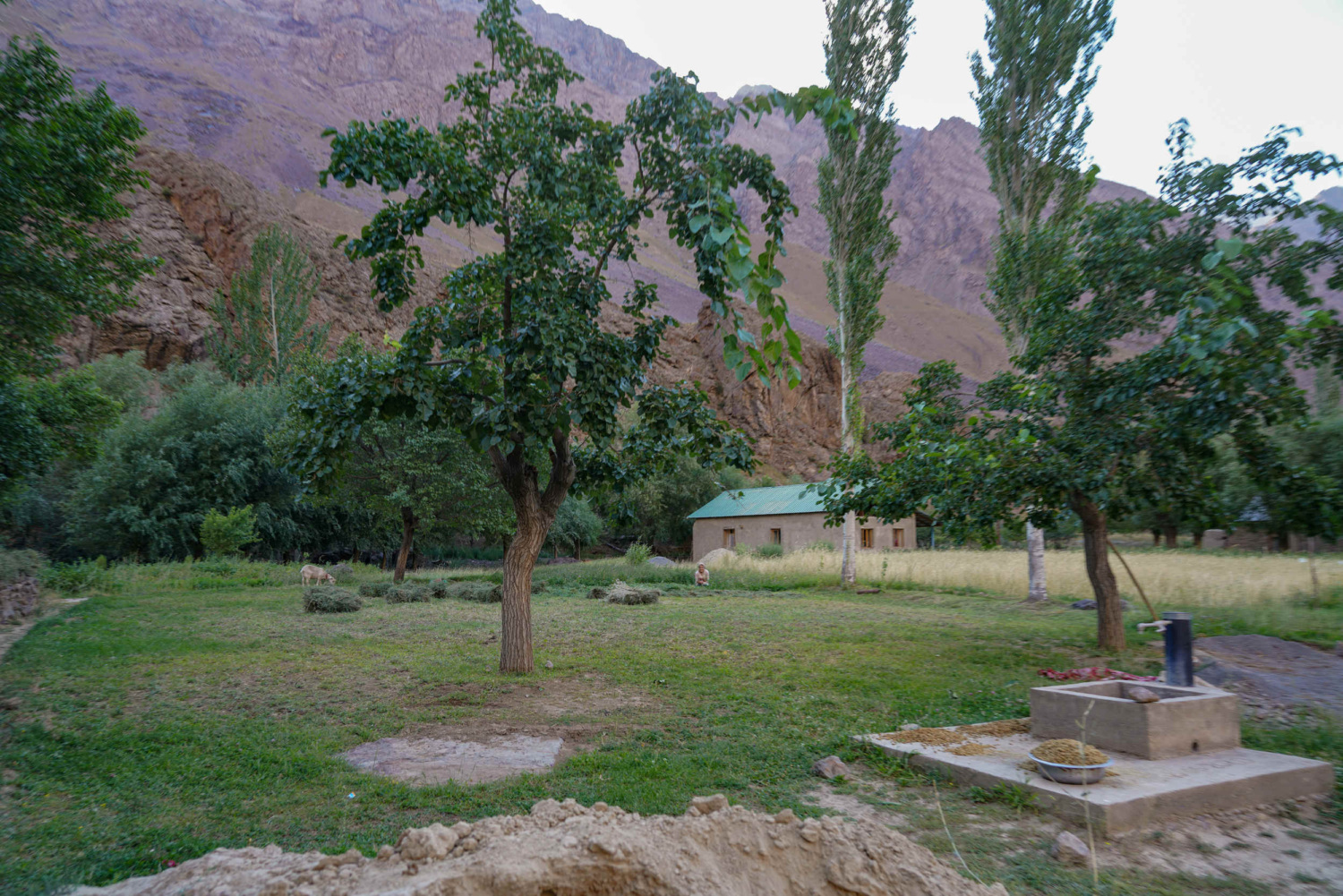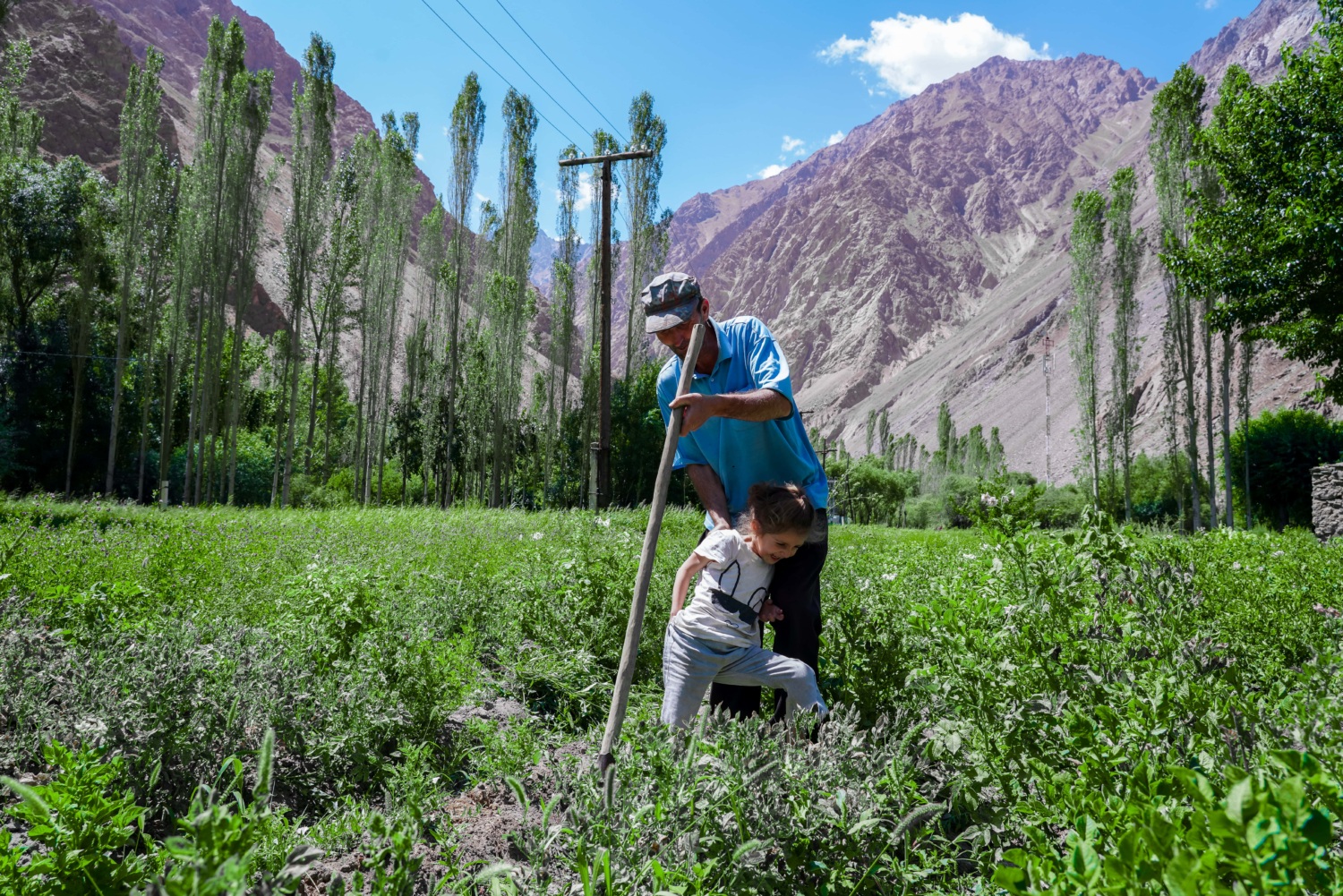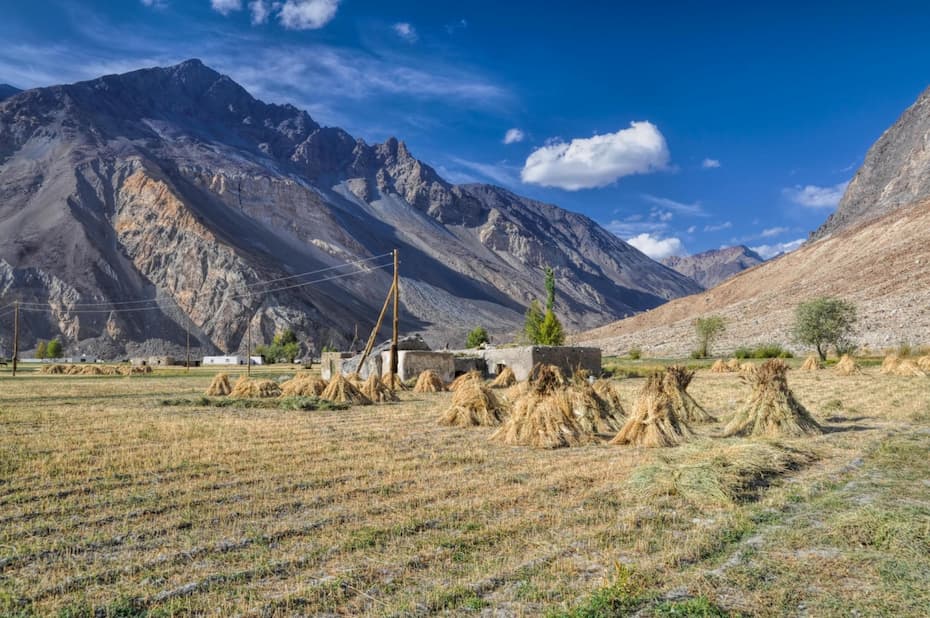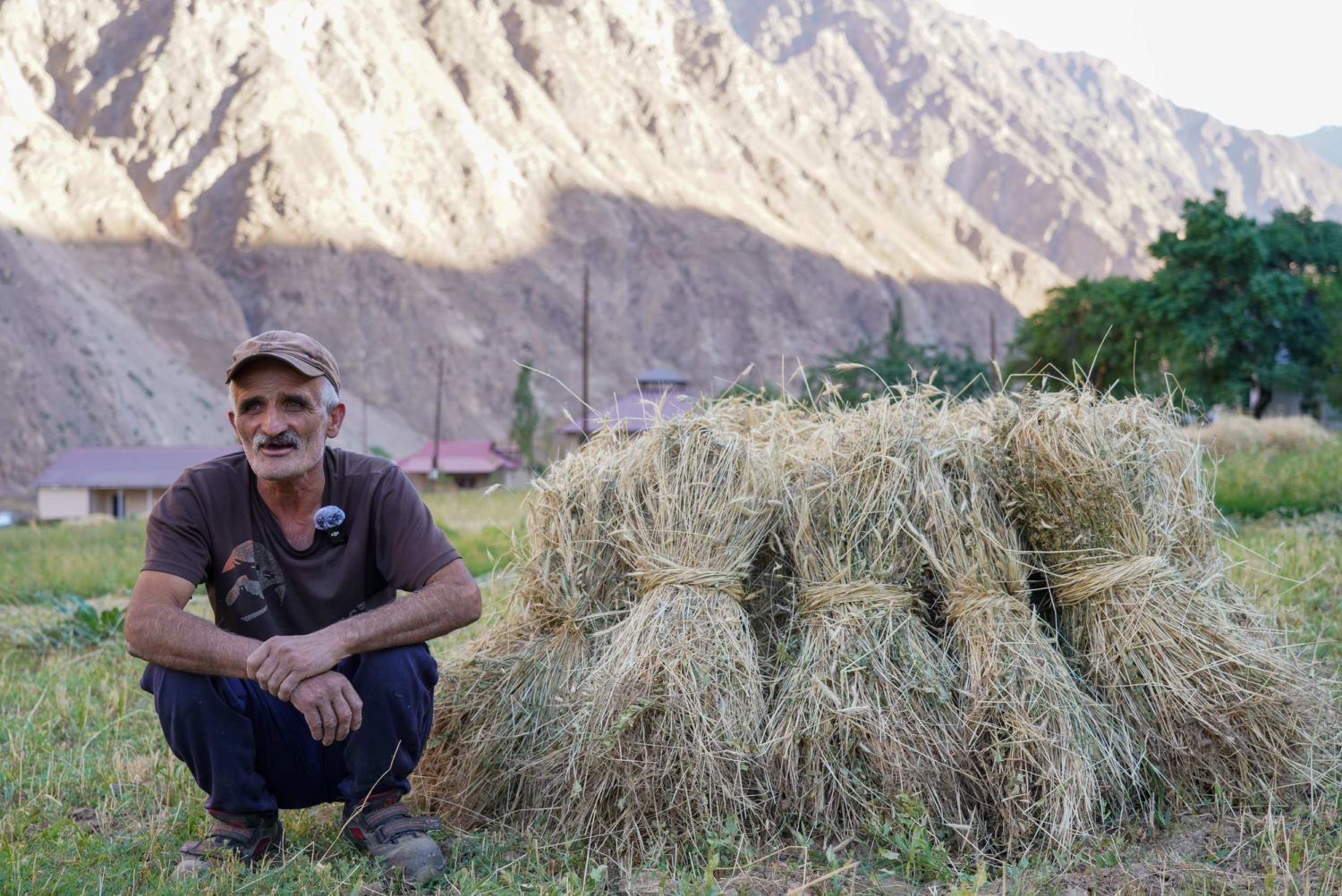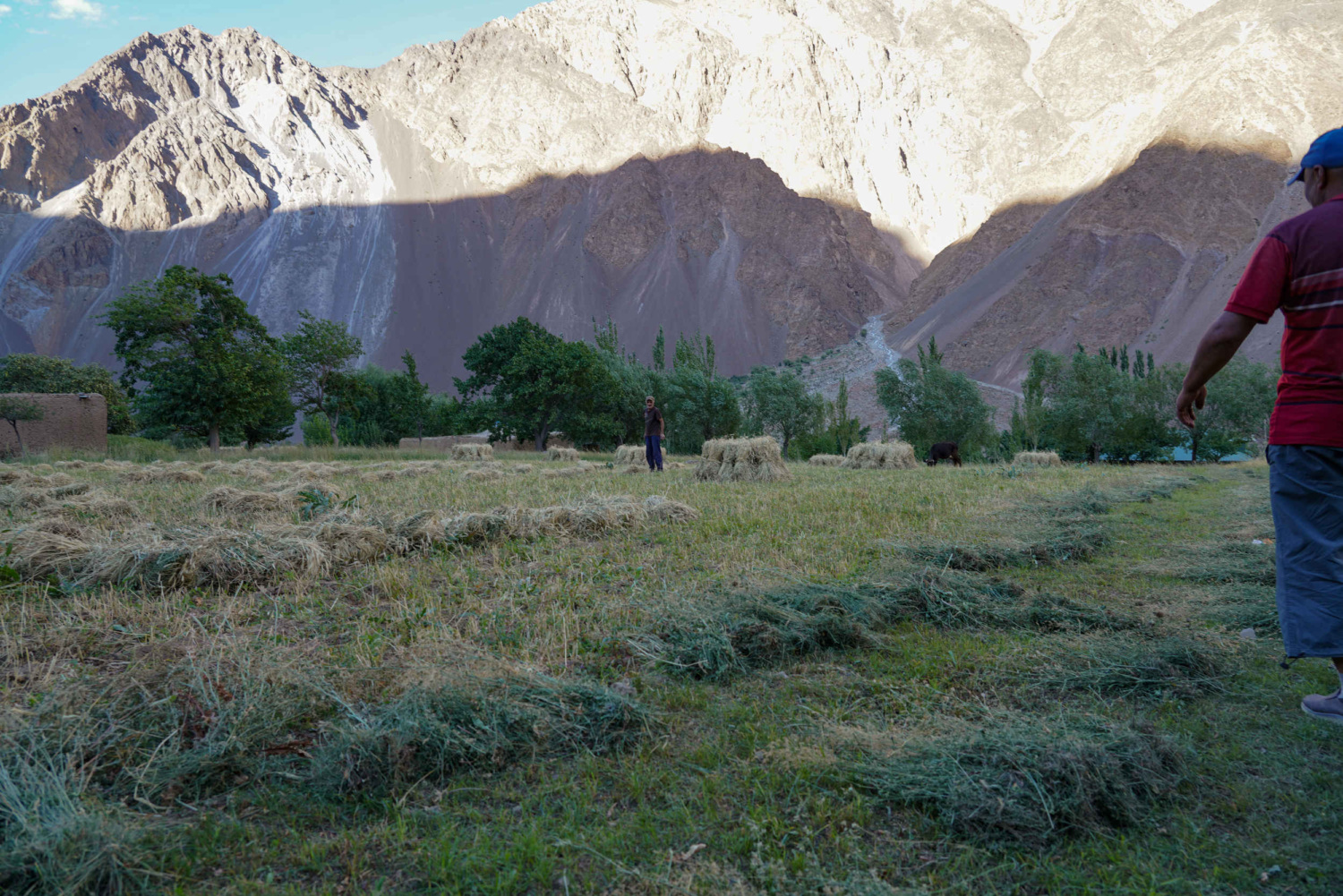
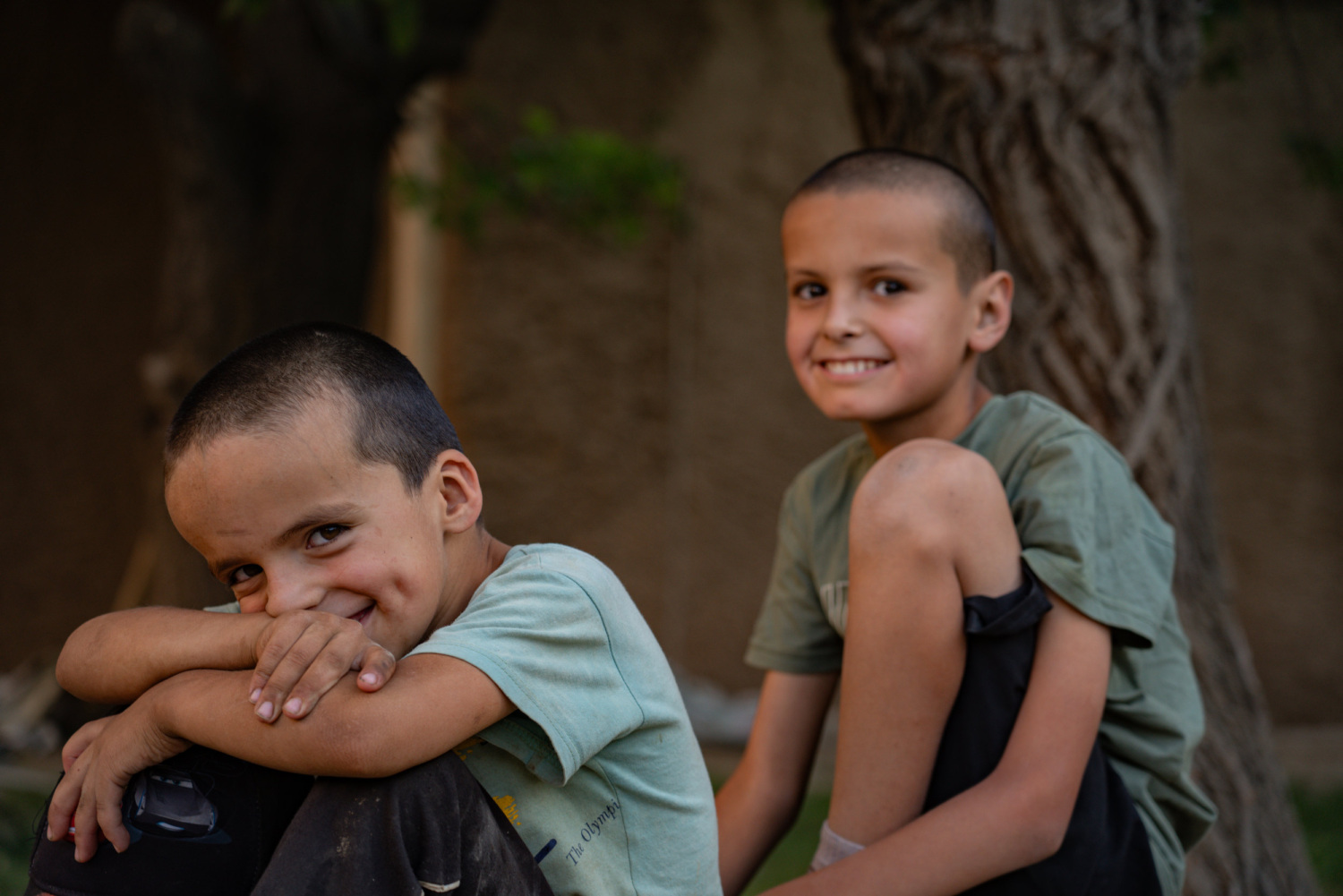
With just 30 households remaining out of the original 66, the community faces the familiar challenges of rural life: migration, limited water access, and dwindling agricultural resources. But amidst those challenges, something new has taken root — a seed bank that is helping to preserve both crops and hope for the future.
A Community Anchor in Uncertain Times
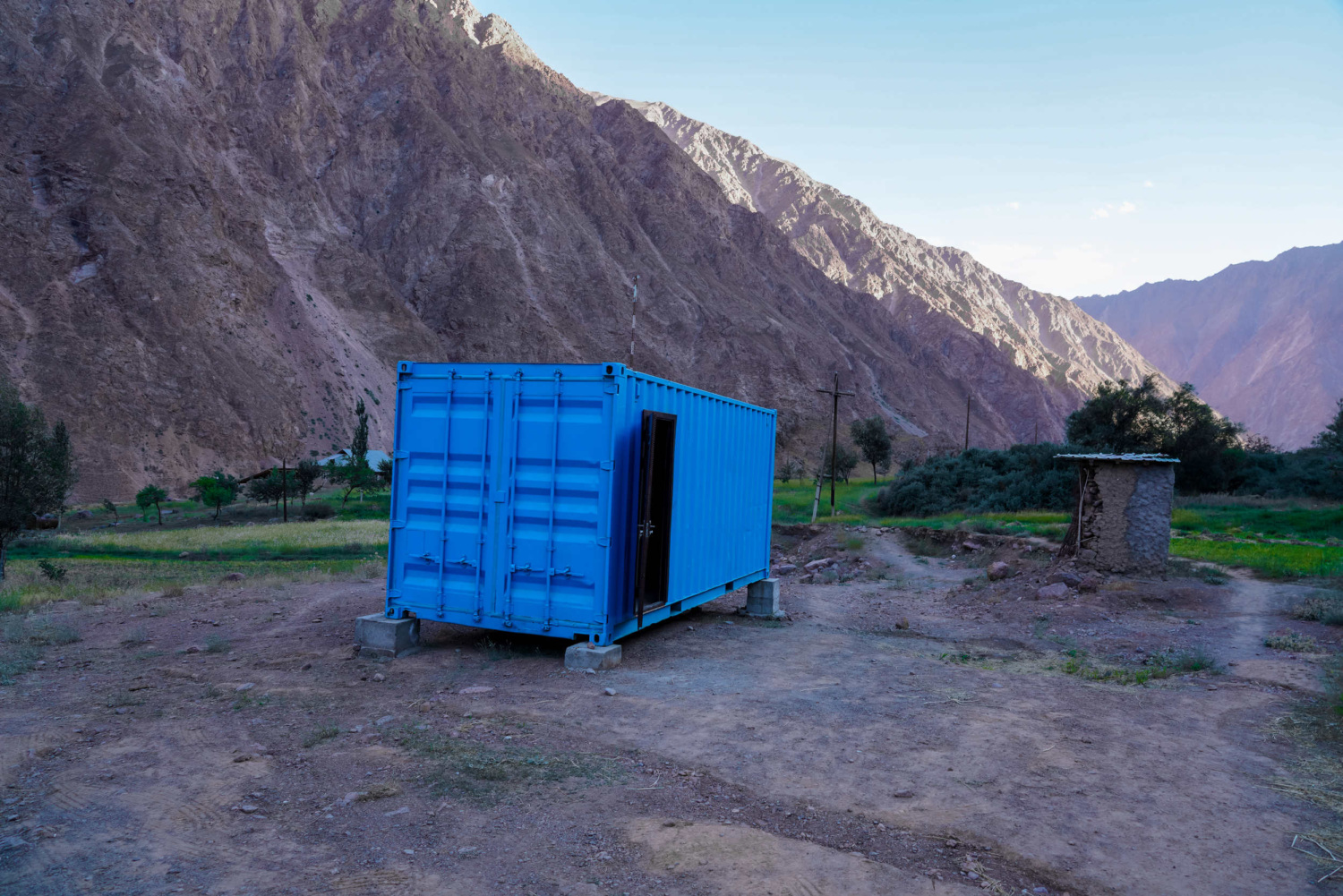
The idea for the seedbank came in 2023, through a collaboration between the villagers of Dasht and Home Planet Fund. When the container arrived, it was lifted by a truck-mounted crane and placed on a concrete foundation built by three local residents. More than just a metal structure, it was a symbol of resilience, resourcefulness, and regeneration.
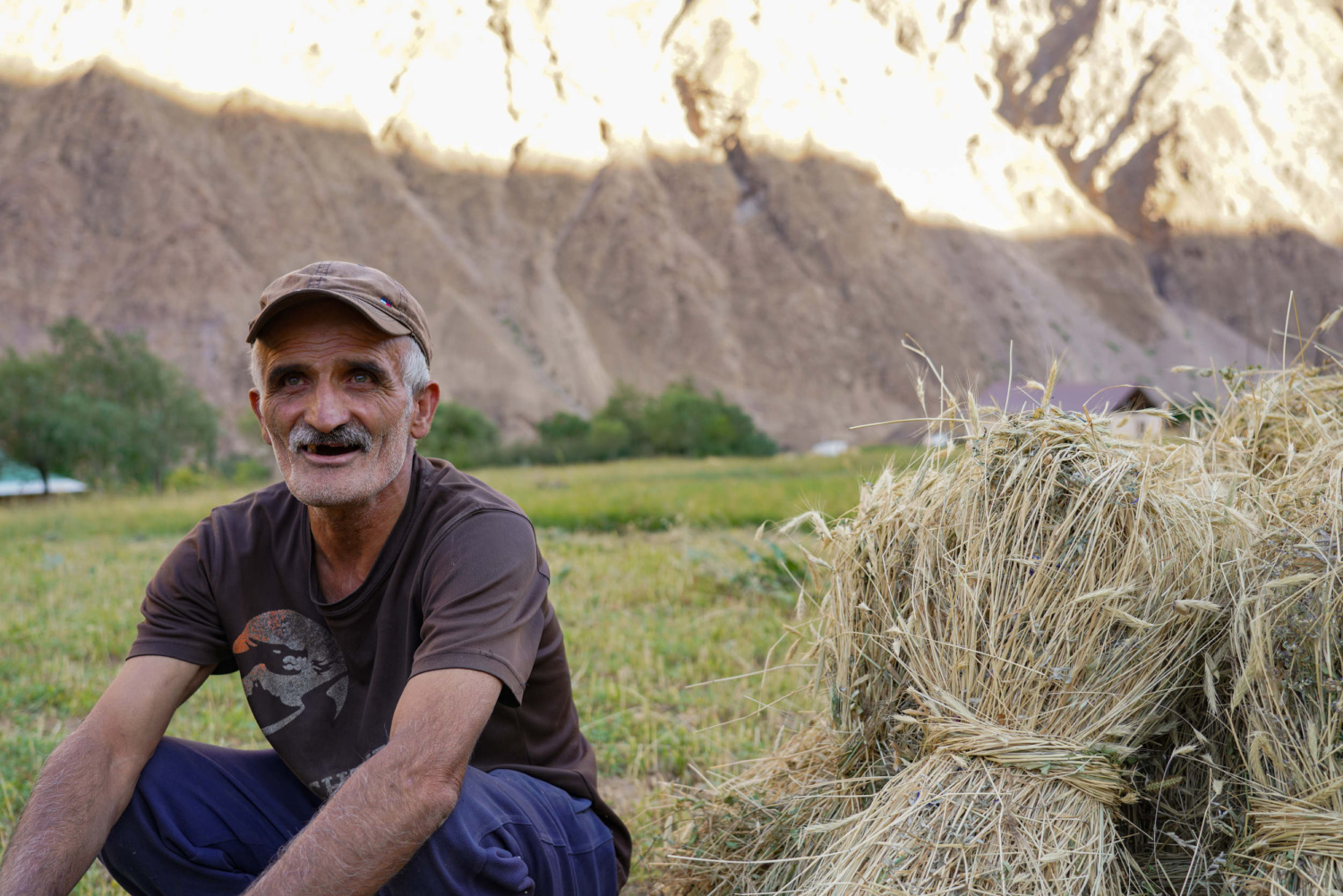
“We used to store seeds in barrels and cans at home,” explains Aqnazarov Mawlonazar, a lifelong resident and local volunteer. “But mice would get to them, or moisture would ruin the wheat. With the seedbank, we finally have a safe place to store our crops.”
How It Works
The seedbank works on a simple but effective system: after each autumn harvest, villagers store seeds: mostly wheat, mulberry, dried apple slices, and more. In spring, they return to collect seeds to sow for the next cycle. After harvest, they return the same amount they borrowed, keeping the bank sustainable and in constant use.
Fifteen to twenty households, about half the village, now use the seedbank regularly.
“We don’t sell the seeds,” Aqnazarov says. “We keep them safe, especially the local varieties. Some have already disappeared from our district. There was one called Khidir Makh, but no one grows it anymore. I’ve been searching other villages to find it.”
Not Just Storage – Preservation
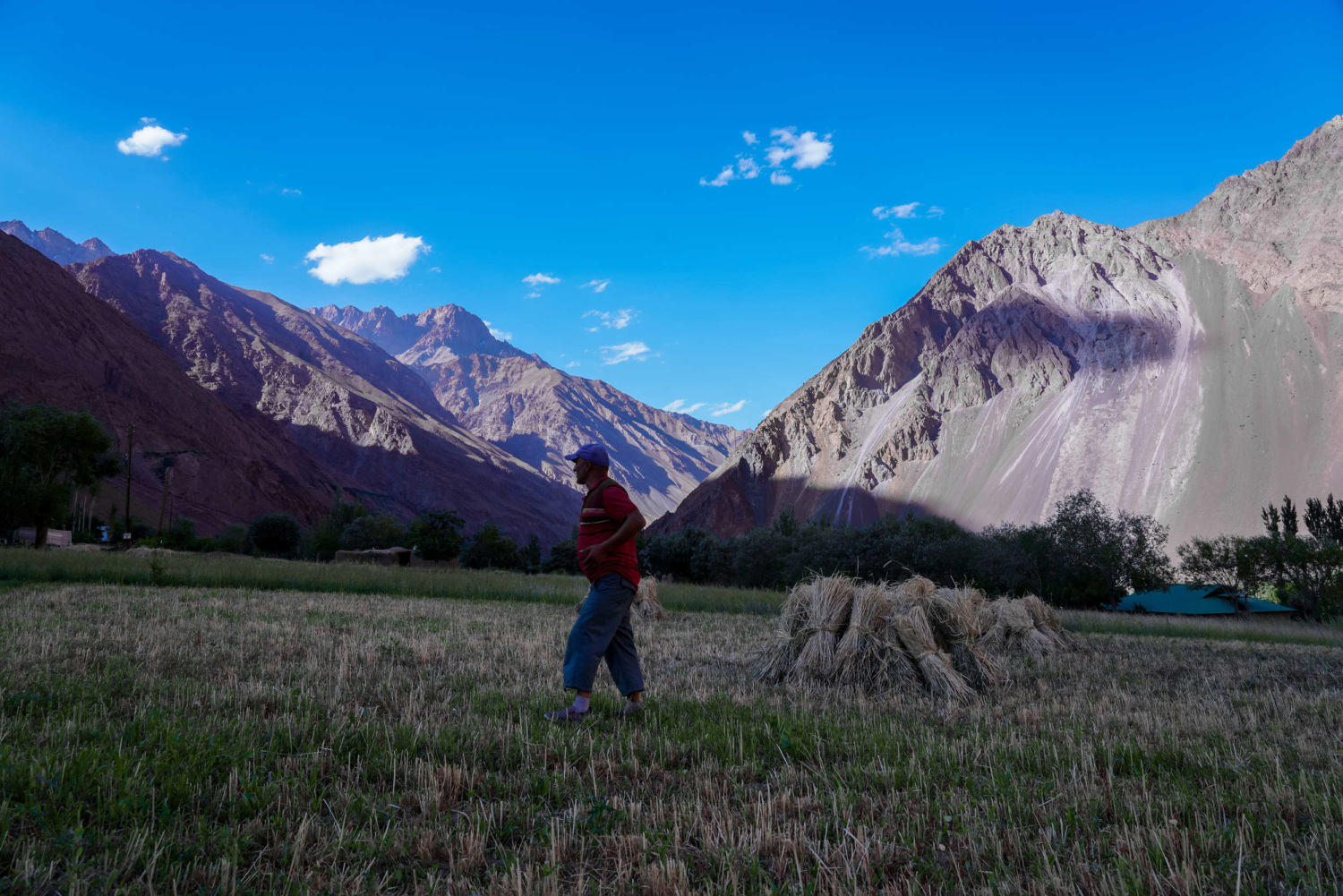
The seed bank is more than storage. It is a local safeguard against the loss of agricultural diversity. In Bartang, traditional crops like local lentils and wheat strains are fading. Changing priorities have pushed many to plant crops primarily for livestock rather than food, risking the disappearance of valuable seed types.
“There was a time when people grew wheat for their own bread,” Aqnazarov reflects. “Now, they grow it just to feed their cows. We even had visitors from other parts of GBAO looking to buy one ton of wheat for 16 somoni per kilobut. However, we couldn’t find much in the whole district.”
The seed bank helps ensure that these seeds and the food security they bring don’t vanish.
Local Ownership, Real Impact
Though small, the seed bank has already made a difference. It’s kept safe from rodents and moisture, helps preserve heirloom seeds, and enables villagers to plan ahead.
Aqnazarov volunteers his time to open the seed bank, track inventory, and even search for missing seed varieties from nearby villages. He sees it as a service to his community.
“I live close to it, and I have time,” he says simply. “It’s not a big burden, I just keep the keys and help people when they come.”
There are still needs: a table, chairs, and paper to record seed deposits, but the foundation is strong.
The key issue is water availability. With only a narrow canal and limited supply, there’s not enough to irrigate all of the village’s fields. “If we had more water,” Aqnazarov says, “we could grow so much more.”
Looking Ahead
Dasht means “empty field” in the local language, a reminder that this village was once barren land. It was the people who made it a home, who planted the trees, dug the canals, and built a life. Now, with the support of the Home Planet Fund and the community’s own determination, the village is laying the groundwork for a more secure agricultural future.
“The land still gives back,” Aqnazarov says. “If we work it, it feeds us. We just need the seeds, the water, and the will to keep going.”
With your support, Aqnazarov, his village, and others across the region will be able to continue and expand their work for the Earth.