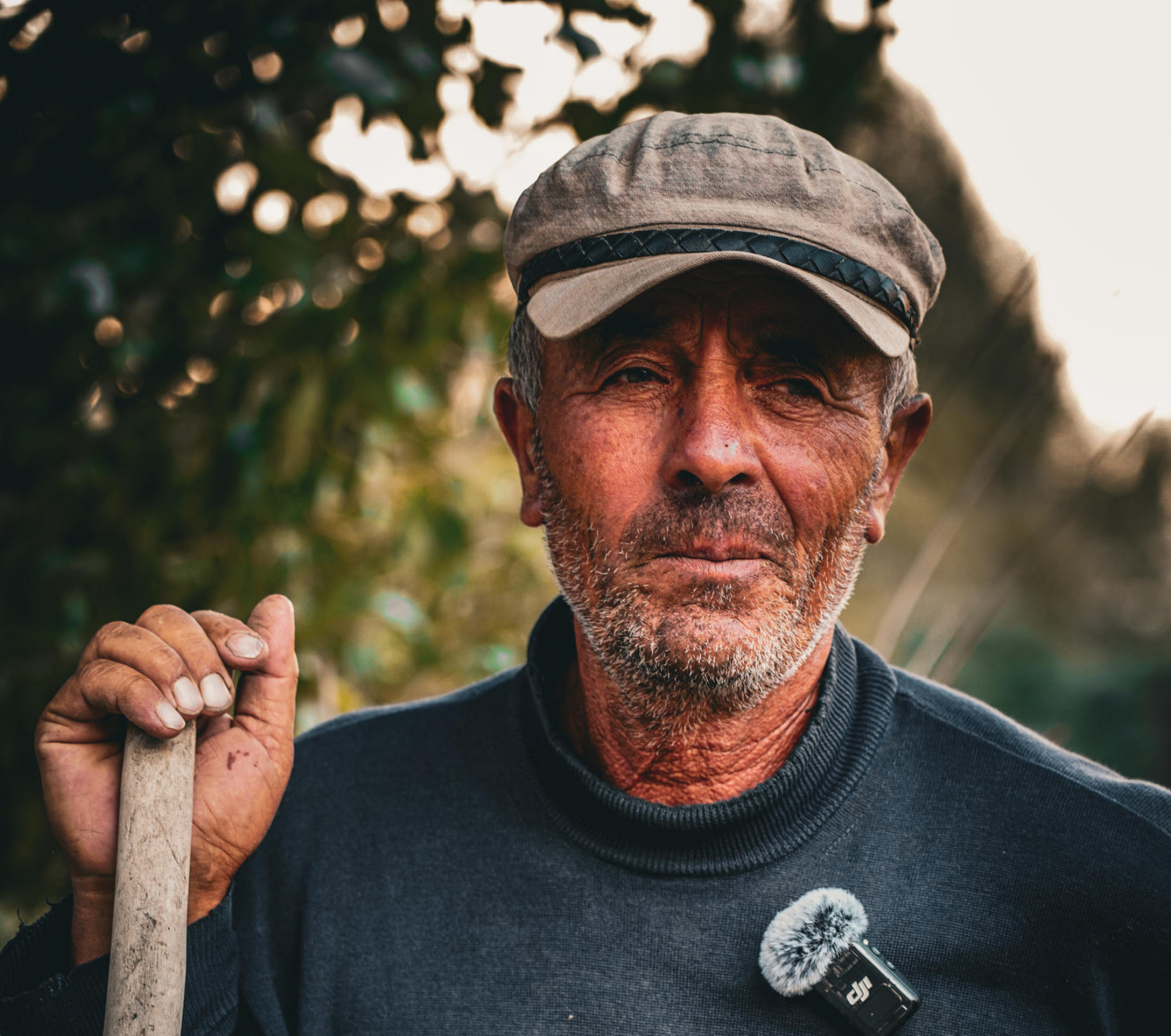
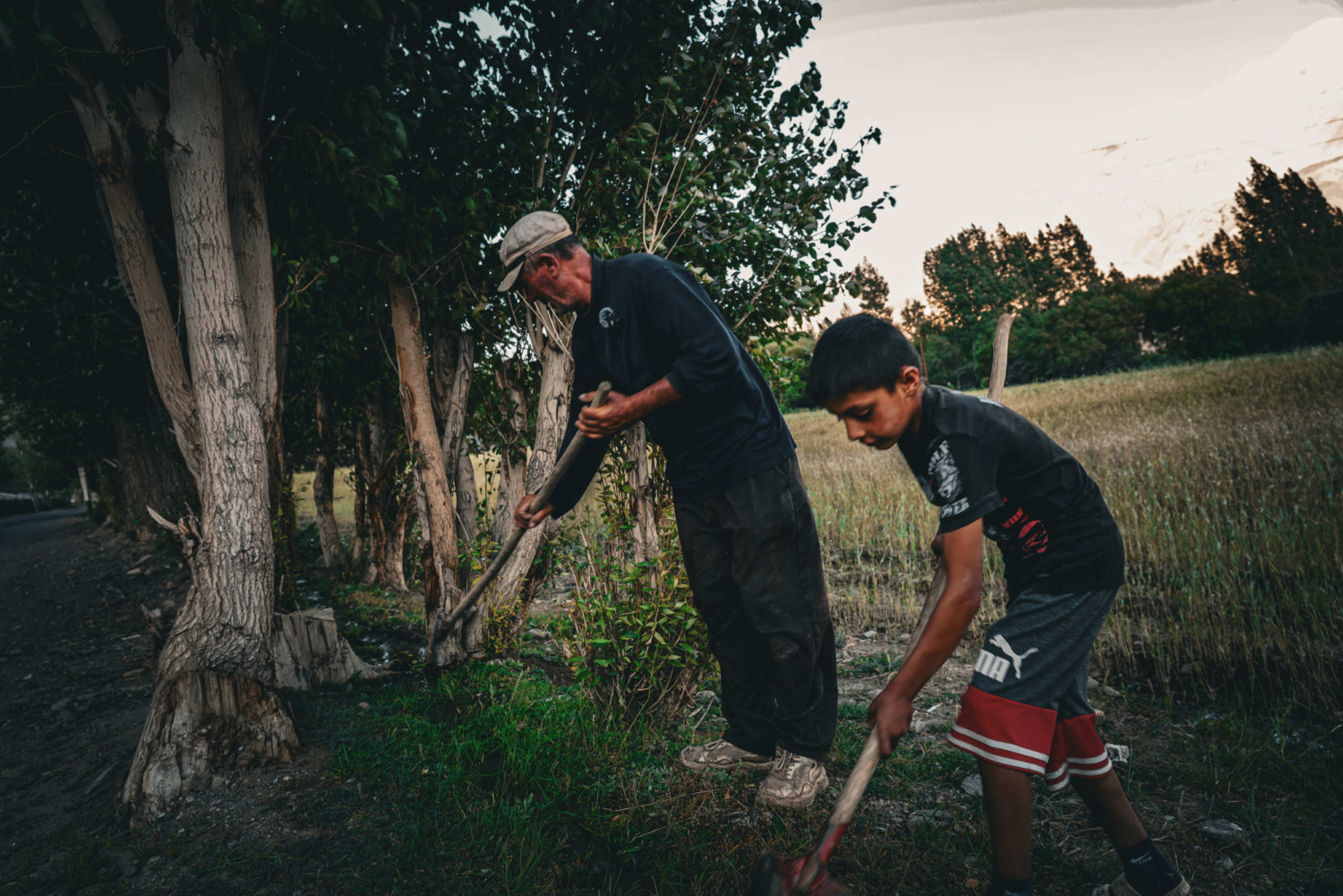
A Changing Climate
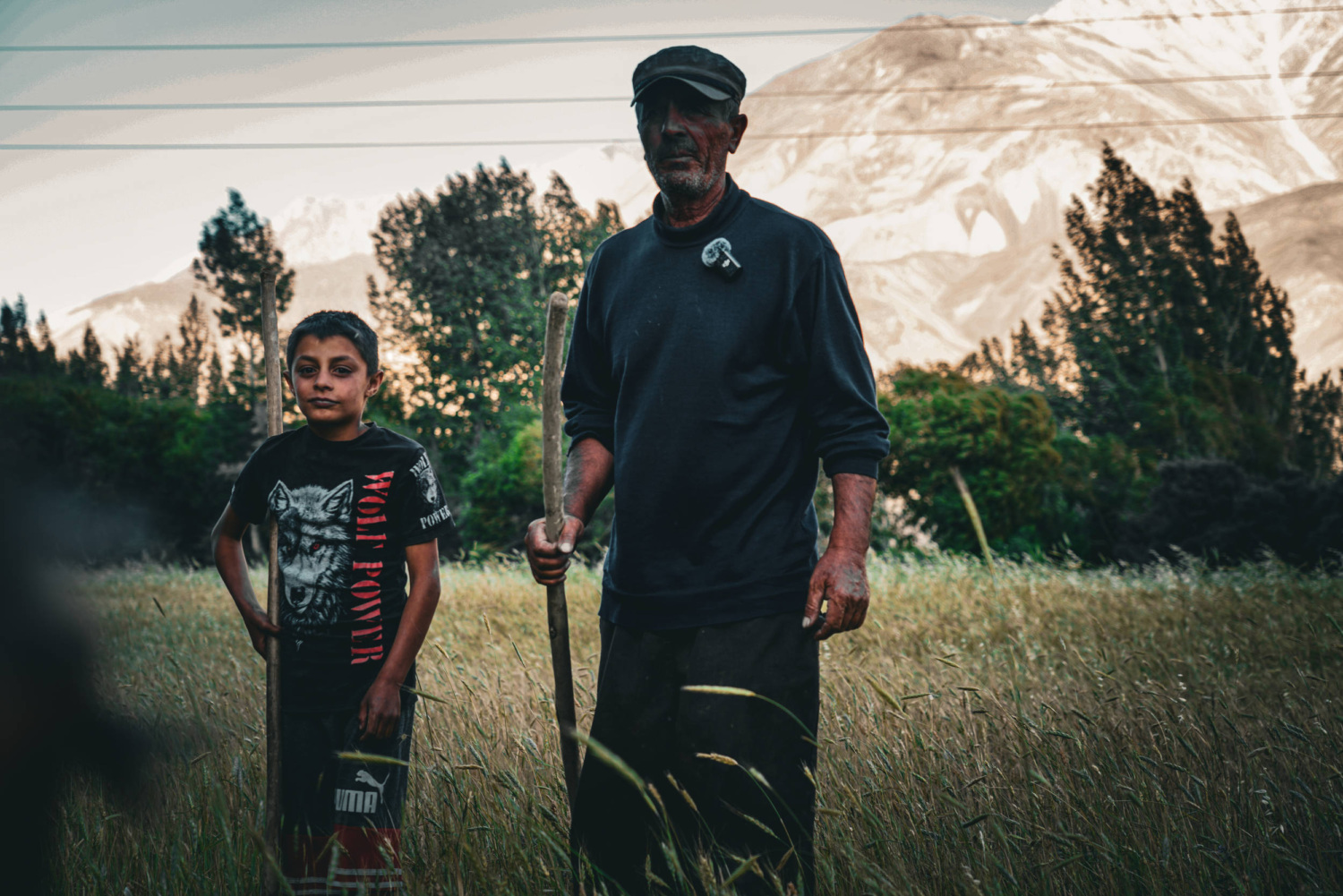
“Year by year, the harvest becomes less,” Dorghabek explains. “The income is less than before. Much less.”
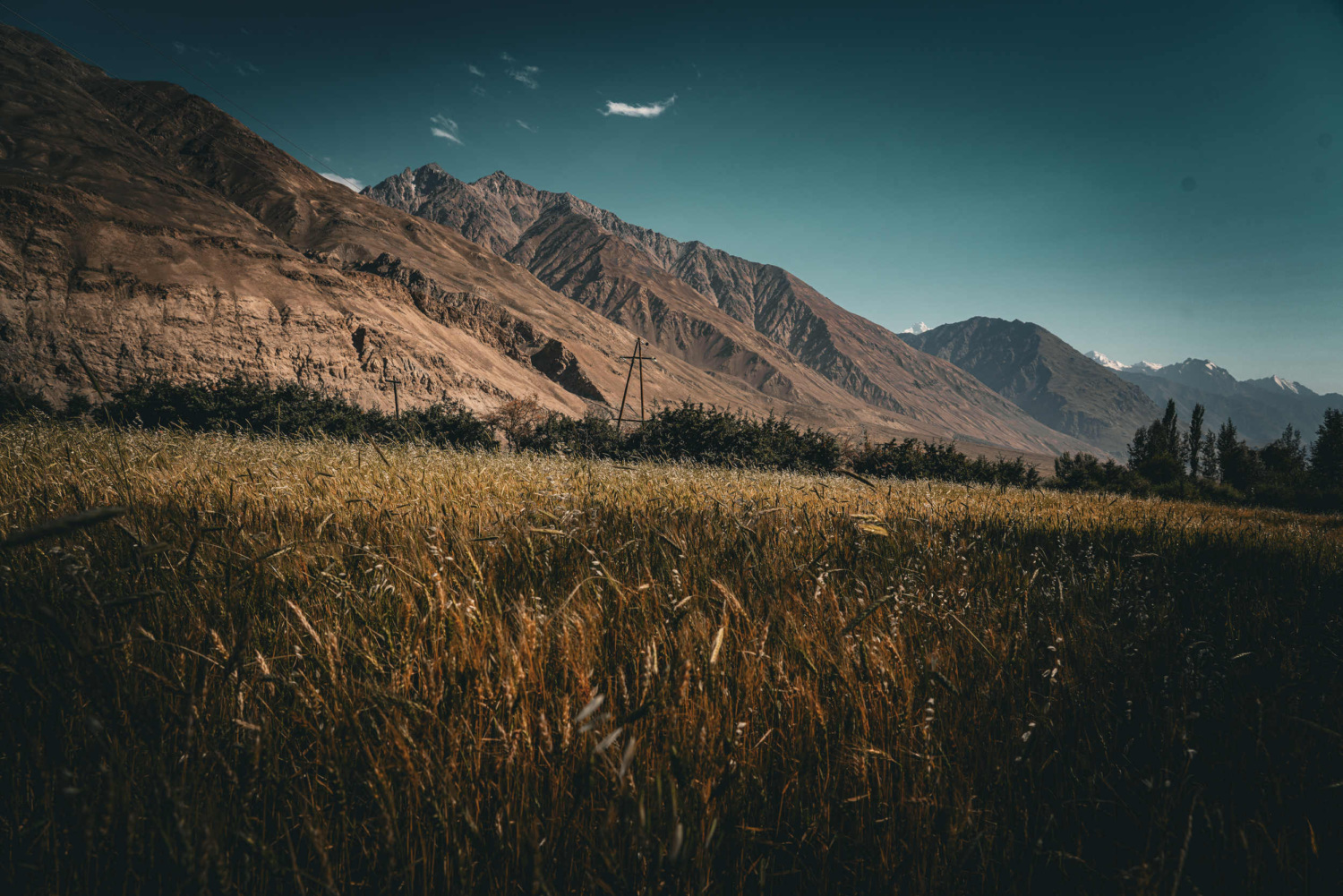
The climate has shifted in noticeable ways. Winters that once brought little or no snow are now marked by heavy snowfall. Summers are cooler. Crops that farmers relied on for decades are now less predictable, maturing later or producing smaller yields.
“The climate has become cooler,” he says. “Before, there was almost no snow. Now there is a lot.”
For a farming community that depends on seasonal consistency, these changes create uncertainty at every stage of production.
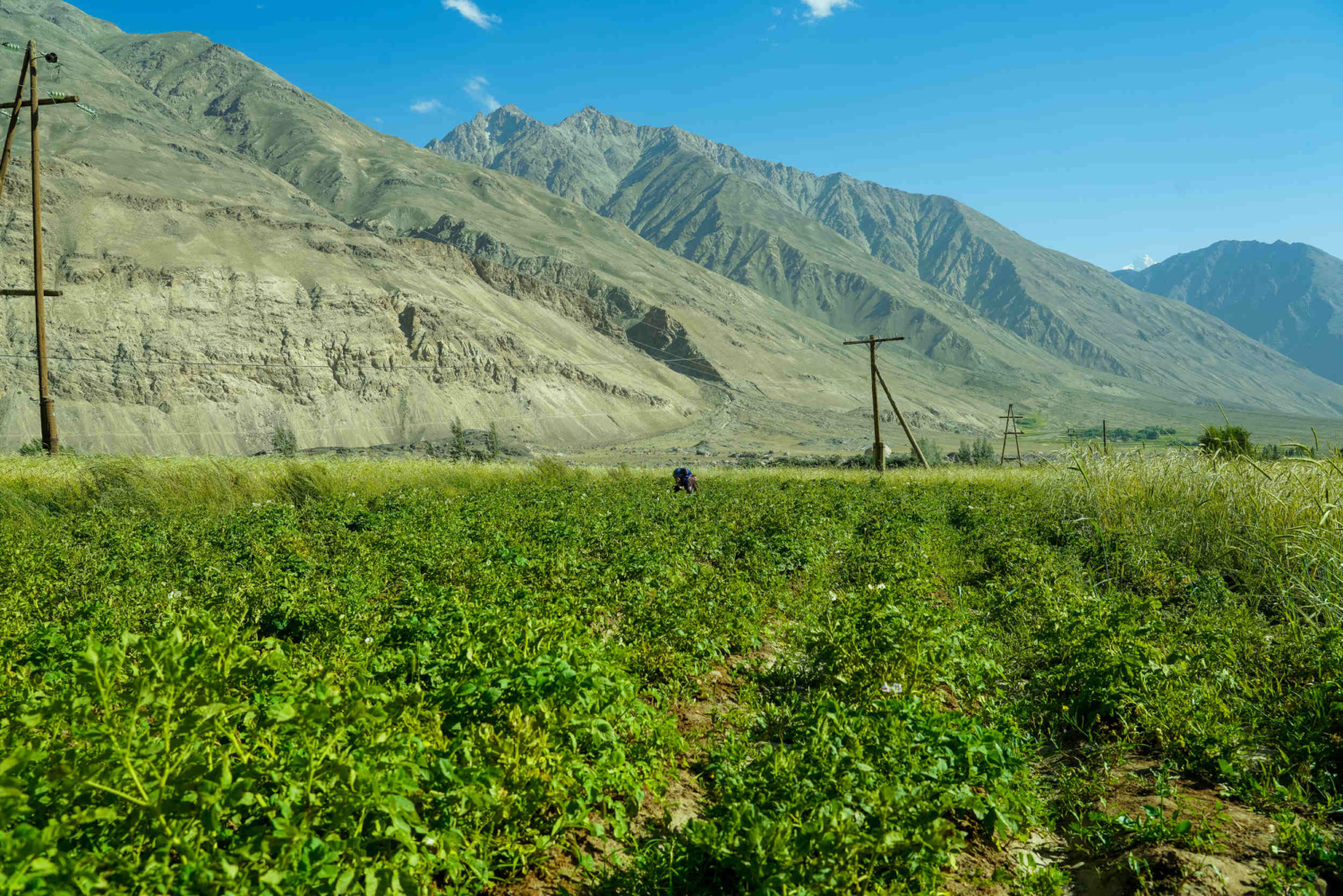
Water: Too Much and Not Enough
Water, once a resource that sustained crops, has become increasingly difficult to manage.
“There is too much water,” Dorghabek says. “It takes the barley away.”
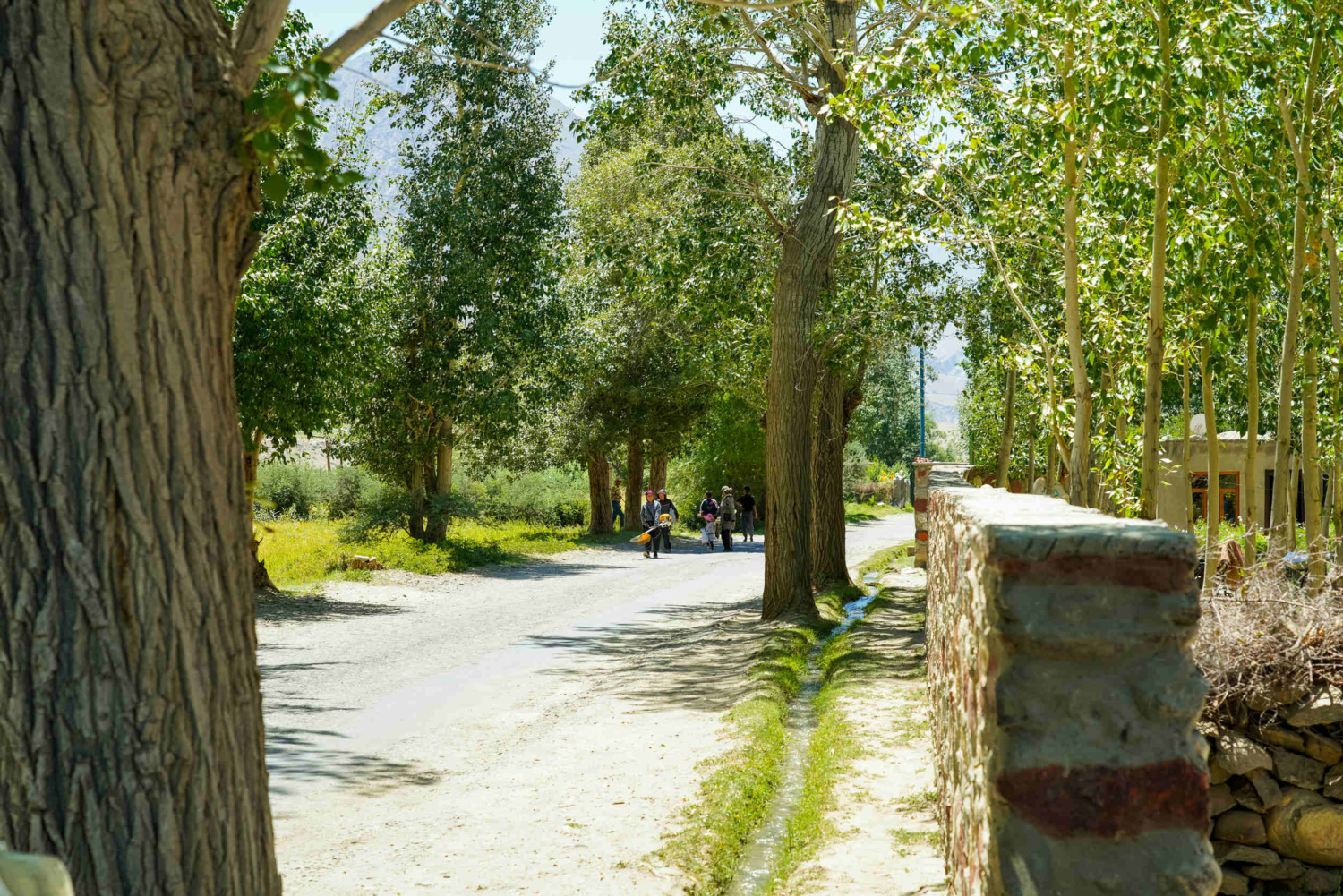
Flooding damages fields and washes away crops. Yet at the same time, during key planting months such as March and April, water often does not reach the land when it is needed. Farmers must intervene manually, redirecting flows and attempting to control an unpredictable system.
“It comes when it is too much,” he explains. “And when we need it, it does not come.”
Support That Partially Meets the Need
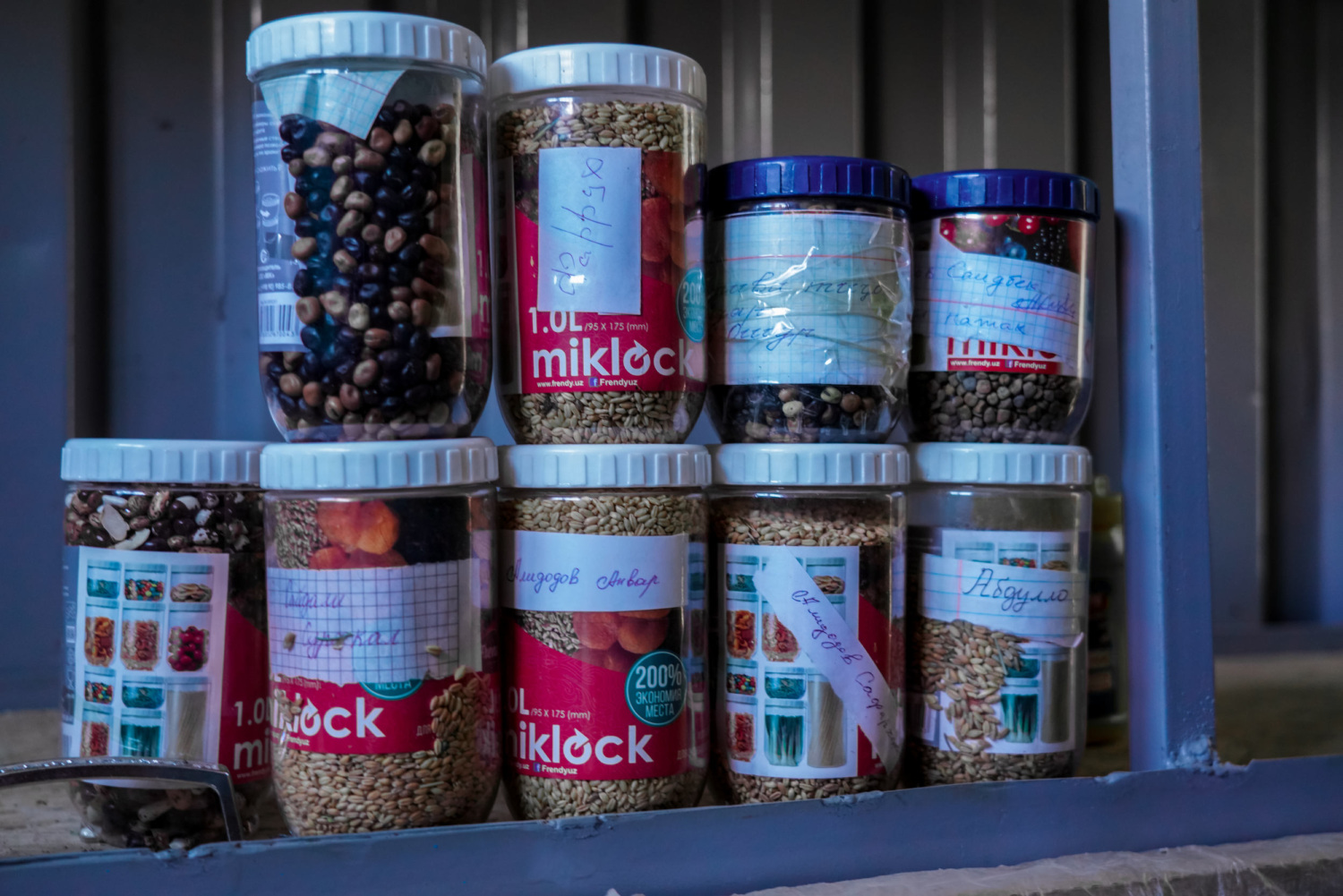
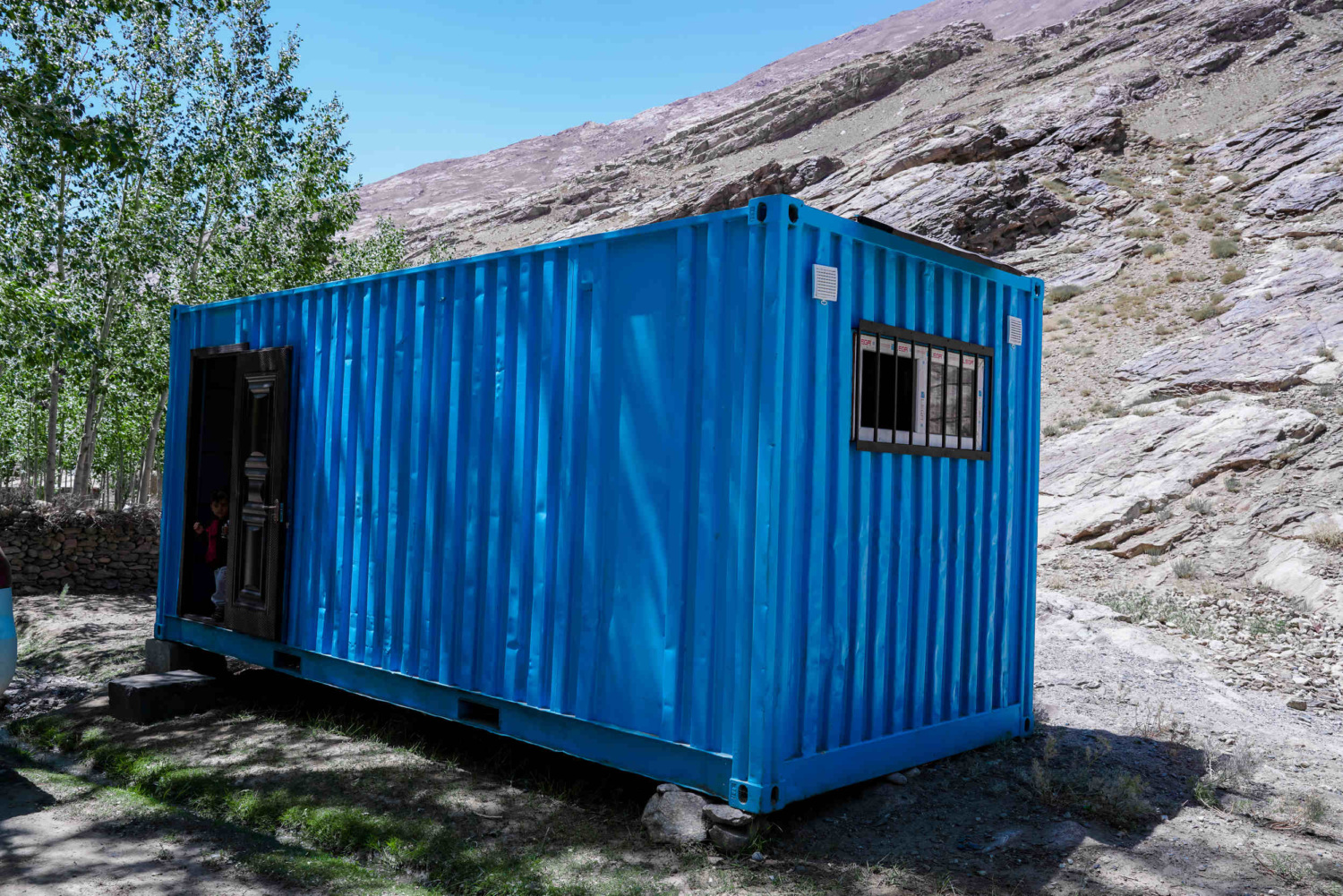
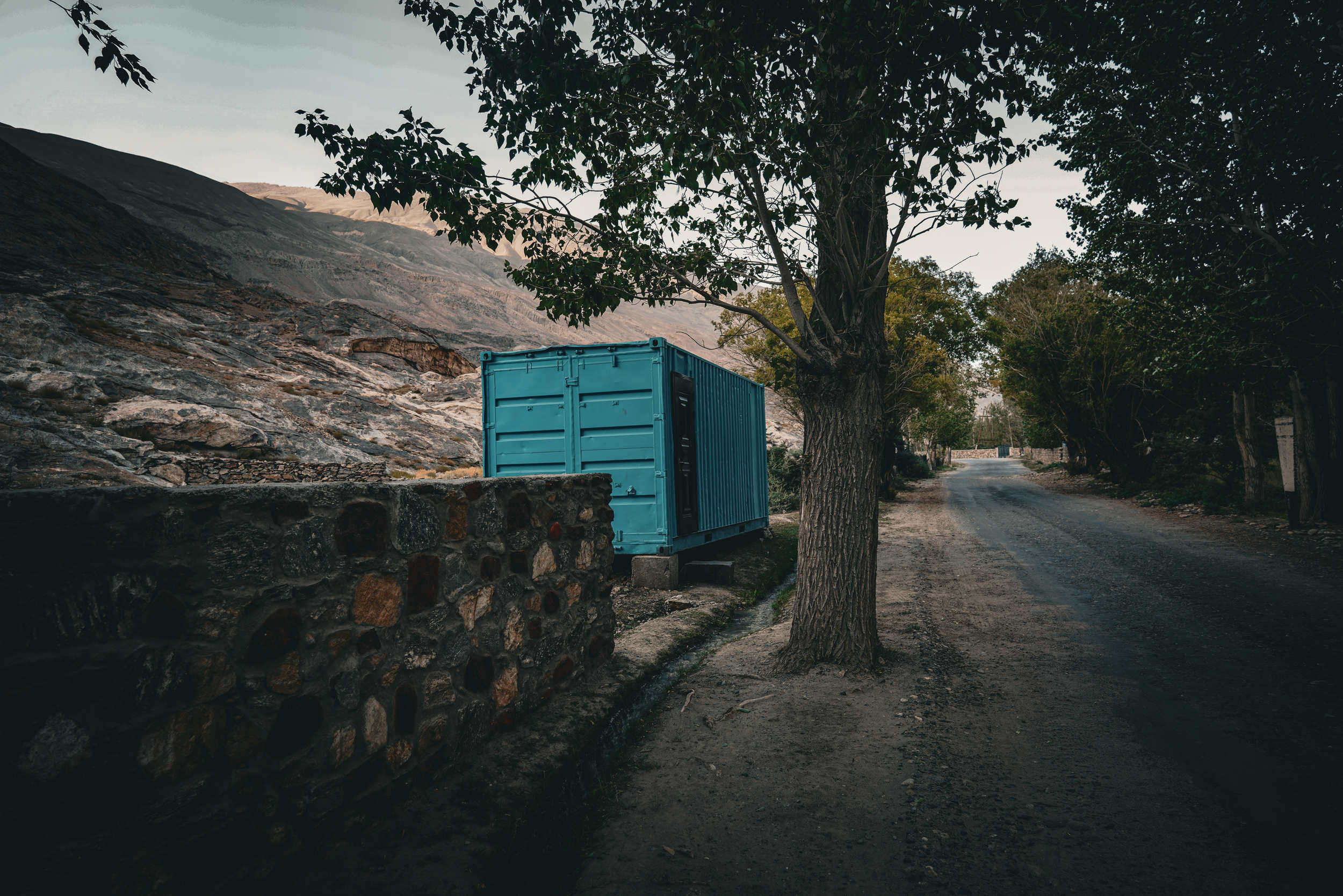
Two years ago, a storage wagon was introduced to the village to help farmers protect their seeds during the winter.
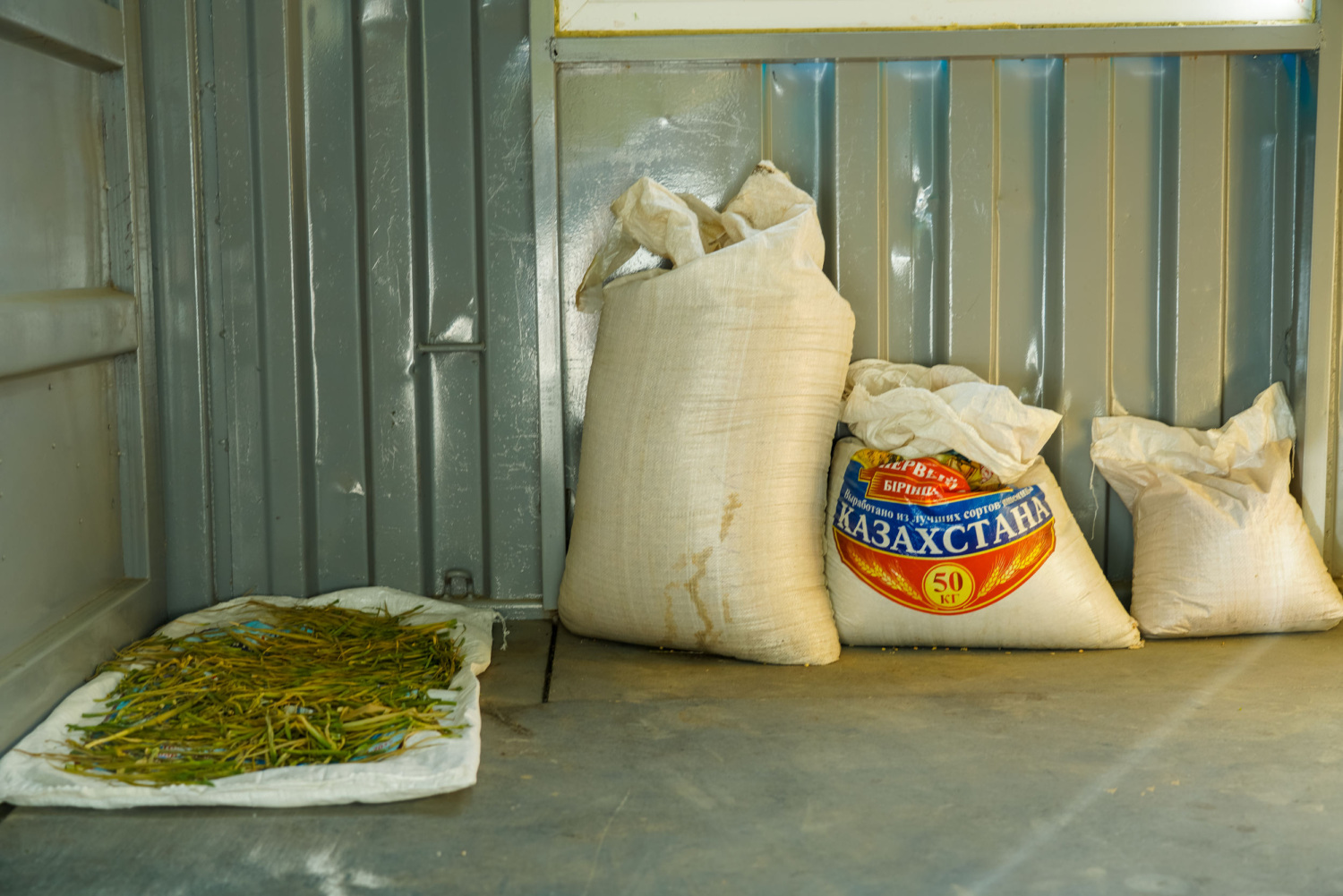
“It is for keeping seeds,” Dorghabek says. “People bring them, and they stay here.”
The wagon has helped reduce losses. Seeds and grain stored inside are protected from moisture and pests, and families can retrieve them in the spring in usable condition.
Community seed storage is a nature-based approach that helps strengthen climate resilience by protecting locally adapted crop varieties. By preserving seeds that have evolved in the local environment, farmers can maintain crop diversity, improve food security, and better adapt to changing weather conditions.
However, the support has been limited in scope.
“We have not seen its full benefit yet,” he says.
Community members had hoped for additional tools, especially small-scale machinery that could reduce labor and improve productivity.
“If there was a mini tractor, or a machine to help,” he adds, “It would be very good.”
The Cost of Farming
Access to quality seeds and fertilizer remains one of the most pressing challenges.
“Some seeds are sick,” Dorghabek explains. “The wheat becomes weak. The bread is not good.”
Farmers often cannot afford improved seeds or fertilizer. Prices are high, and agricultural income alone is not enough to cover these costs.
“People do not have money,” he says. “Many go to Russia or Iran to work. They send money back.”
Migration has become a necessary strategy for survival, filling the gap left by declining agricultural productivity.
“If good seeds and fertilizer are brought,” he says, “They would help a lot.”
Livestock, Land, and Continuity
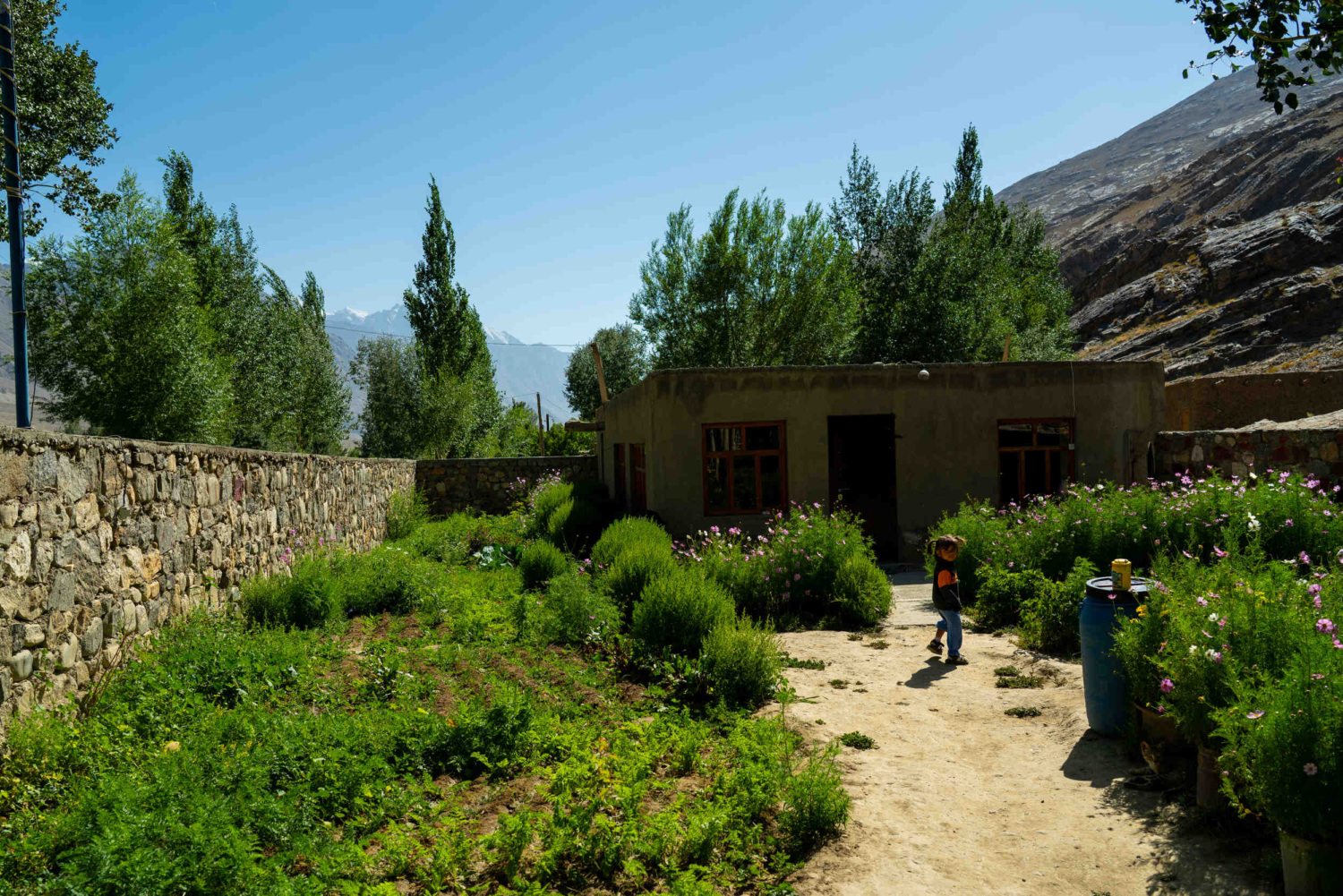
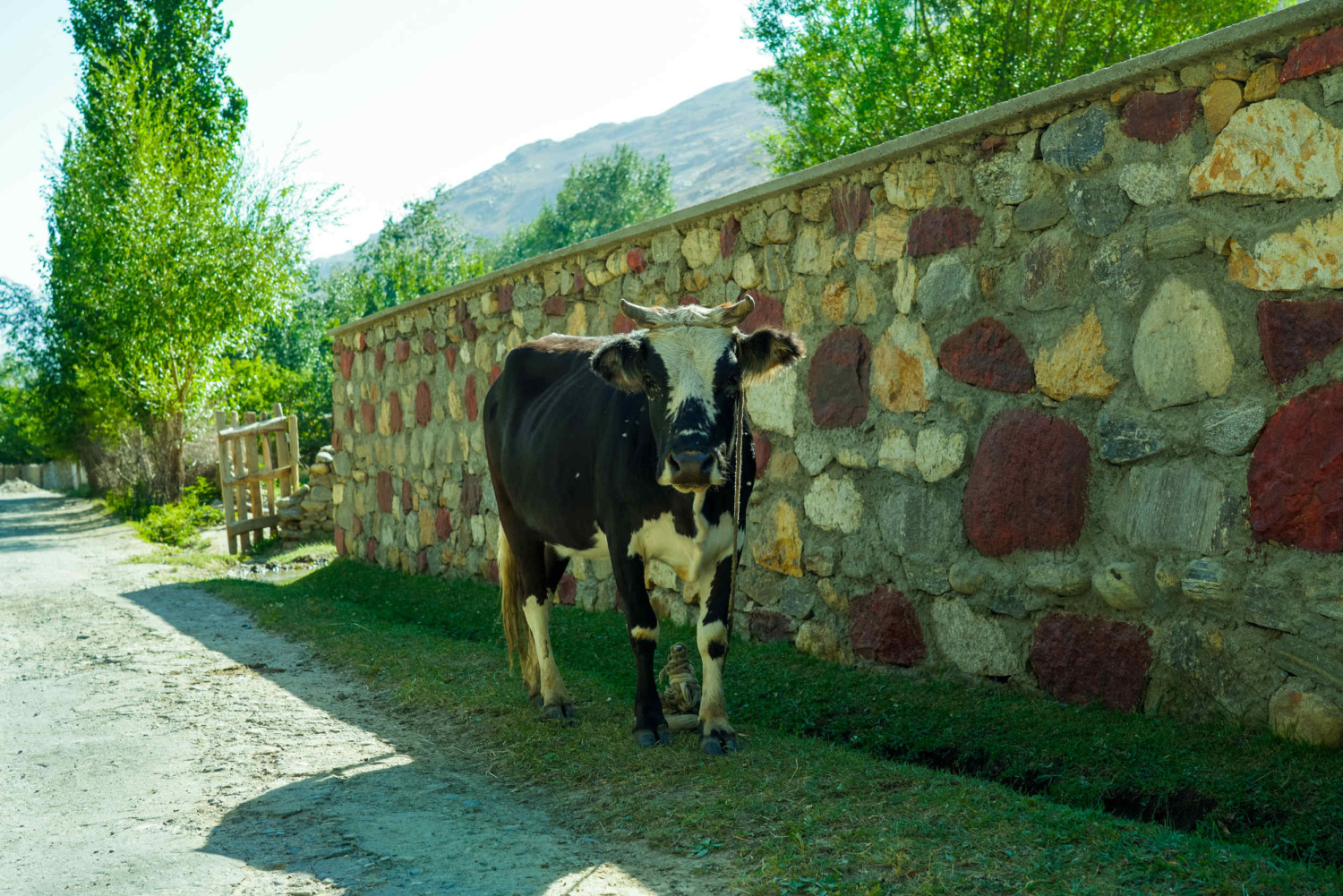
Despite these challenges, Dorghabek’s community continues to rely on livestock and land as the foundation of their livelihoods.
“People are mainly engaged in livestock,” he says. “Cows and animals, this is our main life.”
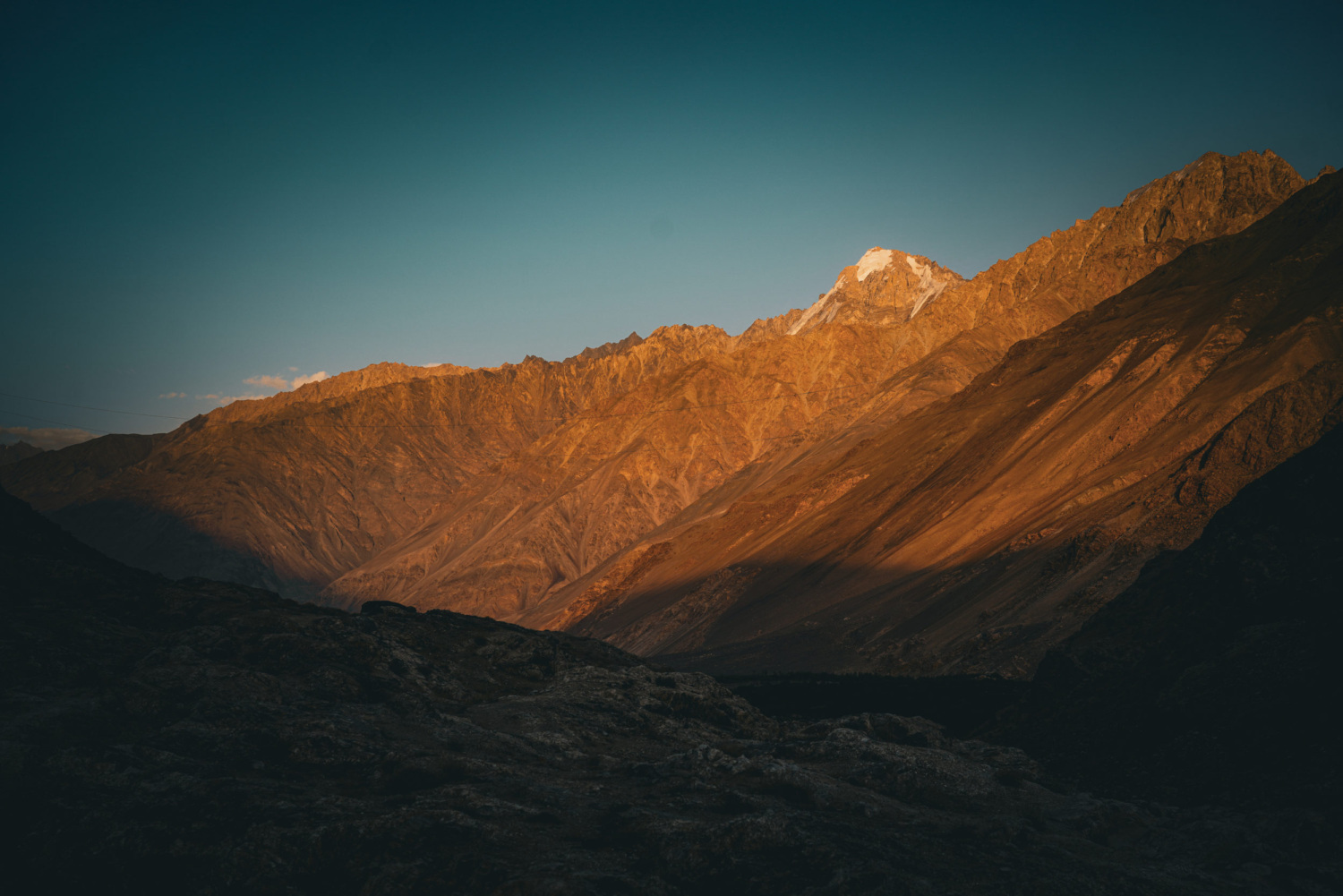
The surrounding landscape offers extensive grazing land, including areas that could support larger livestock such as yaks if supported by appropriate programs.
“Our pasture is very large,” he notes. “Very good for animals.”
Nature remains both a source of hardship and strength.
“Nature is strong,” Dorghabek reflects. “A good friend.”
Small Changes, Real Impact
Dorghabek does not frame his experience in terms of dissatisfaction. Instead, he speaks with measured realism.
“I am satisfied,” he says. “There is benefit. No harm.”
The seed storage wagon, while limited, has made a tangible difference. It protects harvests through the winter and reduces losses that would otherwise affect food security. Across many rural communities, preserving local seed varieties is recognized as an important adaptation strategy. Diverse, locally suited crops can help farmers respond to unpredictable rainfall, temperature changes, and emerging agricultural challenges.
“If there is help for the people,” he says, “That is enough.”
Looking Forward
Dorghabek’s story highlights the importance of practical, community-driven support.
Targeted interventions such as access to improved seeds, affordable fertilizer, small-scale machinery, and continued investment in storage and infrastructure could significantly strengthen resilience in Darshay.
These are not abstract solutions. They are needs expressed directly by the people who depend on them.
Communities like Darshay are adapting in real time to a changing climate. With the right support, their knowledge and experience can form the foundation of long-term, sustainable solutions.
For communities in the Pamirs, farming is not only an economic activity but also a relationship with the land passed down through generations. Traditional knowledge, seasonal practices, and respect for nature continue to shape how people grow food and care for their environment.