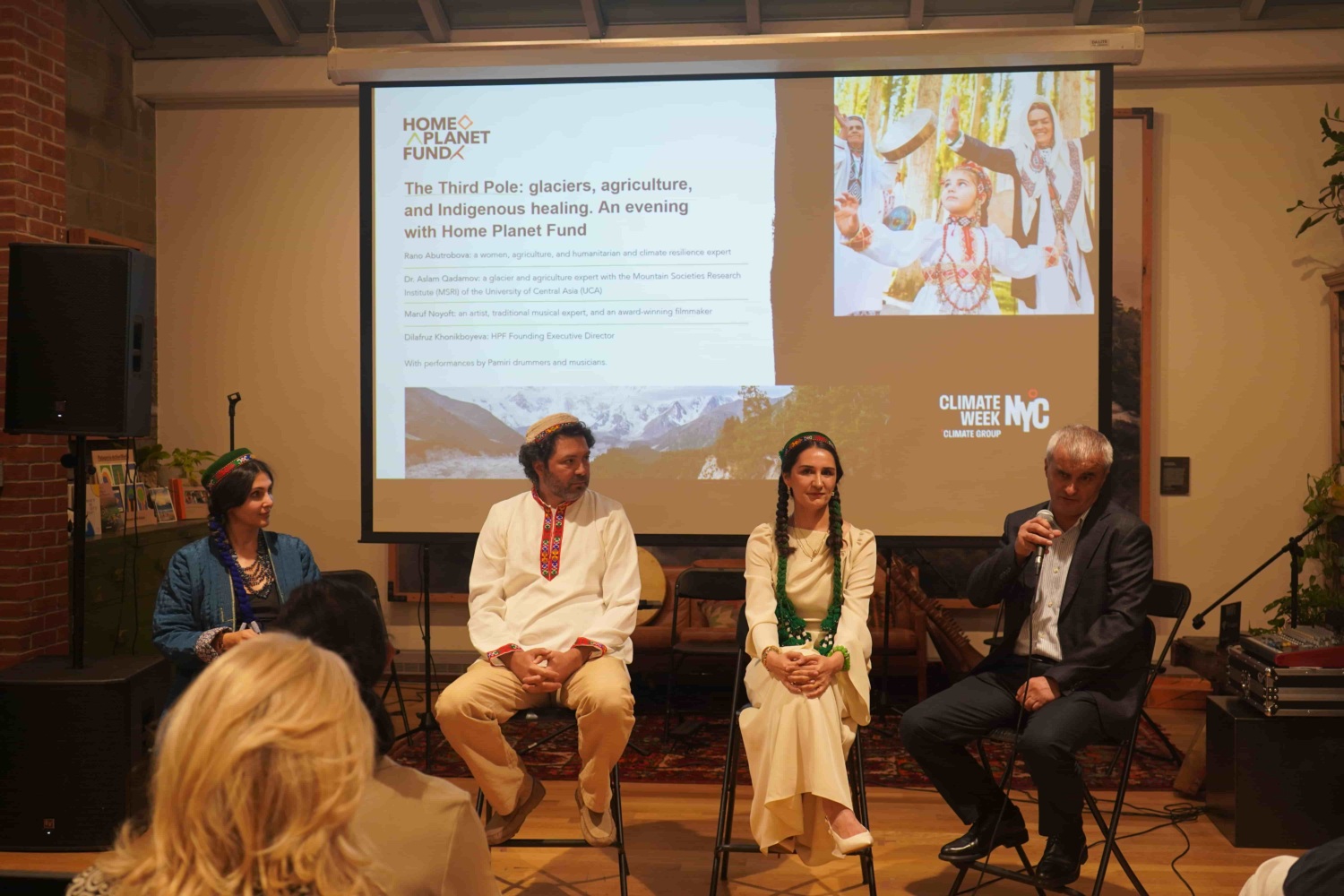
Dr. Aslam Qadamov’s research pays particular attention to how climate changes are impacting agriculture, water security, and mountain communities. He combines hydrological analysis, field-based research, GIS, remote sensing, and local knowledge to investigate environmental change and support climate-resilient water and natural resource management.
Glaciers were changing, the timing of water availability was becoming less predictable, and local people were increasingly talking about changes in snow, water, and seasonal conditions. This made me realize that studying glaciers alone is not enough.Dr. Aslam Qadamov
Home Planet Fund: How many years have you been studying glacier dynamics, climate change, the high-mountain regions of Central Asia, and what led you to this work?
Dr. Qadamov: I have been involved in climate-related research since around 2000, so for more than 25 years my work has been connected in different ways to climate, natural resources, agriculture, and environmental change in the mountain regions of Tajikistan. Over the last six years, I have focused more specifically on glaciers and their response to climate change, particularly in the Pamir Mountains.
My interest in glacier research developed naturally from my earlier work on climate, water resources, and agriculture. In Pamir, the connection between climate, snow, glaciers, rivers, and people is very direct. Local communities depend heavily on meltwater for irrigation, drinking water, livestock, and other livelihood needs. Over the years, I became increasingly interested in understanding how changes occurring high in the mountains, such as glacier retreat, changes in snowfall, and earlier snowmelt, are eventually reflected in river flow and water availability downstream.
What led me further into this work was also what I could see happening around us. Glaciers were changing, the timing of water availability was becoming less predictable, and local people were increasingly talking about changes in snow, water, and seasonal conditions. This made me realize that studying glaciers alone is not enough. We also need to understand what these physical changes mean for rivers, agriculture, and the communities whose livelihoods depend on mountain water. That connection between climate science, hydrology, and people’s everyday experience has become one of the main motivations for my research.
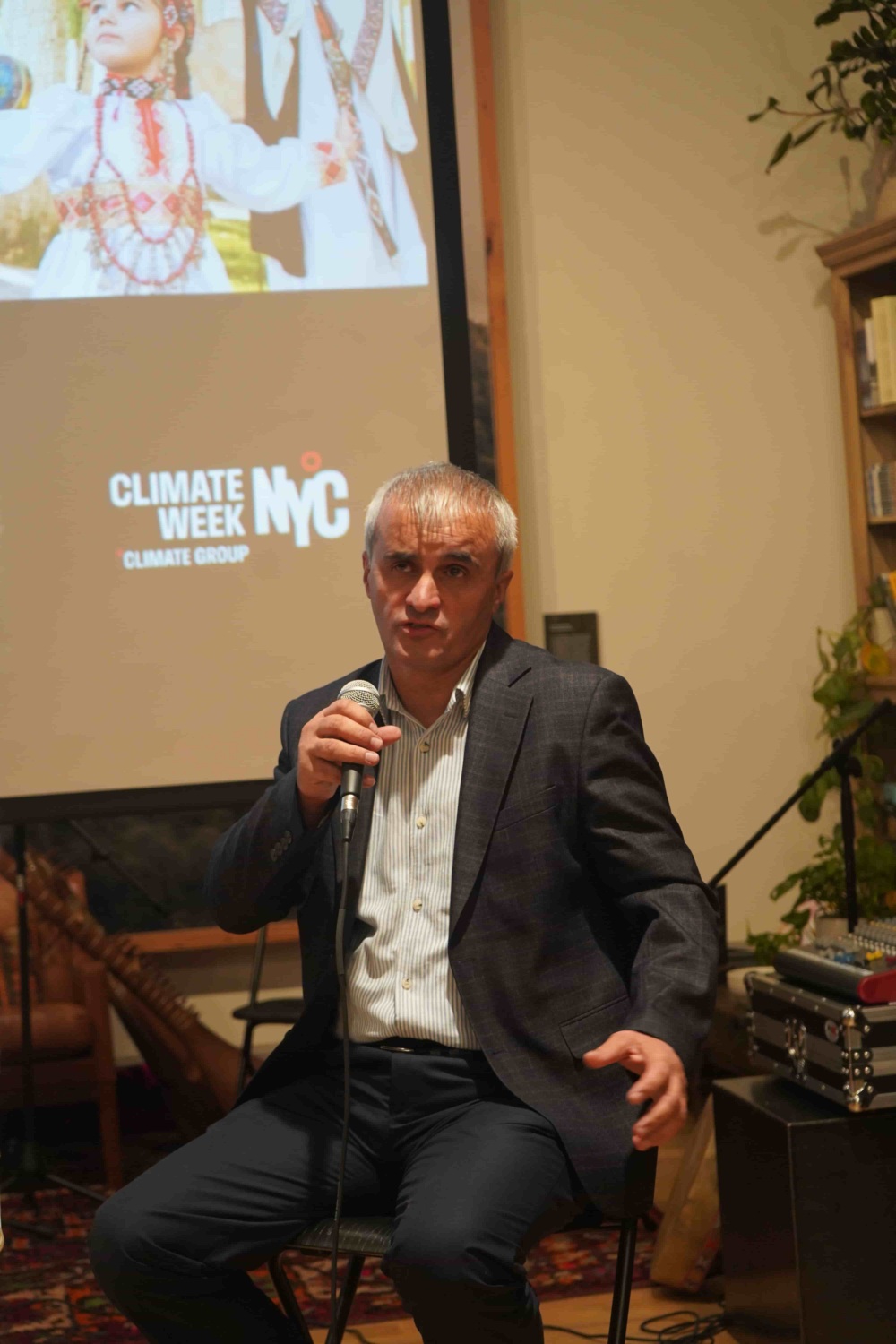
HPF: What is the “Third Pole” and where is it? Why is this such an important region of the cryosphere for the planet, and why is this region critical to the climate crisis?
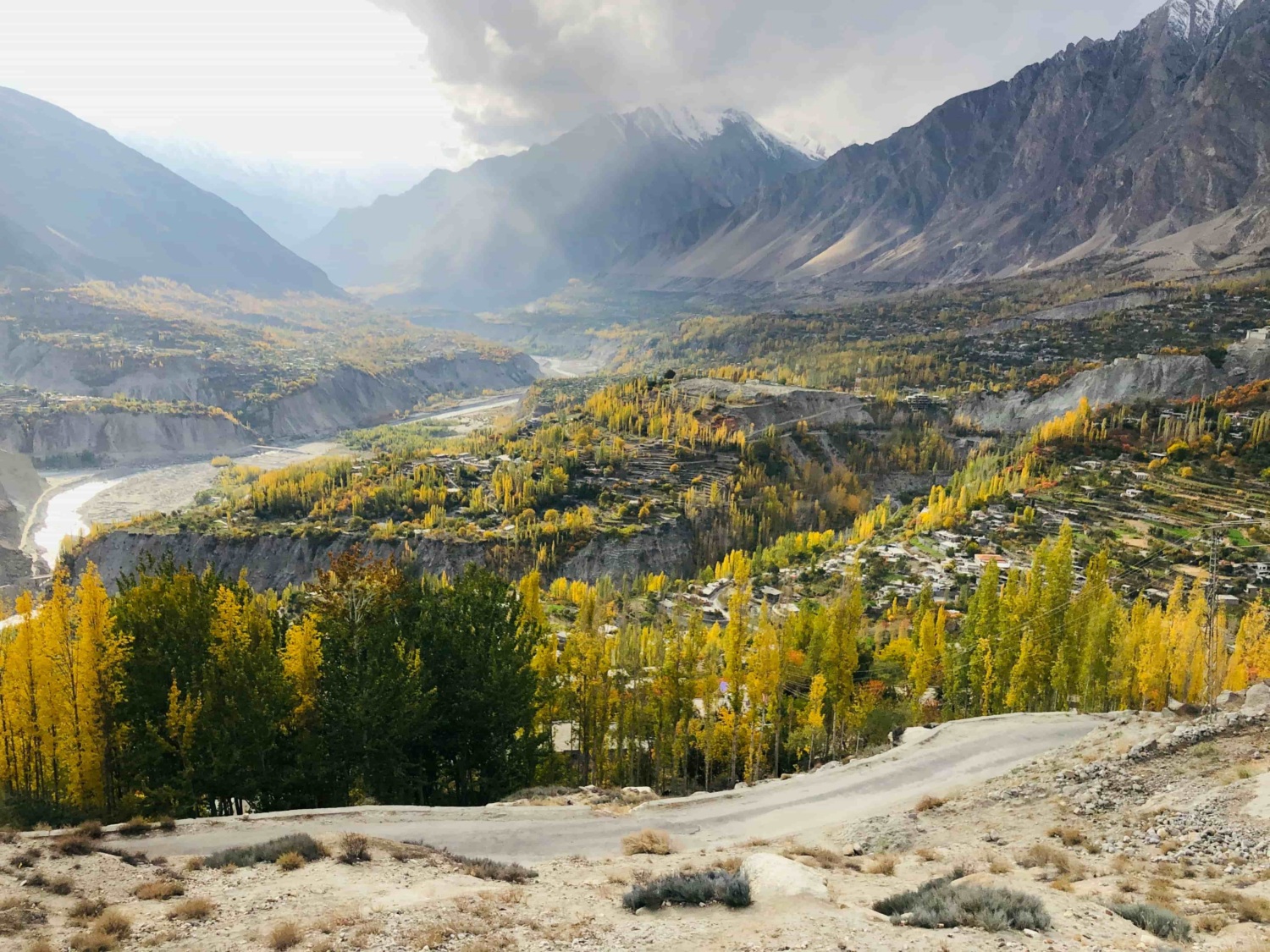
Dr. Qadamov: The Third Pole refers to the vast high-mountain region of Asia that includes the Himalaya, Hindu Kush, Karakoram, Pamir, Tien Shan and the Tibetan Plateau. It is called the Third Pole because, after the Arctic and Antarctic, it contains the largest concentration of snow, glaciers and frozen water on Earth.
For the people who live in and downstream of these mountains, the importance of the Third Pole is very practical: it is a major source of water. Snow and glaciers store water during the cold season and gradually release it during spring and summer. This meltwater feeds many of Asia’s major rivers and supports drinking water, irrigation, livestock, hydropower and ecosystems. Hundreds of millions of people depend directly on these mountain water sources, and many more depend on the large river systems that begin in this region.
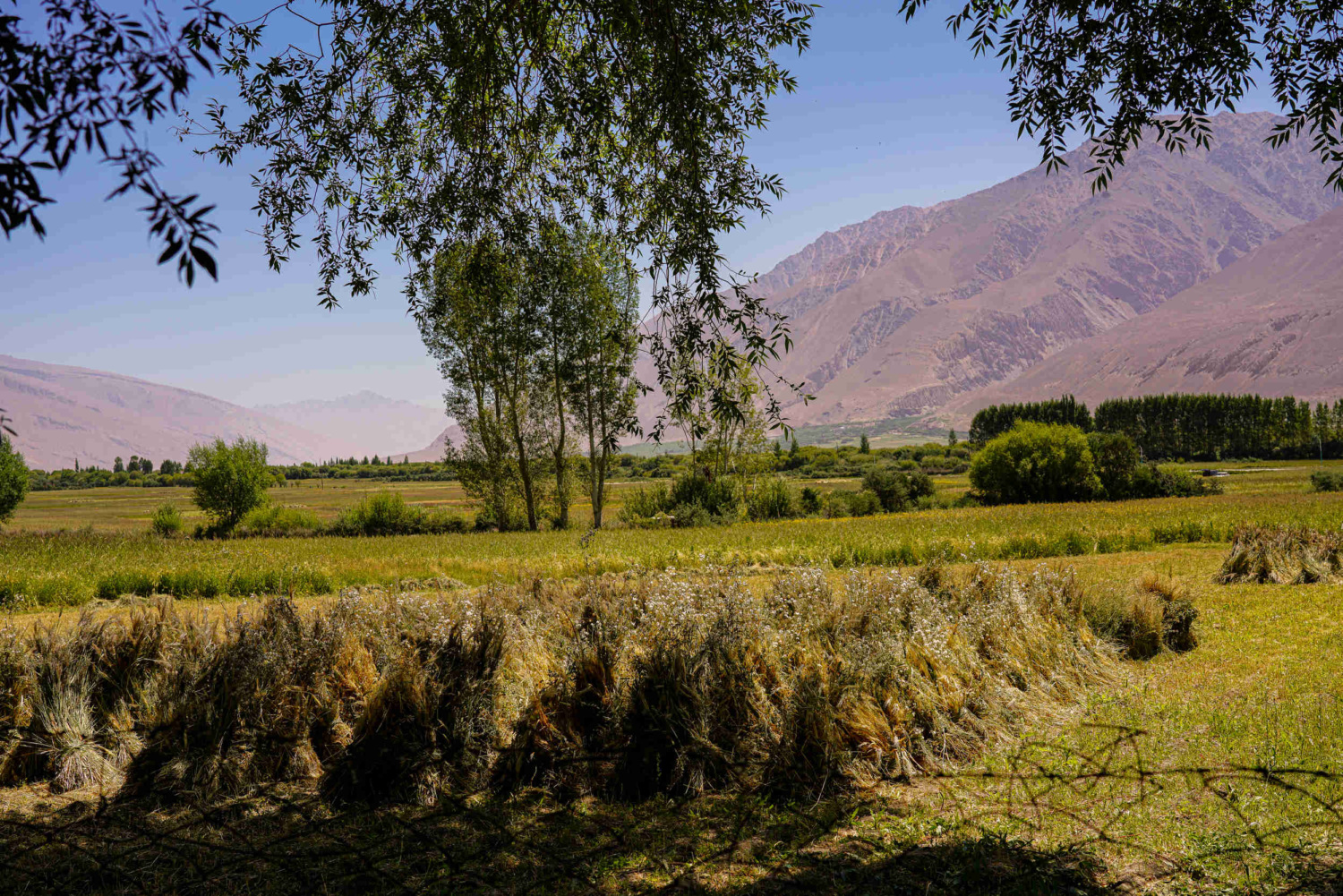
This is especially important in dry mountain areas such as the Pamir. Here, many communities have very limited rainfall, so snow and glacier melt are essential for agriculture and everyday life. Water is needed not only for drinking, but also for irrigating fields, growing food, supporting livestock and maintaining rural livelihoods. In many villages, the question is not simply how much water exists in a year, but when the water is available and how long it lasts through the summer and autumn.
Climate change is making this water supply less predictable. Snow can melt earlier, glaciers are retreating in many areas, and the timing of river flow is changing. In some places, increased glacier melt can temporarily provide more water, but this does not mean that water security is improving. As glaciers become smaller, their ability to store and release water over the long term will also decline. At the same time, earlier snowmelt can mean that more water arrives in spring, while less remains available later in the summer when farmers and households may need it most.
This is why changes in the Third Pole are not only an environmental issue, but they are also a human and development issue. Changes in water availability can affect food production, household income, energy production, health and even decisions about migration. When water becomes scarce, competition between upstream and downstream users can also increase, and traditional systems for sharing water come under greater pressure.
The Pamir is an important part of this wider Third Pole system. In our region, people have lived with snow, glaciers and seasonal water for generations and have developed their own knowledge and practices for managing these resources. By studying how water availability is changing and combining scientific measurements with the knowledge of local communities, we can better understand not only what climate change is doing to the mountains, but also what it means for the people whose lives depend on them.
For me, this is one of the most important aspects of the Third Pole: changes that begin high in the mountains eventually reach people’s fields, homes and livelihoods downstream. That is why protecting and understanding this region is so important in the context of climate change.
The farmers' observations pointed us toward a process that the available instrumental dataset did not fully capture. In this way, local knowledge did not replace scientific measurements, it helped us interpret them and identify what was missing. For me, working closely with local communities is not an additional part of the research; it is central to understanding environmental change in the Pamir.Dr. Aslam Qadamov
HPF: What kinds of changes have you witnessed over this time and which of these changes brings you the most alarm?
Dr. Qadamov: Over the years, I have seen clear changes in both the cryosphere and the way water moves through the Pamir landscape. Some of these changes are visible directly in the mountains-glaciers are retreating, snow cover is becoming less persistent in some areas, and people increasingly report that snow is melting earlier than it did in the past. Other changes become clearer when we analyze the long-term hydrological and climate records.
Our research on the Gunt River, one of the main rivers of the Western Pamir, provides a good example. Using more than six decades of discharge records, we found that the seasonal behavior of the river is changing. There are indications of earlier snowmelt and changes in the timing of spring runoff, while summer flows, particularly during the main snow- and glacier-melt season, have shown declining tendencies in more recent decades. At the same time, low-season flows during autumn and winter have generally increased. This means that climate change is not simply causing rivers to carry “more” or “less” water. It changes when the water arrives during the year.
This shift in timing is extremely important for mountain communities. In Pamir, much of the agricultural demand for water occurs during late spring and summer. If snow melts earlier and a greater proportion of runoff passes through the river before the period of highest irrigation demand, communities may experience water shortages even if the annual amount of water has not changed dramatically. In our Gunt River analysis, the strongest message was therefore not necessarily a large decline in total annual discharge, but a reorganization of the seasonal water regime.
We are also seeing greater variability between years. A winter with little snowfall can quickly become a difficult irrigation year. At the same time, warmer conditions and intense rainfall can increase the risk of floods, debris flows and other mountain hazards. Therefore, communities can face two very different problems: too little water during dry periods and too much water arriving suddenly during extreme events.
The change that concerns me most is therefore not one single glacier retreat or one flood event. It is the increasing loss of reliability and predictability of water. Mountain communities have developed their farming systems, irrigation schedules and traditional water-sharing arrangements around a seasonal rhythm that they have known for generations. If that rhythm changes, if snow melts earlier, glaciers shrink and late-summer water becomes less reliable, the consequences go directly to food production, household livelihoods and relationships between upstream and downstream water users.
This is why I increasingly think that the question we should ask is not only “How much water will climate change leave us?” but also “Will the water still be available when people actually need it?” For the Pamir, that may be one of the most important climate-change questions of the coming decades.
HPF: Can you discuss the Karakorum effect? What is it, why it is happening, where is it occurring? Can you cite any specific scientific studies about this?
Dr. Qadamov: The term “Karakoram effect,” more commonly called the Karakoram Anomaly, describes the unusual behavior of glaciers in parts of the Karakoram and neighboring mountain regions. While most glaciers across High Mountain Asia have been losing mass and retreating, many glaciers in the Karakoram were found to be relatively stable, and some even gained a small amount of mass during parts of the late twentieth and early twenty-first centuries. This contrasts with the widespread glacier loss elsewhere, and is what makes the region so interesting scientifically.
It is important to emphasize that this does not mean the Karakoram is unaffected by climate change. Rather, the response of its glaciers has been different because of the region’s particular climate. Several mechanisms have been proposed. These include relatively cool summer conditions, increased or sustained winter snowfall, greater cloud cover, and the influence of the mid-latitude westerlies, which bring much of the region’s winter precipitation. Some studies also point to changes in summer atmospheric circulation and humidity. The exact balance between these processes is still being investigated, so there is no single explanation that applies everywhere.
A recent ice-core study also found evidence that increased snow accumulation together with cooler conditions may have contributed to the anomaly in the Karakoram, again highlighting the importance of regional atmospheric circulation and the westerlies.
Another important point is that the phenomenon is not limited strictly to the Karakoram. Research has shown that similar stable or slightly positive glacier mass balances occurred in parts of the western Kunlun and parts of the Pamir. For this reason, some researchers have even used the term “Pamir-Karakoram anomaly.” However, the pattern is spatially very uneven. Some glaciers in the Pamir have experienced substantial retreat and mass loss, while others have been comparatively stable. Therefore, it is better to think of this as a regional anomaly rather than something affecting every glacier in the Pamir or Karakoram in the same way.
One of the most important studies was by Gardelle, Berthier and Arnaud (2012), published in Nature Geoscience. Using satellite data, they reported a slight glacier mass gain in the Karakoram during the early twenty-first century. This was one of the studies that firmly established the Karakoram Anomaly in the scientific literature.
A later study by Gardelle et al. (2014) extended the analysis across the Pamir–Karakoram-Himalaya and reported a slightly positive mass balance not only in the central Karakoram but also in the western Pamir during 1999–2011. They suggested that, at least for that period, the term “Pamir–Karakoram anomaly” might be appropriate.
Then, Farinotti et al. (2020) provided a major synthesis of the phenomenon. Their review showed that the anomaly includes not only relatively balanced glacier mass, but also unusual glacier dynamics such as stable or advancing termini, increased ice-flow velocities and widespread glacier surging. They also emphasized that the anomalous behavior extends partly into the western Kunlun and Pamir, but that its long-term continuation is uncertain under projected warming.
From the perspective of water availability, this phenomenon is particularly important. A glacier that remains stable for longer can continue to provide meltwater during dry summer periods, whereas a rapidly shrinking glacier may initially produce more meltwater but eventually lose its capacity to buffer drought and sustain late-season flow. Therefore, understanding whether glaciers in a particular Pamir watershed are retreating rapidly, remaining relatively stable, or behaving dynamically is essential for predicting future water availability for communities.
For the Pamir, I would also be cautious about applying the term too broadly. Our own research shows substantial glacier-area loss in parts of the Gunt River Basin, so the Pamir should not be treated as one uniform “anomalous” region. What makes it scientifically interesting is exactly this strong spatial variability-some glacier systems behave more like the Karakoram anomaly, while others are clearly retreating. Understanding why neighboring mountain systems can respond so differently to the same global warming is one of the important research questions for High Mountain Asia.
The Pamir is an important part of this wider Third Pole system. In our region, people have lived with snow, glaciers and seasonal water for generations and have developed their own knowledge and practices for managing these resources. By studying how water availability is changing and combining scientific measurements with the knowledge of local communities, we can better understand not only what climate change is doing to the mountains, but also what it means for the people whose lives depend on them.Dr. Aslam Qadamov
HPF: What is the role of local farmers and local communities using traditional ecological knowledge in their methods, and what kind of positive impacts might this have on cooling the region?
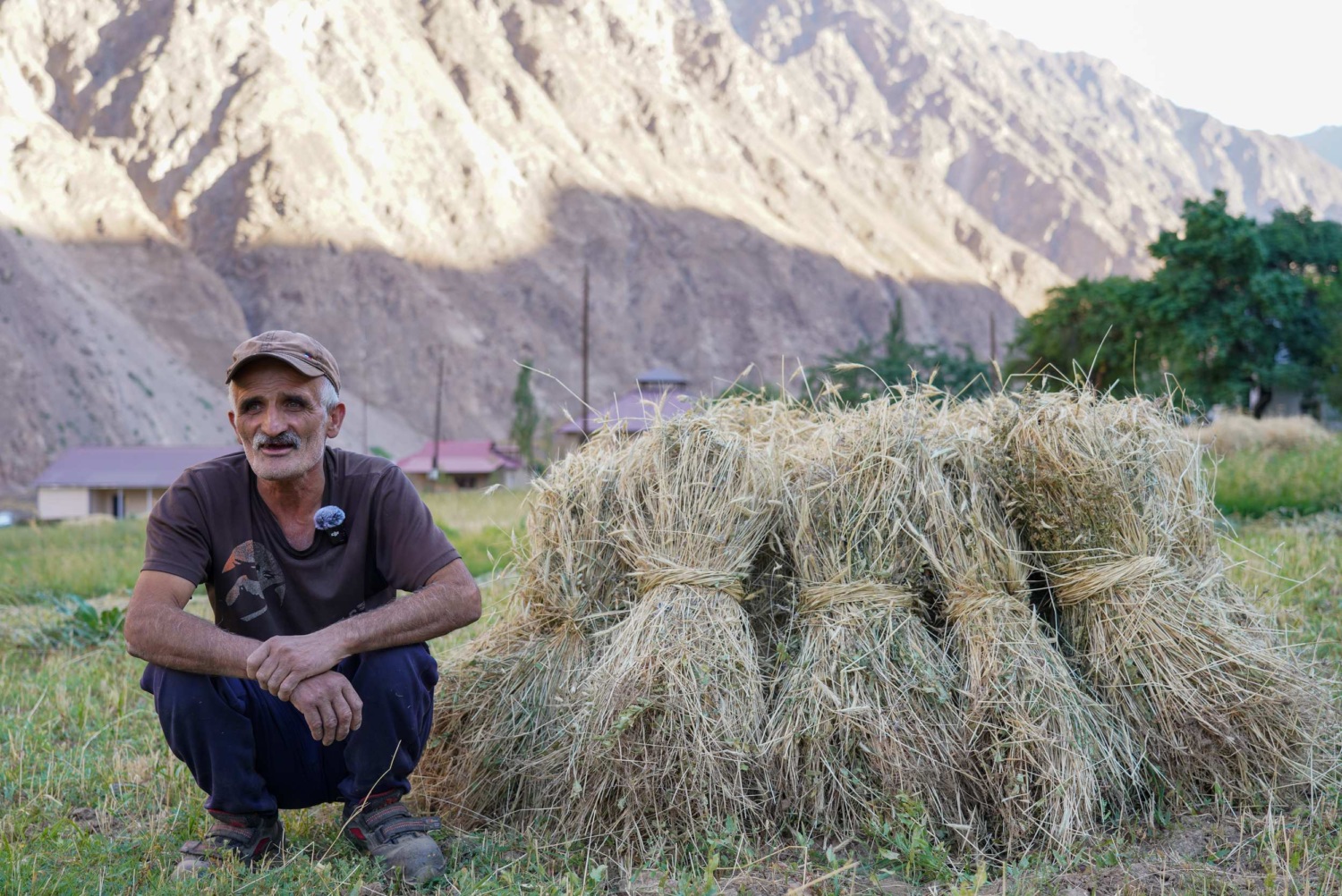
Dr. Qadamov: Local farmers and mountain communities in the Pamir have developed detailed knowledge of water, soils, crops, pastures, snow, and seasonal weather through generations of living in a very demanding environment. This traditional ecological knowledge is highly practical. Farmers know when particular water sources become available, which fields dry out first, how long snow remains on different slopes, which crops tolerate drought better, and how irrigation turns need to be adjusted during periods of shortage. Mirabs and other community members also play an important role in organizing water-sharing systems and resolving conflicts when water is limited.
These practices can make agriculture more resilient to climate change. For example, careful irrigation timing, maintenance of traditional canals, small-scale water storage, terracing, crop diversification, use of locally adapted varieties, manure application, mulching, and protection of vegetation can help retain moisture in the soil and reduce unnecessary water losses. Traditional pasture-management practices can also help prevent overgrazing, soil degradation, and erosion, which are important because healthy soils and vegetation retain water for longer.
There can also be a local cooling effect, although I would be careful not to say that these practices can cool the entire Pamir region. Well-managed irrigated fields, grasslands, trees, and other vegetation can reduce land-surface temperatures at the local scale. Vegetation provides shade and releases moisture through evapotranspiration, while moist soils generally heat up less quickly than dry, degraded ground. Maintaining vegetation cover can therefore create cooler and more humid microclimates around agricultural land and settlements, while also reducing dust and soil erosion.
The greater importance, however, may be in adaptation rather than regional cooling. Traditional knowledge helps communities use limited water more efficiently and maintain productive landscapes under increasingly variable conditions. In places where water arrives earlier or becomes less reliable later in the summer, this knowledge can help communities decide when to irrigate, which crops to plant, how to distribute scarce water, and which sources should be protected.
I also think it is important that scientists do not treat traditional knowledge simply as something from the past. It is a living system of observation. Local people often notice changes in snow, springs, river behavior, plant development, or the timing of seasons long before these changes appear clearly in short instrumental records. When this knowledge is combined with hydrological measurements, meteorological data, and remote sensing, we can develop a much more complete understanding of environmental change.
For this reason, our approach in the Pamir is not only to ask communities how climate change is affecting them, but also to learn how they are already responding. Some of the most realistic climate-adaptation solutions may come from strengthening existing local practices rather than introducing entirely new systems. The best results are likely to come when scientific knowledge and local experience are brought together.
The change that concerns me most is therefore not one single glacier retreat or one flood event. It is the increasing loss of reliability and predictability of water. Mountain communities have developed their farming systems, irrigation schedules and traditional water-sharing arrangements around a seasonal rhythm that they have known for generations. If that rhythm changes, if snow melts earlier, glaciers shrink and late-summer water becomes less reliable, the consequences go directly to food production, household livelihoods and relationships between upstream and downstream water users.Dr. Aslam Qadamov
HPF: What have you observed locally that science still needs to understand and learn from?
Dr. Qadamov: One thing I have learned from working in the Pamir is that local people often notice important environmental changes that are not immediately obvious in the instrumental records. This was very clear in our study in Porshinev Jamoat, where we combined 84 years of meteorological data with semi-structured interviews with local farmers. The scientific data showed significant warming in winter and spring, while the summer warming trend was much weaker and statistically insignificant. At the same time, many local farmers were telling us that summers had actually become cooler or less hot. At first, this appeared to be a contradiction between local perception and the meteorological record.
The local explanations helped us understand this much better. Farmers repeatedly mentioned an increase in summer cloudiness and changes in the seasonal distribution of precipitation. Our instrumental data also showed that precipitation had shifted somewhat from winter and spring toward summer and autumn. But in the Pamir, cloudiness does not always lead to substantial rainfall. Air masses can reach these high mountains after losing much of their moisture, so the sky may be cloudy while only a small amount of precipitation reaches the ground. Nevertheless, increased cloud cover can reduce incoming solar radiation and suppress daytime heating. This offered a plausible explanation for why summer temperatures were not increasing as strongly as winter and spring temperatures, and why local people perceived summers as cooler. The study concluded that the shift of precipitation toward summer was associated with a reduced local thermal regime and effects on crop maturation.
For me, this was a very useful lesson. If we had relied only on temperature and precipitation records, we might not have asked about cloudiness at all, because long-term cloud-cover observations are very limited in this region. The farmers’ observations pointed us toward a process that the available instrumental dataset did not fully capture. In this way, local knowledge did not replace scientific measurements, it helped us interpret them and identify what was missing.
This is especially important in Pamir because the meteorological network is sparse, particularly at higher elevations, and mountain climate can vary greatly over short distances. A weather station may tell us what happened at one location, while farmers, shepherds and Mirabs observe conditions across different elevations, slopes, fields, springs and water sources every day. They can often describe changes in snow persistence, cloudiness, wind, the timing of river flow, spring discharge, crop development and pasture conditions over many decades.
I therefore think science still has much to learn about these small-scale connections between atmosphere, snow, glaciers, water and livelihoods. Some of the most important signals may not yet be represented adequately by our monitoring systems. Combining long-term scientific data with carefully collected local observations can help us identify these missing processes, formulate better research questions and understand why climate change is experienced differently from one mountain community to another.
Our Porshinev study was an important example of this approach. Rather than asking whether scientific data or local knowledge was “correct,” we asked what we could learn by putting the two together. In a complex mountain environment such as the Pamir, I believe that is one of the most productive ways forward.
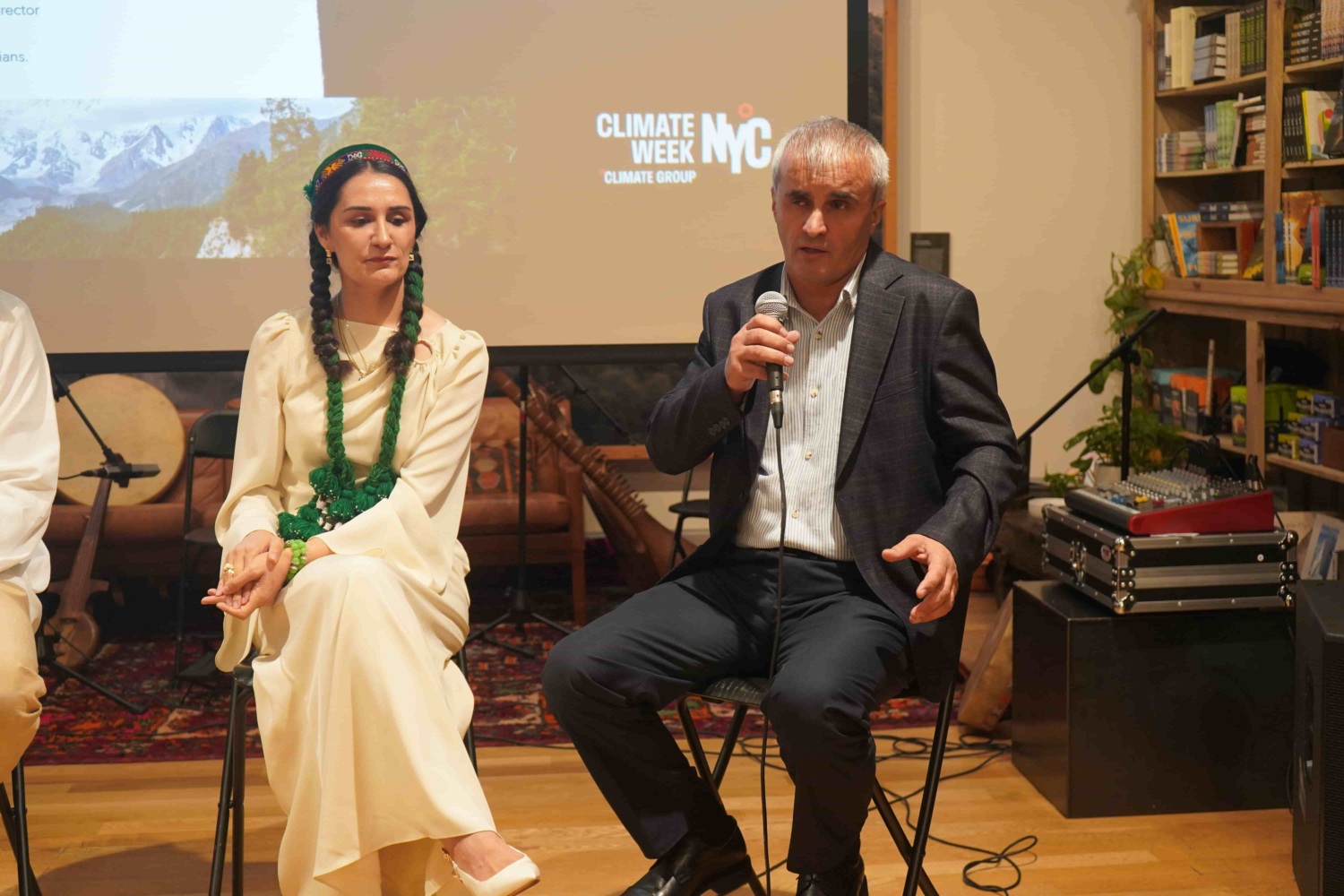
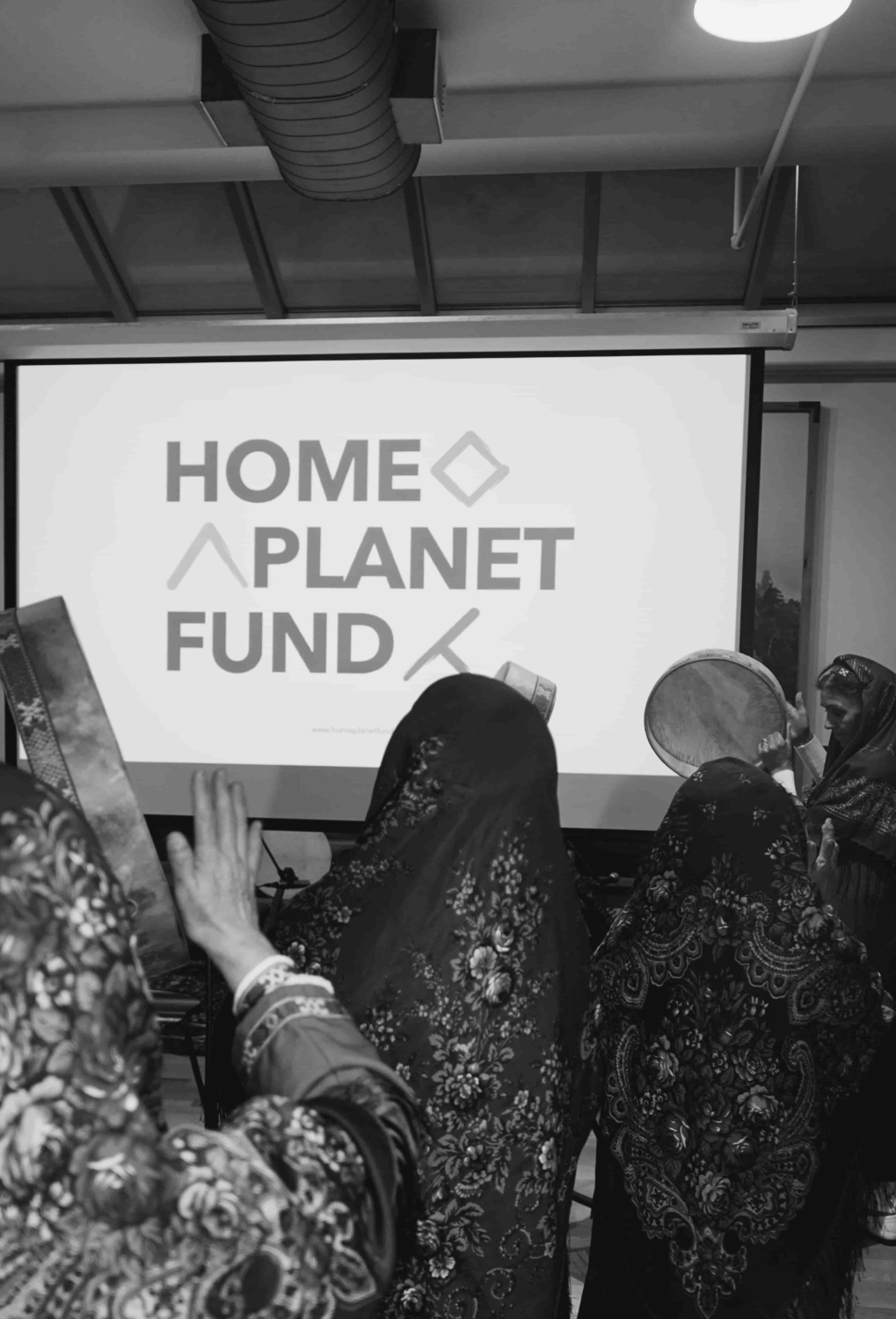
Watch the full video of Home Planet Fund's NY Climate Week event, featuring Dr. Aslam Qadamov speaking on a panel about the Pamir Mountains.
HPF: Your area of study, and its uniqueness in working closely with the Indigenous and local people in the areas is an important model for western scientists to follow. Can you share about why this is so important to you personally to approach these studies in this way, and what inspired you to do so?
Dr. Qadamov: For me, working closely with local communities is not an additional part of the research; it is central to understanding environmental change in the Pamir. I come from this region and have spent many years working on climate, water, agriculture and natural resources in mountain areas. Because of that, I have seen that people who live in these landscapes observe changes continuously, often over several decades and across places where scientific monitoring is limited or completely absent. Farmers, shepherds, Mirabs and older residents develop a very detailed understanding of snow, water, soils, pastures, weather patterns and seasonal change through everyday experience.
This became especially important to me when I saw that local knowledge can sometimes help explain patterns that scientific data alone cannot fully interpret. In our work in Porshinev, for example, local people helped us understand why summer temperature trends appeared weaker than those in winter and spring. Their observations about increasing cloudiness pointed us toward an explanation that was not obvious from temperature and precipitation records alone. Experiences like this convinced me that local knowledge should not simply be treated as anecdotal information; it can help scientists identify missing processes, formulate better questions and interpret data more accurately.
I also believe there is an ethical reason for working this way. Communities in the Pamir are not just “study sites.” They are the people living with the consequences of climate change, glacier retreat and changing water availability. They have their own knowledge, institutions and strategies for adapting. If research is conducted without listening to them, we risk producing technically correct results that are not useful in practice. By involving communities from the beginning, we can better understand which changes matter most to them and which responses are realistic.
This is particularly important for water. A hydrological model may tell us how river discharge is changing, but a farmer or Mirab can explain what that change means for an irrigation turn, a crop, a downstream household or a conflict between users. The scientific measurement and the human experience describe different parts of the same system. Bringing them together gives us a much more complete picture.
What inspires me most is the possibility of making research useful beyond academic publication. I want our work to contribute to practical decisions about water management, agriculture and climate adaptation, while also giving proper value to the knowledge that already exists within mountain communities. I think this approach can also be useful for scientists coming from outside the region, to spend time listening, to build trust, and to see local people not only as respondents, but as partners in understanding environmental change.
HPF: Anything else you would like to add?
Dr. Qadamov: I would add that climate change in the Pamir should not be understood only through the question of glacier retreat. What matters just as much for local people is how these changes affect the timing, reliability and accessibility of water. A river may still carry water, but if the seasonal pattern changes and less water is available during the months when crops, livestock and households need it most, the social and economic consequences can be serious.
Another point I would emphasize is that mountain communities should be seen as part of the solution. They have adapted to difficult environmental conditions for generations and already possess important knowledge about snow, water, agriculture and seasonal change. Our responsibility as researchers is to combine this knowledge with hydrological measurements, climate records and remote sensing in a respectful way and to turn the results into something useful.
For me, the most important outcome of this work would be not only a better scientific understanding of climate change in the Pamir, but also practical recommendations that help communities prepare for a less predictable water future. This is one of the reasons I value partnerships such as the work we are doing with the Home Planet Fund: they create an opportunity to connect research directly with people, local institutions and adaptation on the ground.
Ultimately, the Pamir is a relatively small part of the global cryosphere, but the challenges we see here are shared by many mountain regions around the world. What we learn about changing snow and glaciers, seasonal water availability, local knowledge and community adaptation in the Pamir can therefore contribute to a much wider conversation about how mountain societies can live with climate change.