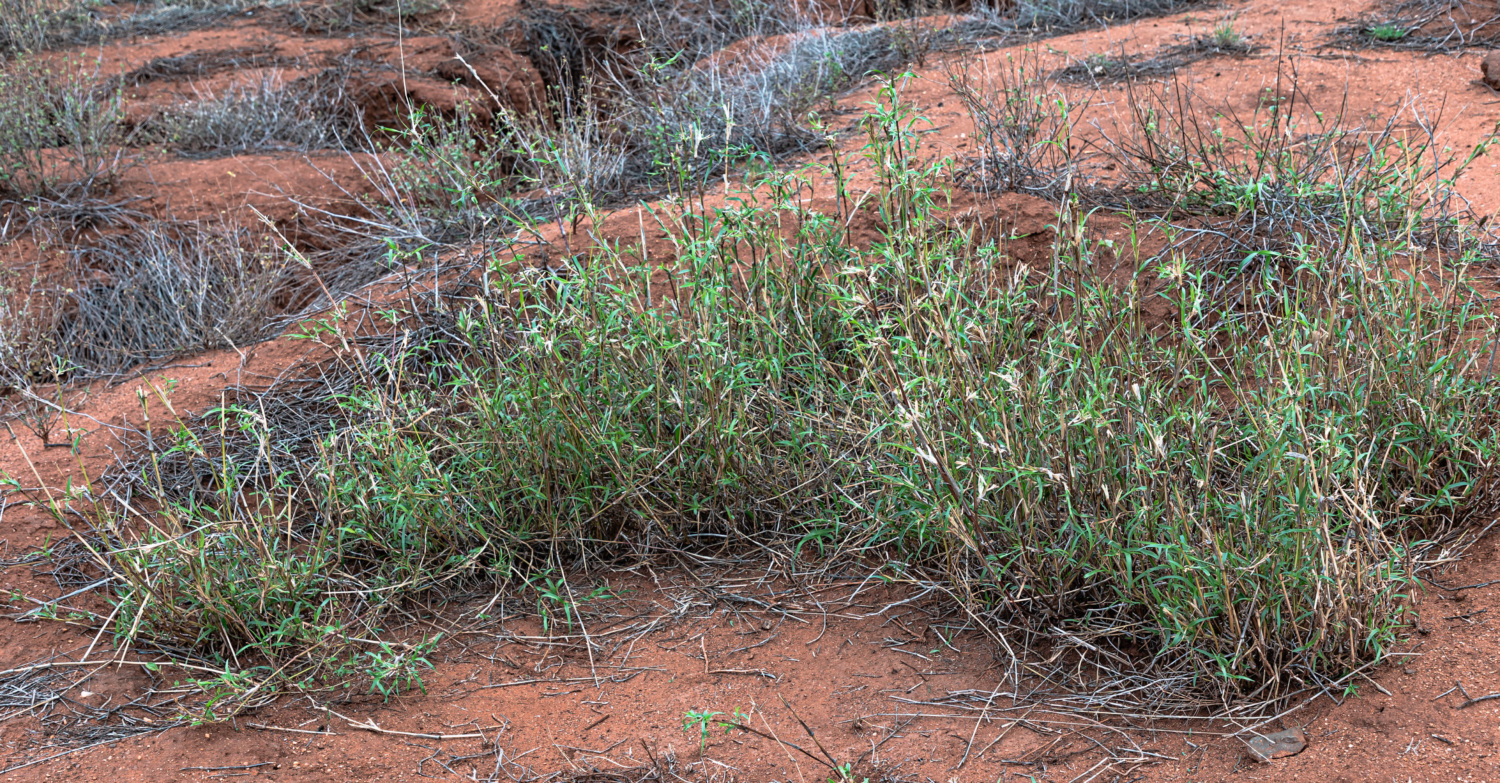
The Grass Seed Bank
While PWC has been actively running projects across Tanzania for decades, one of Home Planet Fund’s first collaborations with them is funding a grass seed bank.
Given that pastoralism sequesters between 200-500kg of carbon per hectare annually, Home Planet Fund is keen to support this process from the very beginning: seeds.
PWC recently held meetings with village governments to explain the importance of restoring degraded rangelands and why this matters to pastoralists. As a result, 20 acres for the grass seed bank were secured and approved by the communities.
PWC has actively trained two community groups totally 60 members in governance of the seed banks.
The native grass seed to be stored in and distributed by the seed bank has already been purchased.
When the seasonal rains begin, shallow crescent-shaped pits that catch rainwater and hold it in the soil, called half-moon bunds (sometimes called Earth-smiles), will be dug on the land to be restored.
The project has a plan for a minimum of 2,000 of these, with as many as 3,000 to be implemented across the 20 acres.
Once the grass is established, it will mature in the spring of 2027, and restoration will be achieved.
The project is referred to as “a living project” by PWC. This is because the communities and their lands in the area where it is being implemented have been under great pressure from climate impacts, game reserves, and wildlife management areas. Due to these factors, among others, they are left with less land, and much of the remaining land is degraded.
Hence, restoring it provides pastoralist families useable land, provides income for women from selling seed, and in the dry season it reduces how far herders must travel to find pasture.
Village Community Bank
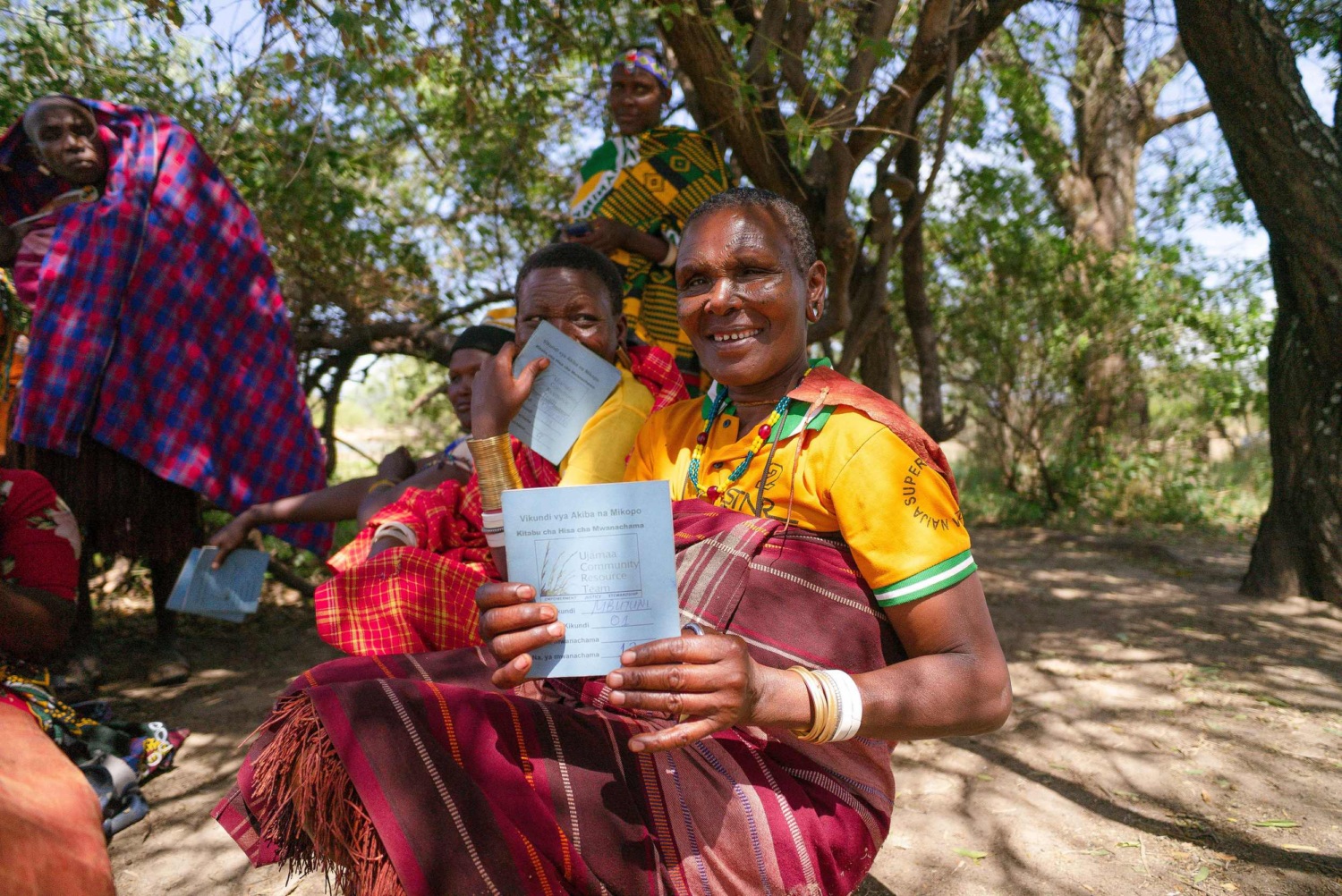
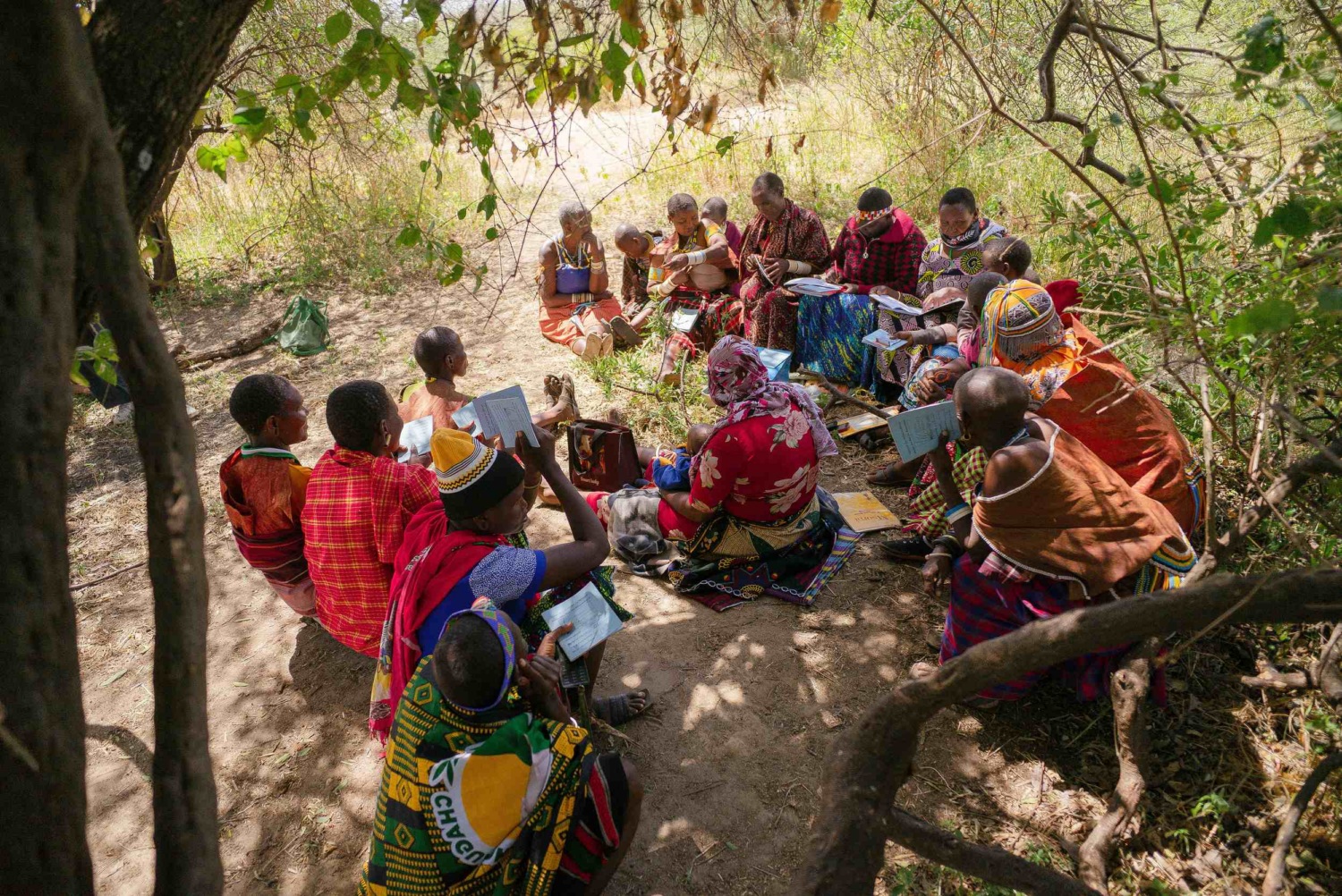
In a move that adds resiliency and sustainability to the project, PWC has also trained the two groups involved with the seed bank in VICOBA (Village Community Bank). These are a grassroots, microfinance model where community members pool their savings in order to provide small loans and financial services to one another.
The VICOBA meet weekly, during which time plans for the seed bank are discussed as well.
VICOBA is working as a platform for women’s economic empowerment. It has helped women build a savings culture, access affordable credit, start and expand businesses, and translate financial gains into household assets and resilience.
For women in pastoralist communities, limited income, distance from formal financial institutions, lack of collateral, and low financial literacy can make conventional finance inaccessible. PWC’s VICOBA model responds with a practical, member-owned mechanism: women save together, borrow from group capital, invest in livelihoods, and hold one another accountable.
The assessment shows a clear progression. Participation moved women from limited saving and low business ownership toward regular saving, enterprise activity, asset accumulation, and stronger household welfare. The model has also grown substantially for PWC, from 242 groups in 2018 to 906 groups by 2025, demonstrating strong community acceptance and a foundation for scaling up as it continues to grow across Tanzania.
The results have been phenomenal. According to PWC:
- By 2025 there are nearly 1,000 VICOBA Groups
- 98% of members have reported a savings account after joining
- 79% business ownership after joining
- 82.3% of households eating 3 meals/day after joining
- 87.9% said VICOBA helped cope with climate shocks
- 99.4% are confident VICOBA will continue


A Model for Just and Fair Tourism in Tanzania
Tourism generates 17 percent of Tanzania’s GDP, generates 25 percent of total foreign exchange earnings, and brings substantial revenue to national and international tourist businesses.
Yet Indigenous communities receive only a small portion of this, or nothing at all, as in the case of Ngorongoro, one of the largest safari tourism areas in Tanzania.
For the Maasai and PWC, the four biggest problems associated with tourism are:
- Safari tourism contributes to land alienation and restricts access to grazing areas and key strategic resources.
- Trophy hunting grabs land and violates human rights: it raises serious moral, ethical and environmental concerns.
- Tourism is taking place without consent from their communities.
- Their communities are not benefiting from tourism.
Hence, despite having safeguarded their land for centuries, and preserved their culture, Maasai communities are not benefiting from the current model of tourism.
A New Model
PWC are working towards a model of tourism that respects Maasai lands, dignity, culture and their human rights. In this model, tourism is community-led and benefits their community.
In this new model, the following demands must be met:
- No land grabbing, no tourism without coexistence with the communties.
- No trophy hunting.
- No tourism without consent from the communities.
- No tourism without community benefits.
This is safari tourism without exclusion and dispossession.
It is a new tourism that respects the land, the Maasai way of life, and their collective future.
These are just a few examples of the outstanding work of PWC, and why Home Planet Fund is both grateful and proud to be in partnership with them.
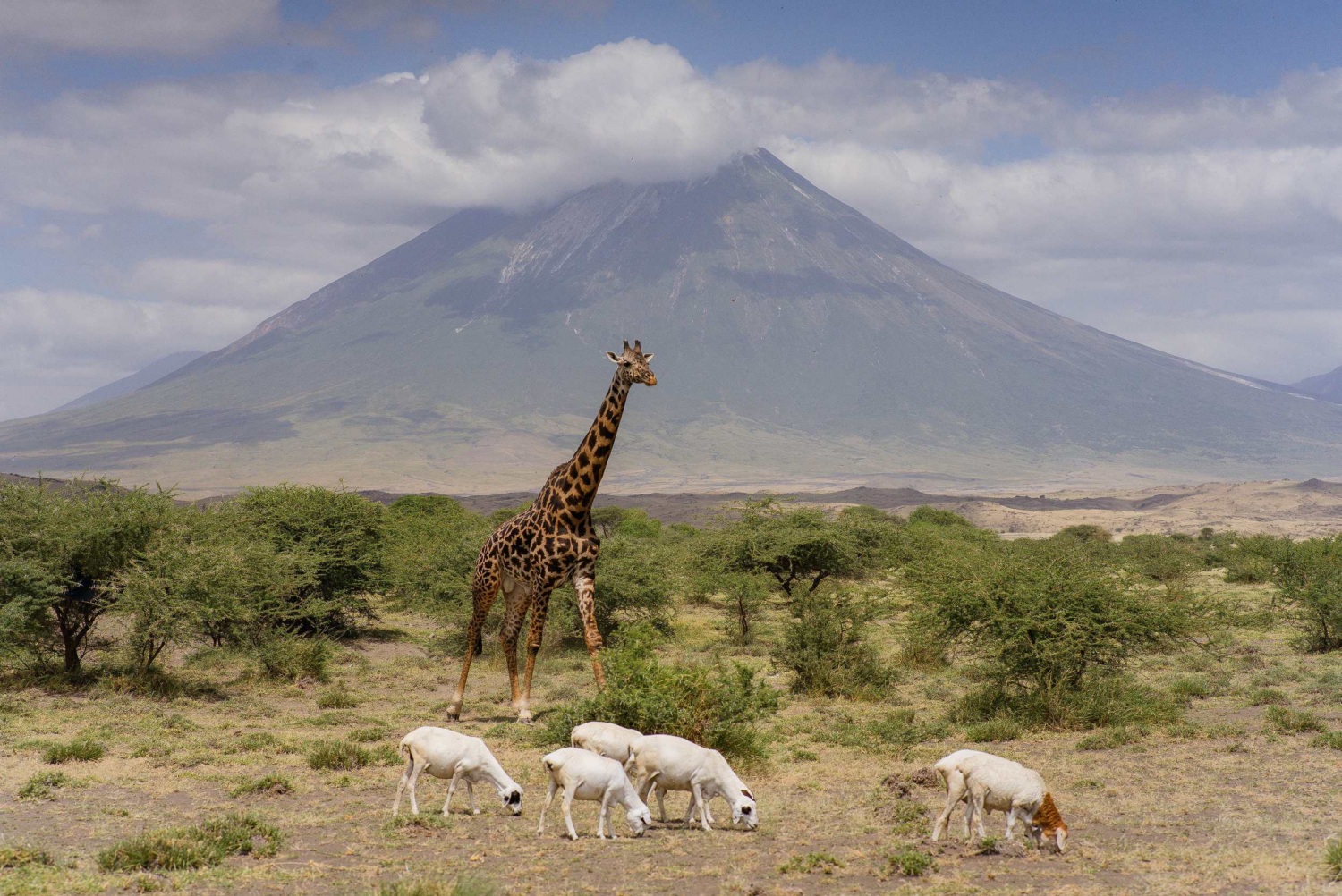
Through its foundational work, PWC play an integral role in supporting pastoralist women and their families in the regions of Tanzania where they work by doing generative work in these areas:
- Women’s Rights, Agency, and Leadership: Aims to achieve gender equality and empower pastoralist women as decision-makers with equal rights.
- Women’s Economic Empowerment: Focuses on the economic empowerment of pastoralist women.
- Access to Quality Education: Enhancing educational opportunities for pastoralist girls, addressing barriers to quality education.
- Women’s Health and Wellness: Enhancing the well-being of pastoralist women by addressing issues related to sexual and reproductive health and hygiene.
- Climate Adaptation and Justice: Enhancing the resilience and adaptation of pastoral communities to the challenges posed by climate change.
- Clean Water Access: Emphasizes the importance of providing clean water to communities.