Enhancing Household and Economic Resilience
The animals provide food and milk, and can be sold to generate money that can be used to pay for school fees and hospital bills.
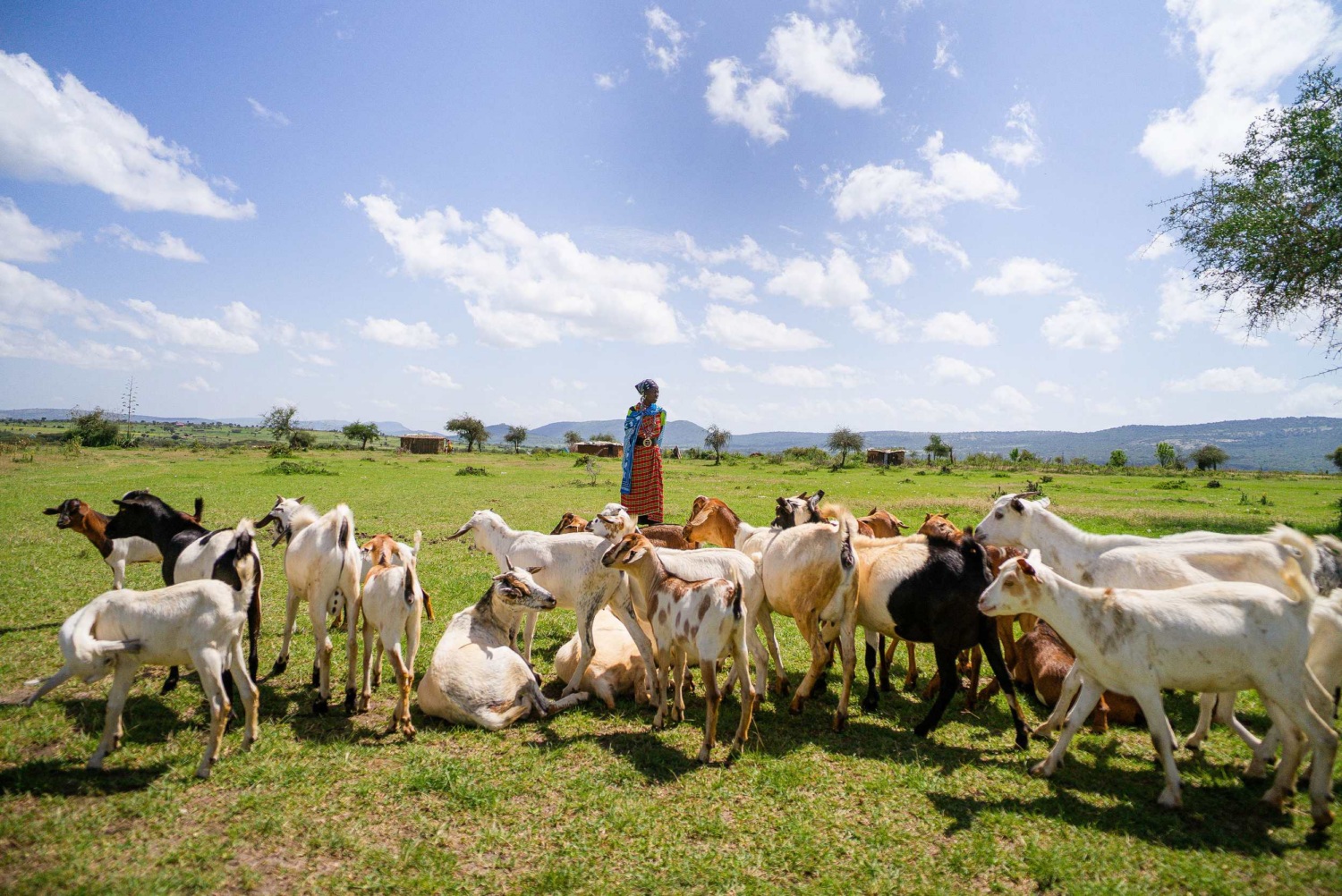
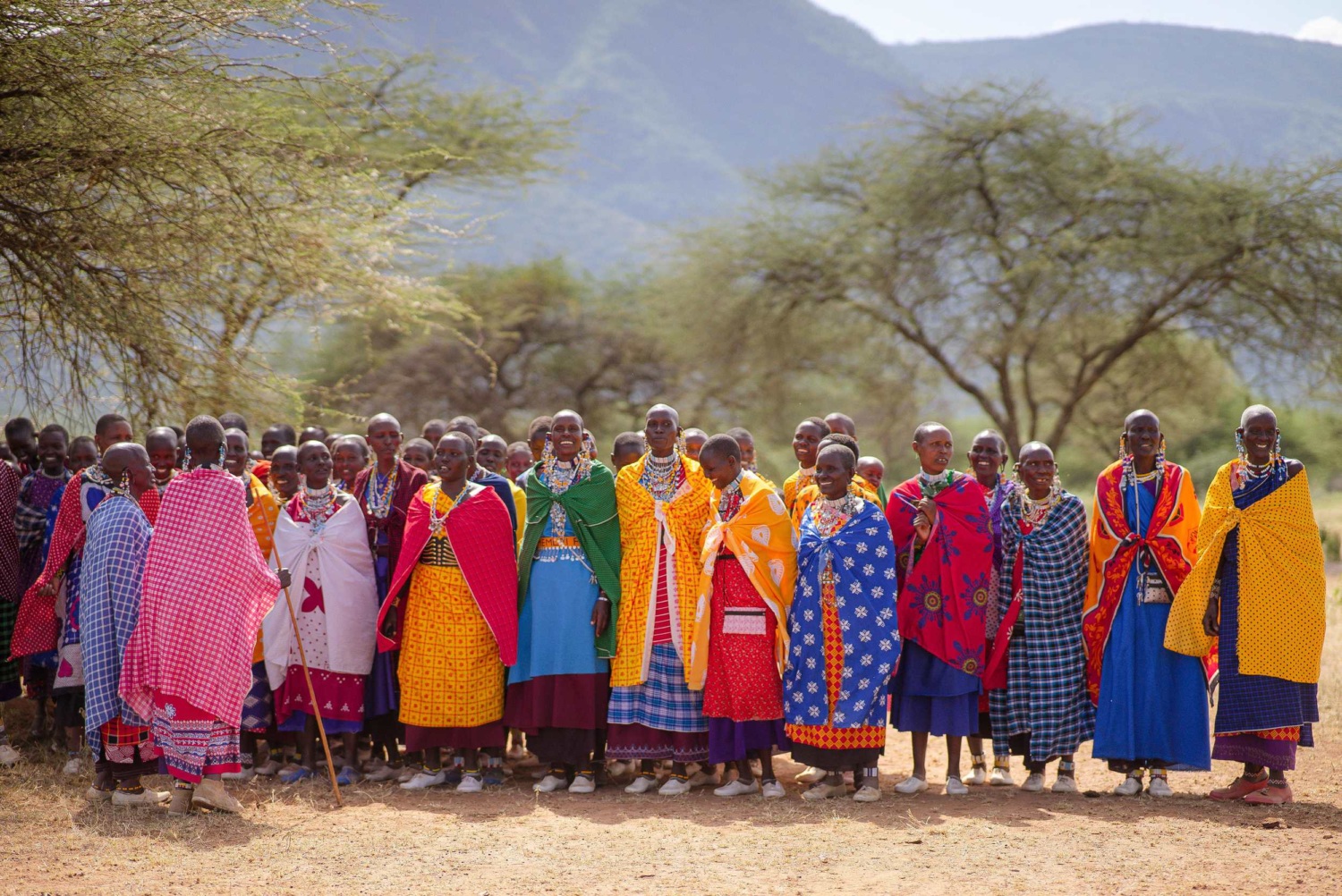
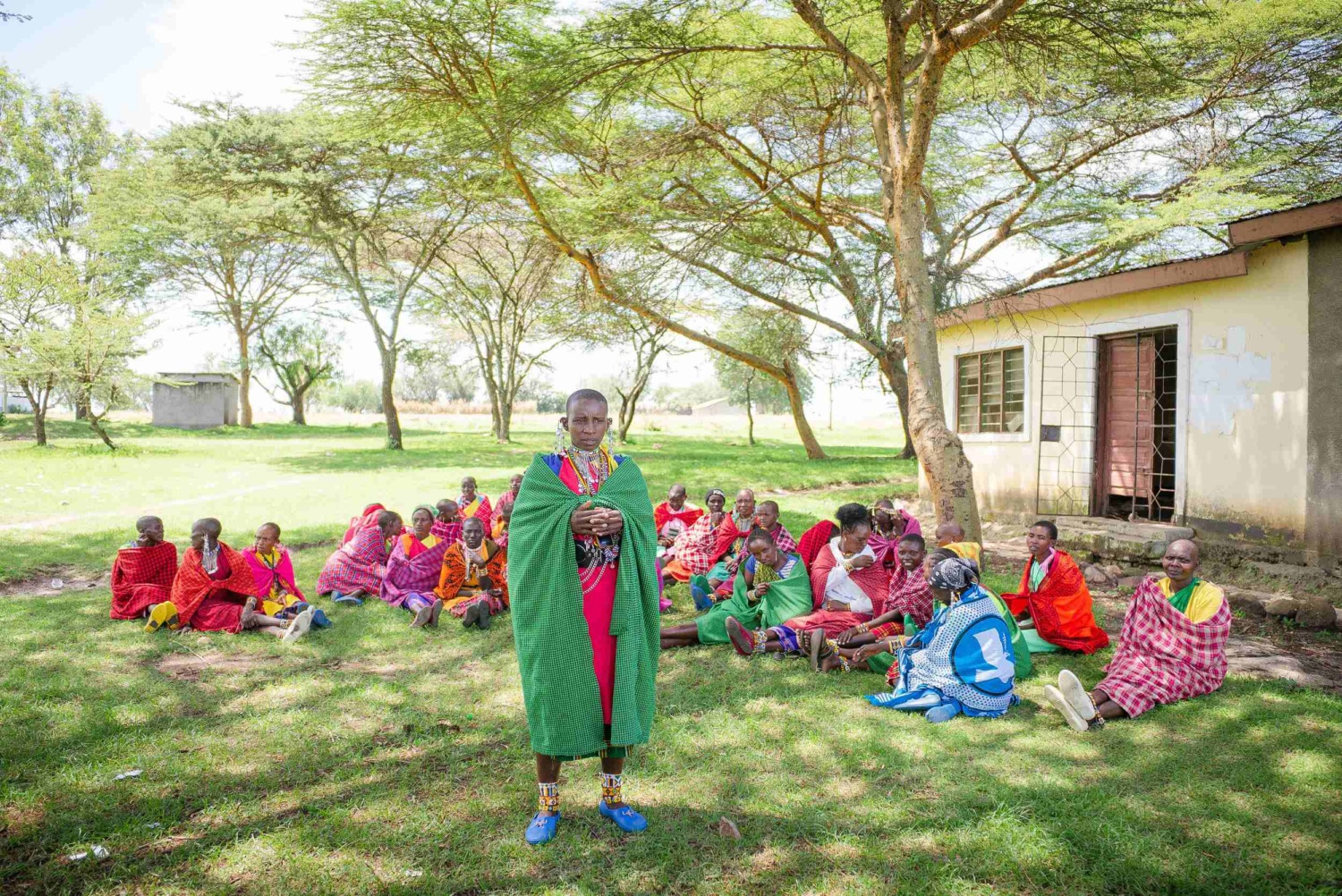
More than 400 women requested to be part of a project that could support 100 of them with five goats or sheep. Their community selected the 100 who had the greatest need of assistance.
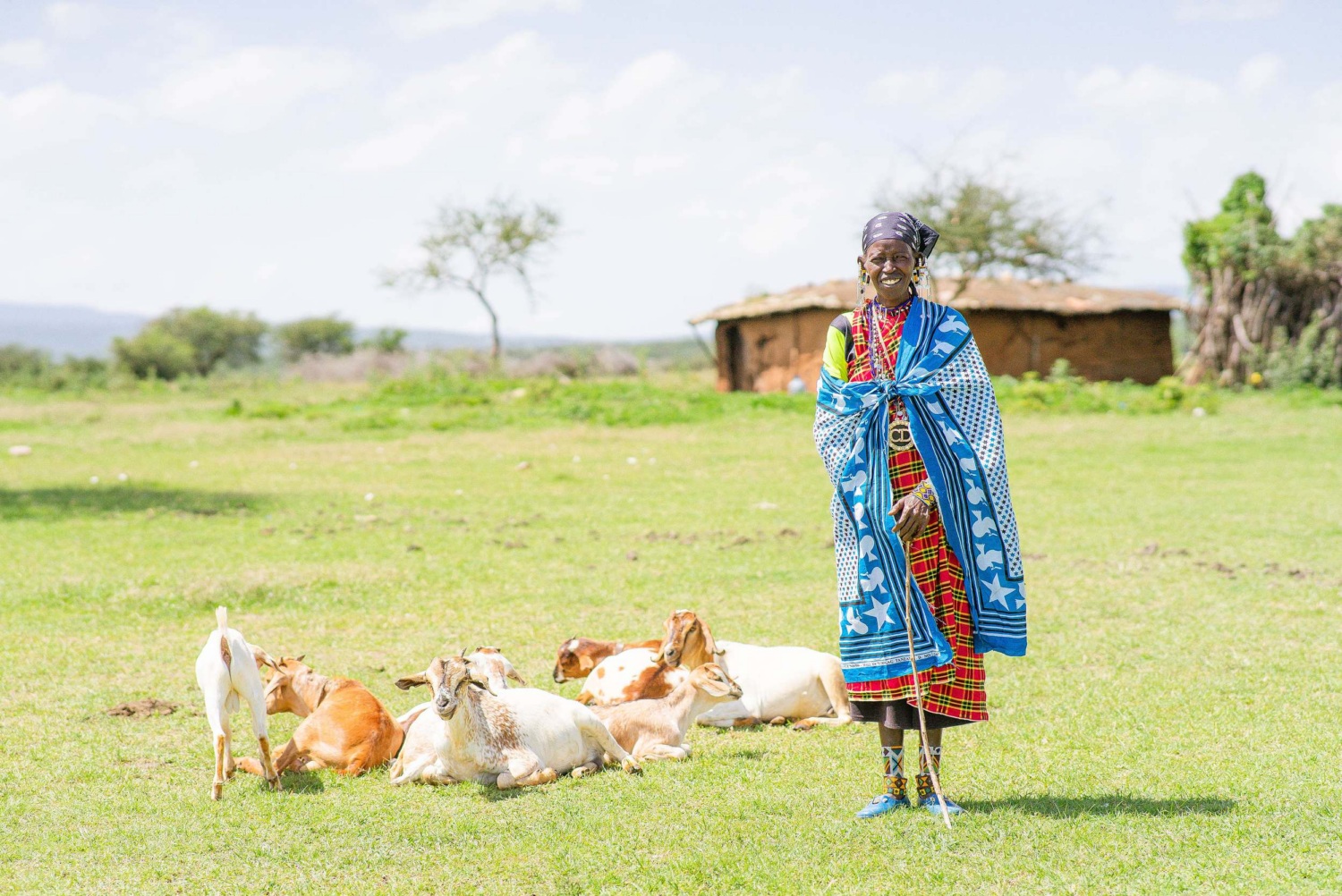
With time and care of the animals, now each of women in the project now has an average of 20 goats. Now, the poorest families have what they have needed for a long time, and are able to be self-supporting.
The goats and sheep, along with the dairy produced by the goats, provide the women a financial safety net when drought, or other unforeseen emergencies, occur.
This also allows their households to recover more quickly from climate shocks, and enables them to do so without having to resort to selling other essential assets.
Elevated Community Standing
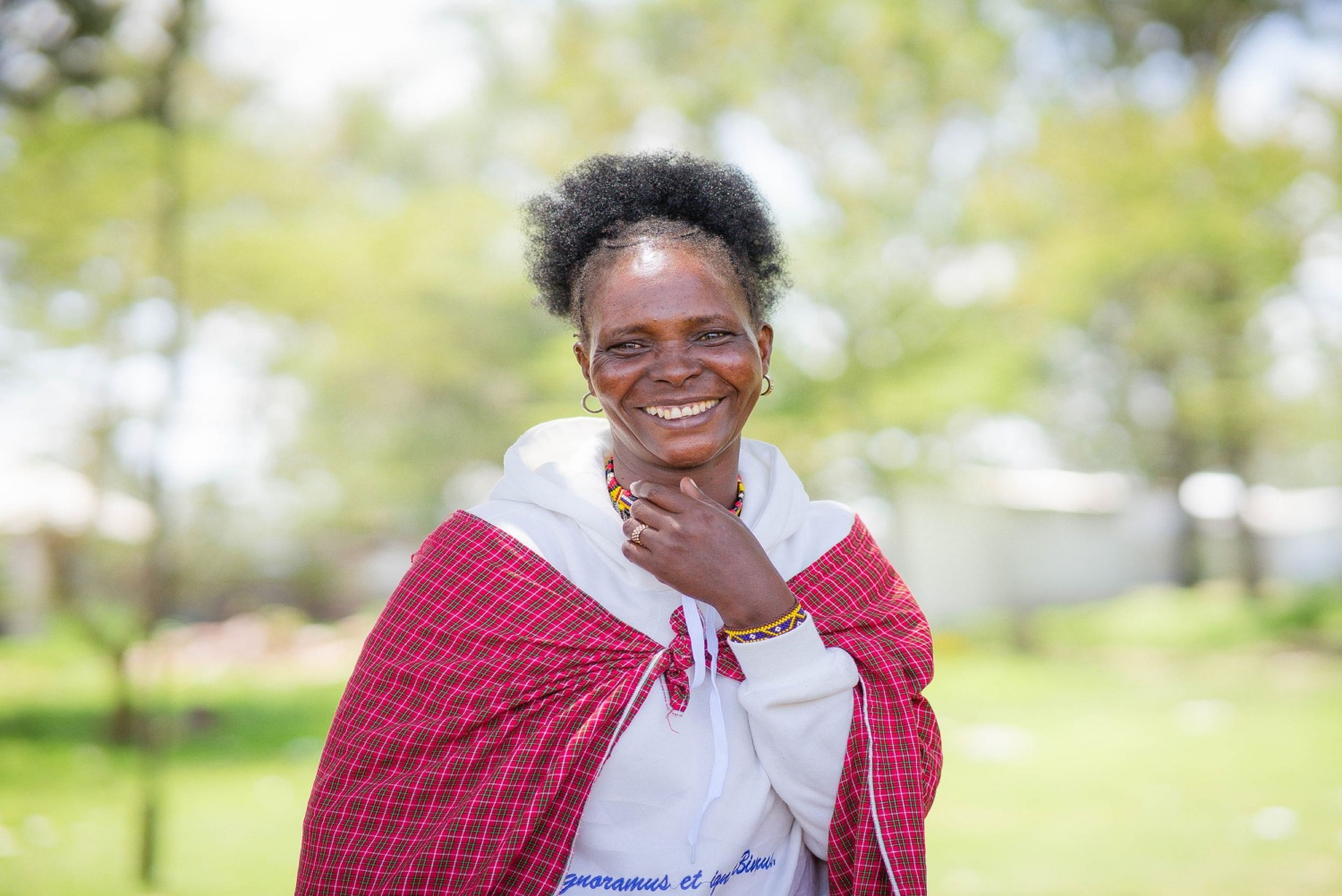
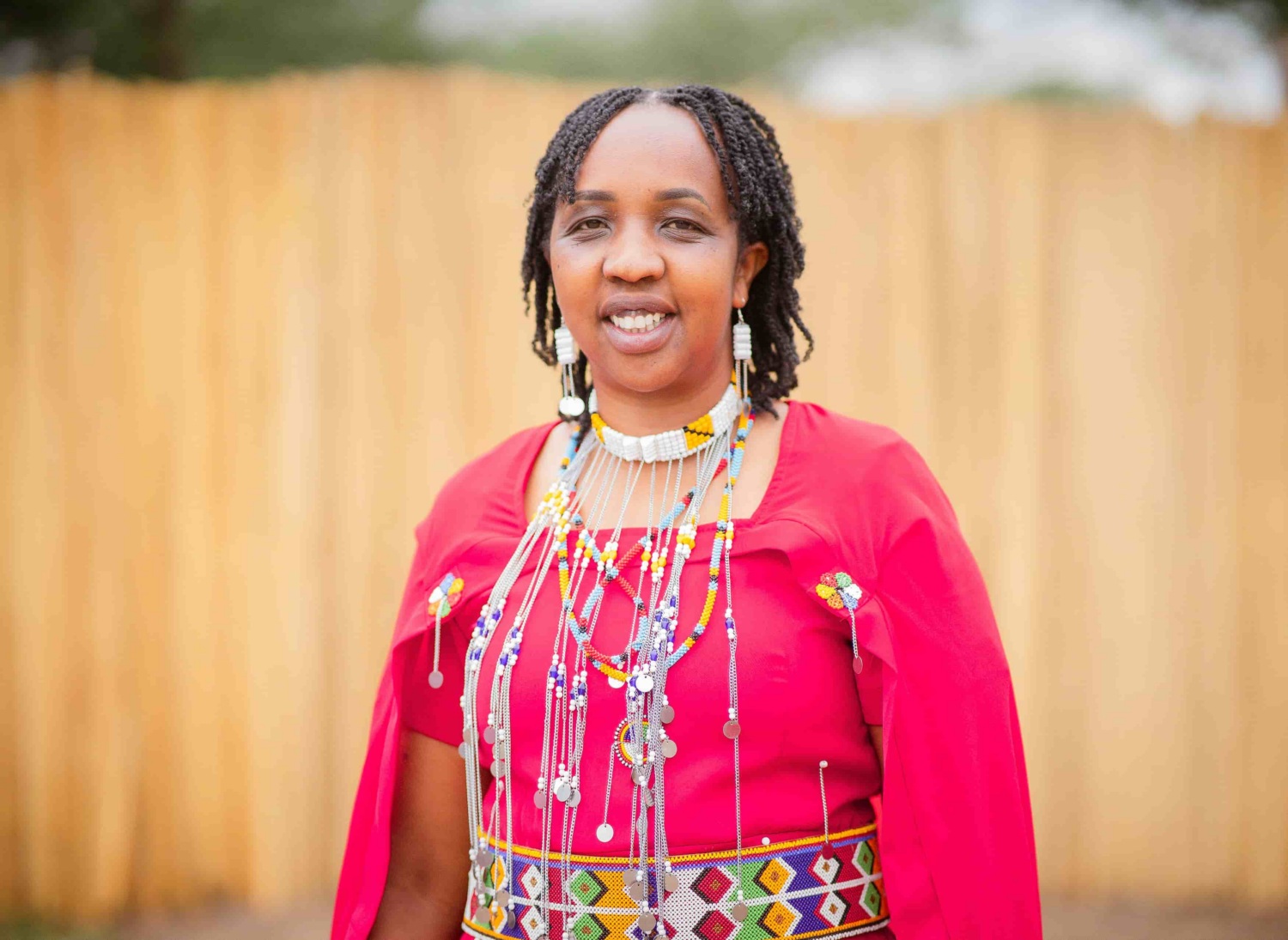
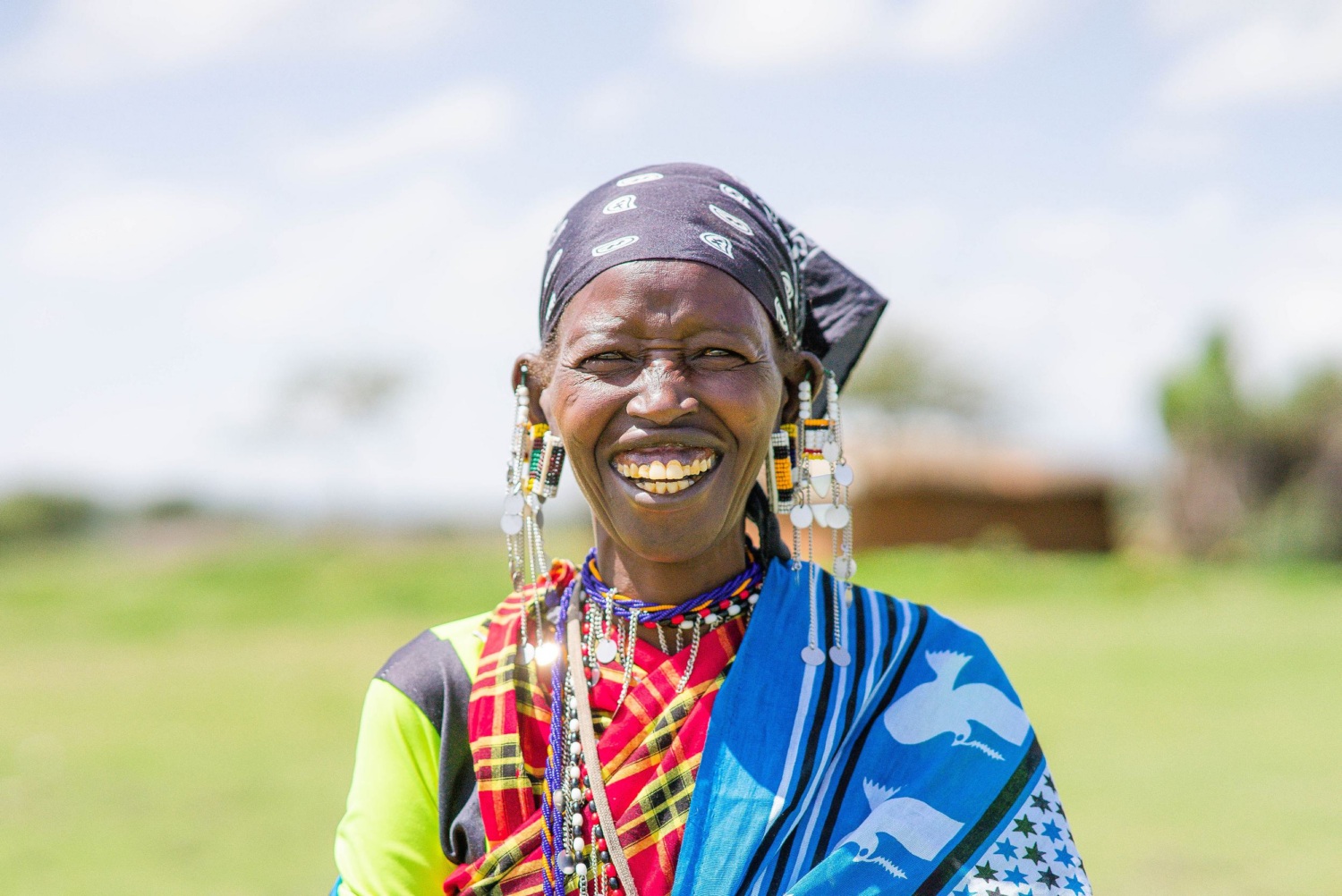
Nalari, a 32-year-old who a proud participant in the project, is all smiles.
“This has brought a big change for us,” she explained. “Now I feel more comfortable in my community.”
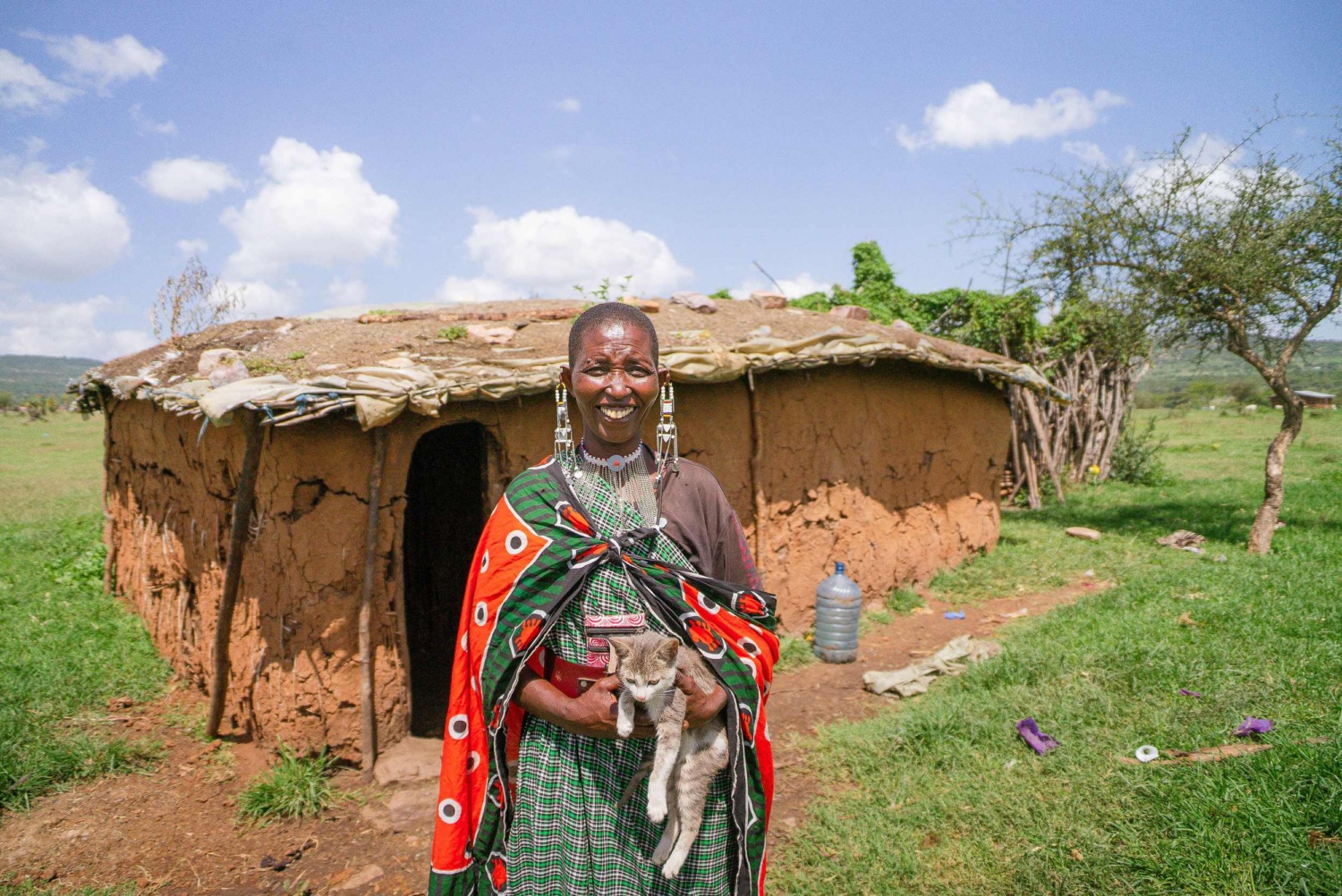
The number of goats she owns has increased and provide enough milk for her family needs. She has enough goats she can sell them or use them to trade.
“I’m hopeful for a good future as I take care of these goats and sheep, and we see their numbers increase to sustain my family, and still have enough to share with our community,” she added.
Nalari is now hoping to obtain additional education and business skills, in addition to training in how to diagnose animal diseases and give them vaccinations.
She and other empowered women are now able to step up as community advocates for sustainable practices, and become positive influencers on the adaptation strategies of their community.
Strengthening Food Security
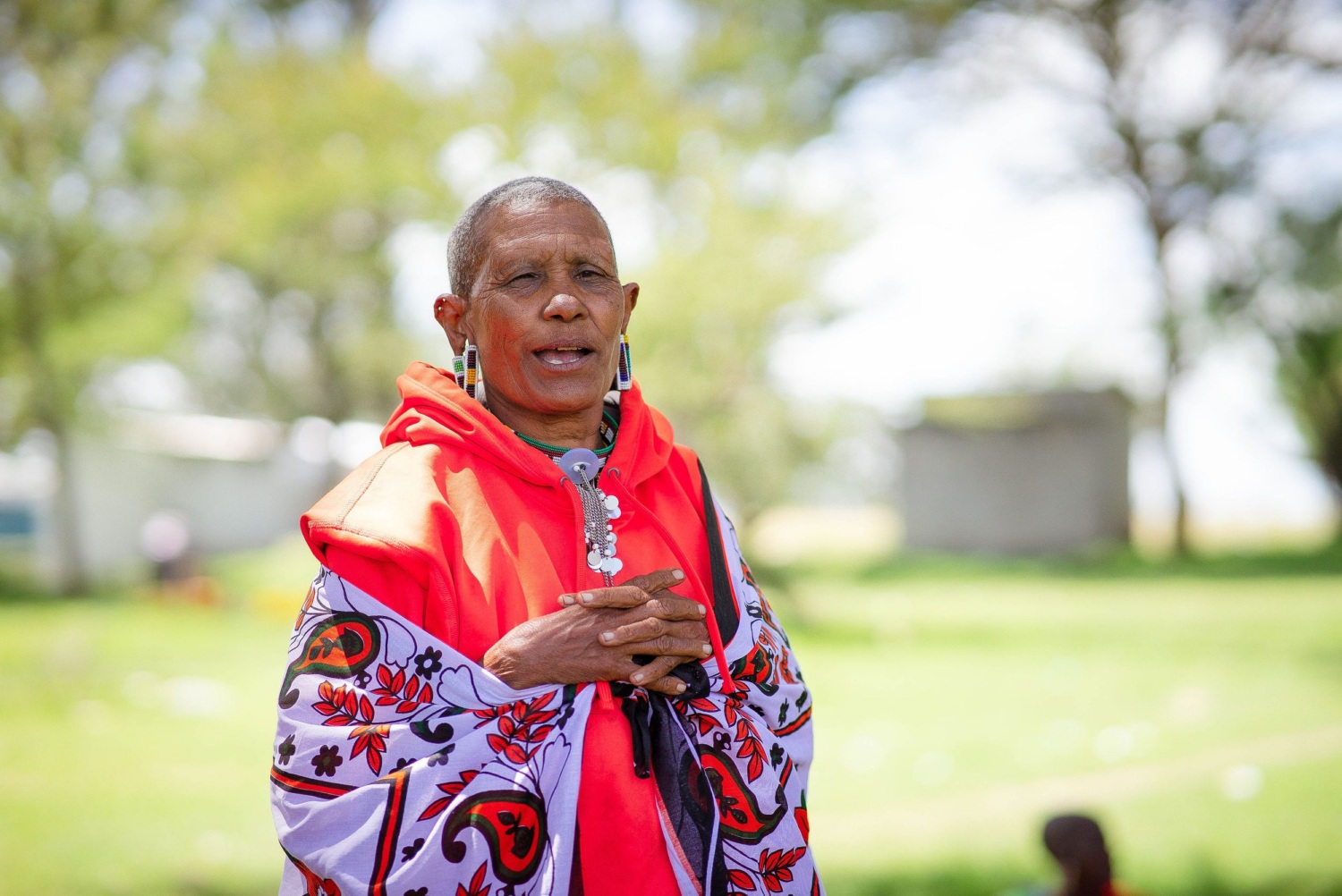
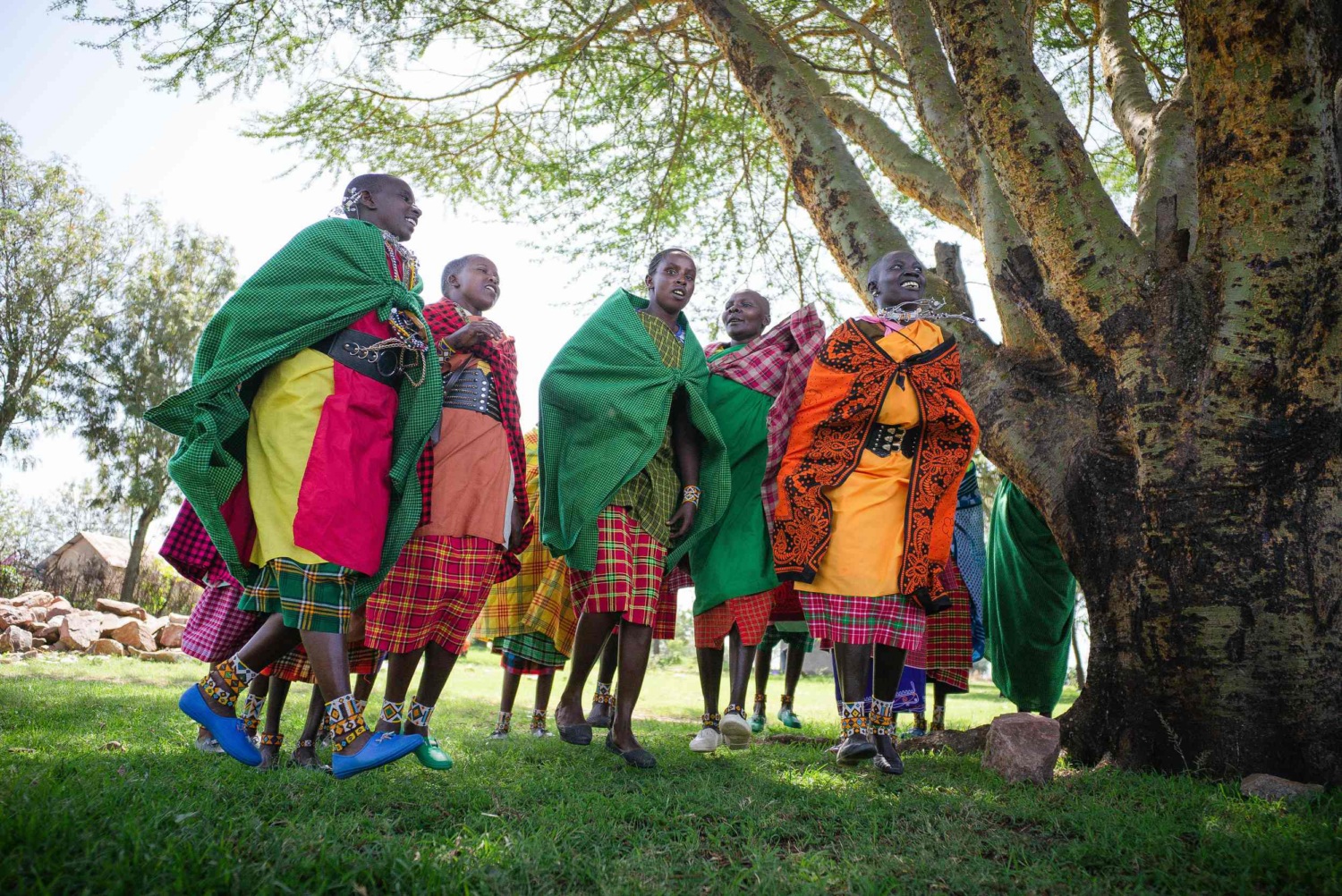
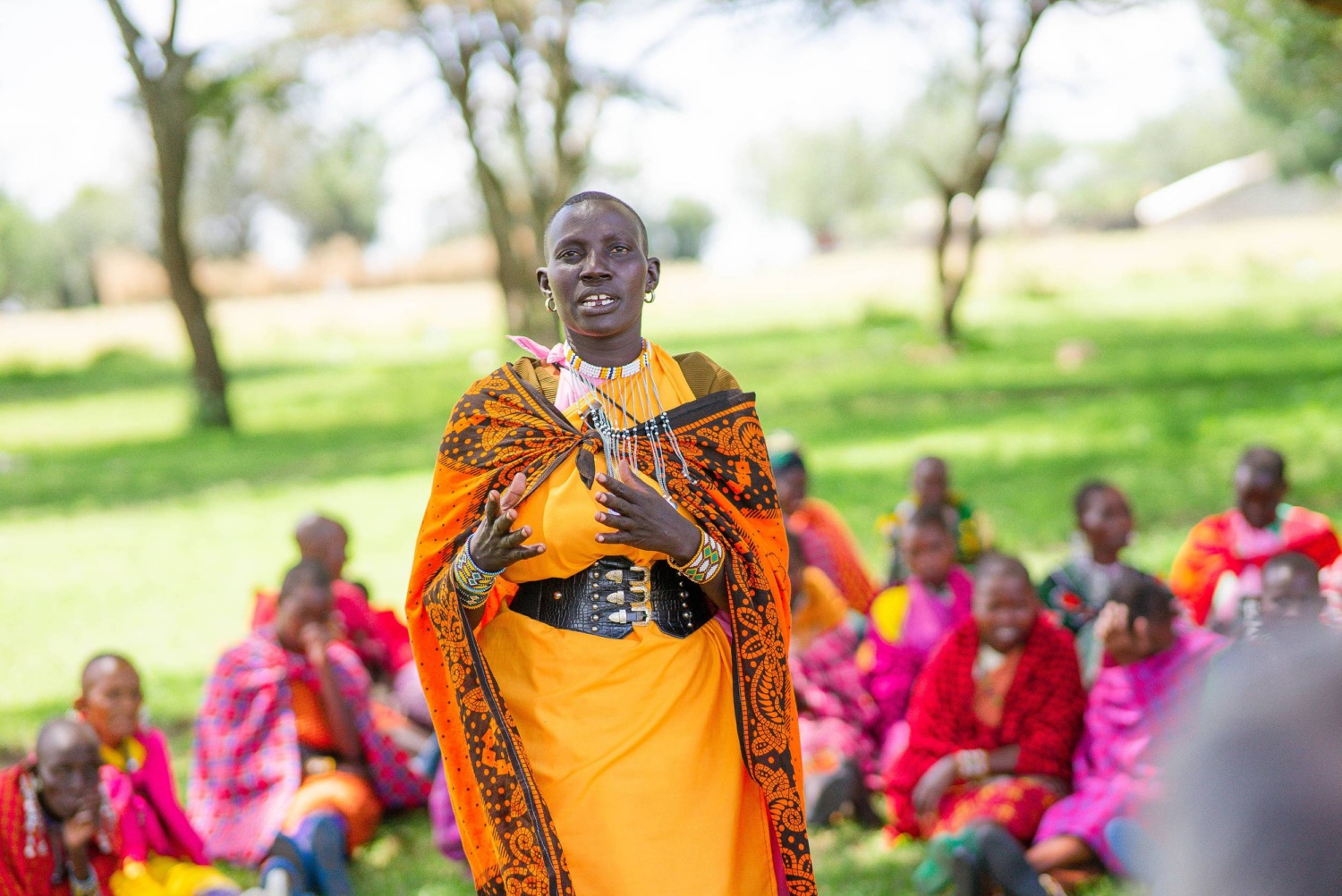
“Home Planet Fund’s support by providing us with our own livestock has caused a dramatic change in our community,” Selian Koltmet explained, while talking in front of her women’s collective.
Whereas before they had no livestock of their own, now all of them have their own milk, which is in itself a cause of much social and economic change.
“We have better status,” she continued. “We can sell our extra milk and get our kids school supplies, and with more livestock we will be able to support all of our family needs.”
The milk and meet from the goats and sheep now provide a reliable, low-input protein source during prolonged droughts and other extreme weather events.
In addition, pastoralists engaged in strategic mobility practices reduce their reliance on fossil-fuel-heavy food supply chains.
Ecological Benefits
Another woman, with a physical disability, told of how proud she was to now have her own livestock.
Walking gingerly, she proudly showed off her small herd of goats, and spoke of her pride being restored.
“We really appreciate how this project recognizes women,” Saning’o Rotiken said. “Normally livestock are only owned by men. We are happy for the leadership of the village and how they handled this and recognized our role as women, and how we were chosen. Now, all my female goats and sheep are pregnant, and soon my numbers will double. This also helps the land where we live.”
Protecting their way of life, in this way, also prevents overgrazing, which protects soil health, and minimizes environmental stress across these fragile grasslands.
Transforming Lives, Protecting Landscapes
Lukaine Hoorlatorp is living the impact of the project.
“We can support our kinds, take them to the hospital when they are sick, buy school supplies, and contribute in other ways,” she explained. “Even our husbands respect us more, and are supporting us in this work. None of us have met any interference from anyone, because this is benefiting our entire community. We hope this continues, and even more women are able to become involved.”
Another woman, Nariku, told us how much she appreciated the project, and commented how this was the first time she’d ever owned her own livestock.
“From that first day we got them, we became economically and socially empowered, and more a part of this community. The livestock has brought us recognition. We can now depend on ourselves instead of asking our neighbors for milk.”
Having livestock has also reduced their workload. No longer do they have to walk long distances in search of firewood to sell in order to purchase milk.
A project that began in 2025 is transforming the lives of women in Ololoskwan Village.
With livestock of their own, they have gained more than a source of milk or income. They have gained greater dignity, independence, and a far stronger sense of belonging in their community.
As Home Planet Fund continues to expand across East Africa, more women in villages like Ololoskwan will become empowered, and their landscapes and biodiversity will benefit from their doing so.