Agriculture at the Heart of the Community
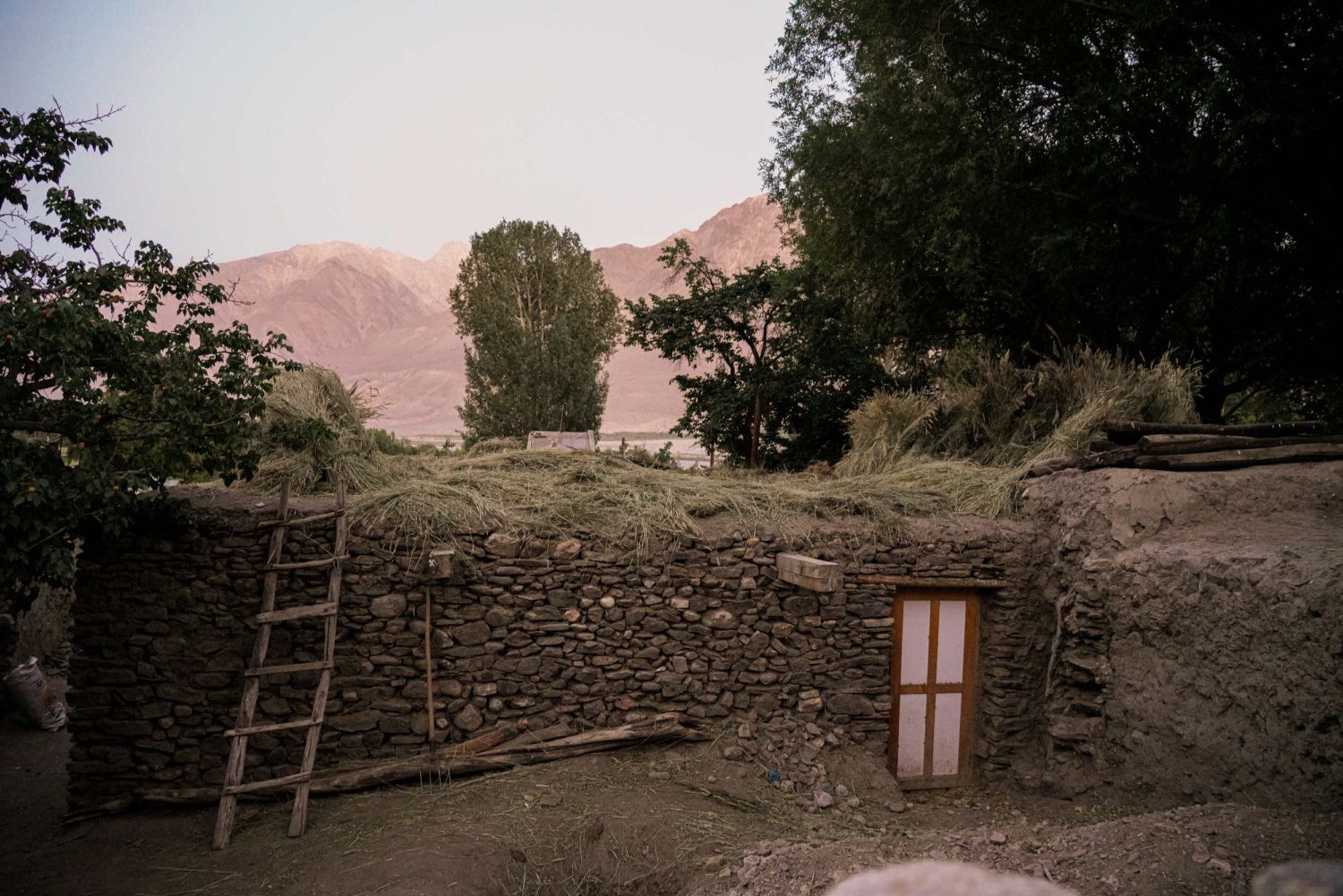
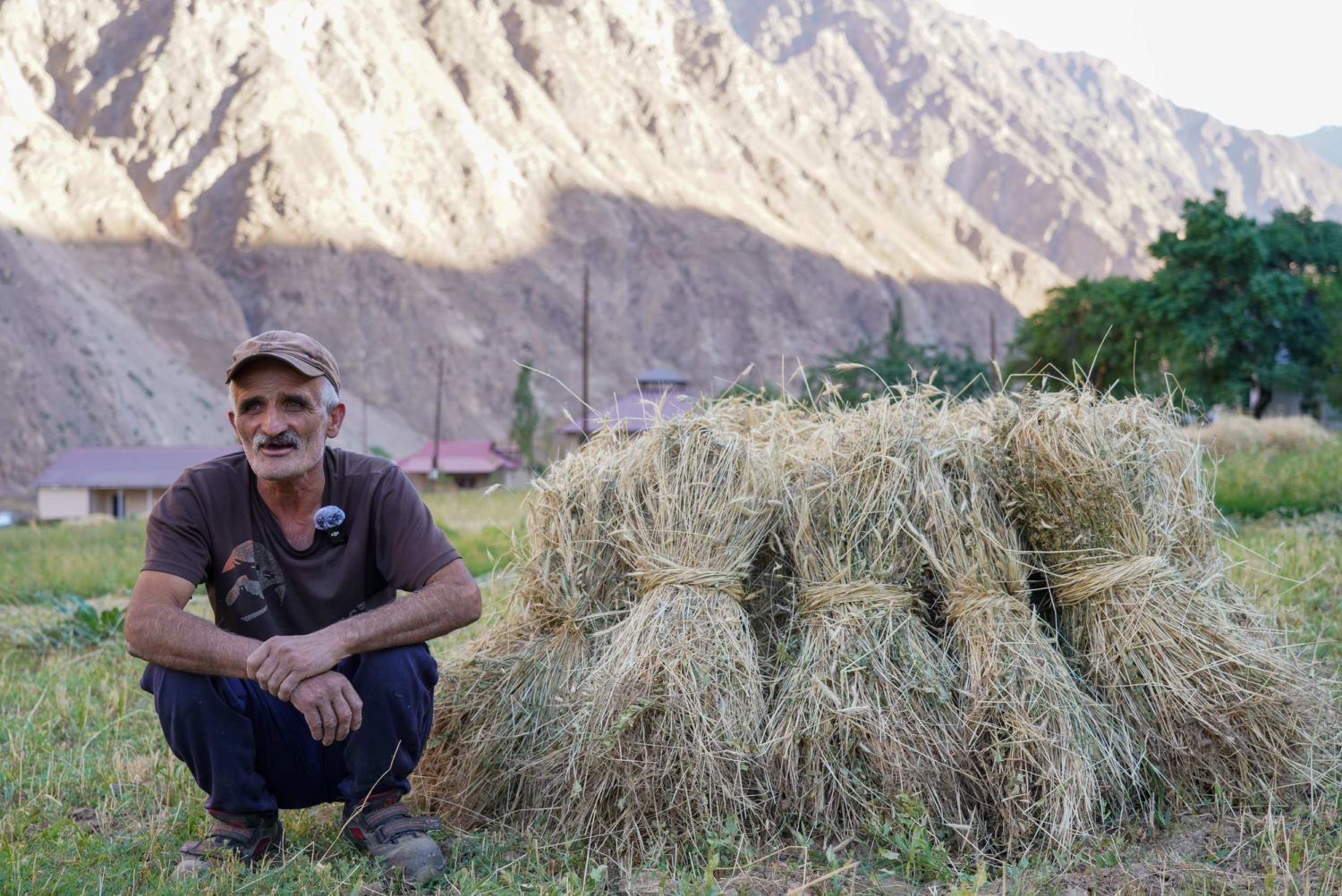
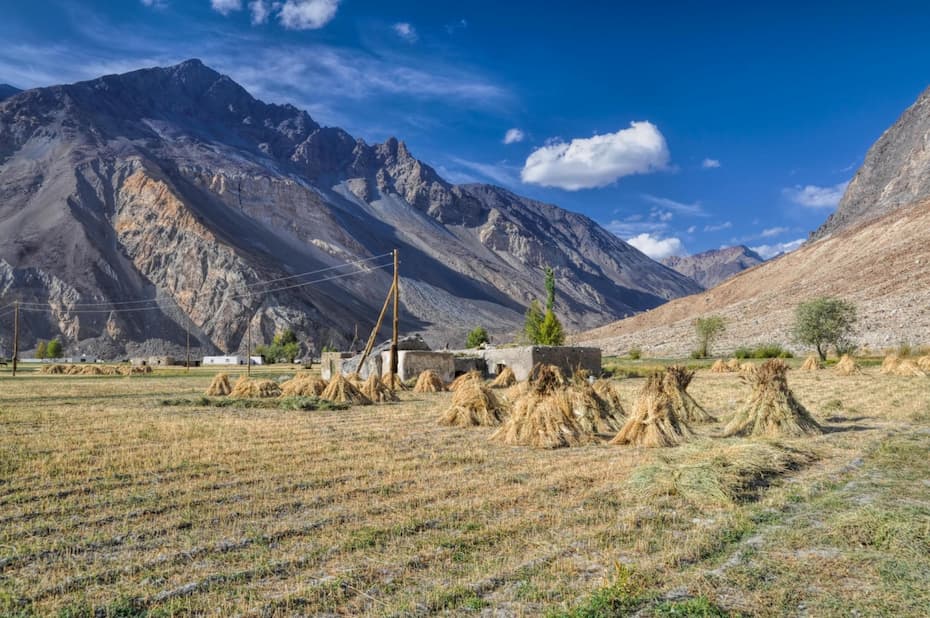
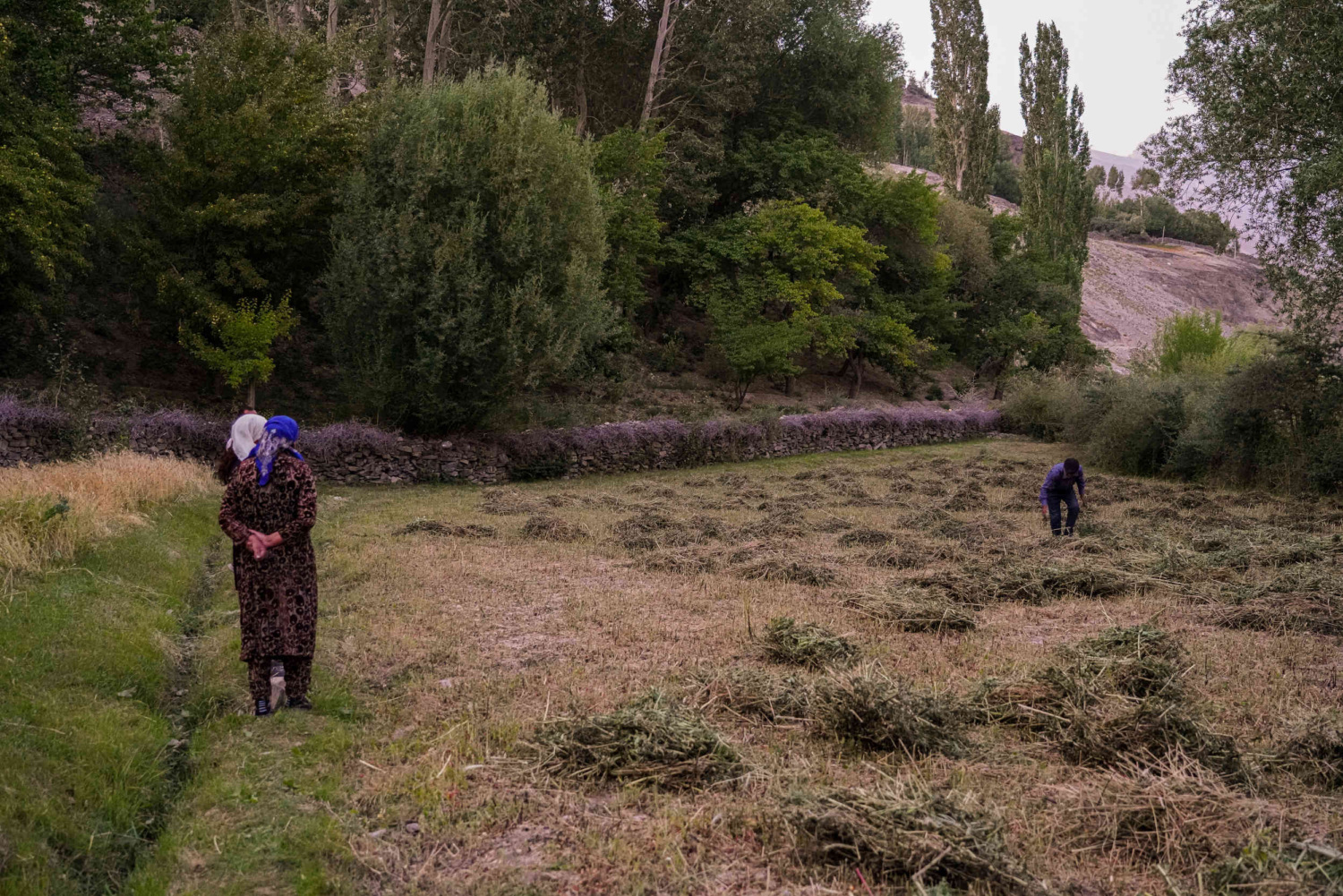
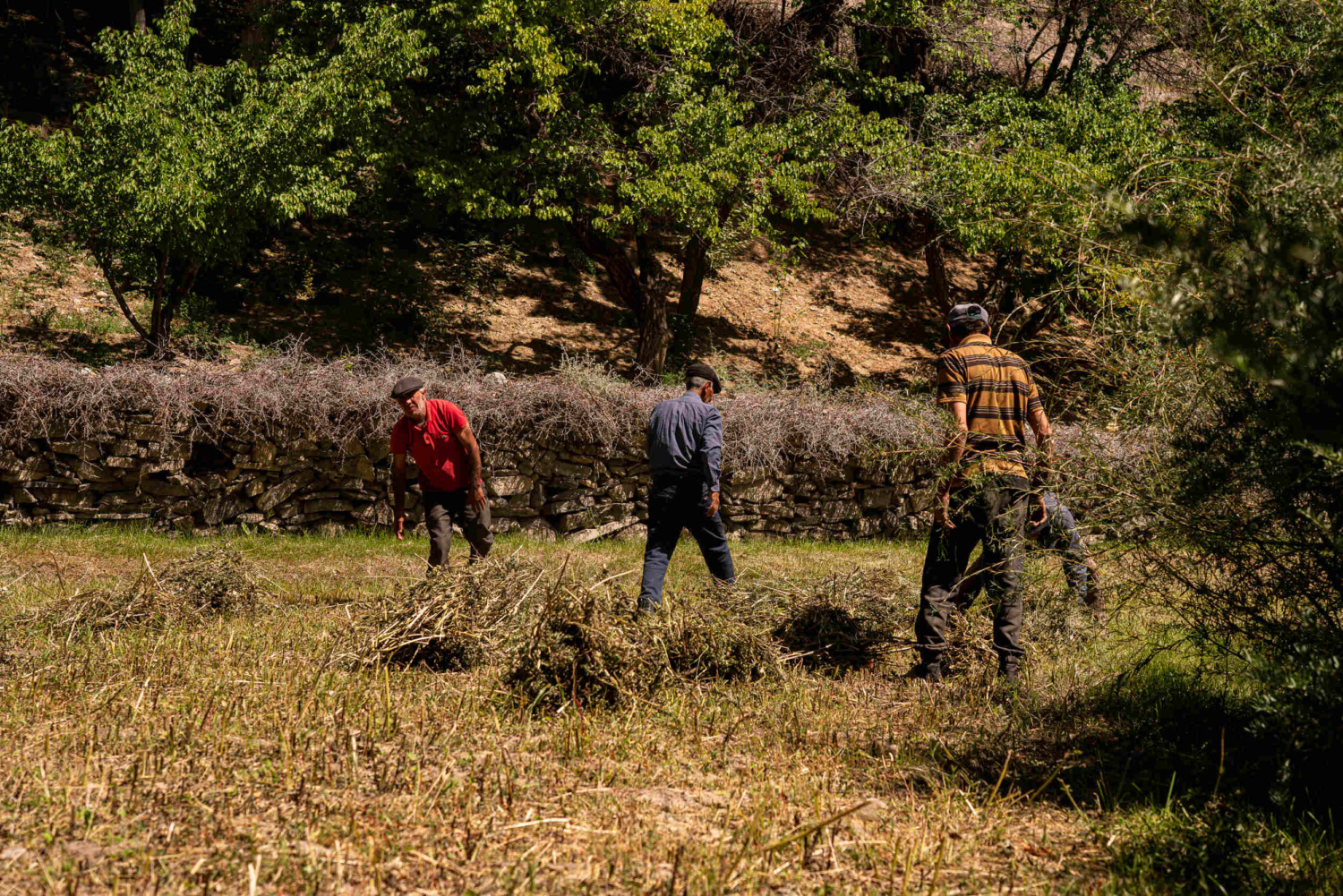
Like Tughgoz village residents, most households depend entirely on agriculture as their primary occupation. Farming has been practiced here for decades, with land passed down through generations. Wheat and potatoes are the main crops, alongside barley and a range of vegetables grown seasonally.
Production is largely for household consumption rather than commercial sale. This approach helps ensure food security for families and reduces dependence on outside markets. Many households also keep livestock, which supports nutrition and household resilience.
Protecting Local Seeds and Biodiversity
A key concern among Tughgoz village residents is the loss of local seed varieties. Traditional seeds that once thrived in the area have become increasingly rare. Through a community-supported seed initiative, residents are now actively preserving and sharing local seeds to prevent them from disappearing.
Local seed varieties include two types of wheat (red and white), two types of barley (dark and light), as well as potatoes and vegetables grown from seeds saved year after year. Residents emphasize that preserving these seeds is essential not only for farming, but also for protecting local biodiversity and cultural heritage.
“The main purpose is to make sure these seeds are not lost,” community members explain. “They must be preserved.”

Traditional Medicinal Plants and Indigenous Knowledge
Beyond food crops, Tughgoz village residents also rely on traditional medicinal plants. Local herbs used for bone healing, wild garlic, and mountain onions are commonly gathered and used. These plants play an important role in community health, especially in remote areas with limited access to medical services.
However, several medicinal plant species are now endangered. Of the sixteen known varieties of mountain onions in the region, seven are at risk. Protecting these plants is seen as critical to preserving both natural resources and indigenous knowledge.
Climate Change and Water Scarcity
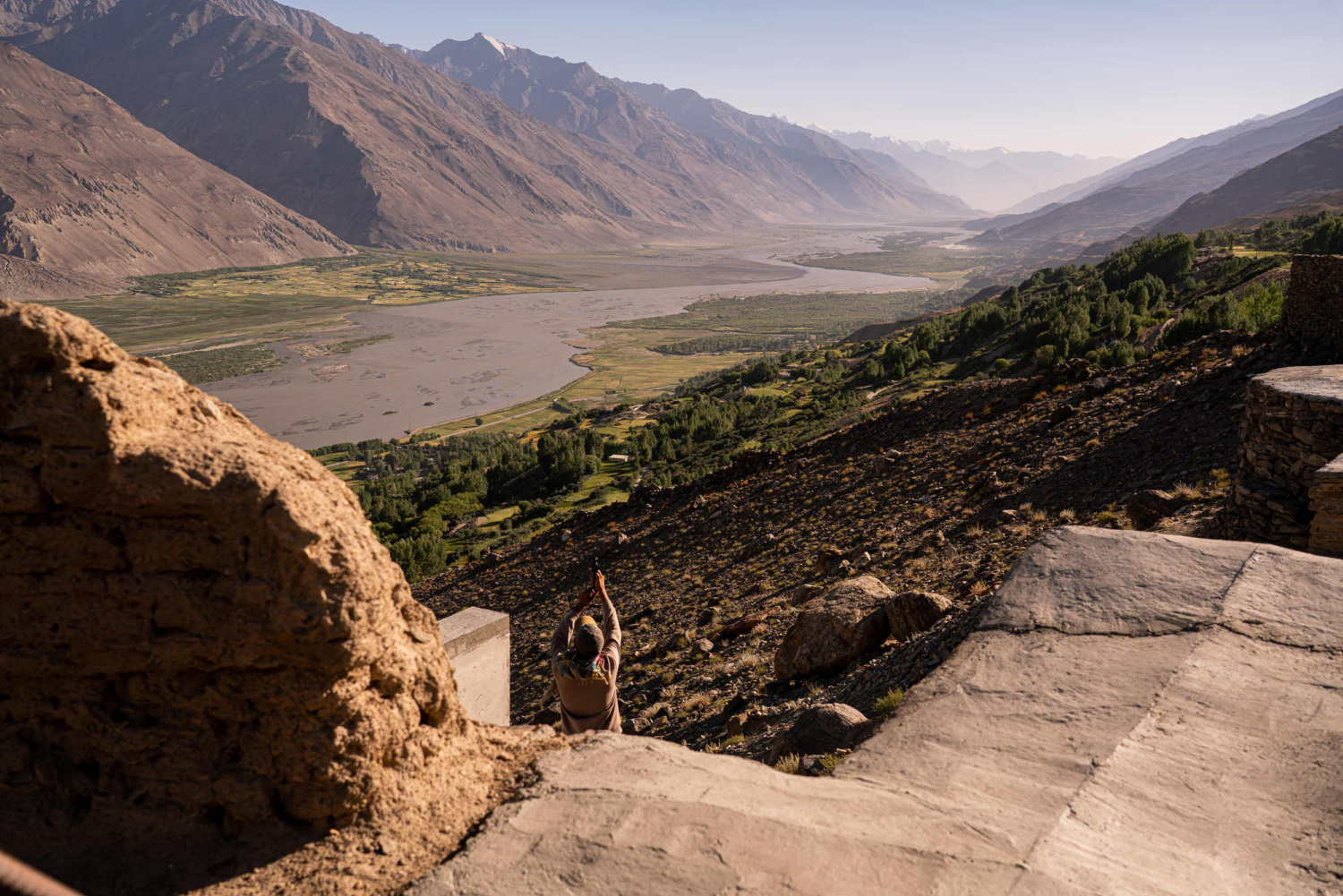
Climate change is one of the most serious challenges facing Tughgoz village today. Residents report rising temperatures, prolonged droughts, and increasing water shortages. These changes have made farming more difficult, affecting crops, livestock, and natural ecosystems.
“Summers are much hotter than before,” residents note. “Crops dry out, animals suffer, and water has become scarce.”
Limited water availability remains a major constraint on agricultural productivity and household well-being.
Community Resilience Through Sustainable Projects
Despite these challenges, Tughgoz village residents remain hopeful. Community members strongly support seed preservation and sustainable agriculture projects, seeing them as a pathway to improved living standards and long-term resilience.
Such initiatives help strengthen local capacity, reduce vulnerability to climate shocks, and encourage cooperation among households. Residents emphasize that continued support is essential for ensuring lasting impact.
“These projects bring progress,” they say. “If they continue, our lives will improve.”
Gratitude and Looking Ahead
Tughgoz village residents express sincere appreciation to the organizations and donors who support agricultural and seed preservation initiatives in their community. The support directly contributes to food security, health, and sustainable livelihoods.
The experience of Tughgoz village highlights the importance of community-driven solutions rooted in local knowledge. Preserving local seeds is not just about agriculture — it is about safeguarding culture, resilience, and the future of rural life in Ishkashim District.