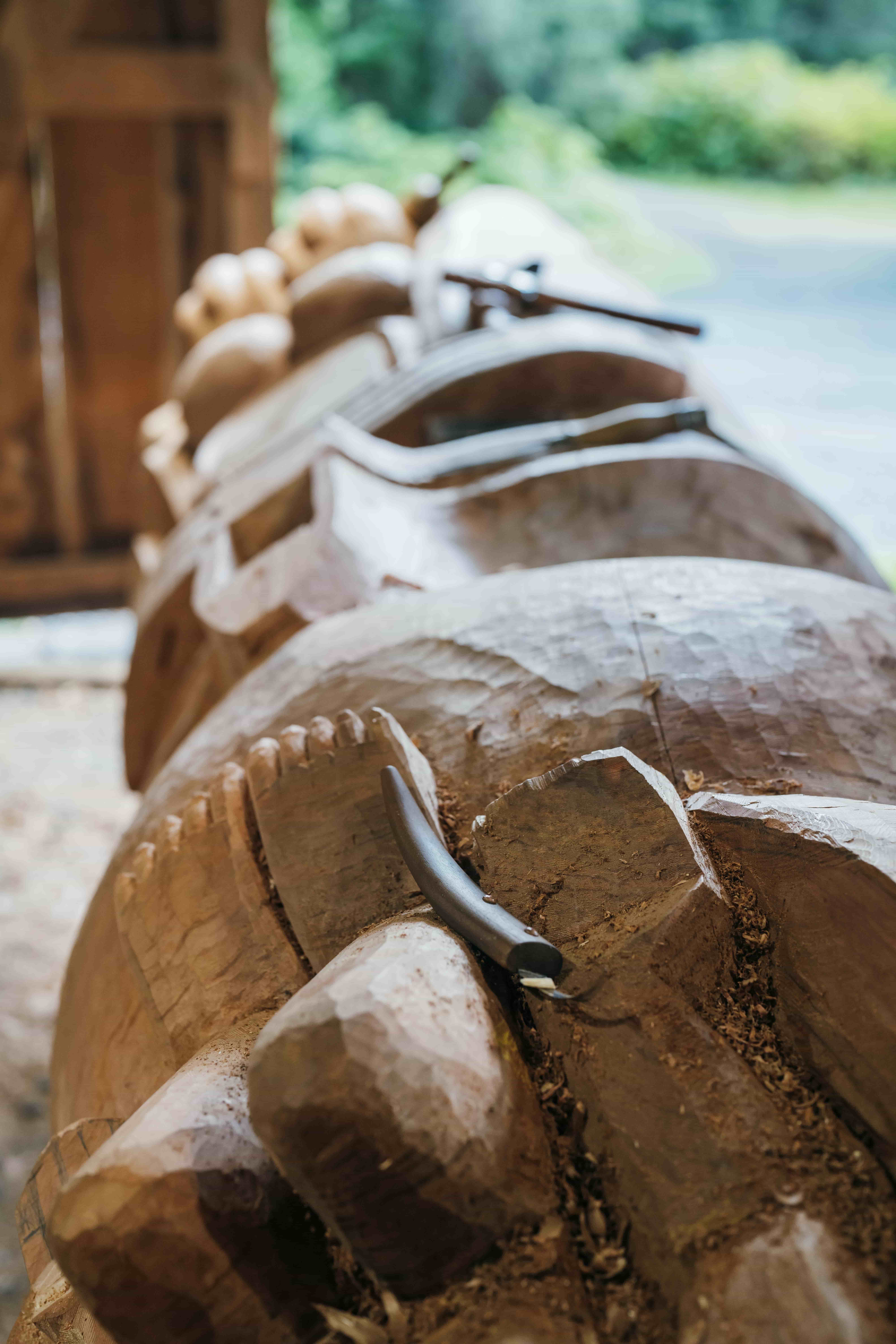

Our busy lives promote overwork, anxiety, and detachment when things like self care, hobbies, and relaxing are sidelined. In Southeast Alaska, where many of us are also leading subsistence lifestyles, putting up fish for winter, freezing berries, and drying tea, it can be challenging to balance work, school, and childcare while reserving time for upholding traditional ways of life.
Yet, maintaining a healthy mind and spirit is critical and influences how we show up for ourselves, our loved ones, work, and community. We must choose to live intentionally and learn to commit to our wellbeing as much as we do to our work. It is important to be present in whatever quiet moments we have, rather than letting our minds wander to that growing to-do list, and craft in time for personal commitments. It takes only 20 minutes of healthy distraction for your nervous system to reset and regulate.
These four practices, collected with the help of Sustainable Southeast Partnership partners, are ‘recipes’ rooted in traditional knowledge and science that can be squeezed into a busy schedule to help promote wellness, reduce stress, and encourage connection to ourselves and one another.

1. Activate: Cold Water Dipping
Cold water and ocean dipping has been practiced by Alaska Native peoples for millenia to strengthen physical and spiritual endurance. Stepping into the cold water is a way to find strength within yourself, connect to your ancestors, and fortify your mind against difficulties faced in everyday life. The spiritual and cultural aspect of this practice heals the mind and body, and scientific evidence supports the positive impacts of dipping for stress reduction. Cold water dipping activates your vagus nerve, alerting your parasympathetic nervous system and creating a calming effect.
Dipping also carries other benefits, such as boosting circulation, releasing endorphins, improving the immune system, and burning calories. For the past three years, the Sustainable Southeast Partnership has incorporated cold water dipping into gatherings with the intention of fostering a stronger sense of community while providing a grounding to the lands and waters that sustain us.
2. Create: Art and Expression
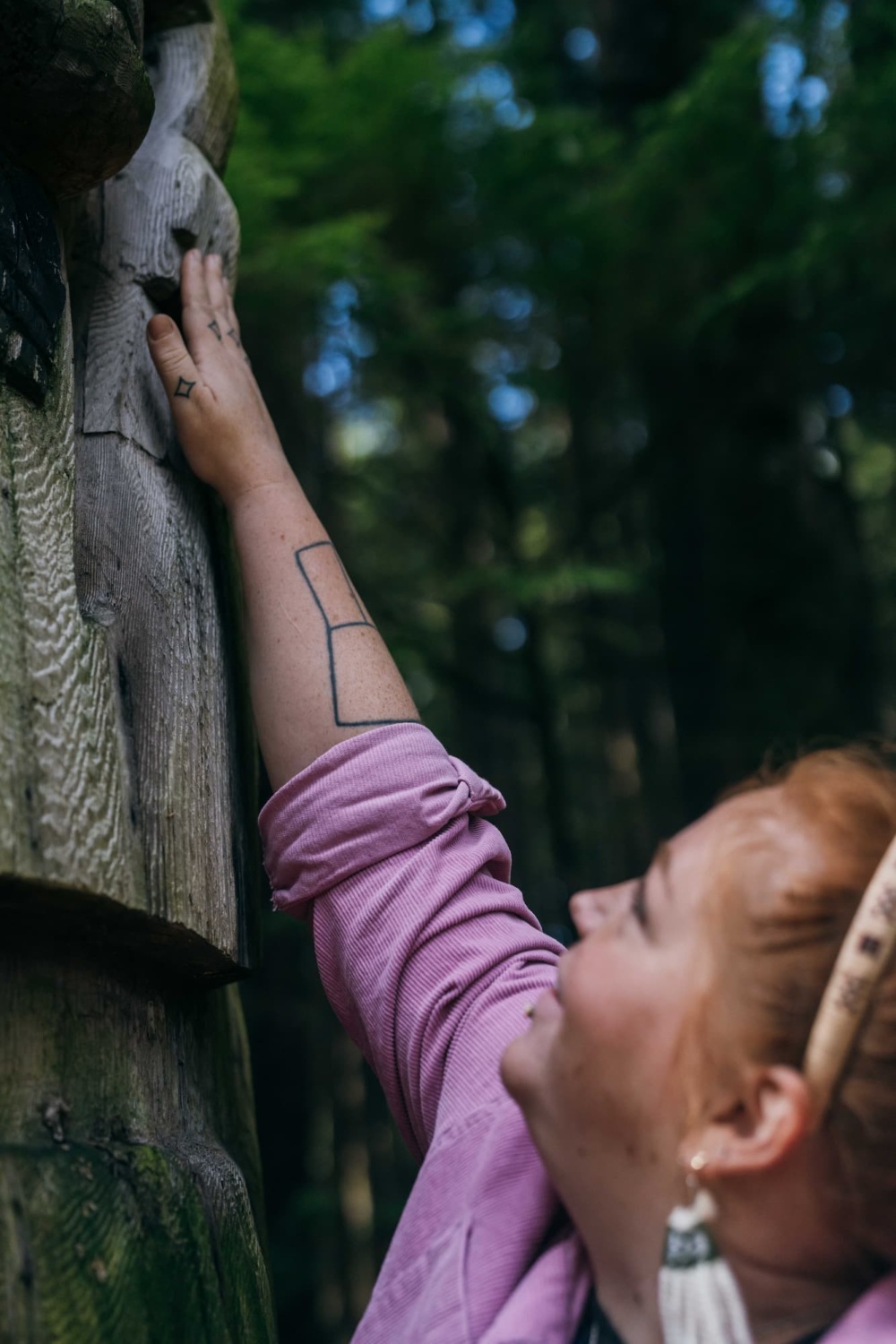
Art therapy, combining psychological principles with the power of self-expression, is practiced worldwide. Creative activity has proven stress-reduction benefits such as lowering cortisol levels, promoting relaxation, and improving mood. When this idea is combined with traditional arts such as weaving, carving, beading, or drawing, it offers a culturally centered outlet for emotional release and personal expression.
Chilkat Valley Community Catalyst Katrina Hotch often leads workshops in Pacific Northwest Coast art in her home community of Klukwan and beyond. This year she organized multiple beaded fringe earring classes for village participants as part of her cultural revitalization work supported by the Sustainable Southeast Partnership. The class offered a chance for individuals to learn new artistic skills and connect with the community. Katrina shared that it is important to be mindful of your emotional state while creating because that energy transfers to the outcome of your work.
Whether you sign up for local art class, learn a new technique, or carve in more time for a creative hobby you already love, integrating more creative expression into your life is a great way to let your busy brain rest, reset, release heavy negative energy, and find joy through hands-on making.
3. Participate: Community Care and Wild Harvesting
Across Southeast Alaska, community members are working together to protect the health of our generational lands, resources, and the strength of our bonds and cultures. While it can feel overwhelming to imagine how we can accomplish something so big, finding peace in small moments, small actions, and small steps when we come together as a community, can keep us grounded.
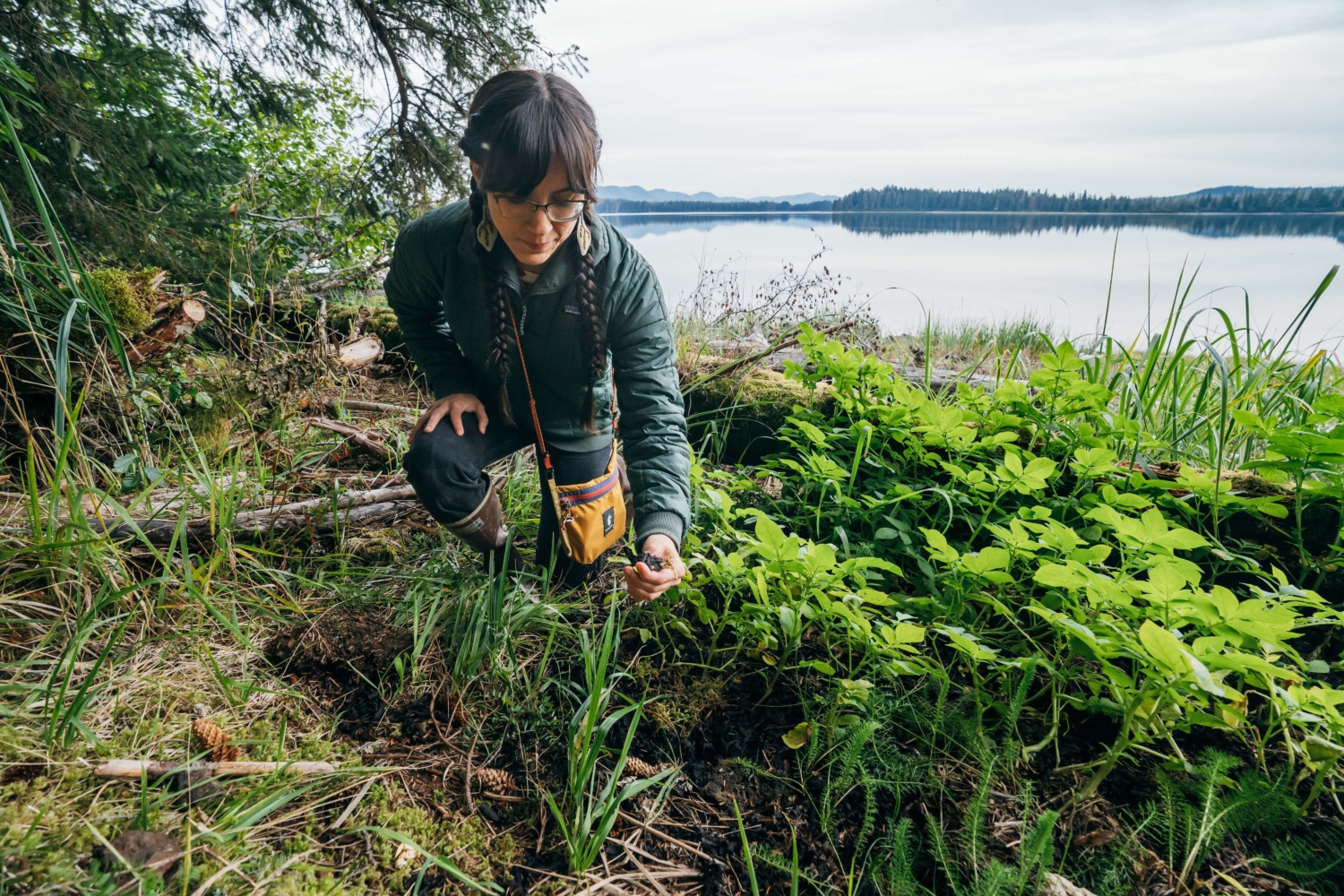
We are stronger together, and engaging with and caring for community lowers stress by fostering feelings of belonging, support, and purpose. Harvesting was traditionally always a community effort. Finding local groups, people, and places where you can gather fish, berries, healing plants and more, will not only lower your grocery bill and cut down on time and labor, but brings you together with friends and neighbors while combating feelings of stress and detachment. By harvesting responsibly and sharing with elders and those in need, you are helping carry on a ten thousand year tradition of collective care.
Across the region, Tribal governments and community partners are leading efforts to host formal Culture Camps, Fish Camps, and spontaneous opportunities, that teach safe and respectful harvesting practices while teaching language, arts, cultural values, and transferring love and knowledge between some of our community’s oldest and youngest members.
4. Consume: Sip and Gather Tea
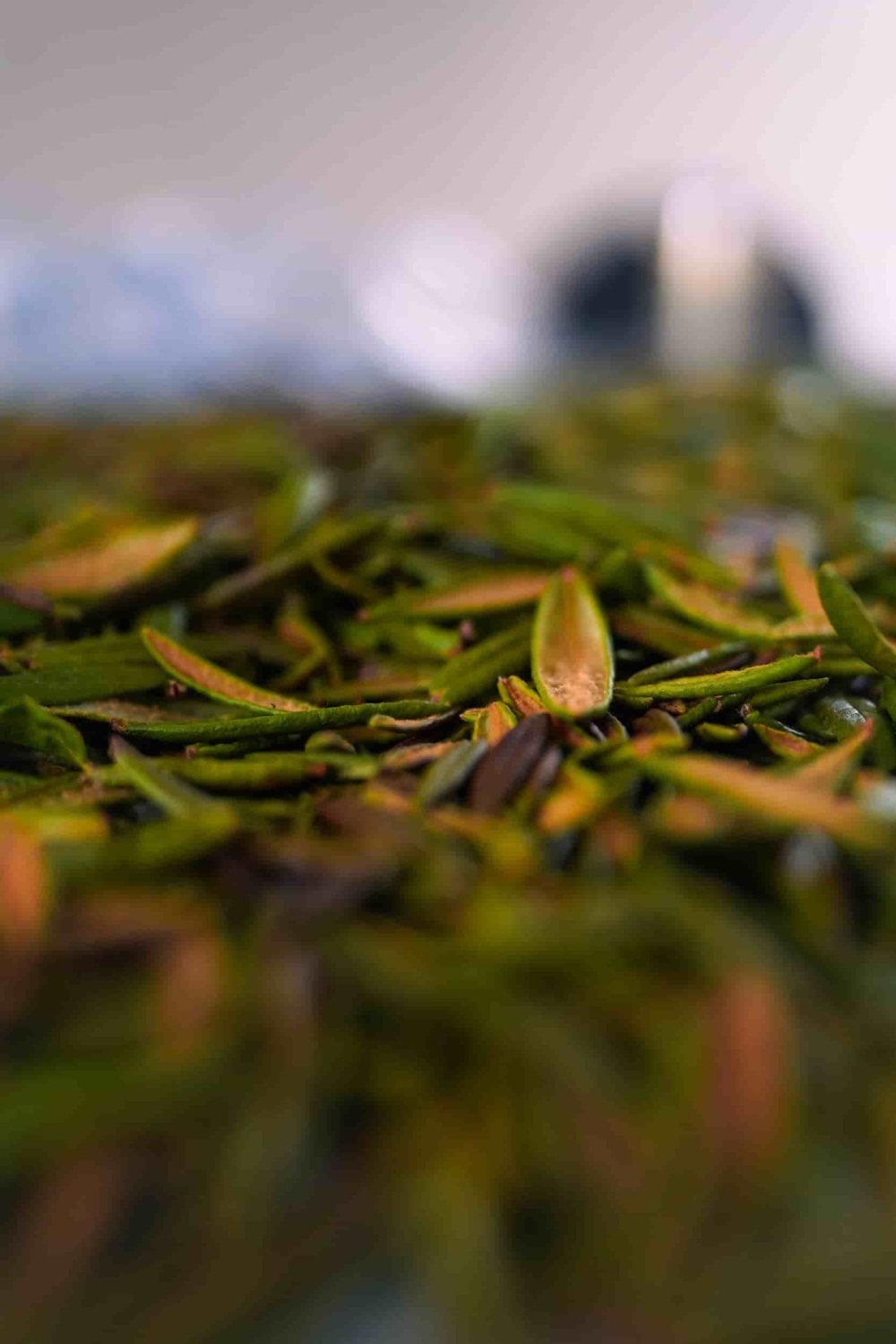
Simple daily rituals can introduce more stability, productivity, and mindfulness into your life. A favorite of ours is a daily cup of loose leaf steeped tea. Not only do tea bags take hundreds of years to decompose in nature, but new research in the International Journal of Surgery shows that teabags can release up to 11.6 billion microplastics and 3.1 billion nanoplastics into your sweet drink. Microplastics pose a variety of health concerns such as endocrine disruption, increased cancer risk, issues with metabolism and nutrition, and reproductive toxicity. In Alaska, we have an abundance of wild plants with health benefits that can be harvested, plastic free!
Warm beverages can help soothe muscles and tension in the body. Putting mindful, intentional focus into engaging all your senses while sipping, translates to a calming, meditative distraction from your stressors.
Naomi Michalsen, Kaasei (Tlingit), is Wooshkeetaan, Eagle/Wolf of the Shark House, and the owner of Kaasei Training & Consulting. She believes that through the sharing of knowledge and cultural value systems, Alaska Native peoples can reclaim the forefront of health and wellness. Naomi was a winner of Spruce Root’s 2020 Path to Prosperity competition and is a practitioner with Resilience Circles (more below).
Traditional knowledge of the healing properties of local plants is a valuable resource when seeking teas and medicines to ease stress. Naomi reminds us that focusing on a respectful harvest is important to the outcome of your endeavors. “We believe that everything is connected. We are all interconnected with the plants, lands and each other. By further developing ways of protecting our resources, we are also healing ourselves and our lands.” This quote comes from her Respectful Harvesting Guidelines resource, which we encourage you to explore at kaasei.com before gathering. Below are some of the local plants Naomi shared—species that can be harvested or purchased locally for your daily tea ritual in Southeast Alaska and beyond.
- Valerian root- good for calming and treating insomnia, but may have opposite effects and may be stimulating. We can all react differently to different plants, and encourage everyone to take your time when incorporating new things
- Elderflower- good for anxiety
- Rhodiola- helps with stress, depression, and fatigue
- Fireweed- both leaves and flowers are good for gut health
- Salmonberry, huckleberry, and blueberry leaves & branches – good for heart health and diabetes prevention
- Nettles & mint- good for energy, focus, and clarity

5. Dikéex’ wooch gayilsháat – Hold Each Other Up
Dikéex’ wooch gayilsháat — hold each other up — is a core Southeast Alaskan Indigenous value. Yet too often, when we find ourselves in shared spaces, we start to believe there isn’t room for all of us. When competition replaces collaboration over things like space, resources, or titles, it creates unnecessary burdens, adds stress, and limits meaningful relationships and shared possibilities. The Sustainable Southeast Partnership centers intentional collaboration as a critical ingredient to a healthy region. Building networks of shared ideas, resources, and solutions lightens the burden on any one person and allows us to hold each other up, while achieving stronger outcomes.
Spruce Root’s Resilience Circles program embodies Indigenous leadership and the value of Dikéex’ wooch gayilsháat Each year, ten Indigenous entrepreneurs join the year-long program to strengthen personal and business skills while deepening cultural connection. By its end, participants emerge with a clear strategy to align Indigenous values with their work, creating ripples of resilience as stronger leaders, decision-makers, and contributors to community well-being.
Beyond formal programs, everyone can practice Dikéex’ wooch gayilsháat in daily life. In local communities and small partnerships, it can look like sharing knowledge about special areas instead of keeping it to yourself, lending a hand without expectation of payment, hosting post-work gatherings to strengthen collaboration, or sharing a story to create connection when no one else speaks up. Life becomes easier and less stressful when support is shared, and helping others also benefits mental and physical health by improving mood, lowering cortisol, and activating the brain’s reward system.
By embracing Indigenous values like Dikéex’ wooch gayilsháat, prioritizing our own well-being, and fostering collaboration over competition, we strengthen ourselves as individuals—creating healthier, more resilient communities and a region where shared prosperity and connection replace scarcity and unnecessary stress.
This article republished with permission from our partners in Southeast Alaska, Sustainable Southeast Partnership.
The author, Raven Hotch, comes from the G̱aanax̱teidí Raven Frog people of Klukwan and was raised with the Jilkaat Ḵwáan. She’s currently enrolled at the University of Alaska Southeast, pursuing an Indigenous Studies major. She worked as a summer Sealaska Intern, working with the Sustainable Southeast Partnership in Storytelling and Engagement, hosted by the Sitka Conservation Society.