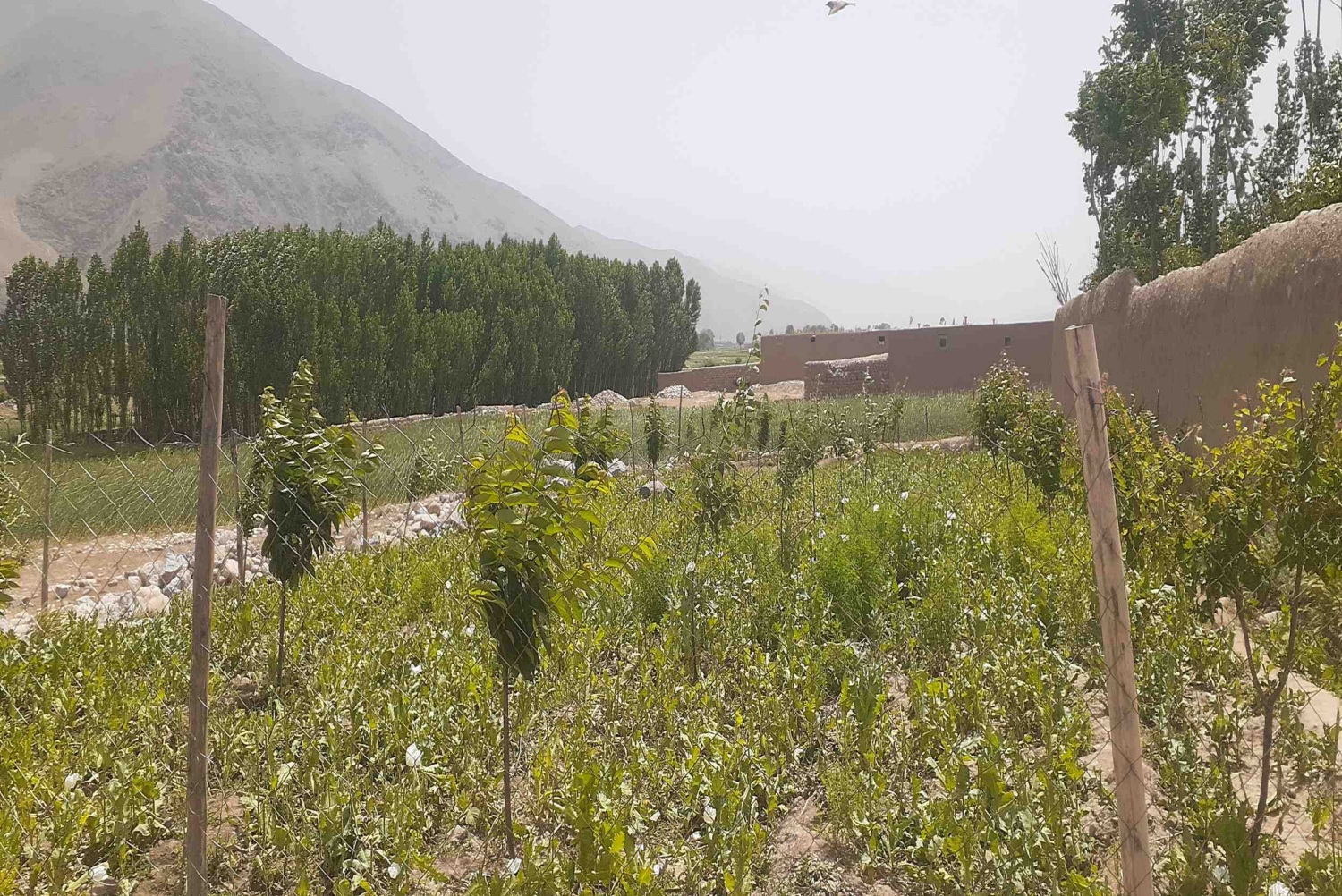
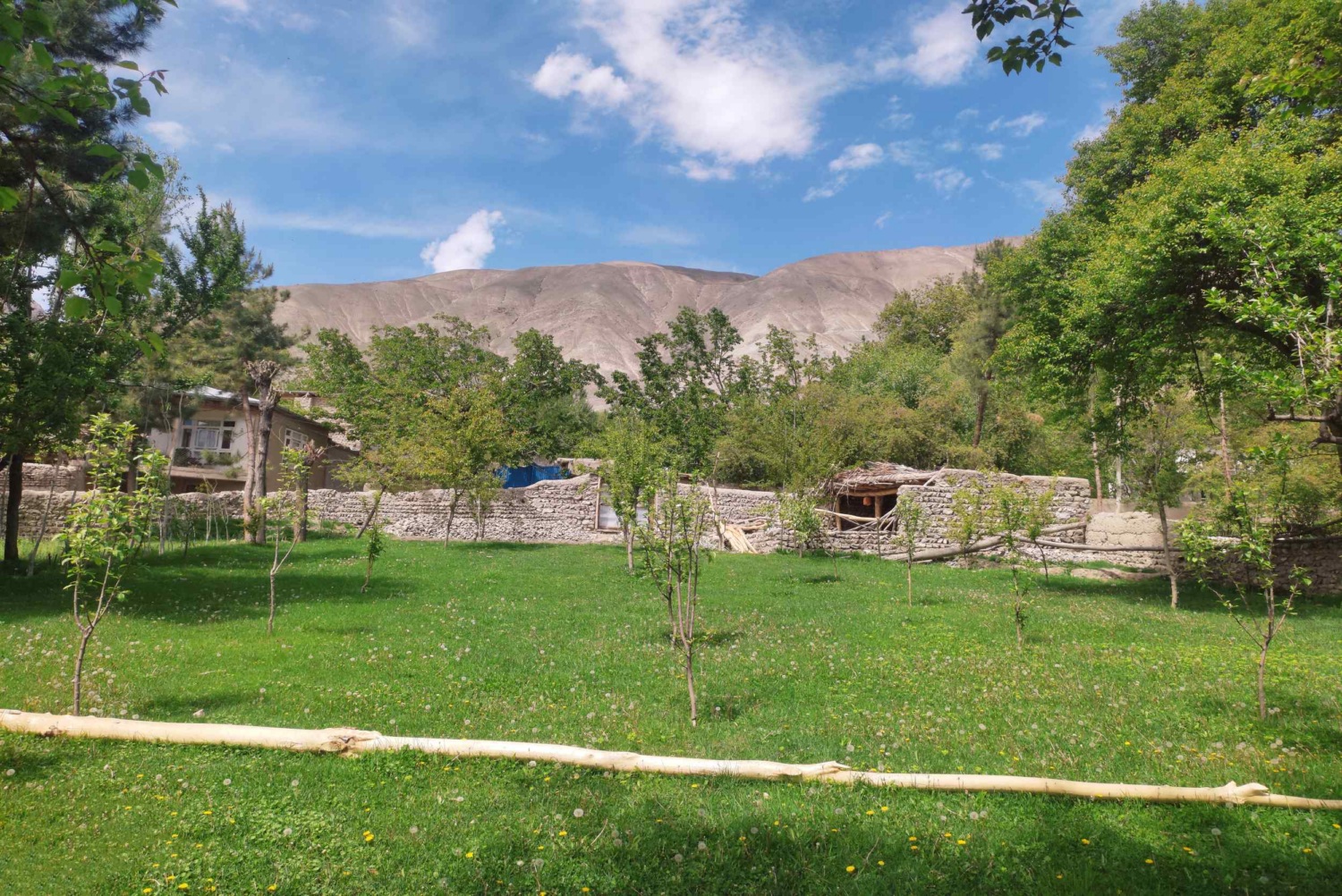
But in recent years, that foundation has become uncertain.
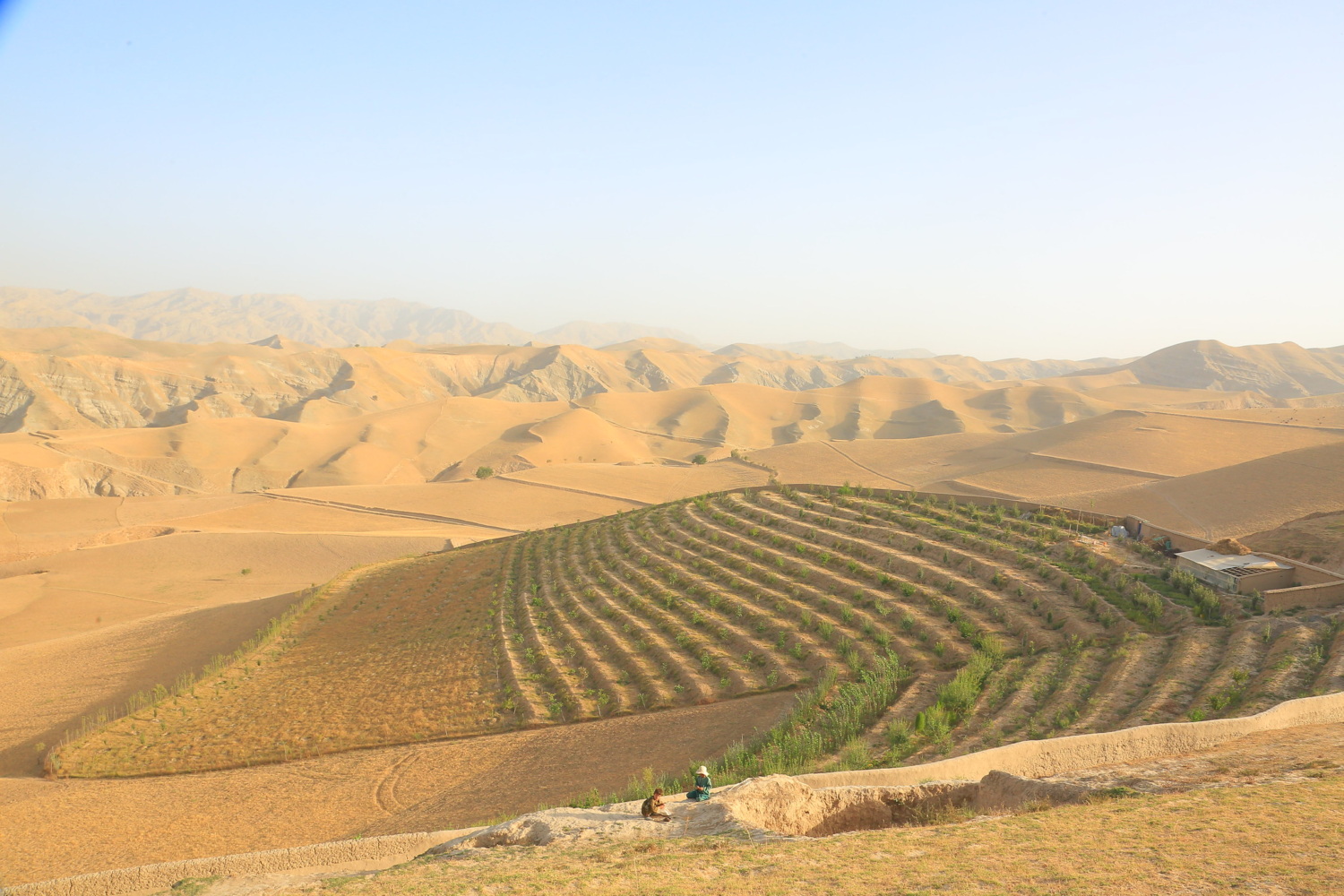
A Home Planet Fund partner from the village describes how climate change has increasingly affected their livelihoods. Agricultural production was decreasing year by year, while floods, dust storms, extreme temperatures, and soil erosion damaged both land and income. At the same time, fruits and vegetables like apples, apricots, tomatoes, onions, and others could only be used for a short season before spoiling.
“We had no solution, so we had to throw them away,” she explains.
Without proper storage, without access to markets, and with poor roads connecting the village to nearby towns, much of what families worked hard to grow was lost. For many women, the situation felt even more limiting. With little access to education or work, there were few opportunities to contribute to household income or build a different future.
“I had almost lost hope,” she shares.
Support That Builds from Within
But with the support of Home Planet Fund, in partnership with local organizations, a fruit and vegetable processing project was introduced in the community.
After careful consultation and coordination with village members, women were selected to take part in the initiative. What followed was not just the delivery of equipment, but the creation of opportunity.
The project provided a dedicated processing space, tools, storage, uniforms, and raw materials. Alongside this, participants received hands-on training in food processing and business management where they learned both practical skills and new ways of thinking about their work.
Step by step, confidence began to grow.
“At the beginning, we did not think we would reach this level,” our partner explains. “But with the help of trainers, we became more self-sufficient.”
In this way, the women are implementing a Nature-based solution (NbS) that is their very way of life.
NbS are actions people take in order to address societal challenges by way of the protection, sustainable management and restoration of the ecosystems where they live.
From Spoilage to Sustainability
Through the project, women learned how to transform fresh produce into lasting products like apricot jam, apple jam, pickles, chutneys, traditional foods, and more.
Instead of losing their harvest after one season, they are now able to process, store, and even sell their products in nearby markets.
“We sold our products and earned weekly income,” she says.
What was once wasted is now a source of stability.
Beyond income, the knowledge gained has changed how families manage their resources. Community members have learned how to store food properly, reduce losses, and make better use of what they grow.
A Space for Women to Work and Grow
Perhaps the most meaningful change has been for women in the community.
The processing center has become more than a workplace. It is a space where women can gather, learn, and contribute. Many of those involved had previously been excluded from education and employment. Now, they are actively managing production, organizing themselves into committees, and supporting their families.
“We are proud to work together, outside the home,” she says.
In a context where opportunities are limited, this shift is significant. Not only economically, but socially.
Knowledge for the Future
The project has also introduced important lessons on climate change and environmental care.
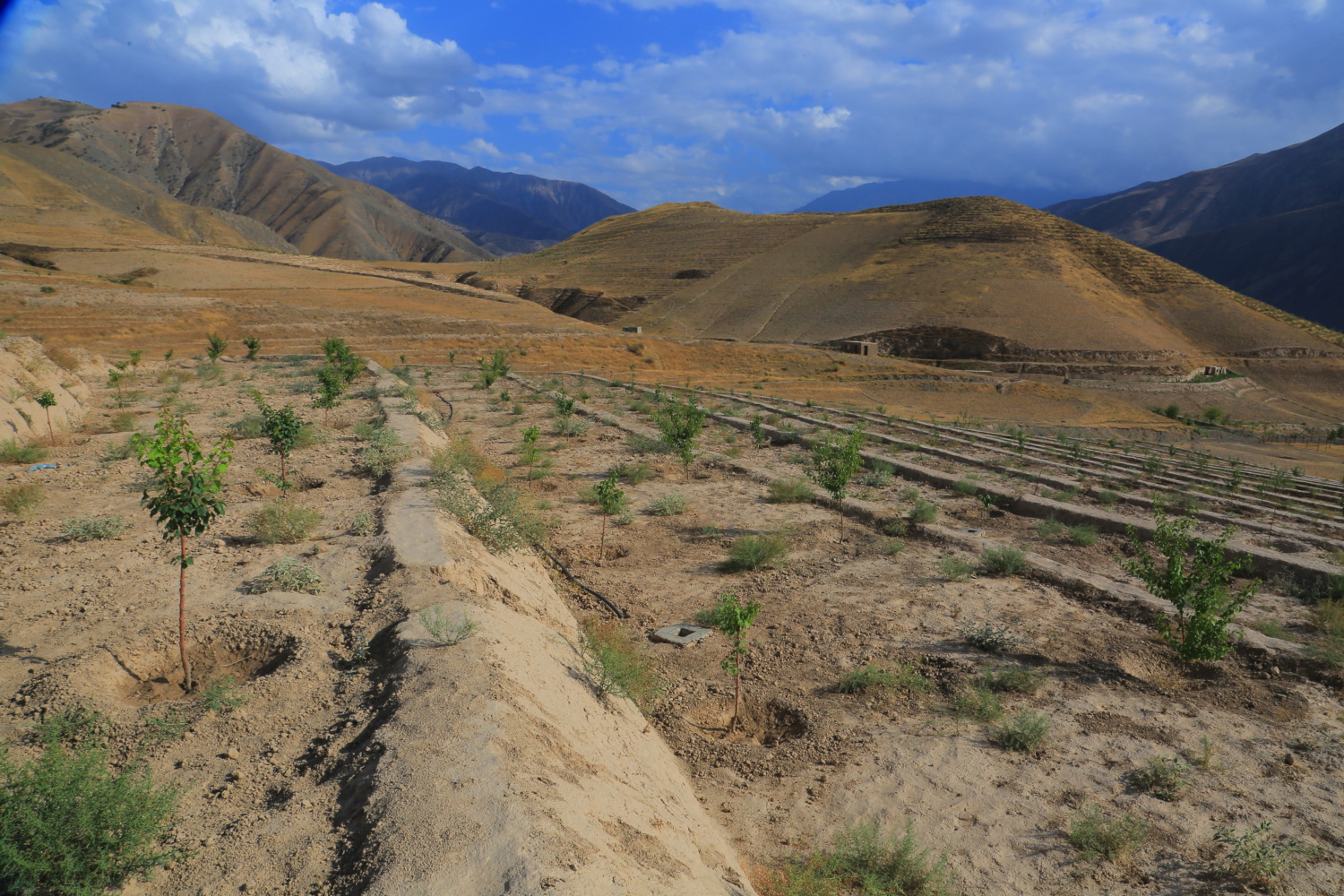
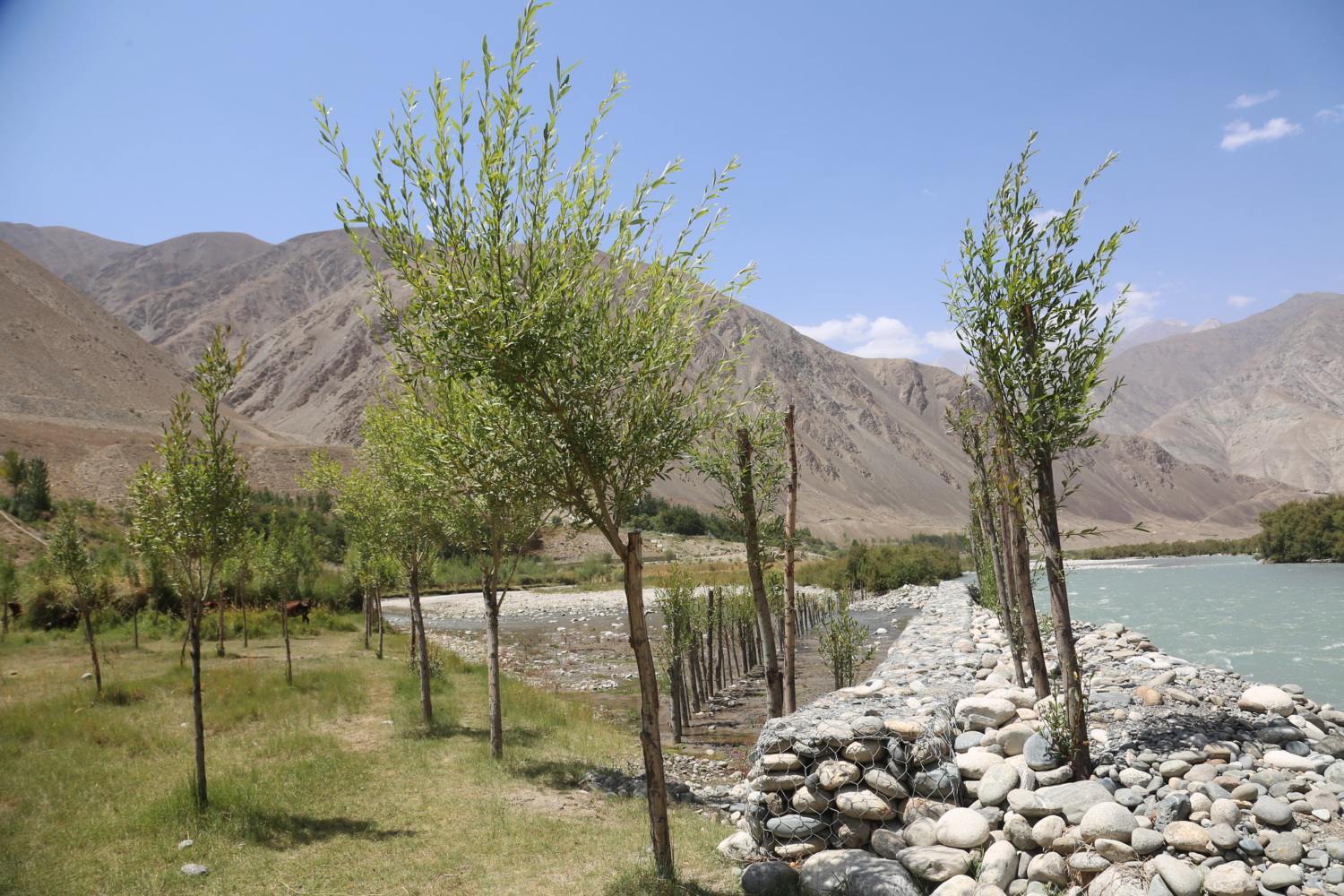
Participants have learned how to improve soil, control plant diseases, reduce chemical use, and increase vegetation cover. These changes are already leading to healthier crops and better yields.
At the same time, processing and preserving food has reduced waste and helped protect the local environment.
Looking Ahead
For the community in Kharundab Payan, the impact of this project is both practical and deeply personal.
“Home Planet Fund and one of our local organizations provided everything we needed,” our partner says. “Nothing is lacking.”
But the need remains great.
Her message is clear: expand these efforts to more villages, especially those that are remote and lack access to markets. More families, more women, and more communities could benefit from the same opportunity.
A Shared Future
This story is not just about one village. It reflects what is possible when support is aligned with real needs when communities are given the tools, knowledge, and space to act.
With the support of Home Planet Fund, what was once loss has become opportunity.
In Northern Afghanistan, villagers way of life as an NbS is supported going forward.
In this way, their ability to steward their lands continues and expands, and this vital region surrounding the glaciers and ice fields of Central Asia is cooled.
And what once felt like limitation is now a pathway forward.
Home Planet Fund is proud to be partnering with Aga Khan Foundation on this work.