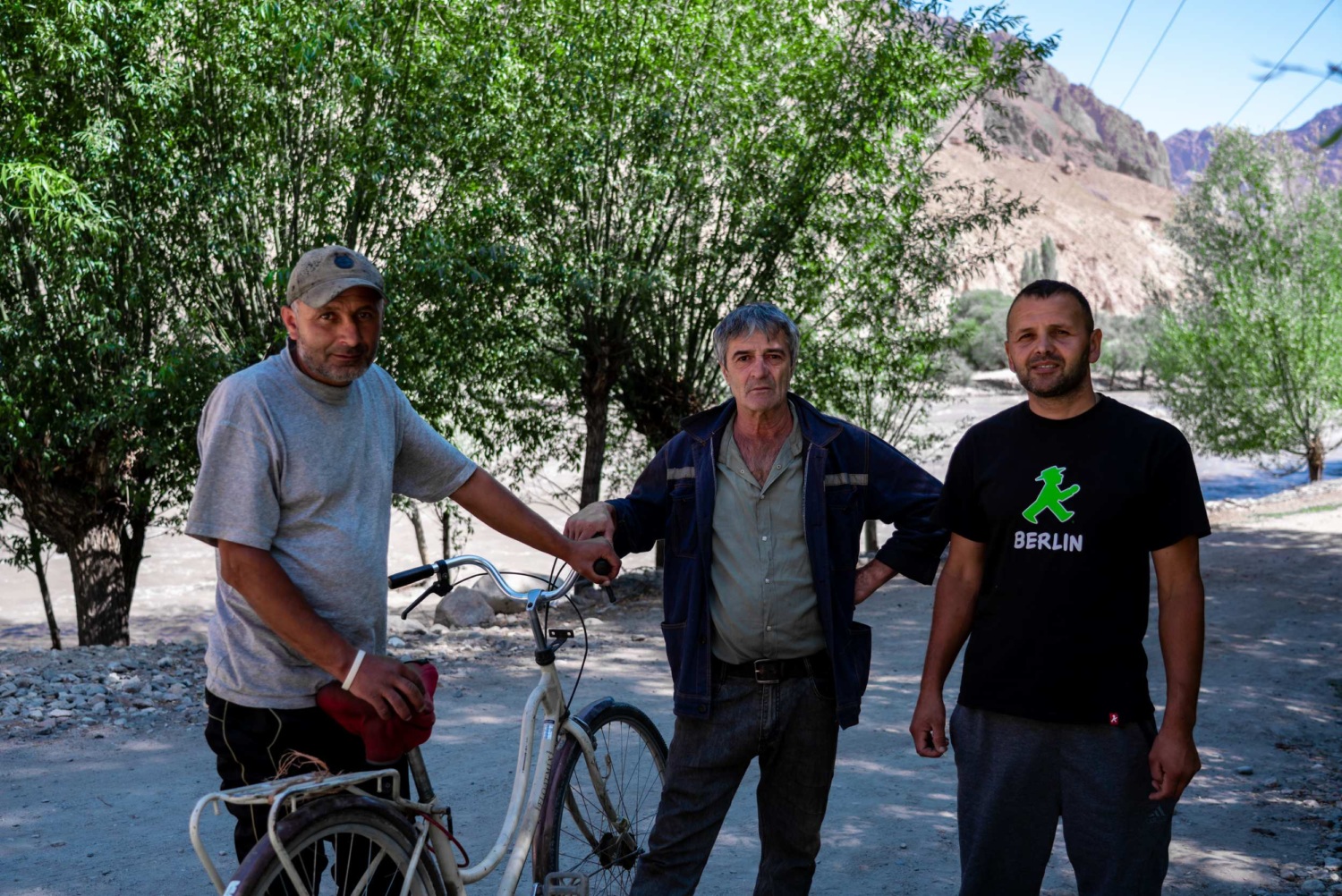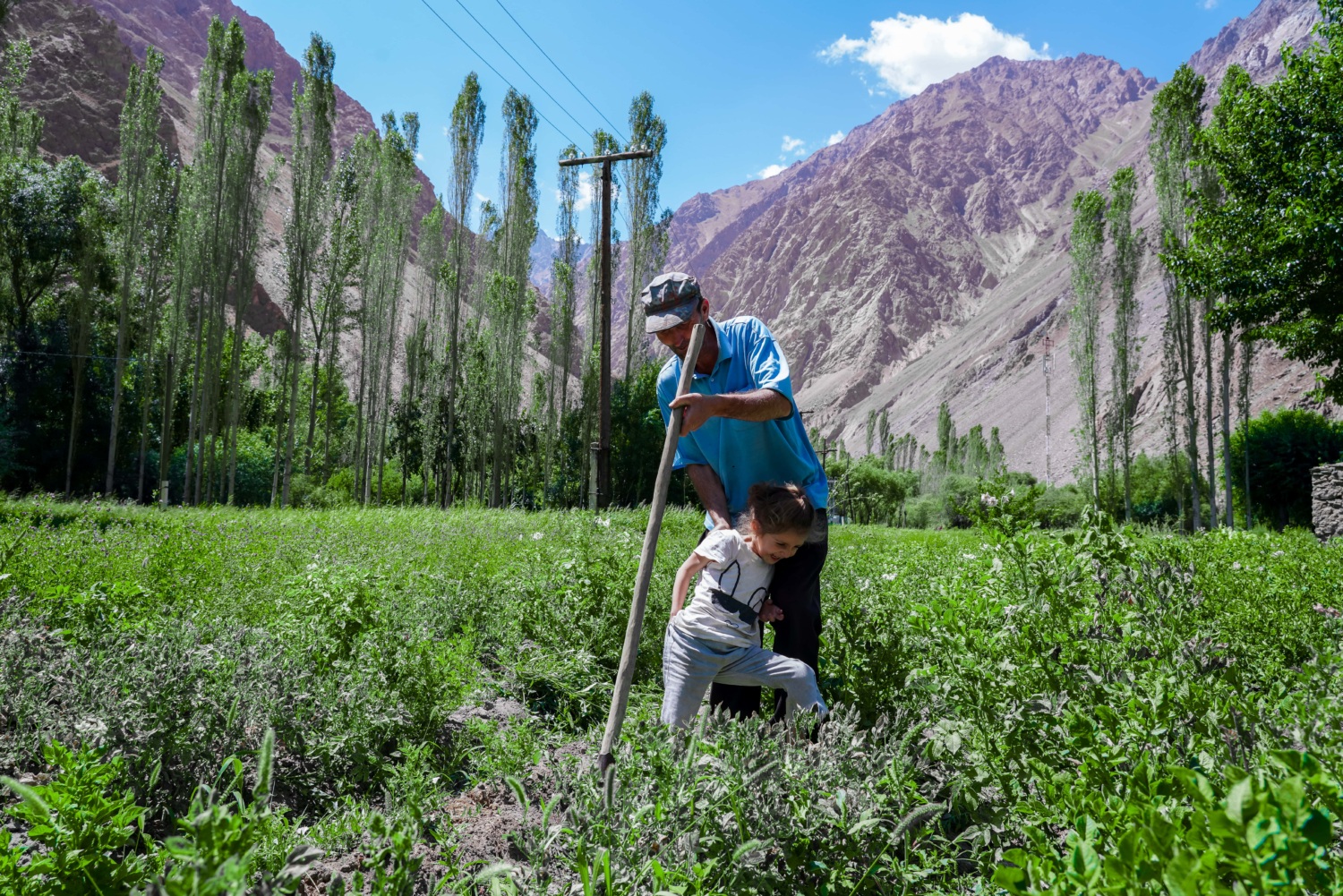
In the high-altitude reaches of Tajikistan’s Pamir Mountains, where winters are long and unforgiving, seeds are more than just planting material, they are survival. In Khijez, a small village in the Bartang valley, Rushan district, a humble metal container now stands as quiet proof of what can happen when a community decides to act.
Turkov Mamadraim, head of Khijez village, doesn’t talk in big ideas or sweeping promises. He speaks plainly, because the work speaks for itself.
“In 2024, a community organization called Nabzi Sayora came and told us about the seedbank,” he recalls. “They said we could bring one to the village, but I told them I can’t do anything without the community. So I gathered people, held a meeting. We decided, yes, we need it.”
It was more than a decision. It was a commitment.

From Idea to Action
Home Planet Fund had funded seed banks across the Pamirs. In Khijez, Turkov became the point person, the bridge between an idea and a place.
Once the village agreed, Turkov requested a piece of land. “In Tajikistan, land can’t be used without the decision of the district head. We waited, and when the land was officially allocated, we began.”
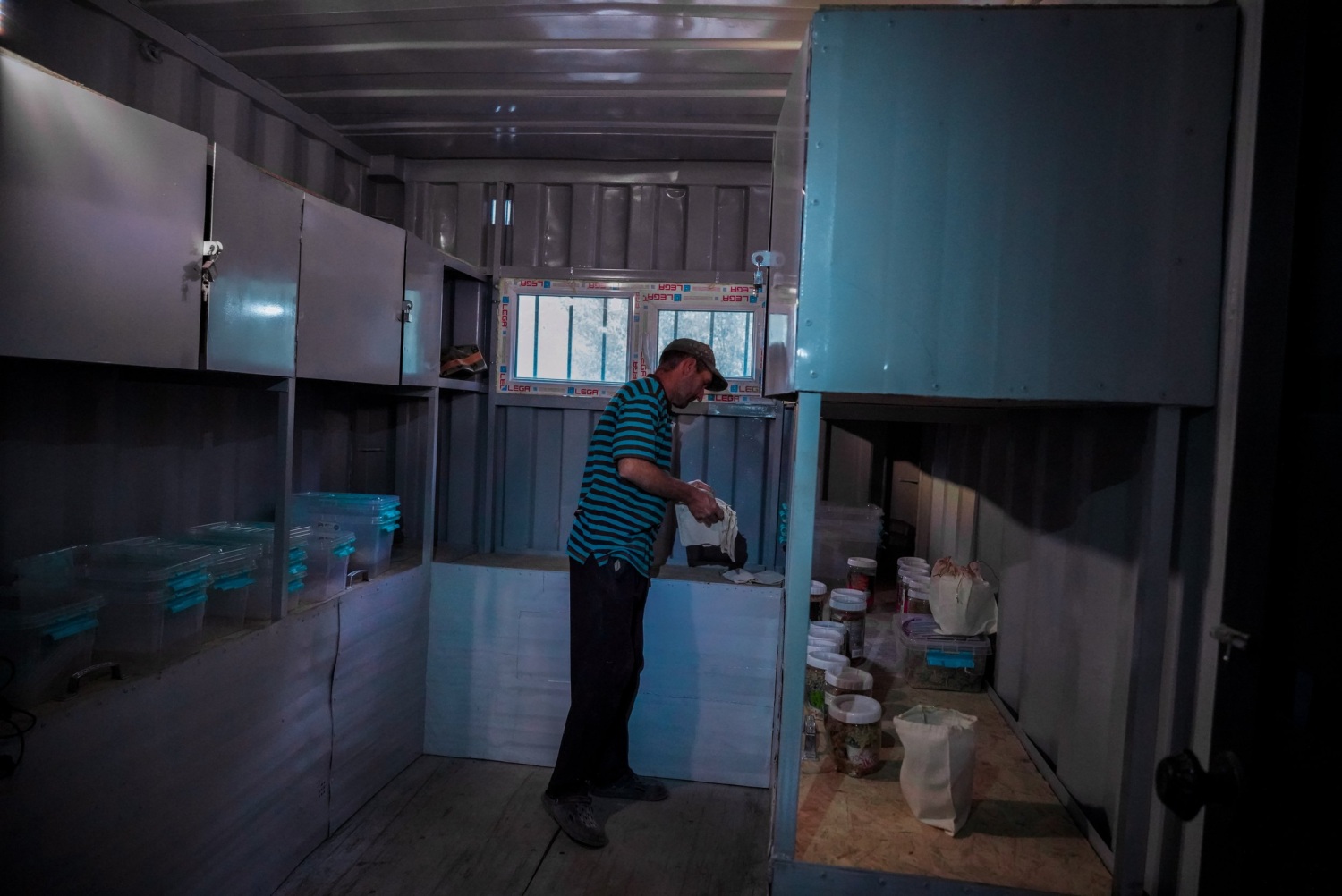
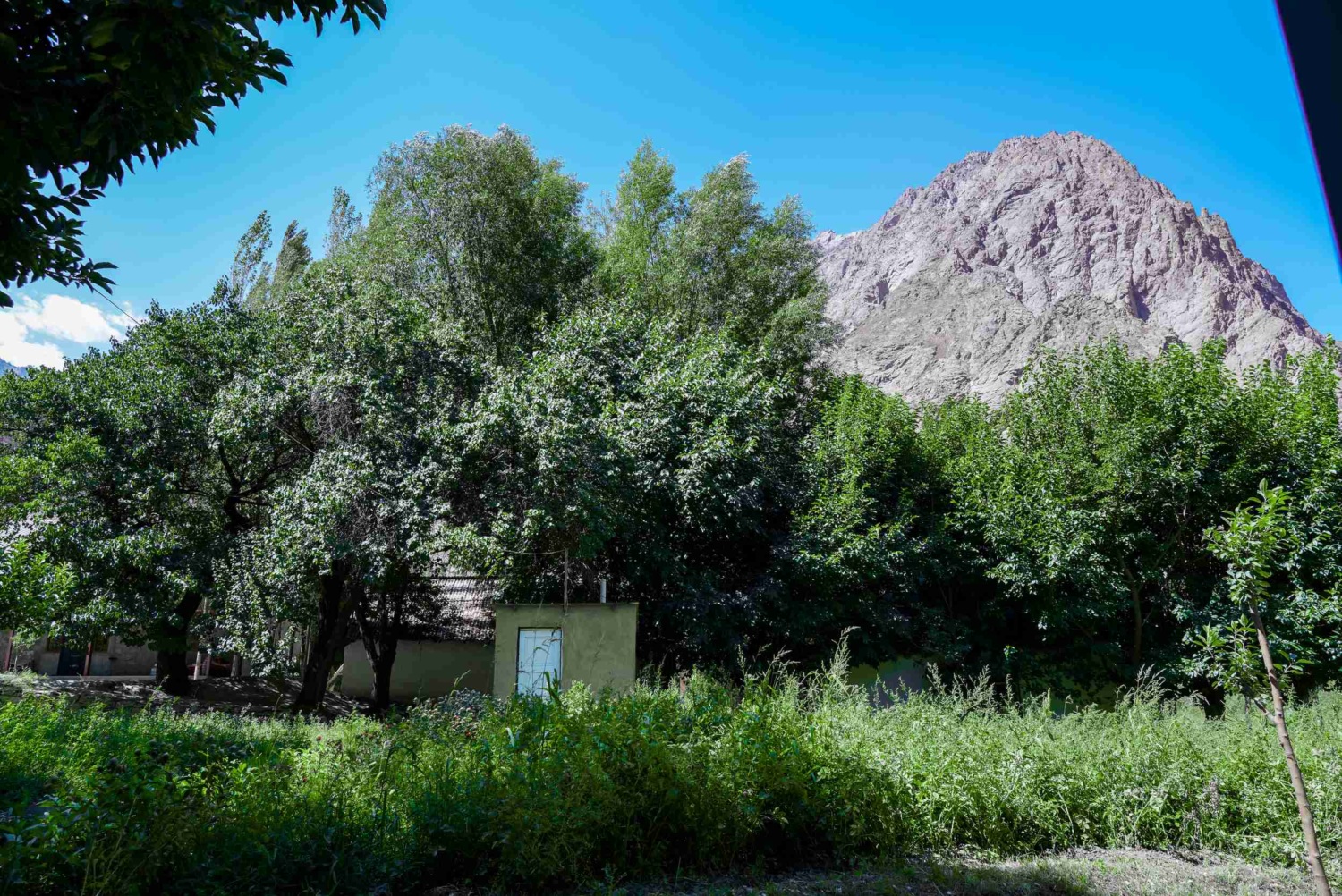
The seedbank, essentially a modified storage container, arrived on a truck with a mounted crane. But placing it securely on uneven mountain terrain took more than delivery logistics, it took sweat and cement.
“I needed 100kg of cement and reinforcement bars. They gave me 500 somoni to buy them. It was enough.” He and his neighbor poured the foundation themselves, volunteering their time. No crew. No fanfare. Just two men, doing what needed to be done.
No Salary, No Problem
Was he paid? No.
Was it hard? Also no, at least not in Turkov’s eyes.
“I did it because people needed it. I’m the head of the village, I’m responsible. As long as I’m head, I’ll take care of it.”
There was no extra equipment. No materials besides what was needed to install it. The seedbank itself was the only thing brought in. Turkov didn’t ask for more. He only asked the people for their input and support.
Why Seeds Matter
The seedbank has a simple purpose: protect the community’s seeds from pests, particularly mice, which are notorious for destroying stored seed in homes.
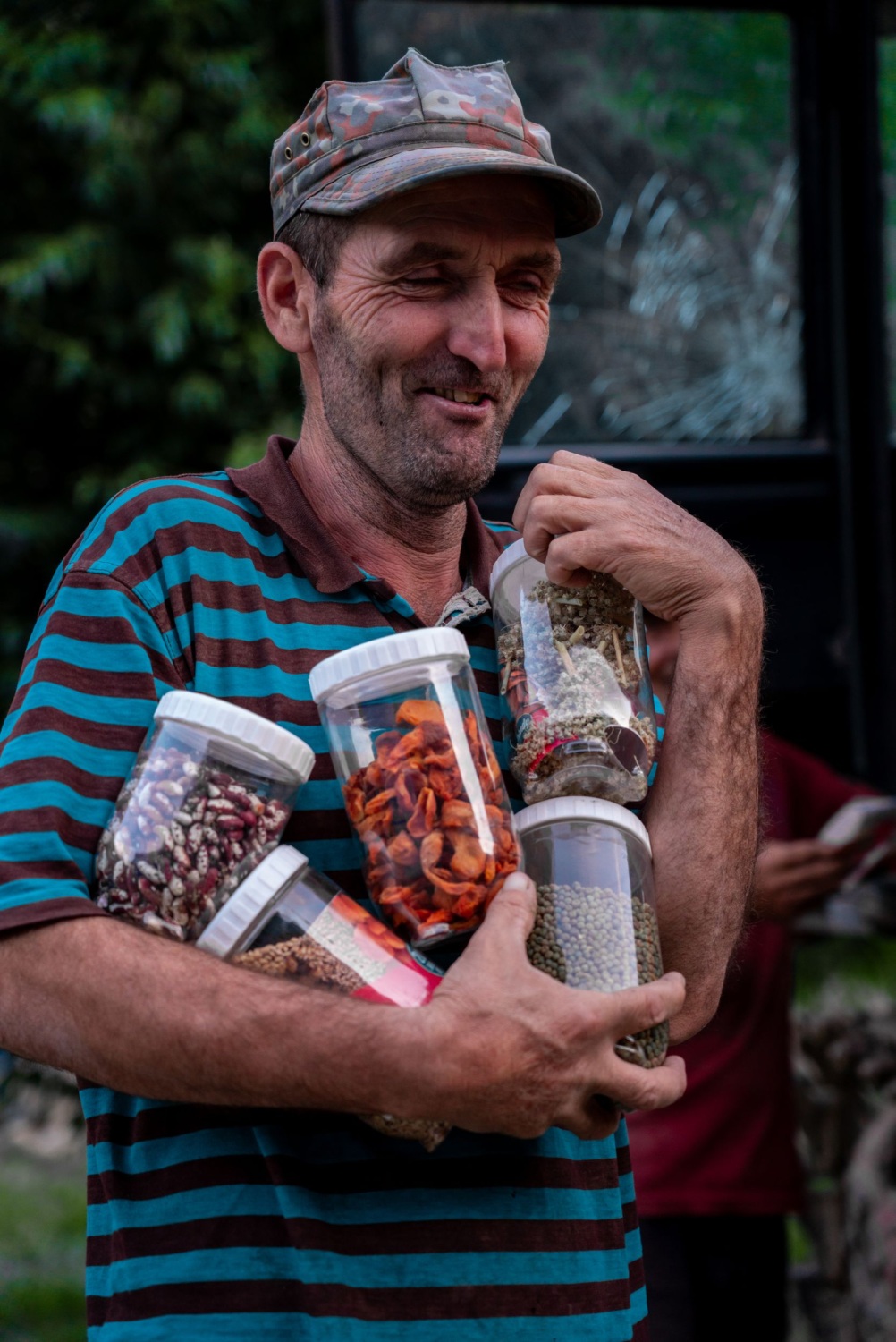
“People bring their seeds in autumn and take them back in spring,” Turkov says. “Onion, carrot, tomato, cucumber—5 or 6 families are already using it. Some bring seeds for their neighbors too.”
The impact is practical: more families are growing their own vegetables. “We don’t buy potatoes anymore,” he says. “We plant enough for ourselves. Same with tomatoes. We only buy flour now.”
The seedbank doesn’t sell seeds. It isn’t a business. It’s a shared resource, rooted in trust. “People bring their own seeds to store and take them back when it’s time to plant,” Turkov explains. “Maybe if I start storing seeds myself, I might consider selling. But not now.”
What’s Missing
Still, it’s not perfect. One thing still missing is electricity.
“When I looked inside,” a visitor says, “I noticed there’s no power.” Turkov nods. “They didn’t bring us a cable. We need one to have electricity there.”
But even without lighting, the seedbank works. It keeps the seeds dry. It keeps them safe from animals. For a mountain village like Khijez, that’s a big win.

A Model of Community-Led Success
This project in Khijez shows what sustainable development looks like when it’s done with people, not just for them.
Yes, the seedbank came from outside support, but everything else? That was local: the land, the labor, the leadership.
“It’s no extra burden for me,” Turkov says. “Whatever people bring, I’ll place it in the seedbank.”
His only concern? What happens after him.
“When my job ends, I don’t know if the next village head will take care of it or not.”
For now, Khijez has a place to protect its seeds. Because the people wanted it. Because Turkov listened. Because they built it—together.
Our Role
People are thankful for the support from Home Planet Fund.
This seedbank, and others like it are not just containers. They’re containers of resilience. Of agency. Of food security in the face of changing climates and uncertain harvests.
One village. One leader. One seedbank.
And countless lives growing stronger, season by season.