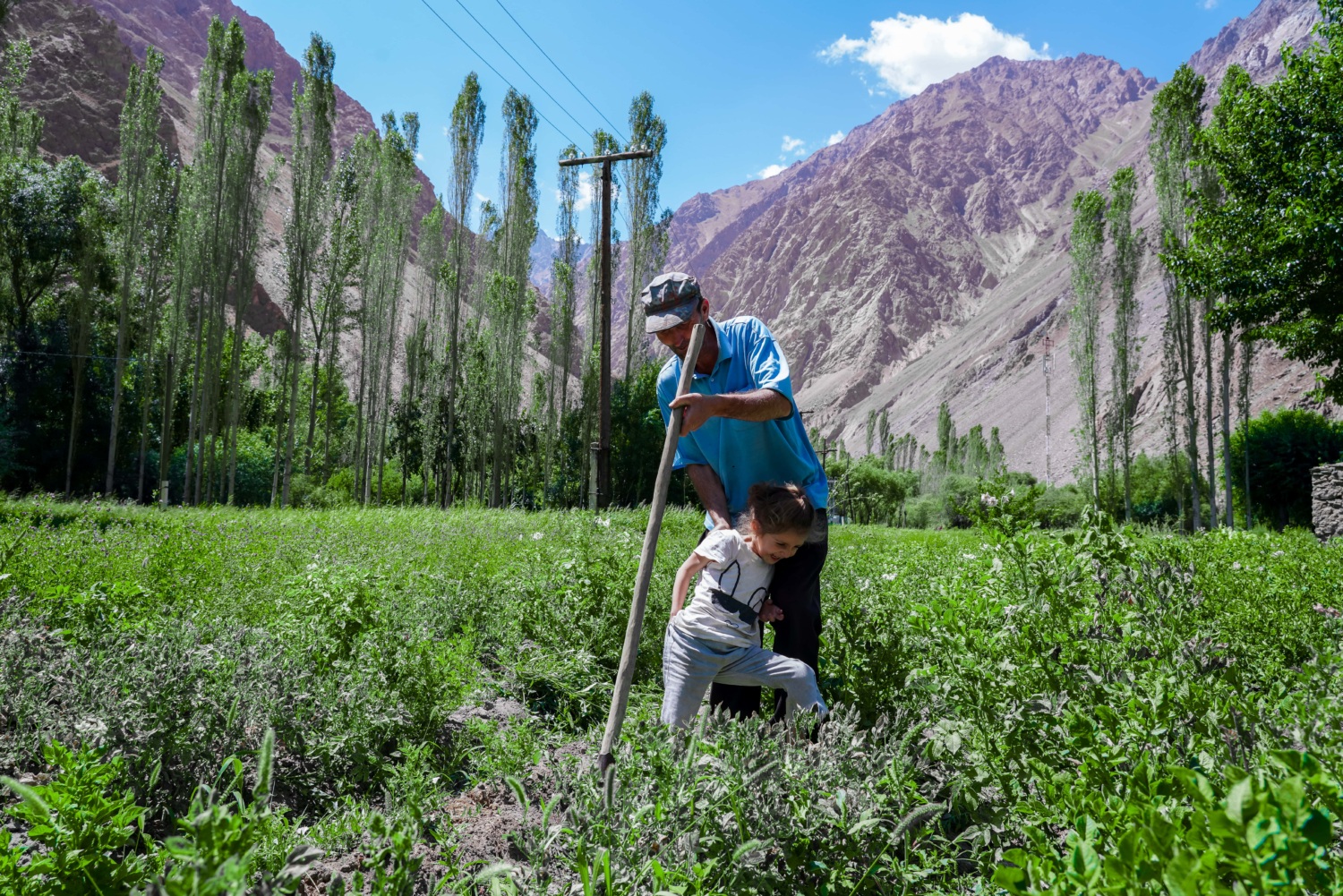
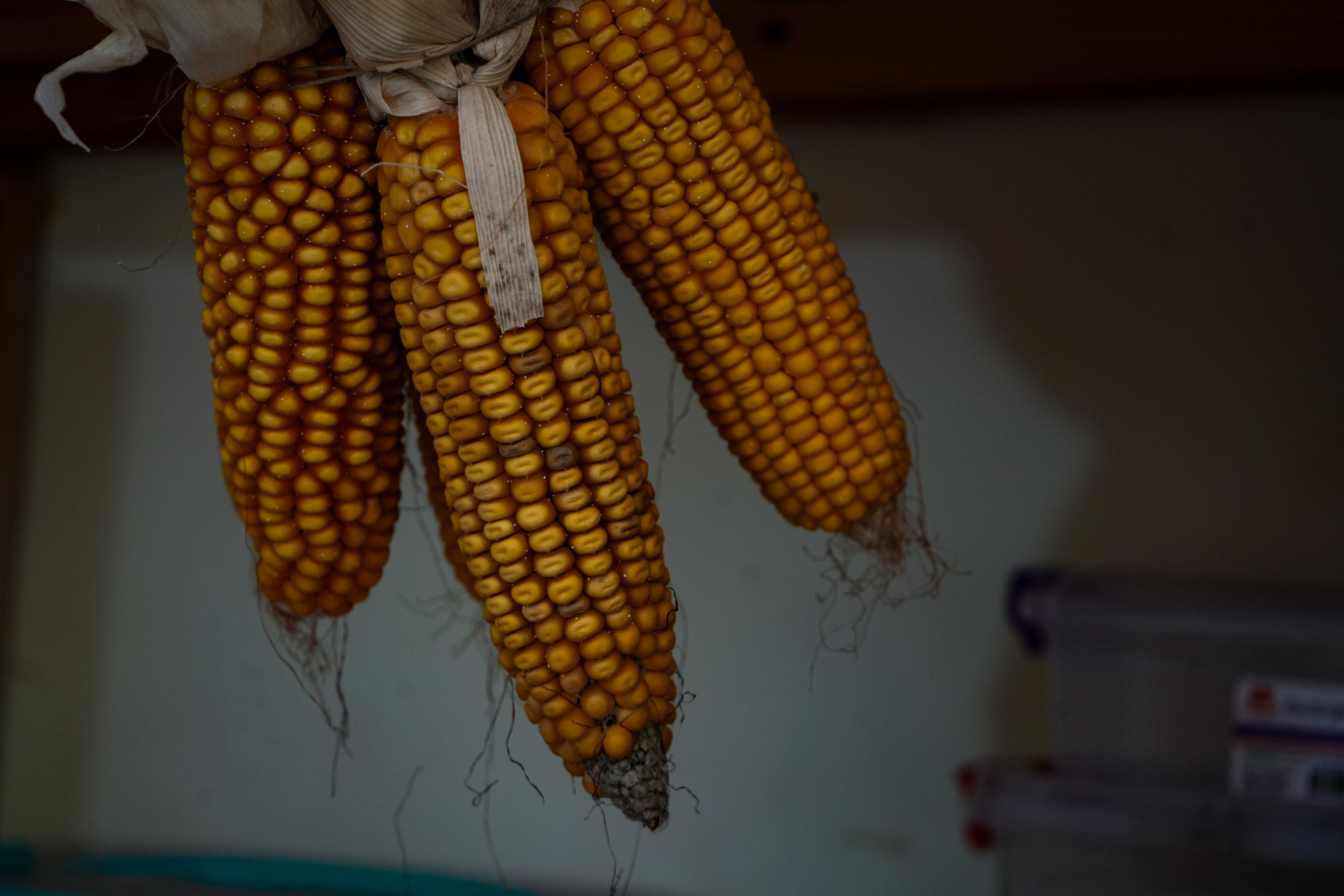
Because winters are long, cold, and often unpredictable, preparation begins well before the first snow falls. Autumn is a particularly important time, when families work together to store food and supplies that will sustain them through months of isolation and harsh weather. One common practice is making jam from local fruits. These jams are carefully preserved and later eaten with bread or enjoyed with hot tea during winter. Beyond nourishment, they are believed to help strengthen the immune system and bring warmth and comfort during the coldest days.
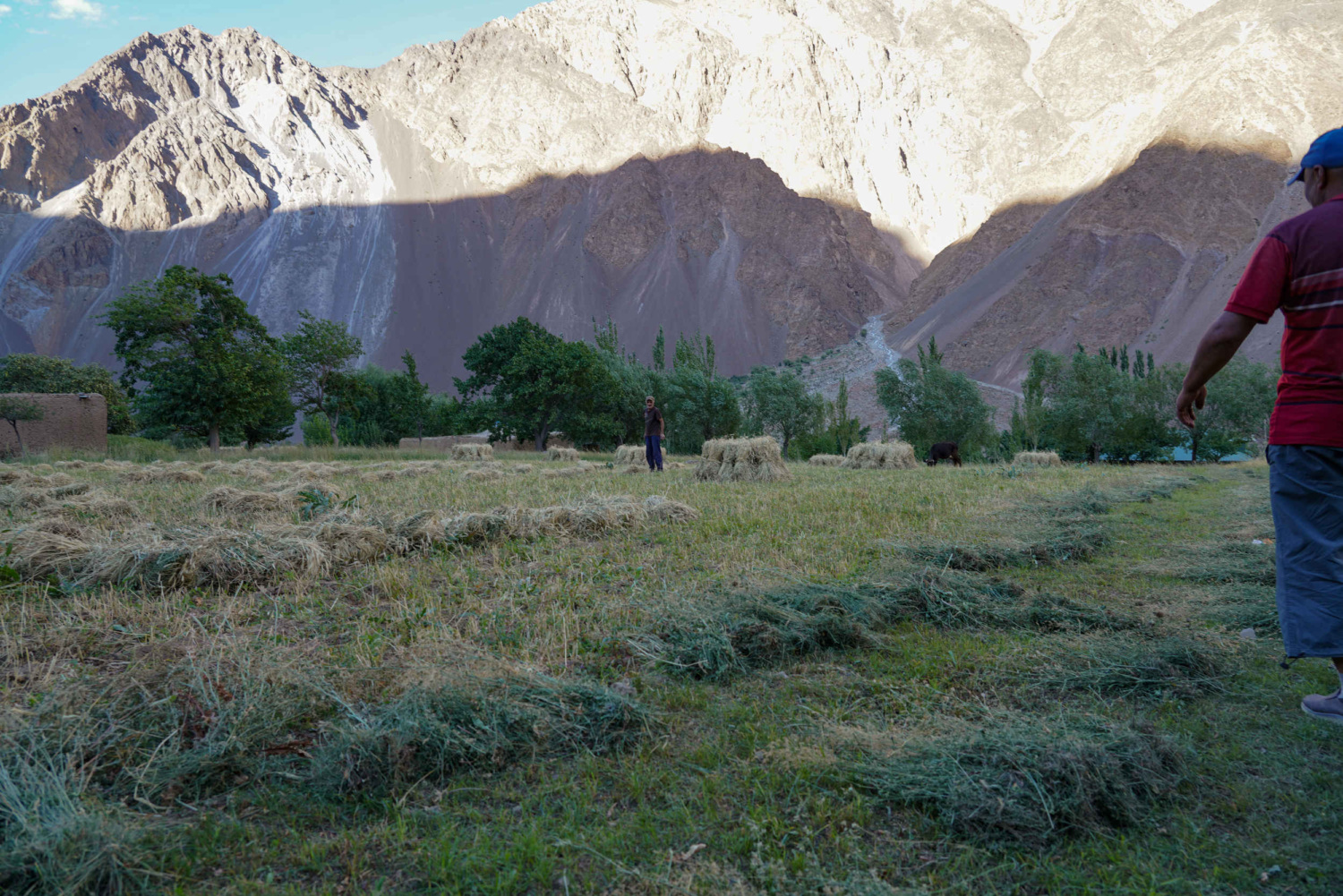
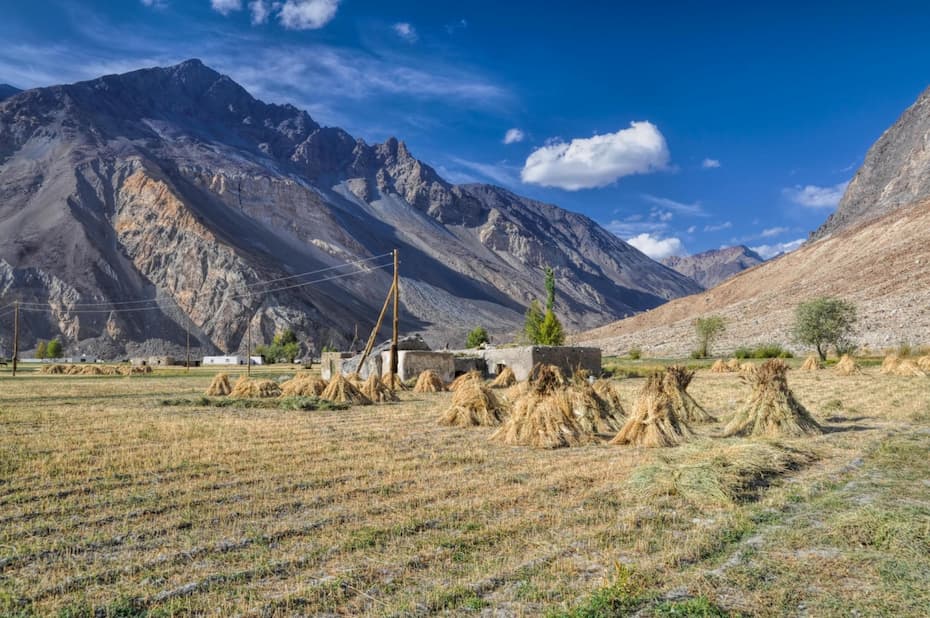
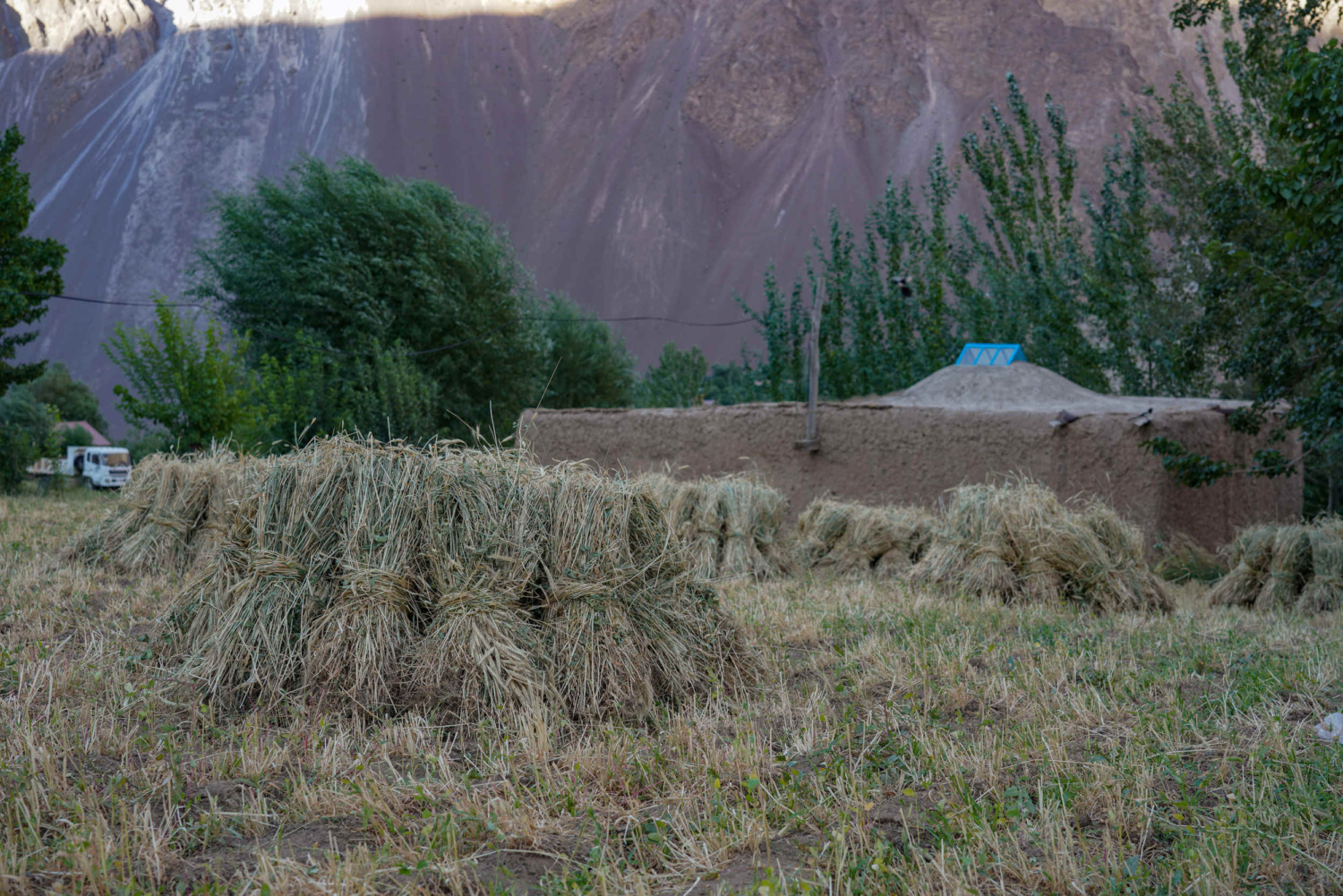
Food preservation plays a central role in winter survival. People dry fruits, prepare vegetable salads, and store harvested crops in special places designed to keep them usable throughout the winter. In many Pamir villages, families raise animals, which provide meat and milk. Preparing for winter means collecting and storing large amounts of grass and fodder so livestock can survive when grazing lands are buried under snow. Rendered animal fat is also conserved, as it is an important and energy-rich food source during the cold season. These practices reflect a deep understanding of seasonal rhythms and the importance of using every available resource wisely.
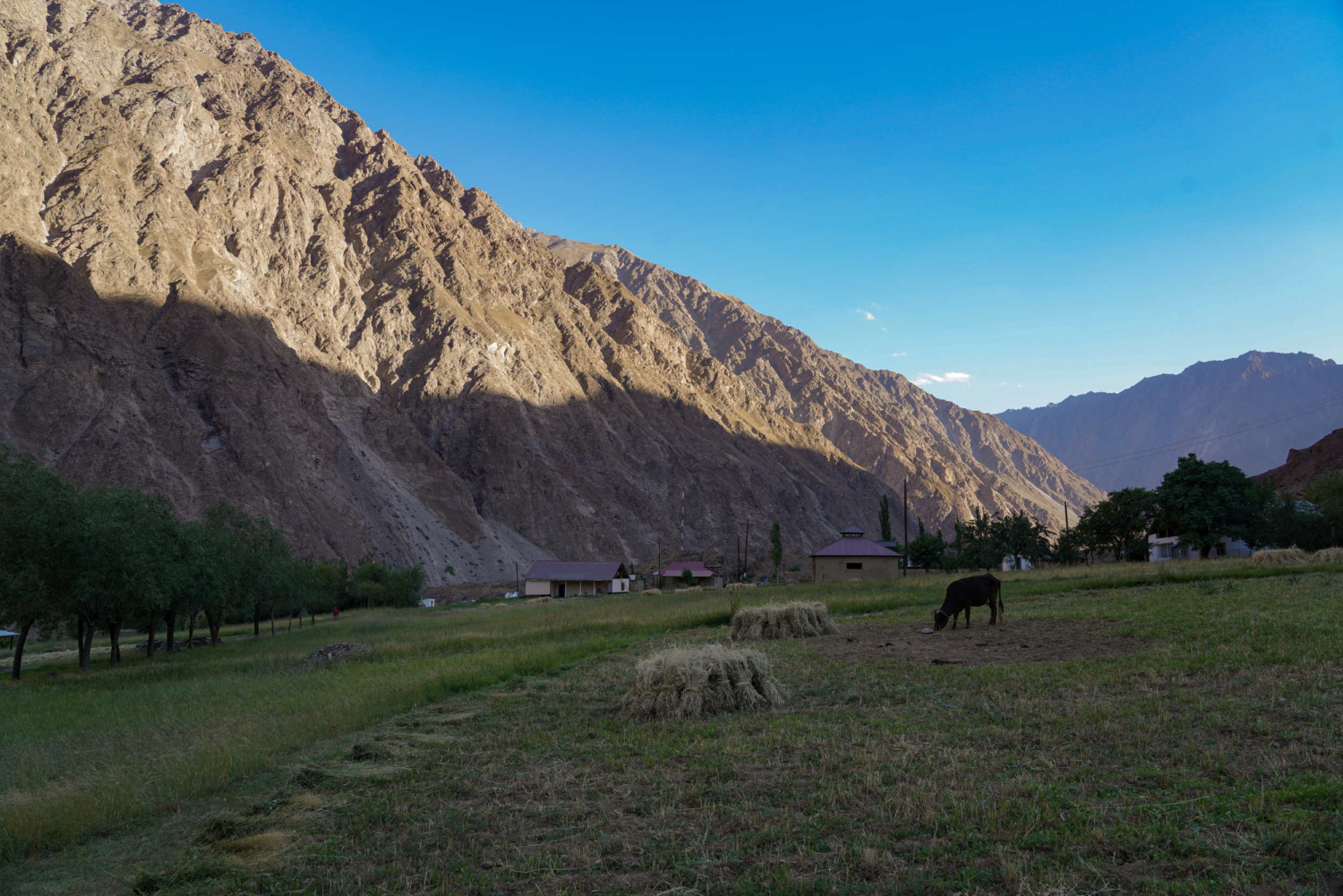
Winter life in the Pamirs also requires practical adaptations to limited infrastructure. In some regions, electricity can be unreliable, so people purchase and store candles in advance. Evenings are often spent by candlelight, creating a quiet and reflective atmosphere inside the home. Heating is essential, and families rely on wood-burning stoves to stay warm. In areas where firewood is scarce, dried animal dung is collected and used as fuel. To retain heat, windows are covered with plastic sheeting, helping keep cold air out and warmth inside during freezing nights.
Isolation is another defining aspect of winter in the Pamirs. Many villages are located far from markets, and during heavy snowfall or avalanches, roads can be closed for long periods of time. Transportation becomes difficult or impossible, reinforcing the need for careful planning and self-sufficiency. People conserve or purchase essential goods ahead of time, knowing that access to outside supplies may be cut off for weeks or even months. One particularly impressive and thoughtful practice is the planting of wind-break trees around villages. These trees help protect homes and people from strong mountain winds, demonstrating a long-term relationship with the land and a collective approach to safety and survival.
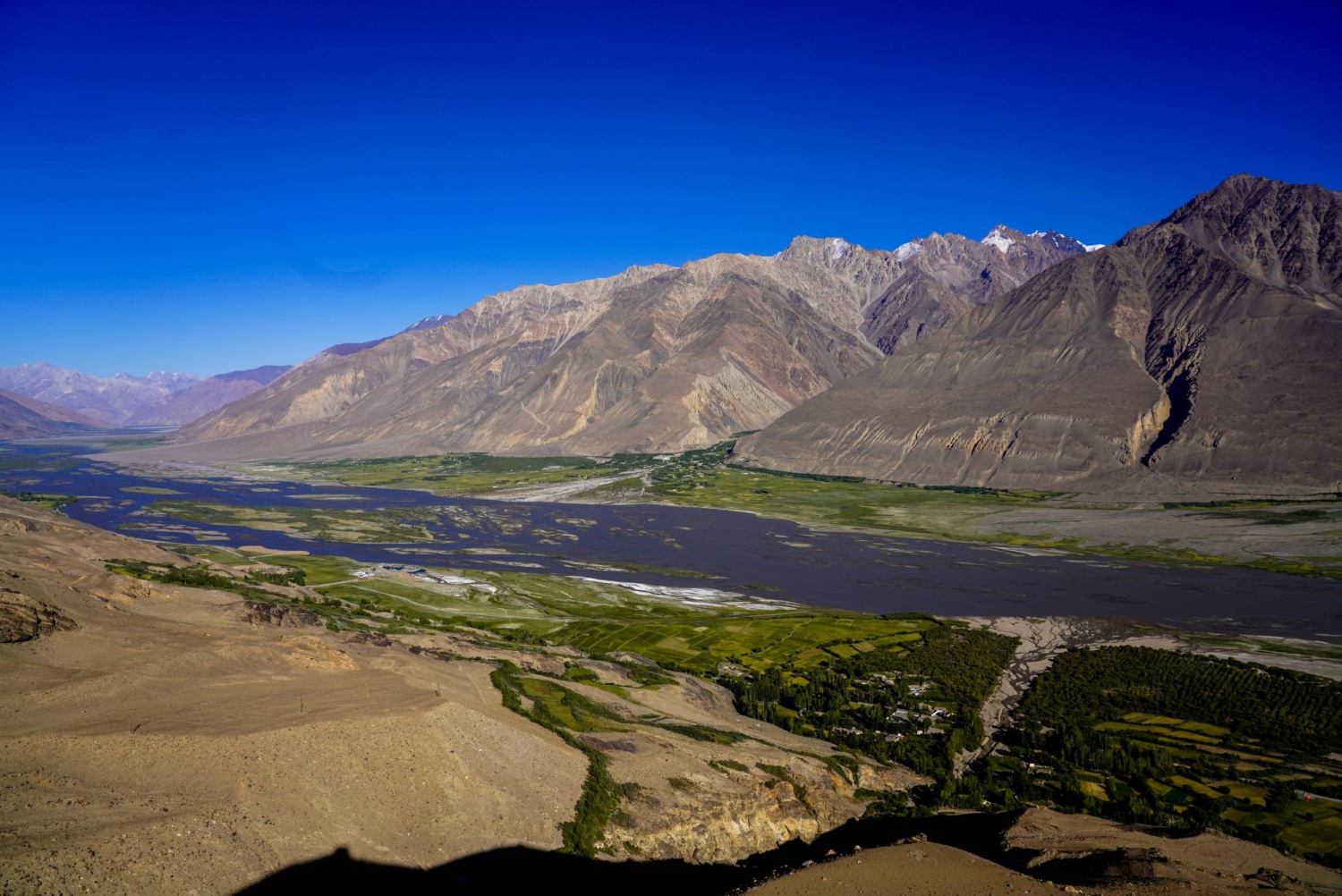
Overall, winter in the Pamirs is a season of endurance, quiet reflection, and shared responsibility. Life slows down, families spend more time together, and communities rely on knowledge passed down through generations. These traditional practices are not only about surviving the cold, but about living in balance with the mountains — accepting winter’s stillness while trusting in the return of warmth and renewal in spring.