Up the Valley: The Gathering at Fare Hape
At the end of November, about 65 representatives will travel up a valley in Tahiti to sit in a circle, share a fire, and remember how to work together.
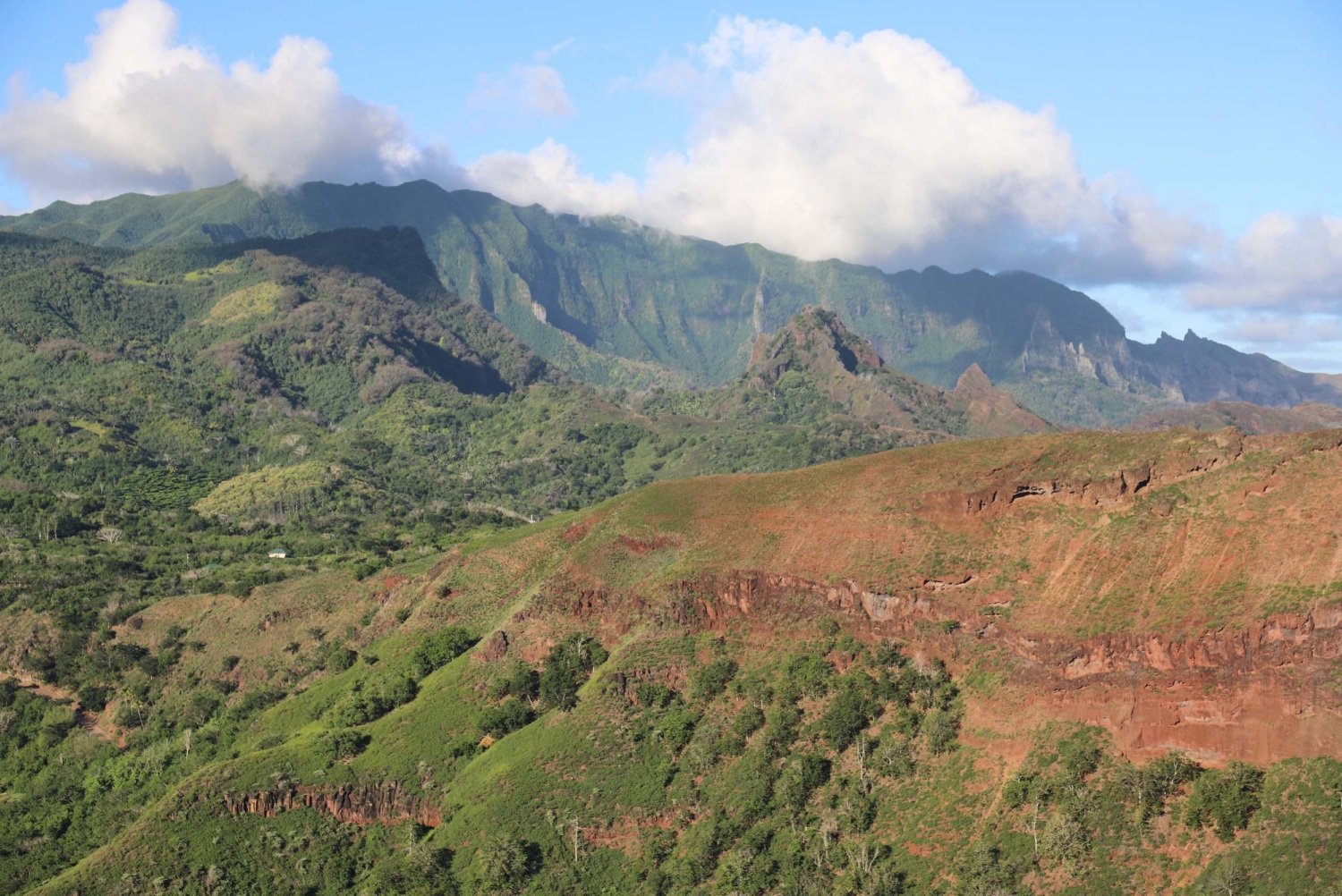
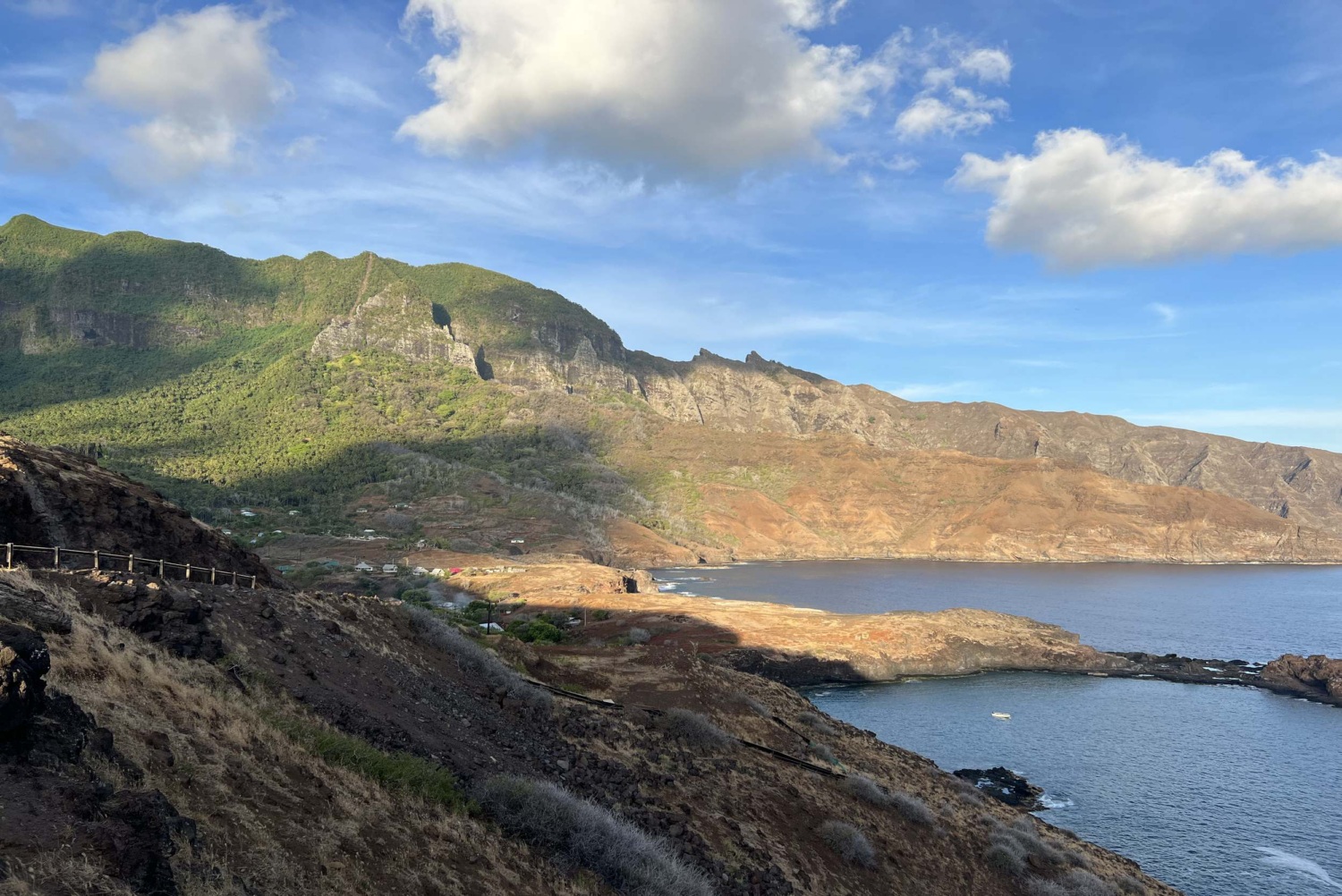
There is no internet or mobile phone signal at Fare Hape. The only way in is by four wheel drive, up the Papenoo Valley on the north coast of Tahiti, about 18 kilometers from the sea. For two days and one night at the end of November, this isolation is intentional.
The gathering brings together one representative from each member association of a Polynesian environmental federation, yet it is built on something much older than any of the organizations taking part.
A place with a long memory
Fare Hape sits on a river terrace and is an archaeological site in its own right, with marae, house platforms, terraces, a drum stone and an archery platform. People lived here for centuries, until missionaries pushed them toward the coast in the late 1700s.
Today the site is looked after by the Haururu association, a cultural organization that has worked for decades to protect Polynesian traditions and sacred places. Their involvement helps keep the environmental work connected to local culture and the people who live there, rather than bringing in outside ideas.
Why this place, and why the end of November
Home Planet Fund Parter FAPE (Federation of Environmental Protection Associations in French Polynesia) are the organizers of this special event. FAPE are clear about why Fare Hape was chosen as the location: it was chosen as a place of transmission, memory and reconnection.
The timing is just as deliberate. Matari’i i ni’a, the rise of the Pleiades from about 20 November, marks the start of the Polynesian season of abundance. Matari’i means “little eyes.” It is the half of the year that brings rain, growth and fish, and it has always been a season of gathering.
The journey up the valley is part of the method. The group starts at the river mouth, follows cultural protocol, stops at a marae to ask permission, and only then goes up into the high valley. In Polynesia, looking after nature and looking after culture are not two different jobs. Even the word fenua, usually translated as “land,” carries more: belonging, responsibility, and where you come from.
The ceremony: what happens up there
The gathering opens with a traditional welcome and a prayer. Cultural protocol is observed at the marae before anyone talks about work.
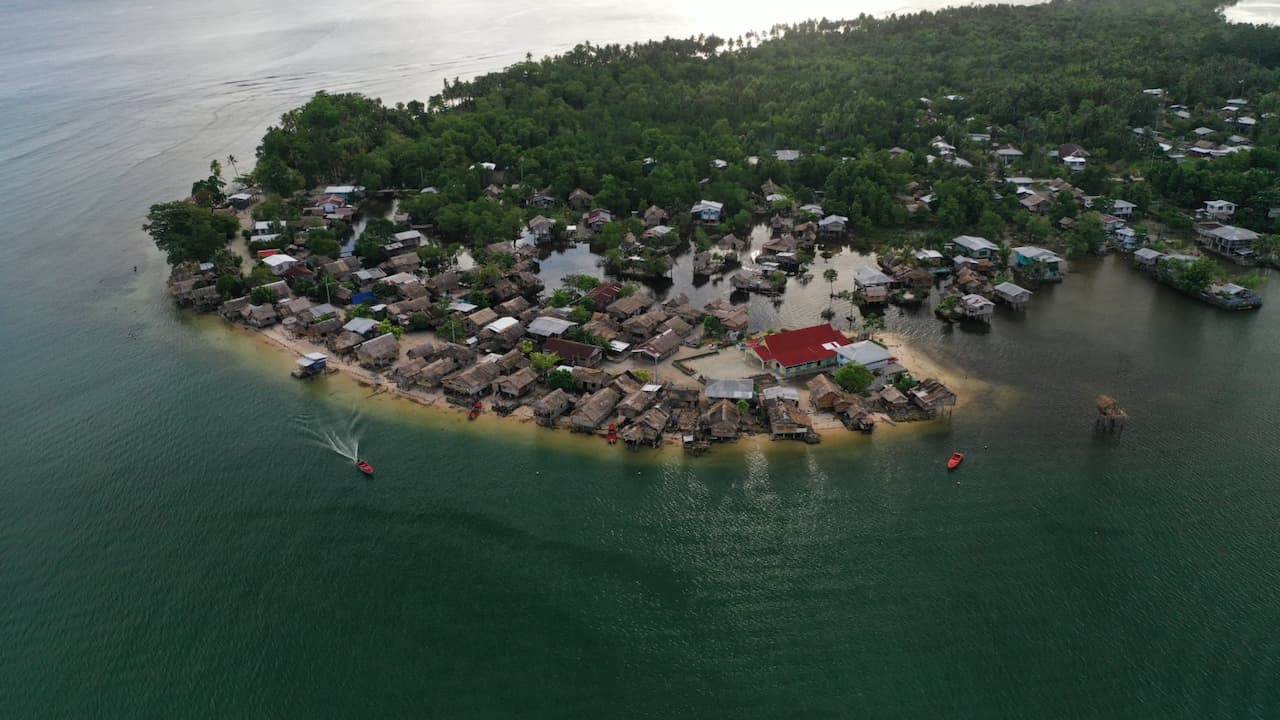
Participants walk, listen, and receive traditional knowledge about looking after land and water. One example is rahui, a temporary restriction that allows a place to recover. Rahui helps protect and restore coral reefs, manage fishing and natural resources, restore forests, reduce runoff into the ocean, and create livelihood opportunities for remote island communities.
In the afternoon the talk turns to what is not working: isolation, lack of resources, and what associations actually need. Only then do ideas for working together take shape.
In the evening, there will be fire, food, stories and songs. Some people who have been in the same federation for years will be meeting for the first time.
The gathering ends with an ‘ava ceremony, in which everyone makes a commitment to work together, and with the canoe as its image. The canoe is a symbol of the federation, and each association is one person holding a paddle. If everyone paddles in the same direction, the canoe moves forward. The message is simple: these are different associations, but they need to work toward the same goal.
Where culture and environment meet
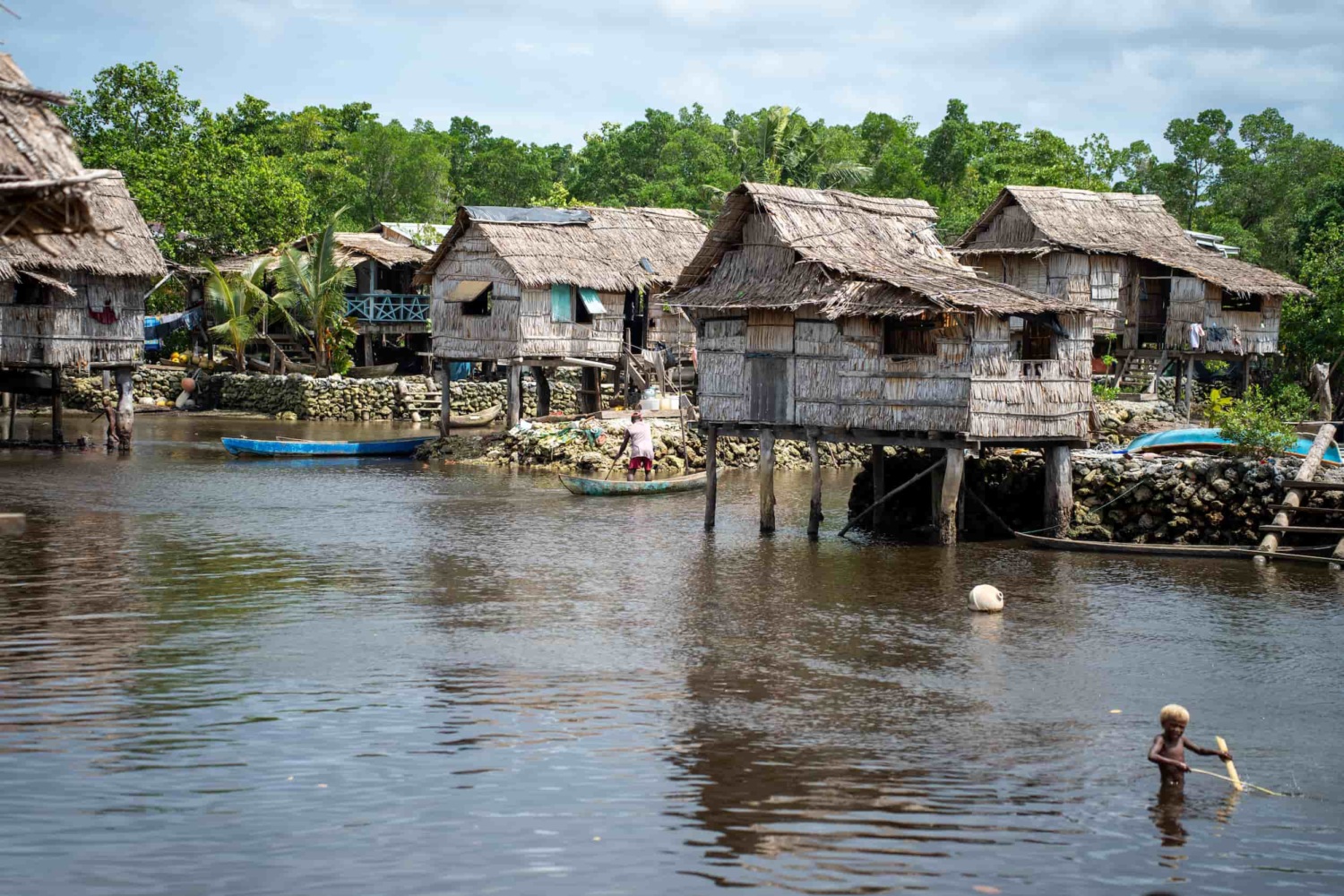
Stewarding the lands and waters of these islands has always been tied to people’s history, traditions and identity, and with their sense of belonging to the land. That is why a gathering about the environment begins with a prayer and ends with a ceremony, and why a drum stone and a marae sit beside the conversation about coral reefs and forests.
The practices shared in the mornings, like rahui, are conservation tools and cultural inheritance at once. When associations leave the valley with new connections and a shared commitment, they carry both: practical ways to protect reefs, forests and fisheries, and the sense of belonging that makes people want to.
That is the heart of this gathering, and the reason it happens where it does, when it does, and the way it does.
This is one example of FAPE’s work, and why Home Planet Fund is honored to have them as our partner.