Rising Seas, Women Rising.
It took two extremely destructive storms to clearly illustrate the need for women to have a stronger leadership voice in the Pacific Islands. In 2015, Tropical Cyclone Pam devastated Vanuatu, while Tropical Cyclone Winston did the same in Fiji a year later. Ferocious winds leveled homes, wiped out crops, and left schools and medical facilities out of action. The storms caused billions in damage, and left hundreds of thousands of people reeling.
Both showed the need for women’s voices in humanitarian action at local, regional and national levels, as their needs were often overlooked when preparing for and responding to these disasters.
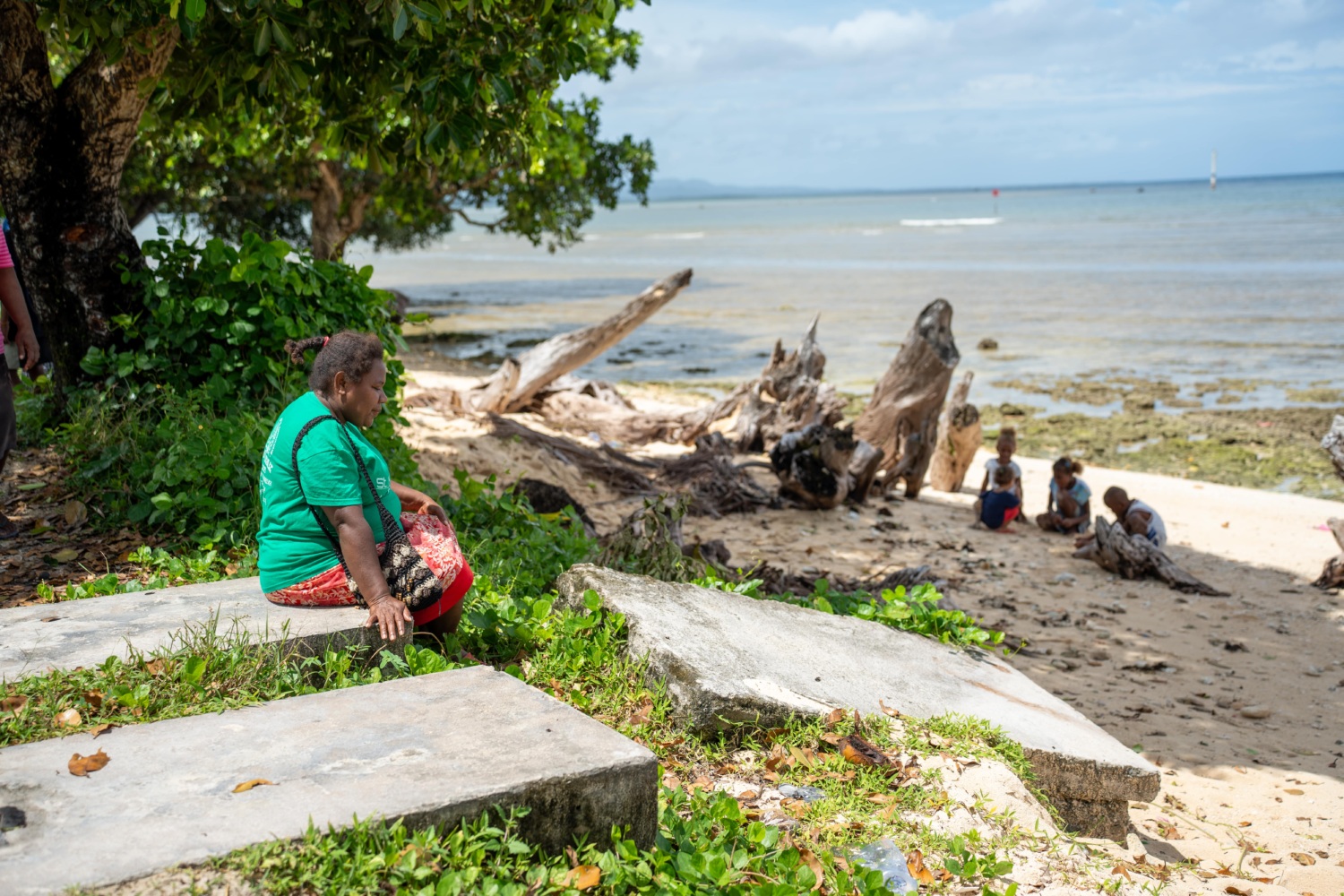
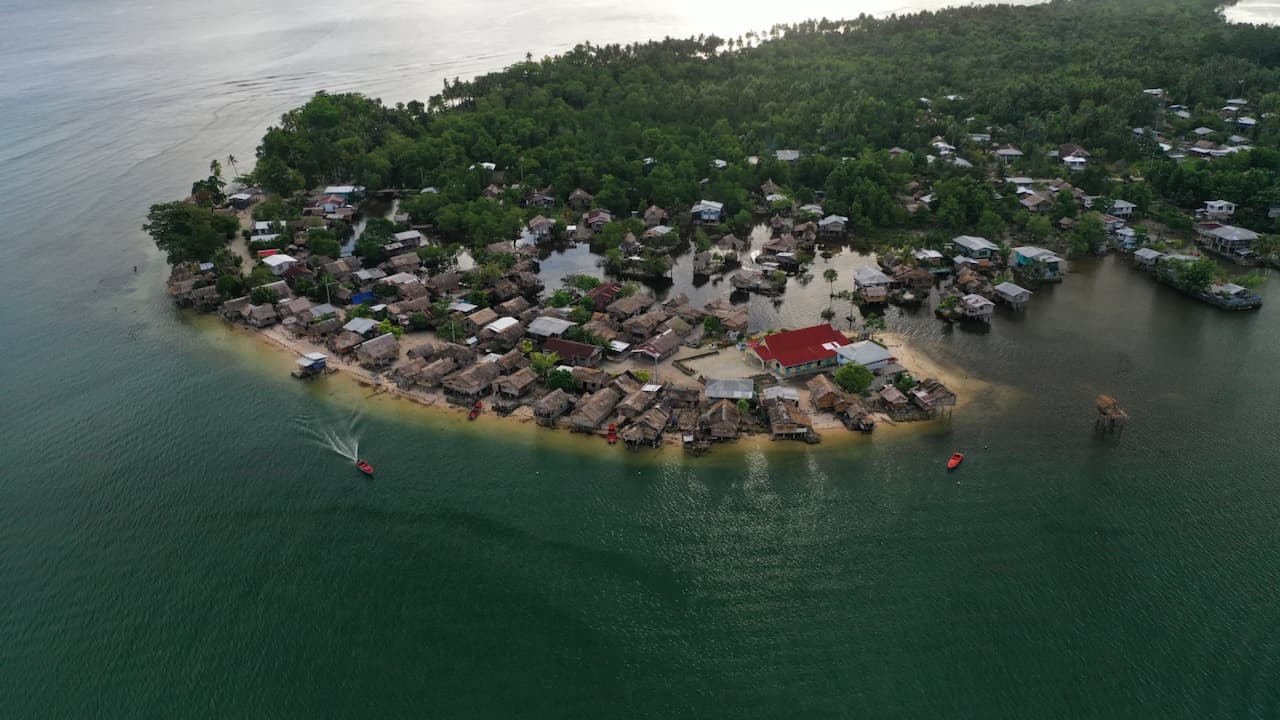
Yet, even before then, the need for disaster preparedness and response was highlighted due to rising sea levels from global environmental changes. In 2012, residents of the Fijian village of Vunidogoloa had to relocate due to frequent flooding and subsequent saltwater contamination of their drinking water.
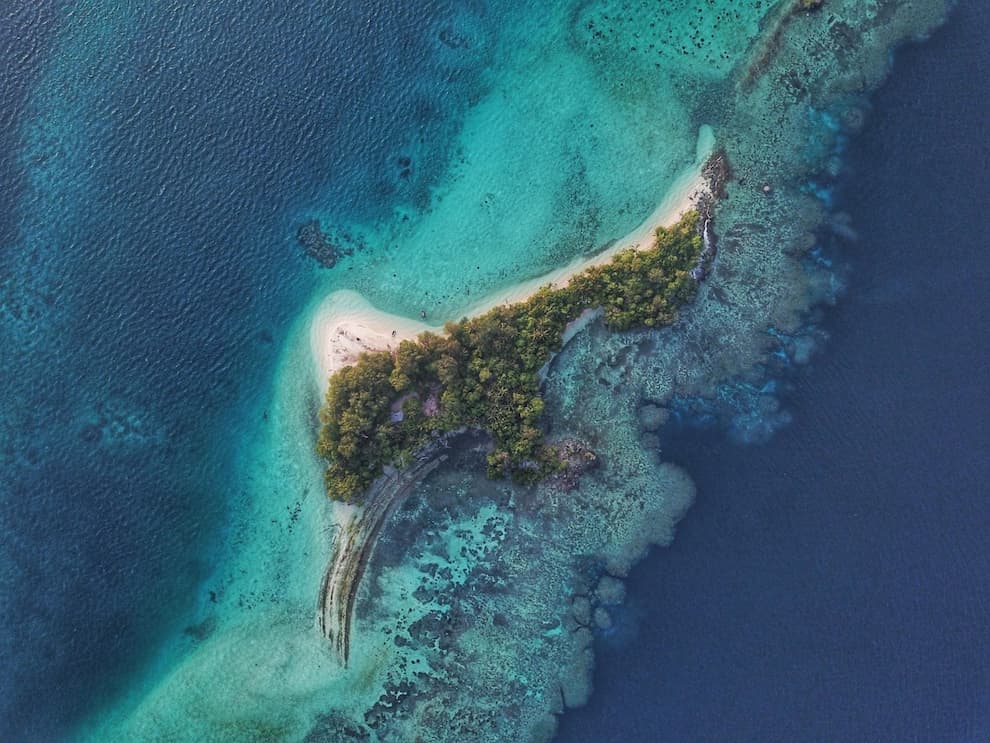
The ferocity of storms will only increase, and the seas will continue to rise as global changes intensify.
Meanwhile, warming ocean waters continue to break records, ocean acidification is increasing, fisheries are struggling or collapsing, and coral reefs, coastlines, forests, farmlands and rivers across the Pacific Islands are being impacted. Agriculture, fishing and tourism, all critical for life in the islands, are under threat.
These problems have been and are continuing to challenge people across the Pacific Islands, who are already losing their heritage, their ancestral sites and the sense of identity that connects them to the islands and ocean. Given they are well into the crisis, Pacific Islanders are living within the intersection of adaptation and mitigation to the climate crisis, but still able to do important regenerative work. Hence, the need for localized mitigation and adaptation has never been as important.
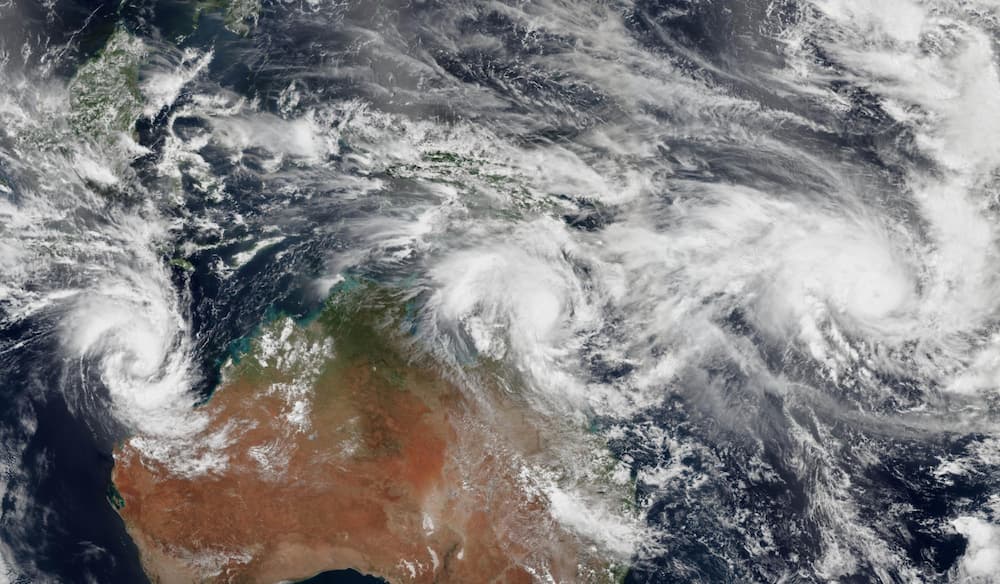
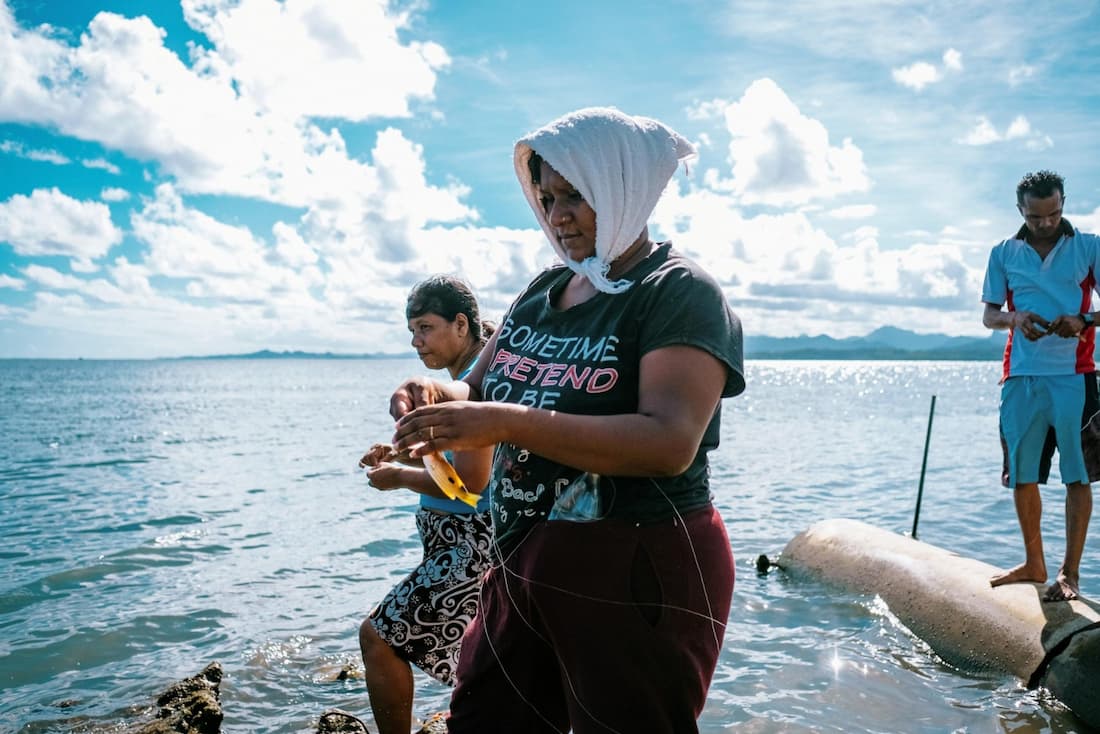
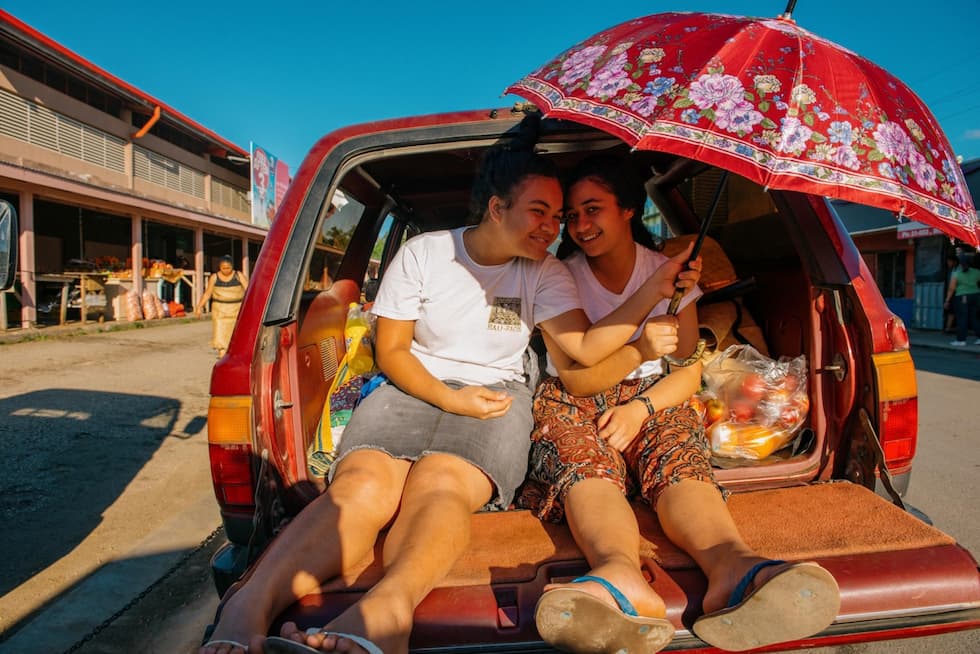
As a result, local women’s leaders from Fiji, Papua New Guinea, Samoa, the Solomon Islands, Tonga, and Vanuatu came together with ActionAid Australia and the Pacific Disability Forum to create the Shifting the Power Coalition. Together, they are amplifying women’s voices in those places where decisions are made about disaster preparedness and response, environmental and humanitarian action. Women from local communities now have a greater opportunity to present their recommendations on improved infrastructure – from roads to communications to food distribution and healthcare.
As Pacific Island women, yes we bear the brunt of the environmental crisis, but we are not only vulnerable. We are experts. We are women who have solutions and are leading in our communities and countries.Alisia Evans, Regional Representative, Shifting the Power Coalition, Suva, Fiji Islands
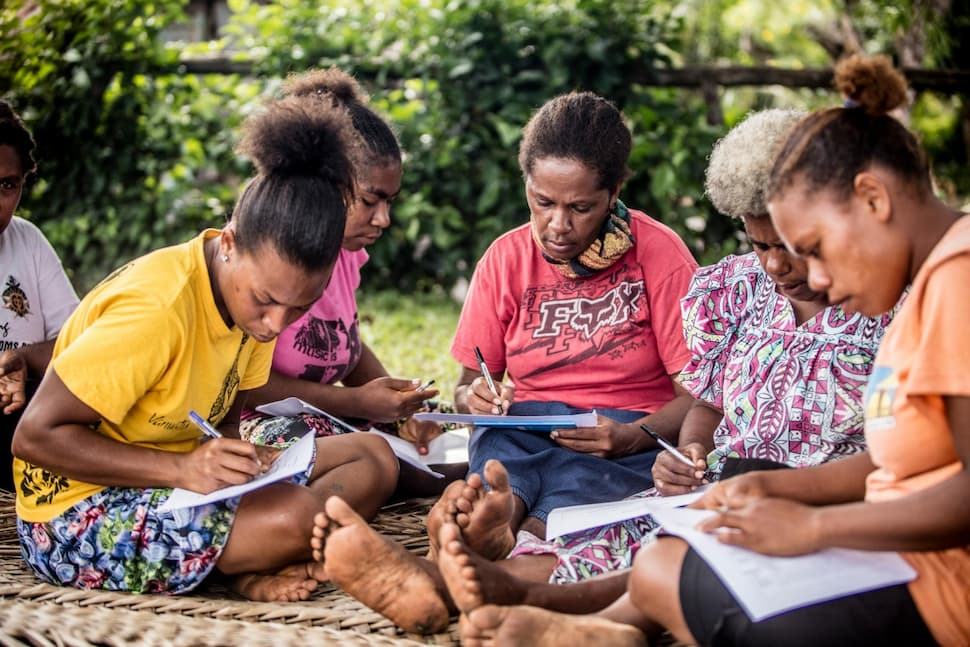
Because their people are working to regenerate both land and sea, Pacific Island nations are world leaders in adaptation and mitigation.
Shifting the Power is the only women-led regional alliance focused on strengthening the collective power, influence and leadership of diverse Pacific women in responding to disasters and the climate crisis. They focus on strengthening women’s capacity to engage in policy and decision-making, driving evidence-based and women-led innovations in the region, as well as engaging in national and regional advocacy.
Coalition partners raising their voices and visibility are also deepening the skills of Pacific women leaders for disaster management, with a specific focus on young women and women with disabilities and supporting partners in responding to humanitarian emergencies.
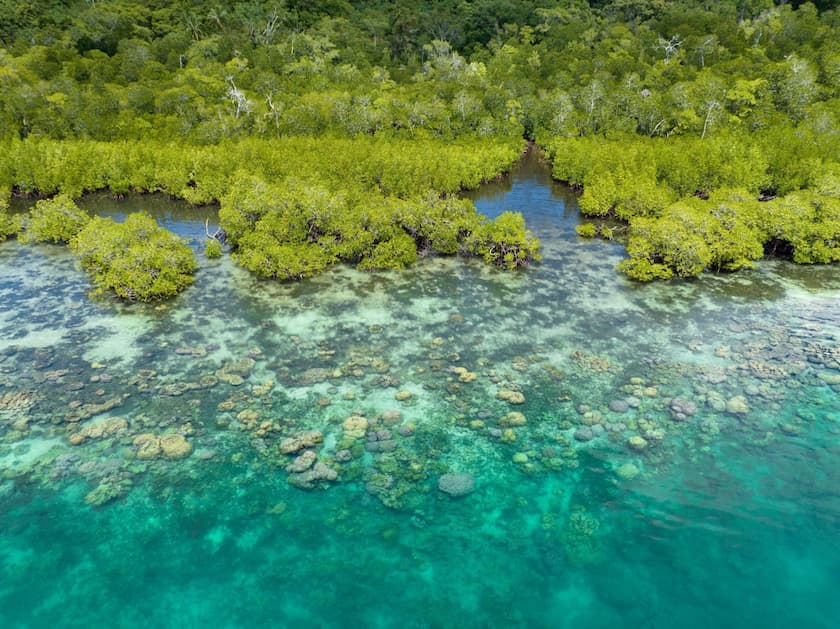
Home Planet Fund is partnering with the Shifting the Power Coalition in several key areas: Collecting the communities’ traditional knowledge and passing it down, generation to generation, woman to woman. We’ll fund these young women as they implement nature-based solutions that heal the landscape and mitigate future climate impacts. That work may include growing crops that are more resistant to drought and sudden downpours, restoring seagrass and planting mangrove forests along the coasts to prevent erosion and absorb increasingly large storm surges.
As a result of these efforts, Pacific women are already innovating, mobilizing, and spearheading local action, preparing for disasters, managing natural resources, and strengthening their resilience – all while ensuring that no-one is left behind.
Two Birds, One Island, No Second Chance
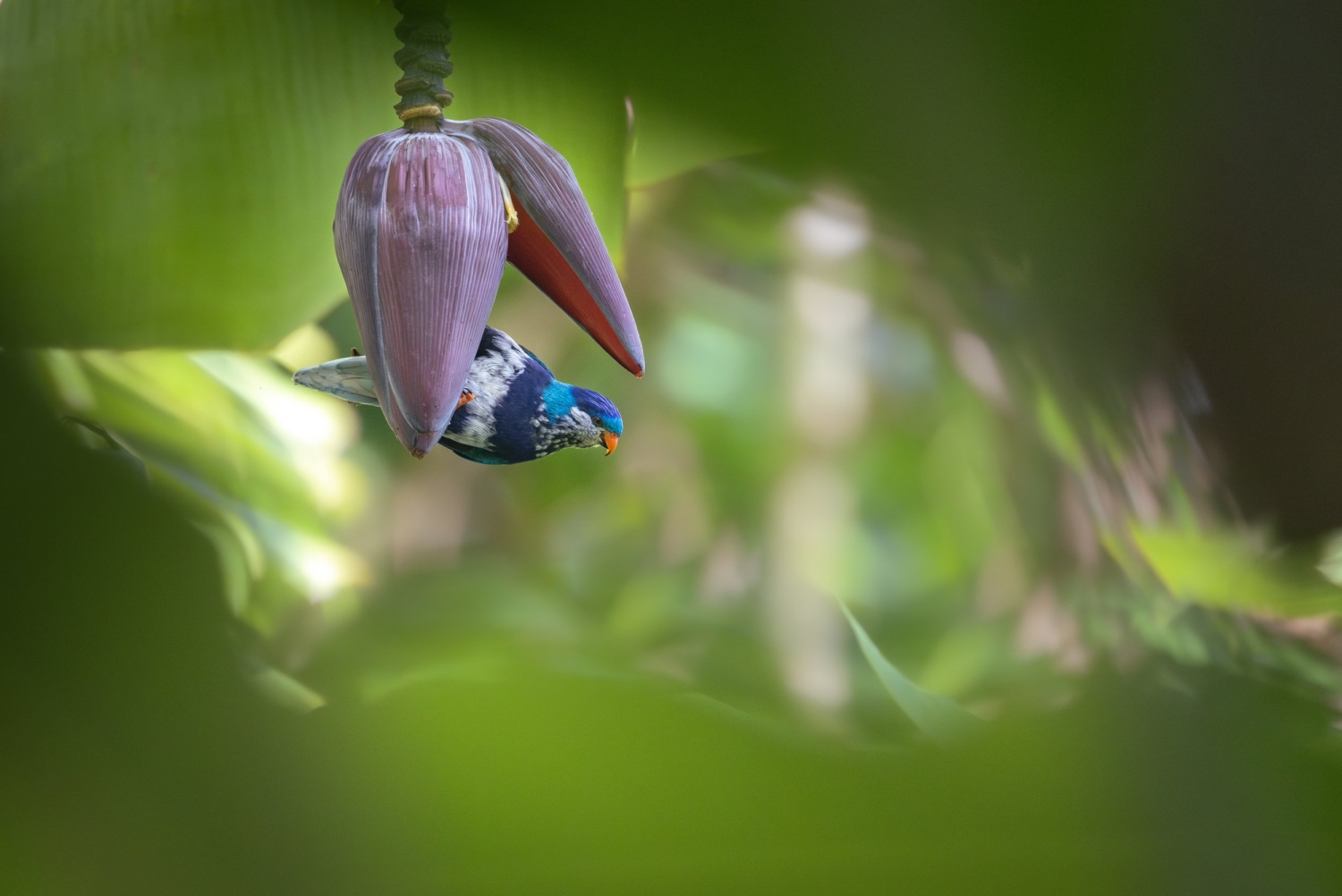
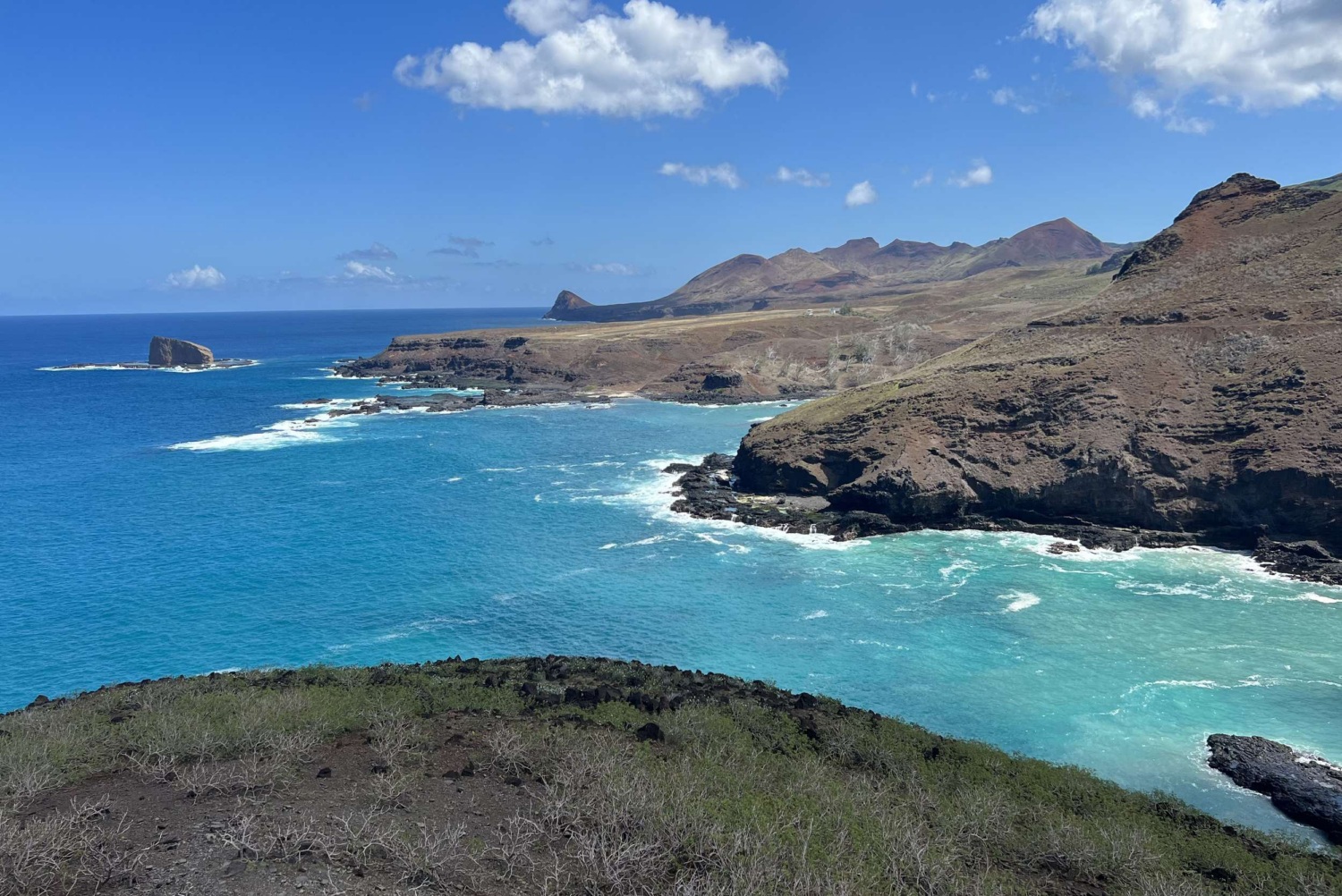
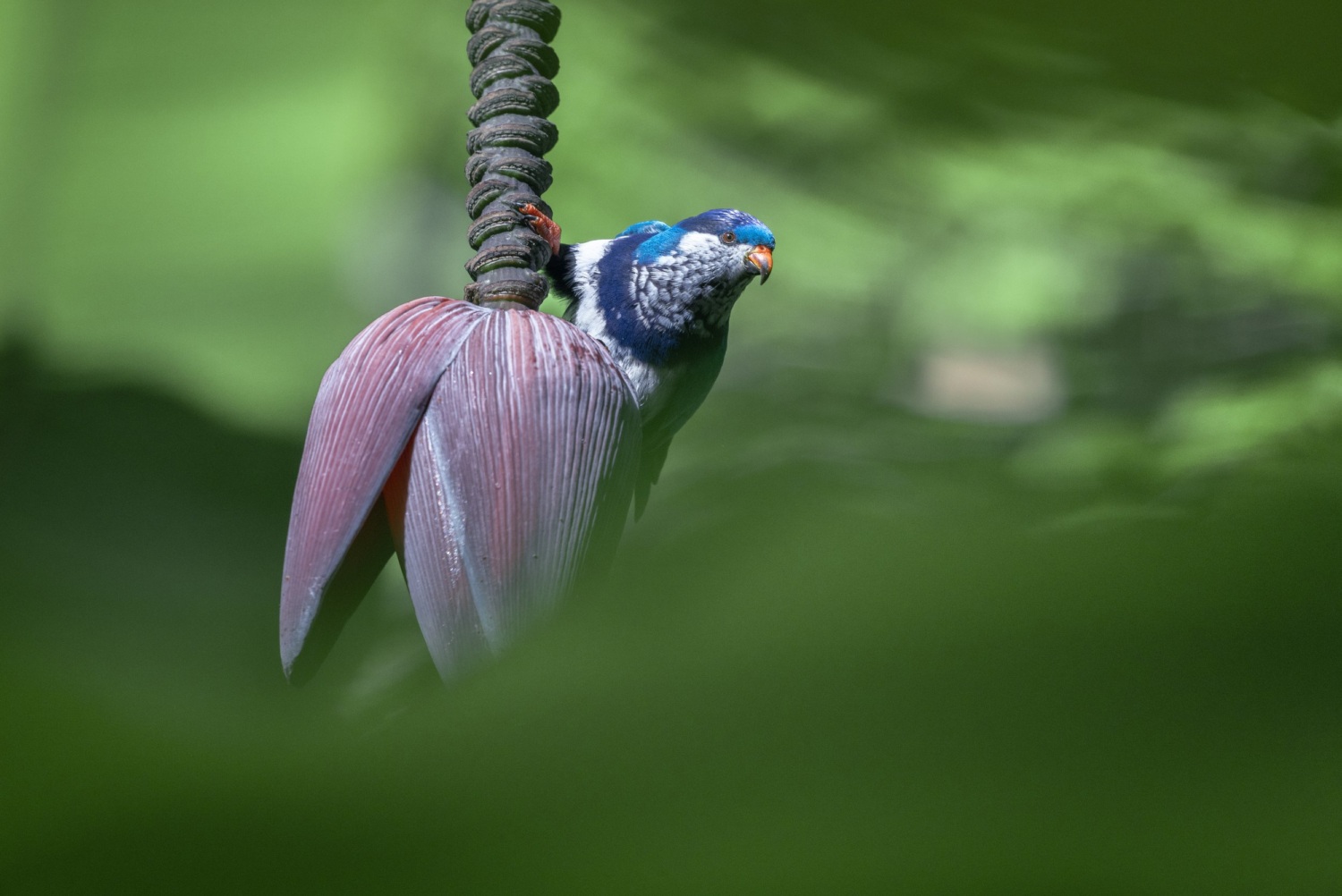
On Ua Huka, in the Marquesas Islands, two birds survive that live nowhere else on Earth. They are still here for one reason: the black rat has never reached the island. Since 2014, Vaiku’a i te manu o Ua Huka has worked to keep it that way, with a bio-security project at the docks and an informed community that knows what is at stake.
Conservation does not have to begin after something has been lost. On the remote island of Ua Huka, it begins with the local community protecting what remains.
An island four hours from anywhere
Ua Huka is one of six inhabited islands in the Marquesas archipelago, roughly four hours by air from the capital of Papeete. Covering roughly 84 square kilometres, the island rises from the sea and is populated with coconut groves that feed most households reaching the water.
Two important organizations have concluded that the island matters far beyond its size. The International Union for Conservation of Nature (IUCN) classifies Ua Huka as a Key Biodiversity Area. BirdLife International lists it as an Important Bird Area. Both designations underscore the fact that what makes Ua Huka globally significant is that it hosts two critically endangered birds.
Twelve years at the dock
Home Planet Fund partner, Vaiku’a i te manu o Ua Huka, was founded in 2014 by residents of the island, with technical support from the Société d’Ornithologie de Polynésie Manu. It is the primary environmental actor on Ua Huka, as well as being certified by the government of French Polynesia as an organization of general interest.
The work rests on a simple principle: preventing an invasive species from arriving is far more effective than trying to remove it once it has spread.
Home Planet Fund partner Vaiku’a i te manu o Ua Huka effectively uses the three pillars of biosecurity, education and community engagement.
With more funding, more habitat restoration will be possible. This will safeguard the endangered birds, local communities, and the flora of the island.
Vaiku’a has established a community-run model for the Marquesas. It is one of very few anywhere run by a community organization rather than a government agency. By strengthening what it is doing and sharing it, Vaiku’a will be set to assist in seeding a wider inter-island biosecurity network.
A Ceremony, A Flower, and a Star Cluster
French Polynesia is comprised of 118 islands spread across two million square kilometres of ocean. FAPE – Te Ora Naho (Federation of Environmental Protection Associations of French Polynesia), is the federation that brings together around sixty environmental associations from across these islands and vast distances. Many of its members have never met each other.
Home Planet Fund is supporting FAPE with two grants that address the same underlying problem.
The Flower
On the Te Mehani Rahi plateau of Raʻiātea Island, Fred Jacq of the Tuihana Association knows exactly what needs to be done, as he has since 2006. Fred has the botany, the maps, the GPS points, the permanent plots, and a three-phase strategy. What he lacks is continuity.
His work has been funded by the European Union through BESTlife 2030, but the new restoration zone turned out to be far more densely invaded than the initial survey suggested. In addition, the project has reached its funding ceiling.
This is where Home Planet Fund comes in. We fill the gaps, to make sure the botany continues.
HPF is funding the 95 additional workdays needed to finish, along with monthly nursery monitoring that carries slow-growing Tiare ’Apetahi seedlings across to the next funding cycle. The seedlings grow just two centimeters annually, and need four to five years before they can survive planting. Most grants last three.
The Ceremony and The Star Cluster
Two hundred kilometres away, FAPE is working to mend the same fracture, but by a very different method. FAPE comprises sixty associations across a territory the size of Europe. Many have never met each other. The environmental challenges the islanders face are now growing faster than are attendable by currently available human, financial and organizational resources.
The time is now for the associations to unify as a coherent structure, so FAPE is gathering 100 of members in the Papenoo Valley and asking them to build something that outlasts the grant cycle: each other.
FAPE will bring roughly a hundred people from its member associations into the Papenoo Valley for two days at Fare Hape, a cultural site held by the Haururu association. There is no internet. Everyone is present. The aim is clear: associations that have never worked together will now begin to do so. They will unify.
HPF is funding the connective tissue that keeps proper stewardship of the islands possible.
We are grateful to work alongside FAPE as it builds, what it calls, “a human infrastructure for the living world.”