Discover the diverse areas where our work has made a difference.

Alaska Placeholder
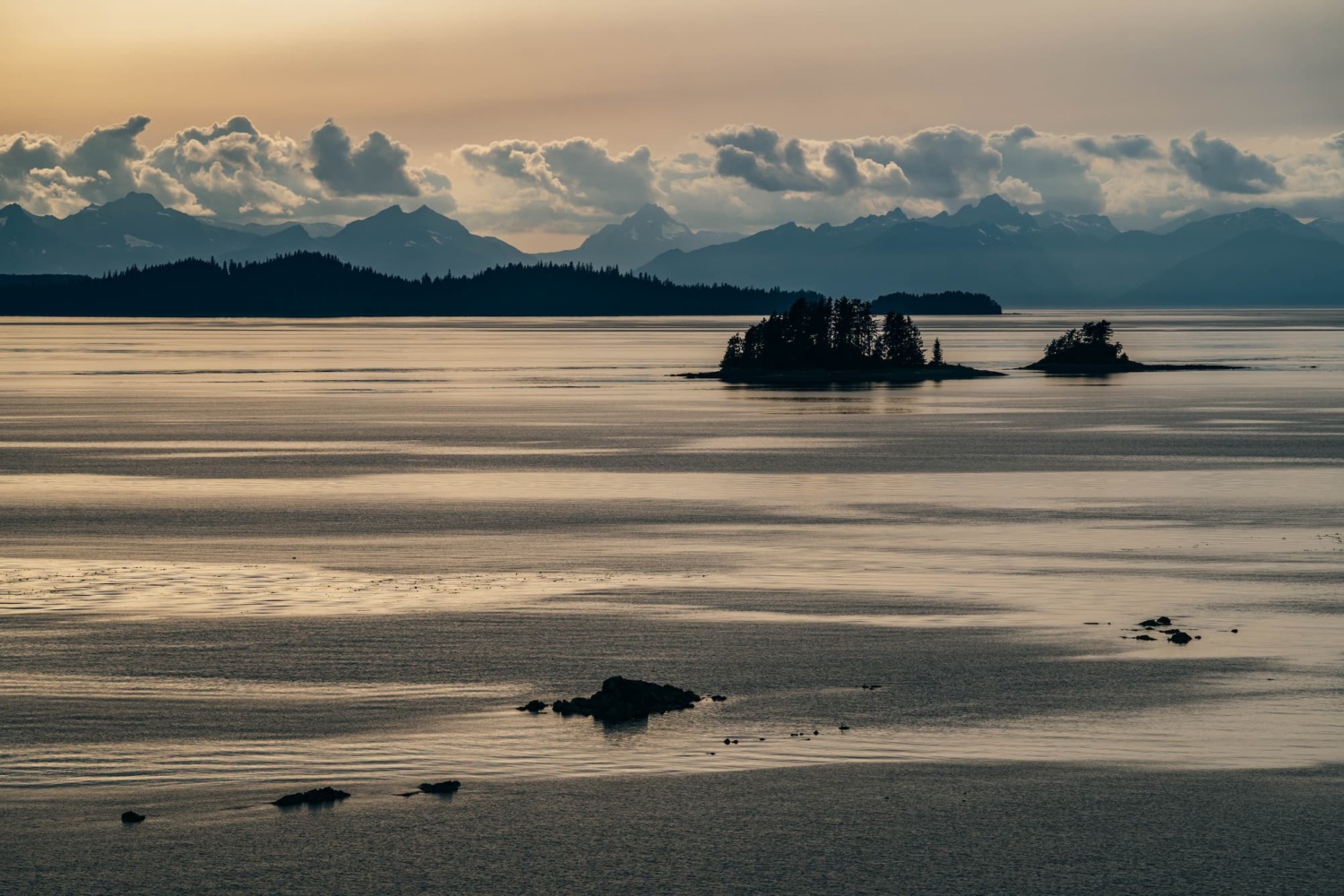
USA · Alaska

Stewarding the largest remaining intact temperate rainforest on Earth.

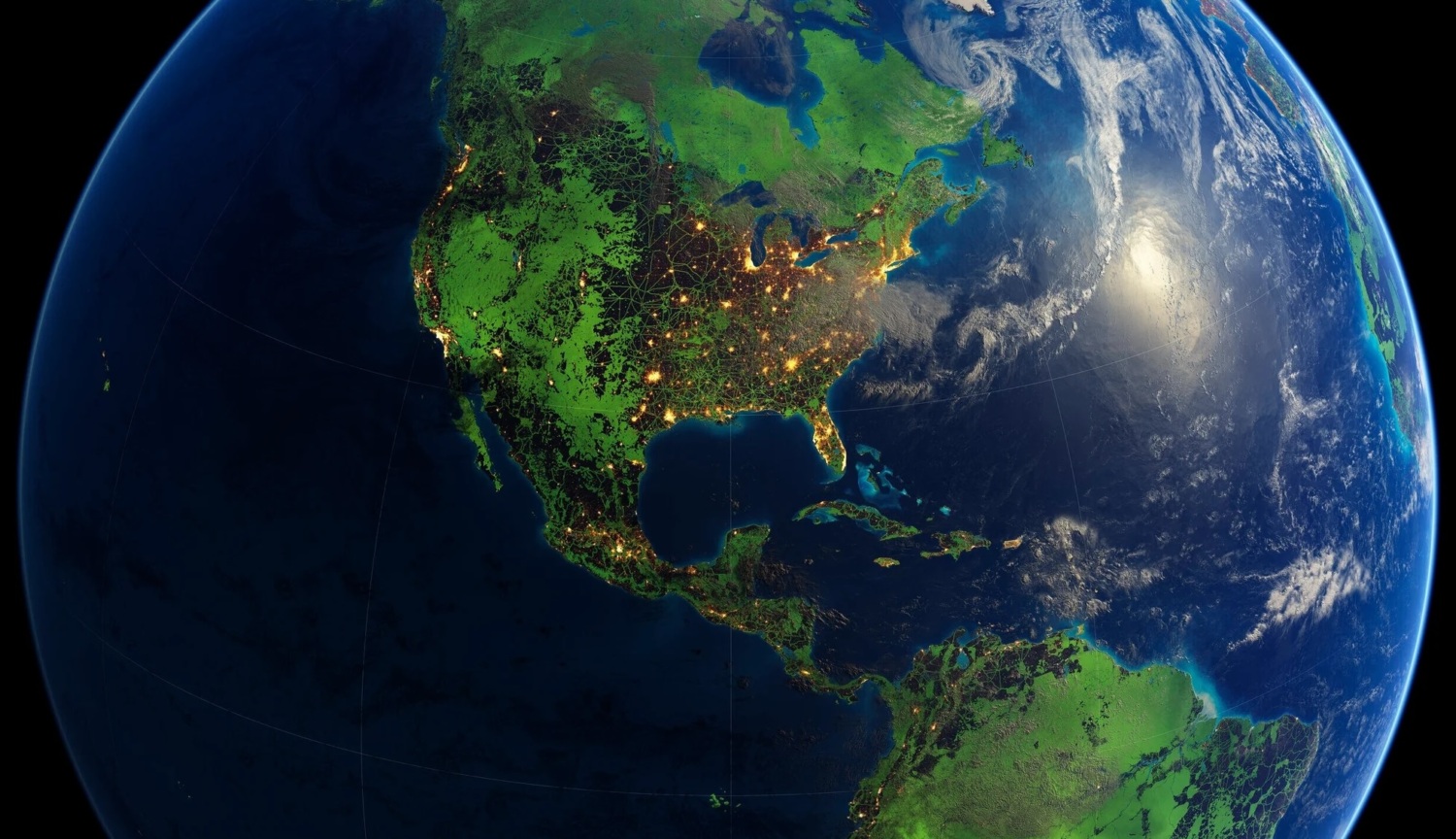
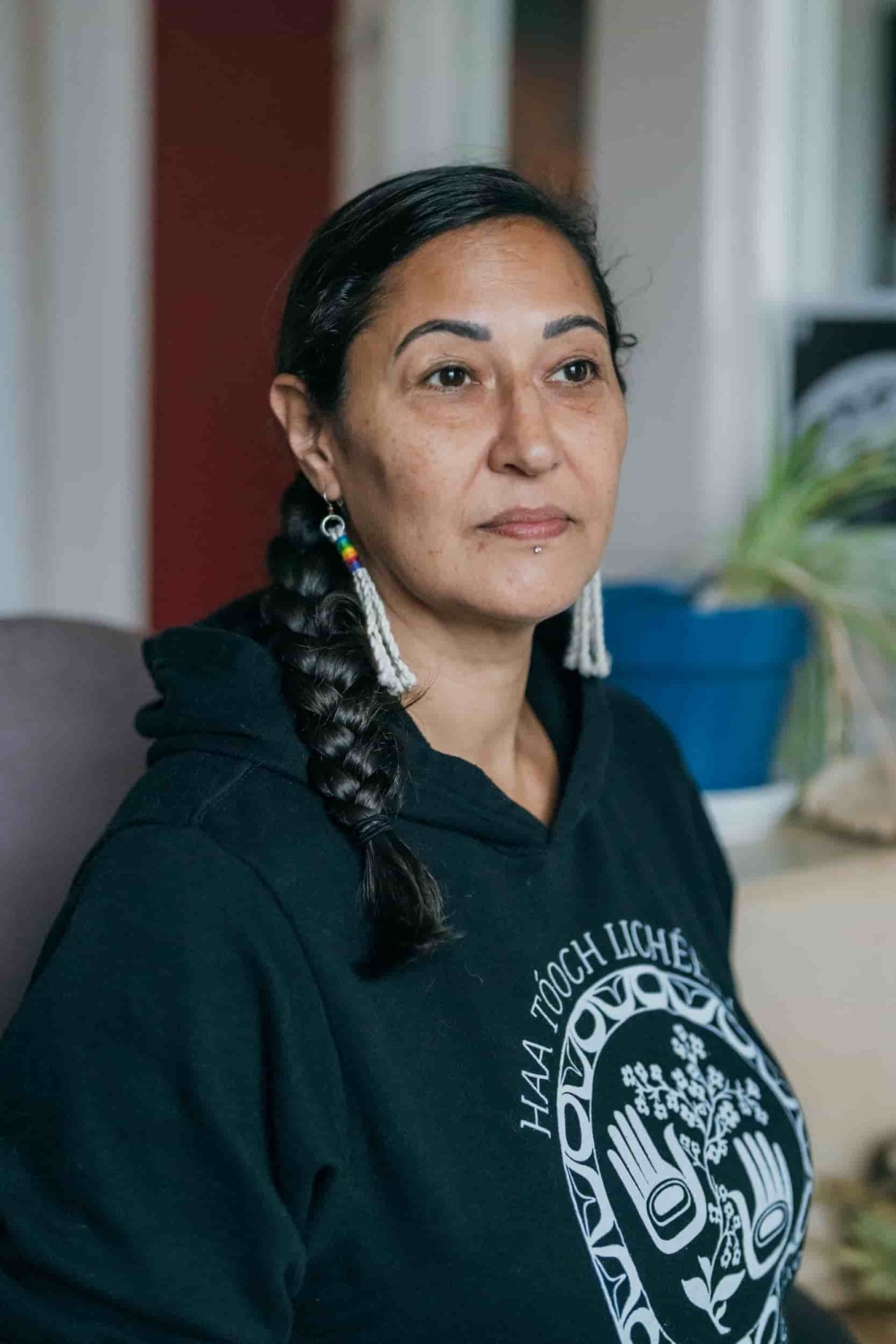
The core marker of a nature-based solution is to work with existing ecological processes, rather than replacing or overriding them. Indigenous management of the Tongass is the reason those processes have remained intact long enough to still be functioning today. That is why this rainforest remains one of the most important carbon sinks on Earth, storing more carbon per acre than nearly any other forest.

Pacific Islands Placeholder
French Polynesia, Fiji, Samoa, Papua New Guinea, Solomon Islands, Tonga + Vanuatu

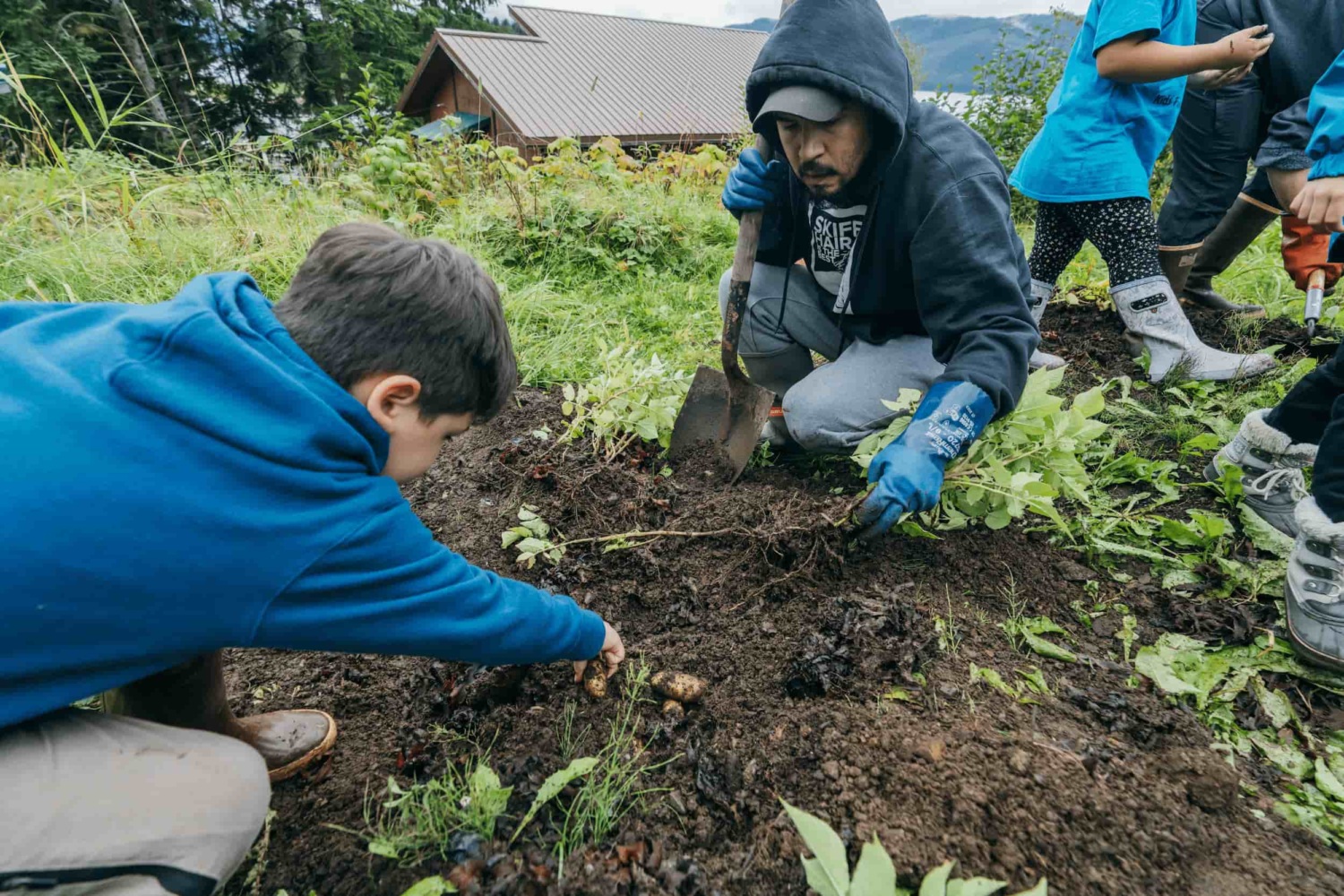
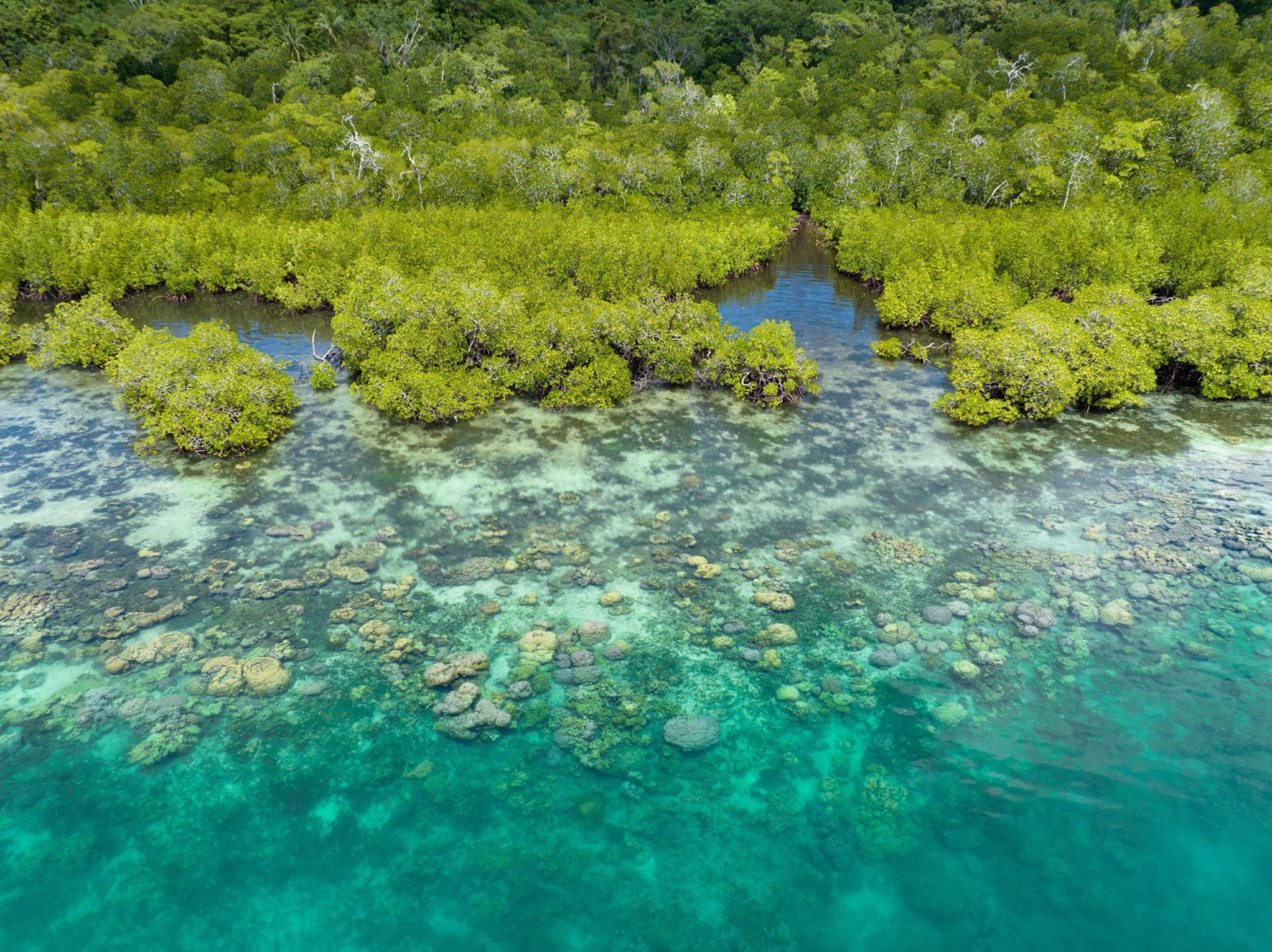
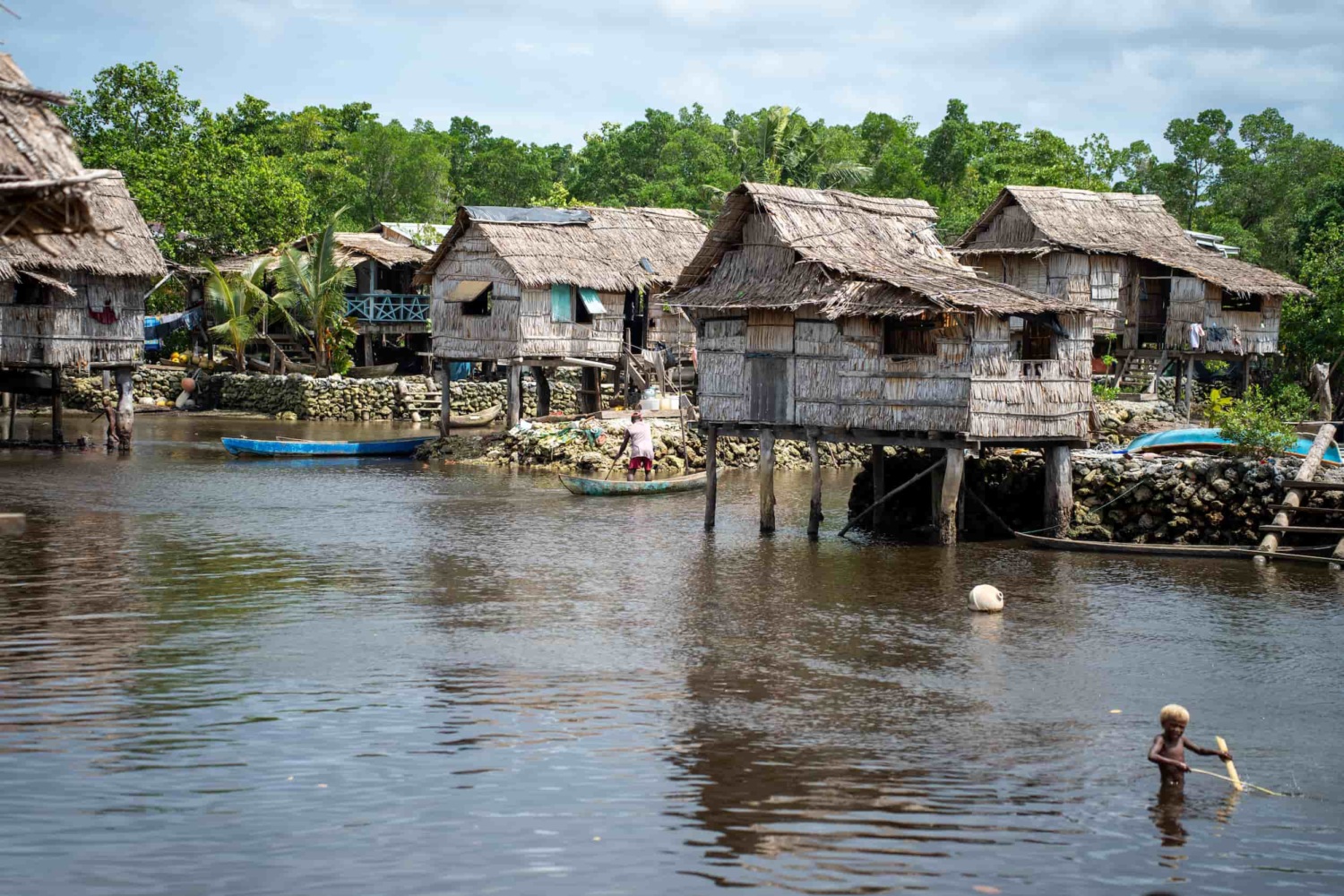
Pacific Island women share their knowledge, so the land, ocean - and their people - are more resilient amidst global changes.

Some of the most determined women in the world are leading the response in one of most climate-vulnerable regions on Earth. Stewarding lands where they live, and one million square kilometers of ocean, our partners are planting mangroves and seagrass to stabilize their coastlines, practicing climate-resilient agriculture, and working for stronger protections of the ocean they depend upon.

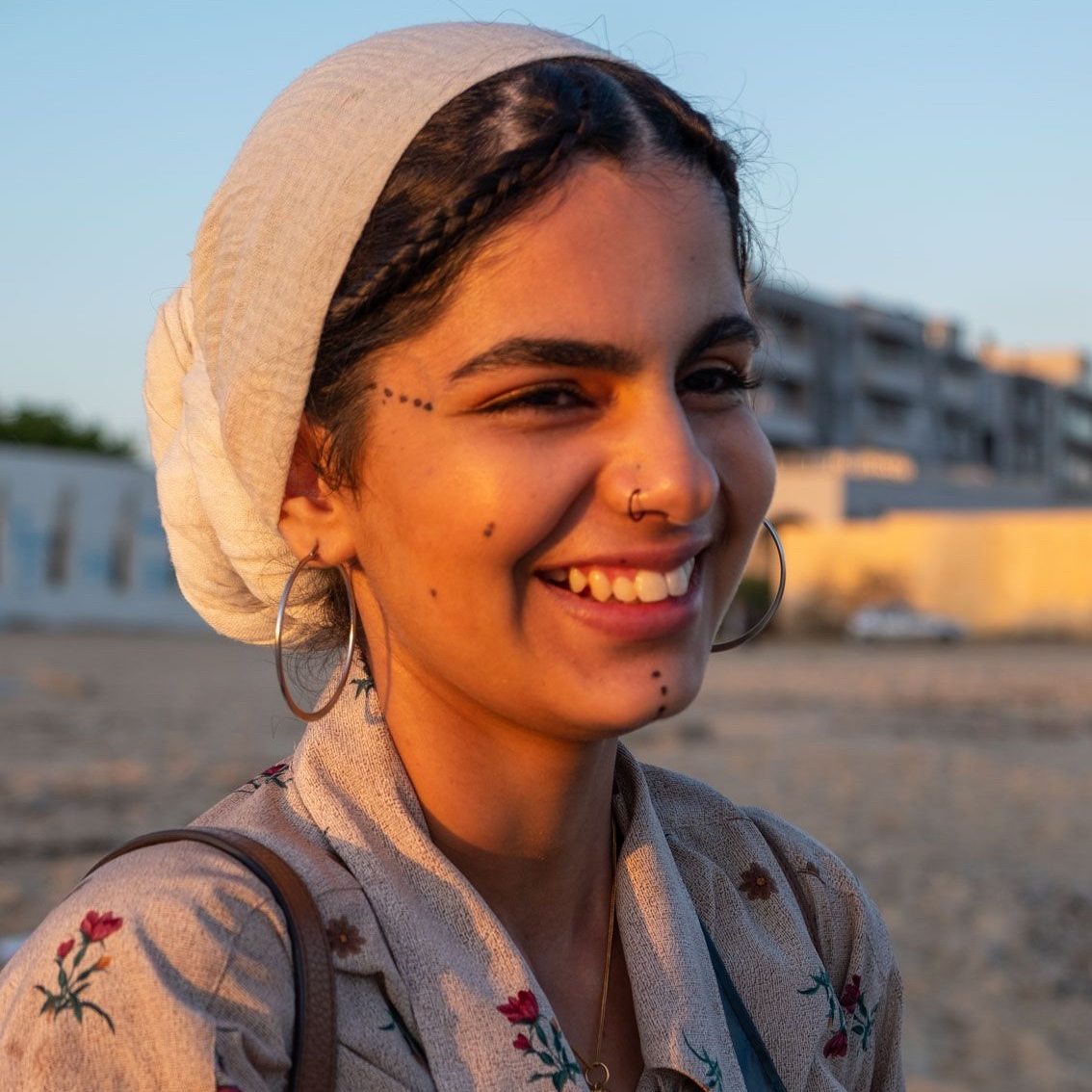
Albert Mkatia
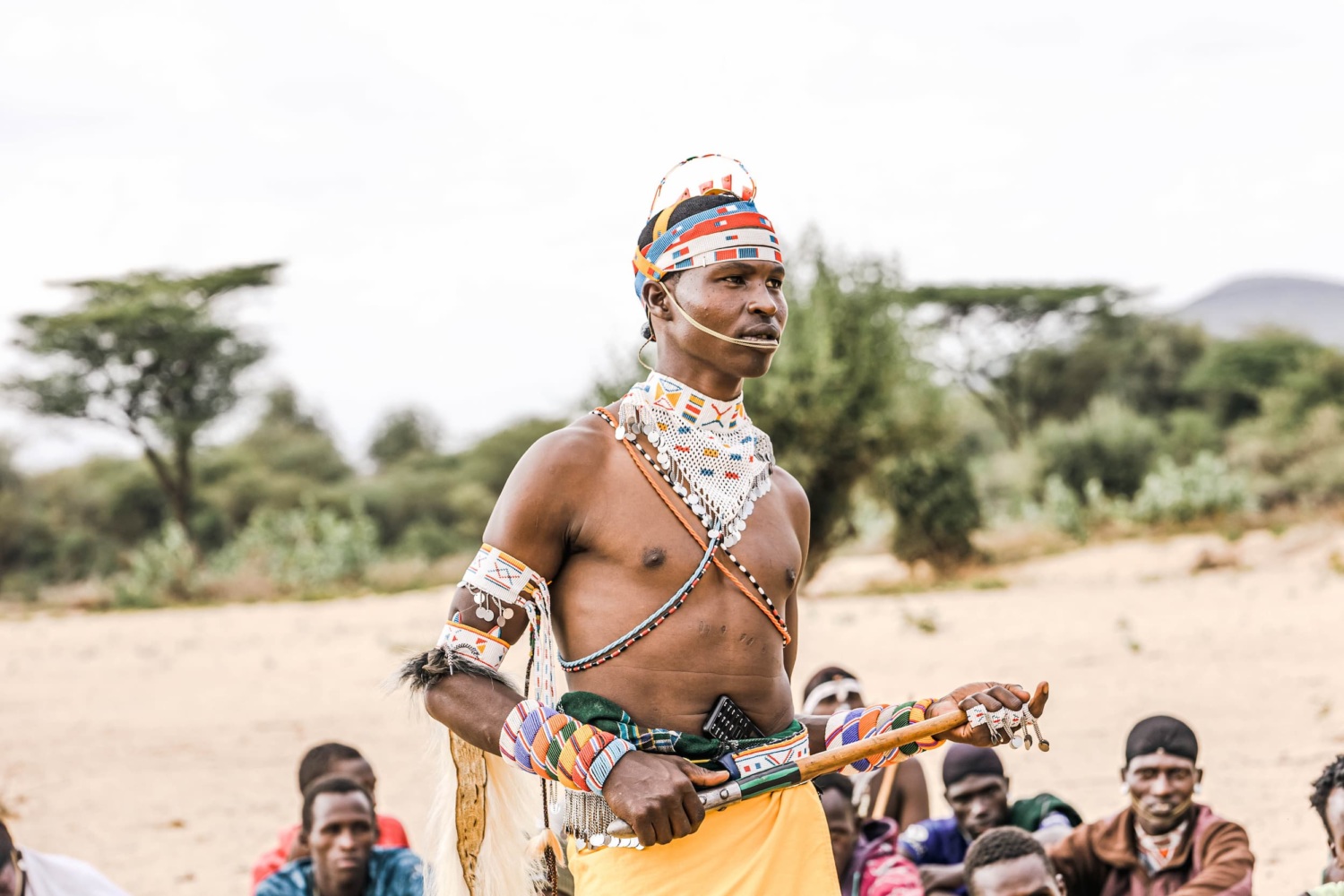
Kenya, Tanzania + Uganda

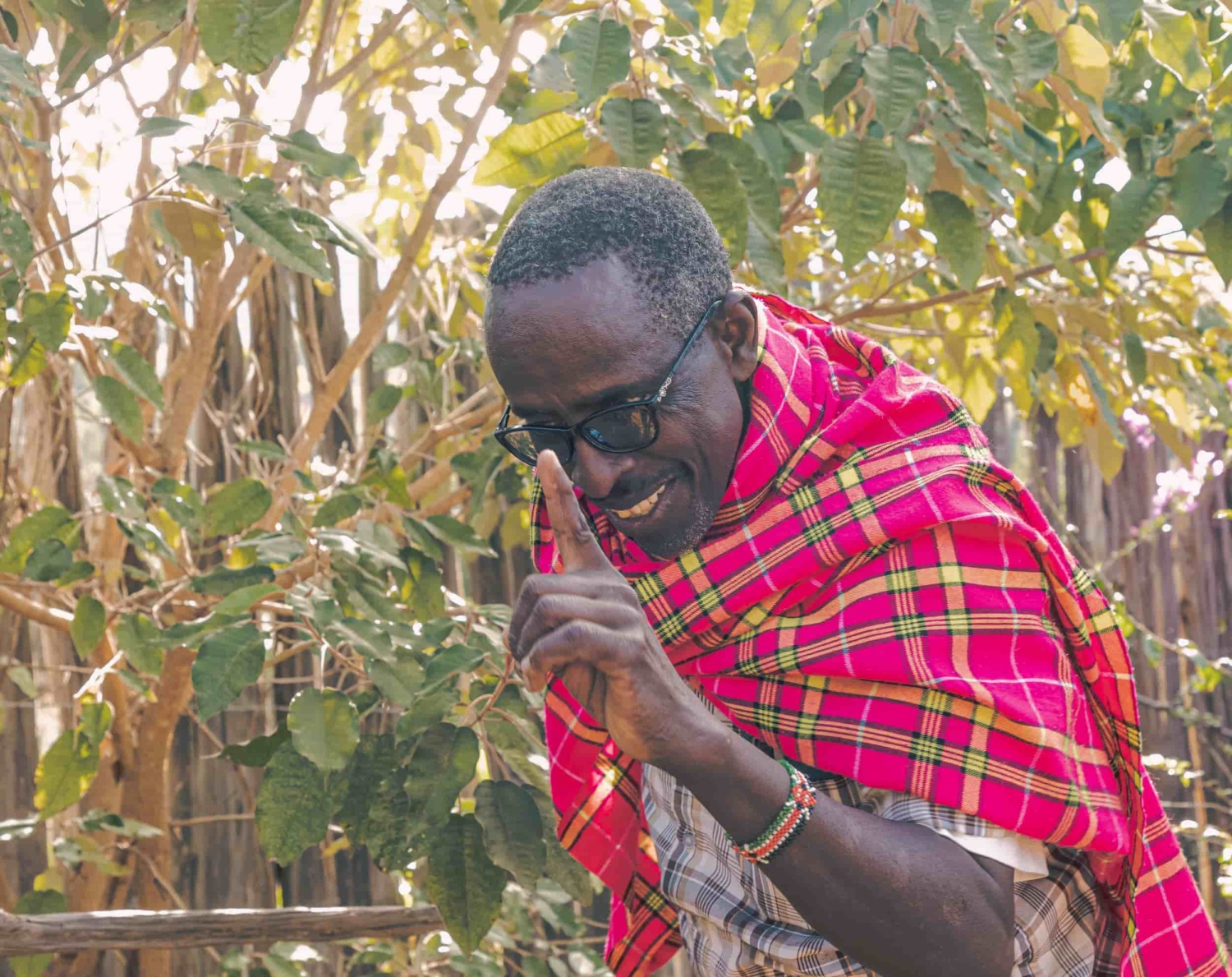
Supporting pastoralists’ tenure rights to save grasslands.

By creating and supporting biodiversity hotspots that sequester carbon, pastoralists in East Africa live their nature-based solutions. Our partners steward more than 1.6 million square kilometers, and their work positively impacts 2.25 million people while sequestering between 200-500 kilograms of carbon per hectare per year, annually.

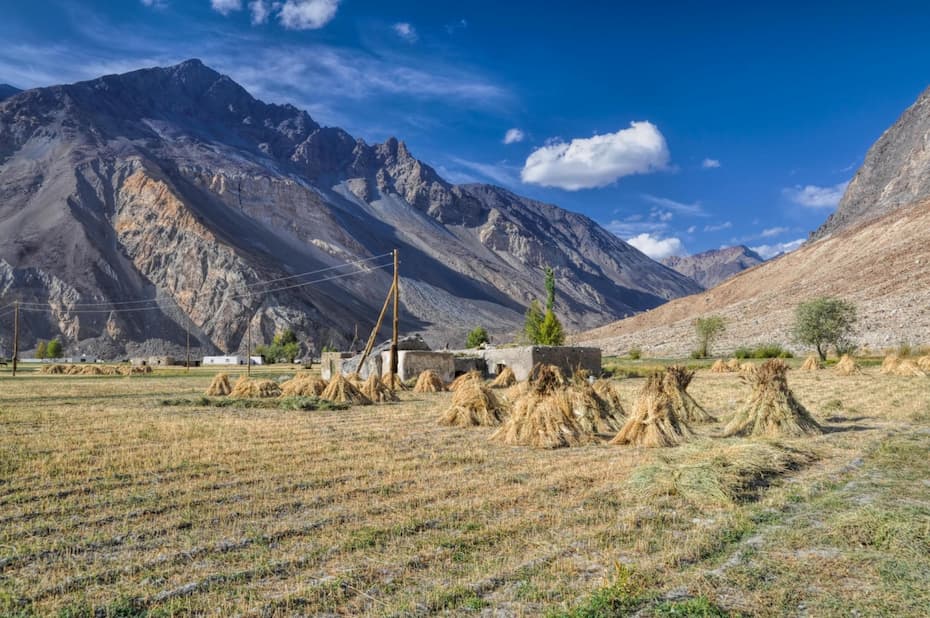
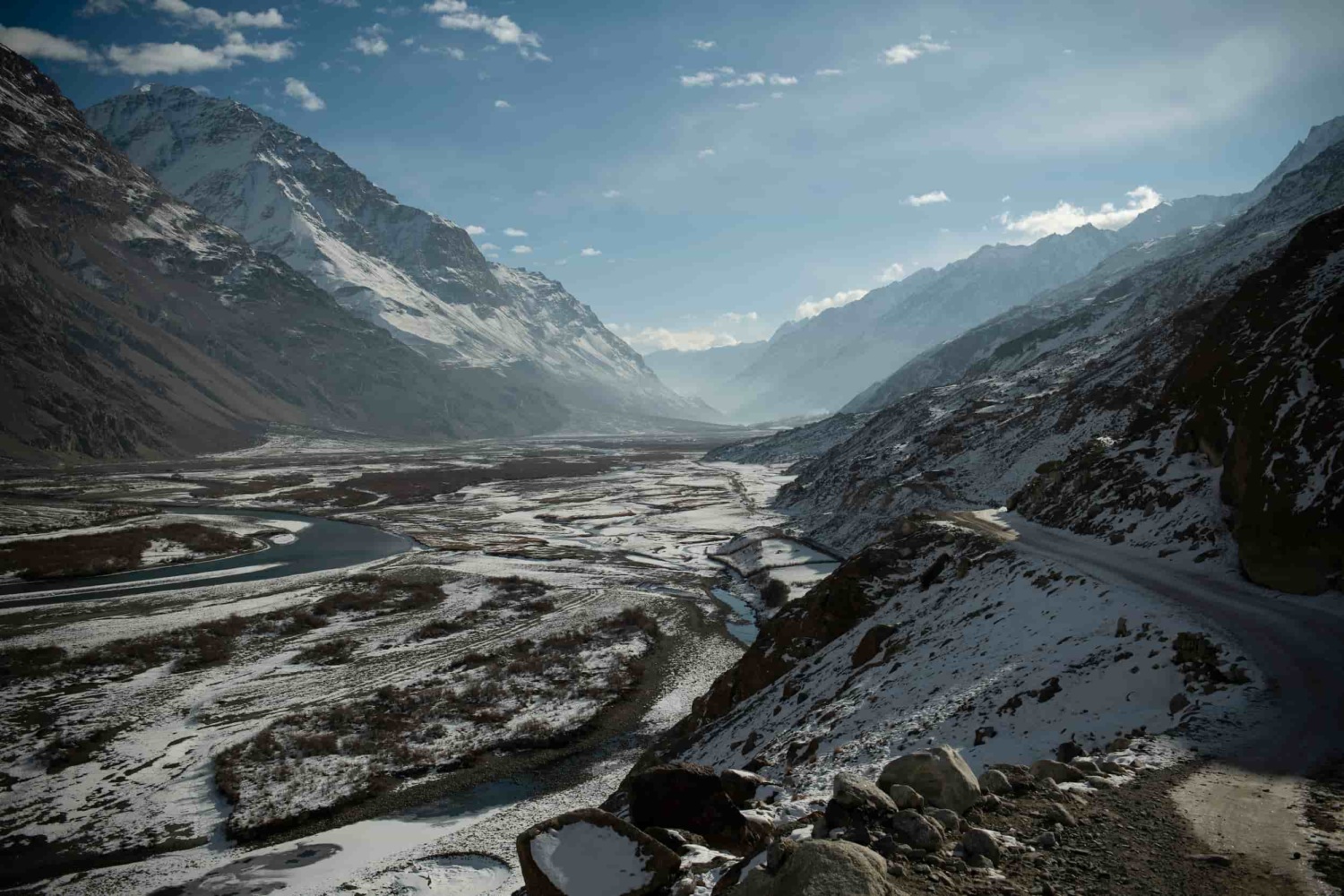
Central Asia Placeholder
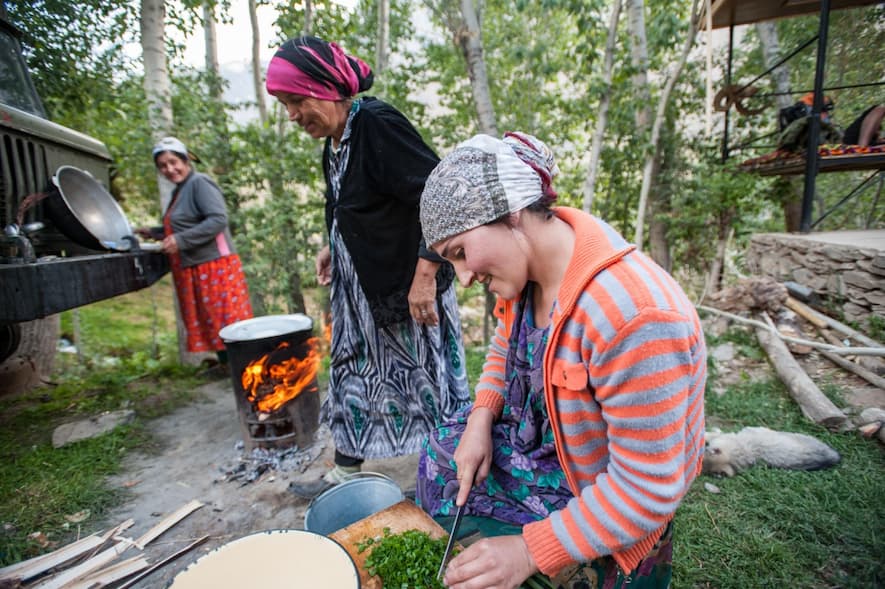
Tajikistan + Afghanistan

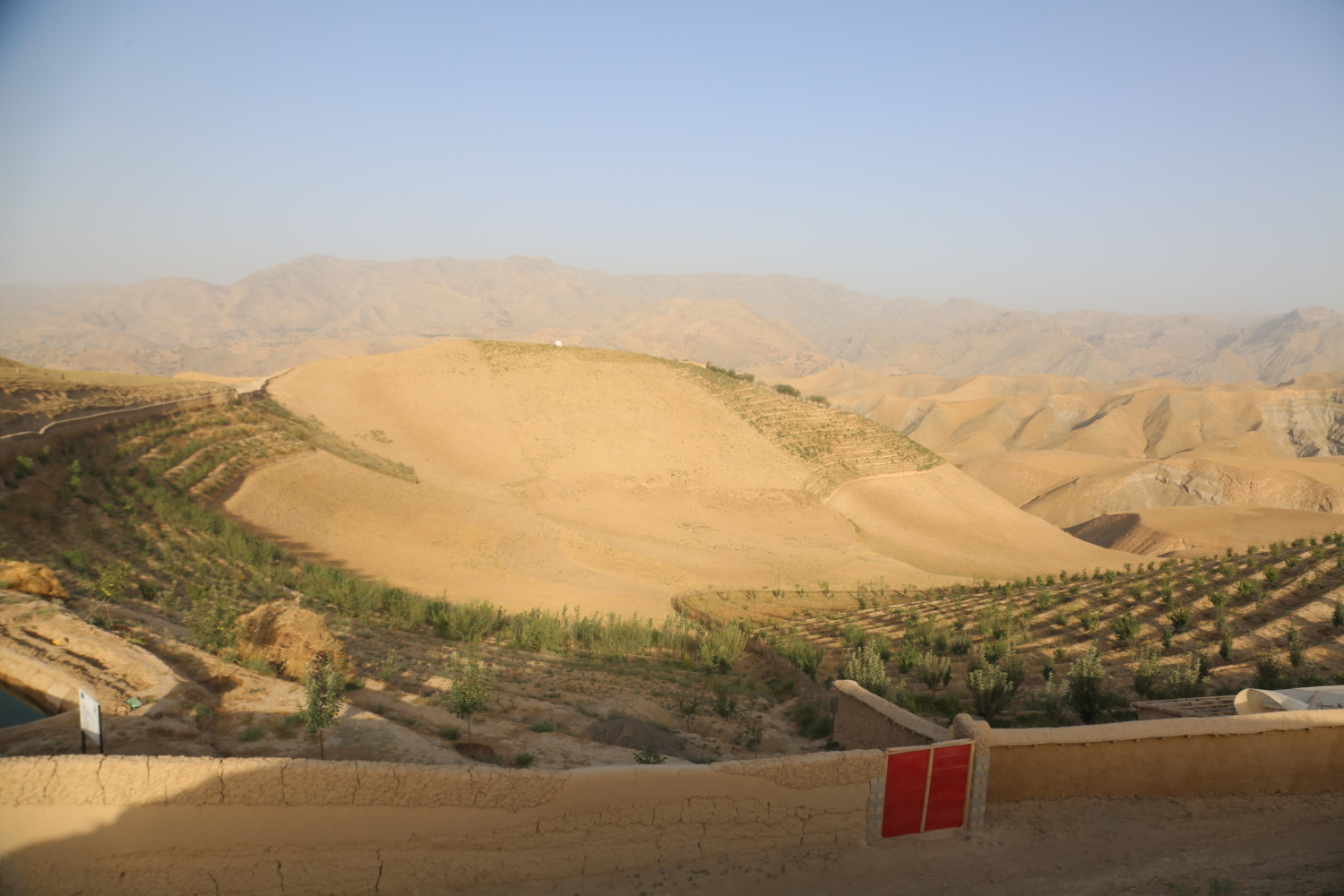
Regenerating landscapes to cool the planet.

In Afghanistan, families plant and manage micro-forests that create microclimates for food production and native species preservation, while sequestering carbon and increasing biodiversity. In Tajikistan, Pamiri farmers are engaged in regenerative agriculture and saving seeds, while strengthening their culture and biodiversity. Our partners’ work in this region actively cools where they live, next to the largest area of glaciers and ice fields outside Earth’s polar regions.
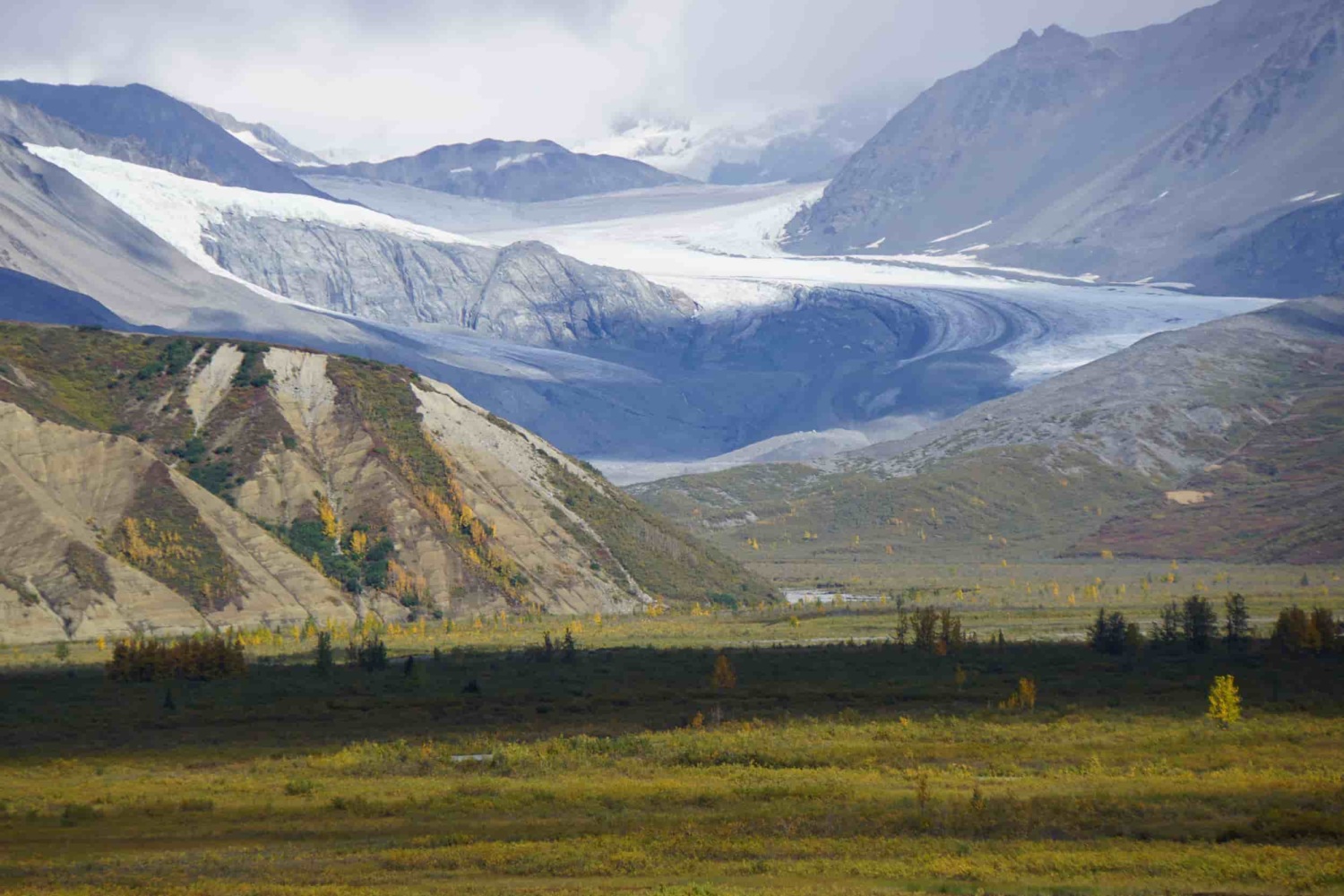
Landscape of Alaska
News Coverage

Changing the Game on Climate Mitigation

Jul 30, 2025

Wisdom of the Land: Learning from Indigenous Voices | July 2025

Jul 17, 2025
Story
Alaska

Healed People Heal People

Home Planet Fund
Jul 07, 2025
Story
East Africa

Serve the Community, Serve the Planet

Home Planet Fund
Jun 23, 2025

Wisdom of the Land: Learning from Indigenous Voices | June 2025

Jun 16, 2025
Story
Afghanistan

From Micro-Forests to Macro-Impact

Home Planet Fund
Jun 02, 2025
Ayisha Siddiqa, board member

Voices of Change: Q & A with board member Ayisha Siddiqa

Jun 02, 2025
Agriculture in Pamir mountains in Tajikistan
Story
Tajikistan

Grains of Change: Wheat in Tajikistan’s Bartang Valley

May 13, 2025

Wisdom of the Land: Learning from Indigenous Voices | May 2025

May 12, 2025
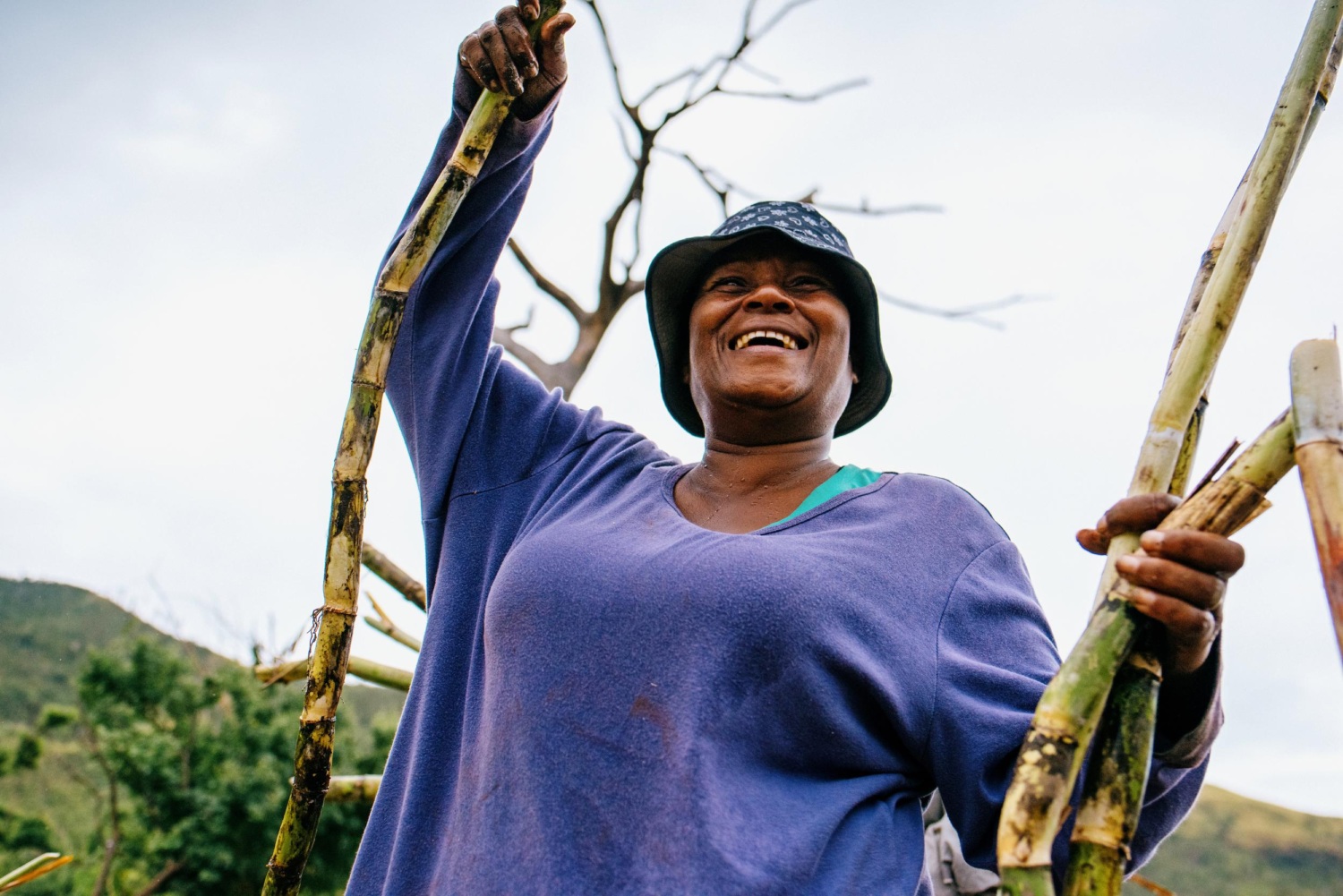
Woman from the Vatusekiyasawa village cane gang holding stalks of sugarcane that will be cut into foot long sections and planted in plowed fields from which sugarcane will sprout.
Story

2024 Annual Report: Advancing Nature-Based Solutions Together

Home Planet Fund
May 05, 2025

Wisdom of the Land: Learning from Indigenous Voices | April 2025

Apr 18, 2025
News Coverage

Report Preview Highlights Home Planet Fund’s Work 

Apr 16, 2025
Story
Alaska

Having the Connection

Home Planet Fund
Apr 14, 2025
Story
Pacific Islands

Increasing Resiliency Across the South Pacific

Apr 01, 2025

Wisdom of the Land: Learning from Indigenous Voices | March 2025

Mar 24, 2025
Story
Alaska

Opening the Door to Healing

Home Planet Fund
Mar 17, 2025

Wisdom of the Land: Learning from Indigenous Voices | February 2025

Feb 19, 2025
Story
East Africa

A New Kind of Warriors

Feb 17, 2025
Alaska

Everything Carries Spirit

Dahr Jamail
Jan 31, 2025
Story
East Africa

Regenerating Kenyan Landscapes

Home Planet Fund
Jan 22, 2025
Family cooking in Tajikistan

Wisdom of the Land: Learning from Indigenous Voices | December 2024

Dec 19, 2024